

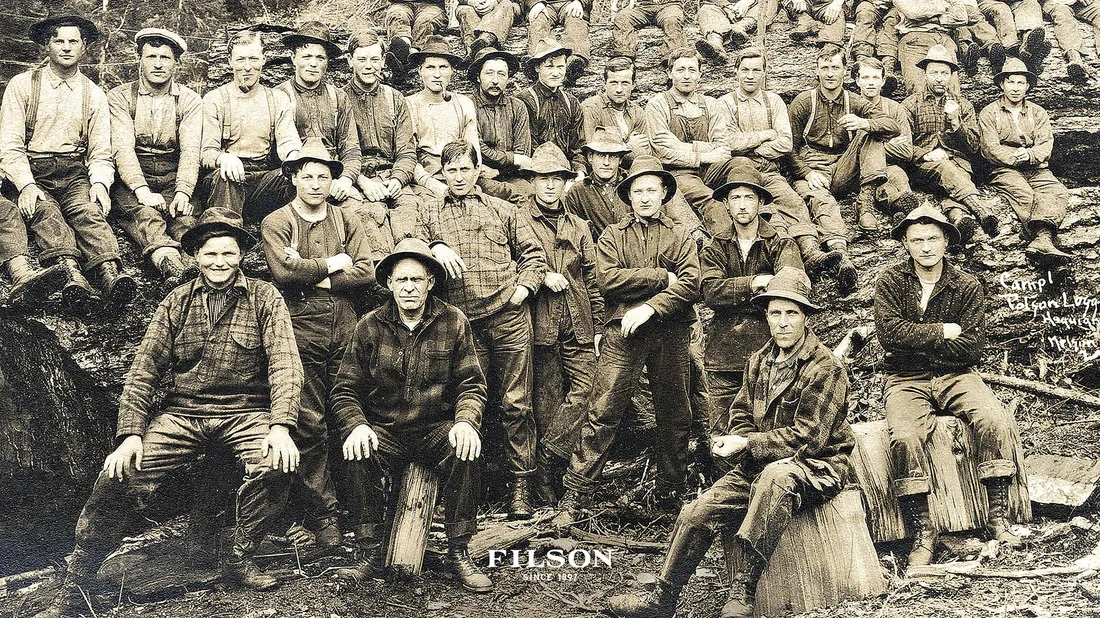
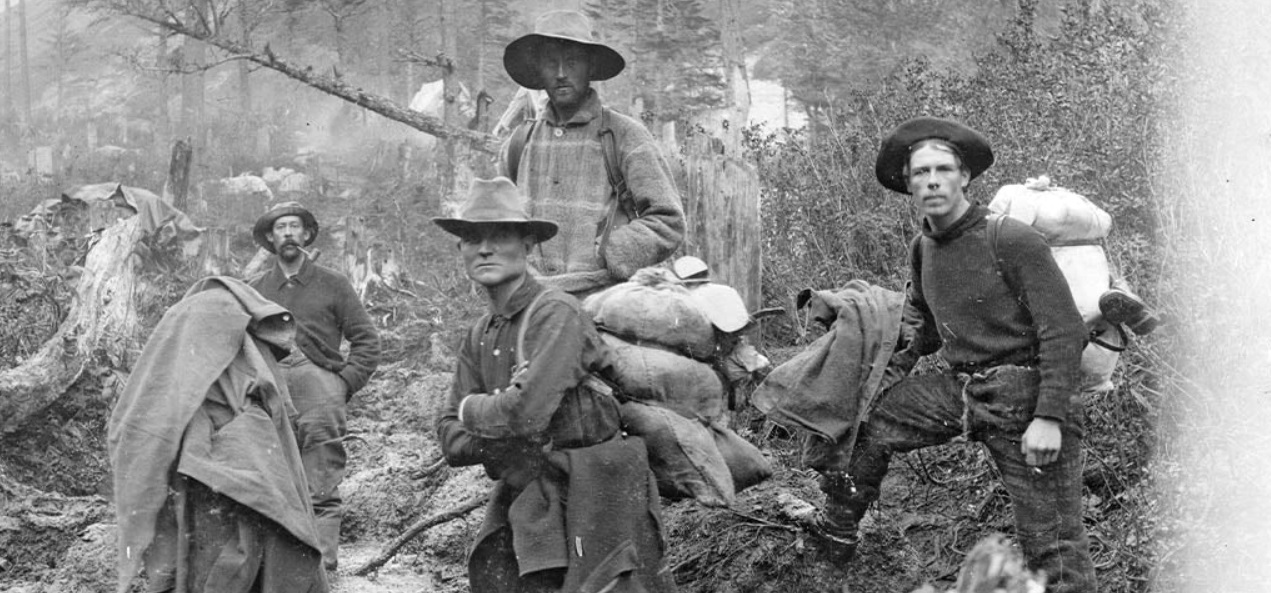
The year is 1898. Along the frozen, unforgiving spine of the Chilkoot Pass, a man struggles to maintain feeling in his fingers. Around him, the landscape is littered with the hubris of the Klondike Gold Rush: discarded champagne crates, heavy cast-iron stoves, and abandoned grand pianos—the detritus of thousands who arrived in the Yukon wildly unprepared for the brutal reality of a year-long survival mission.
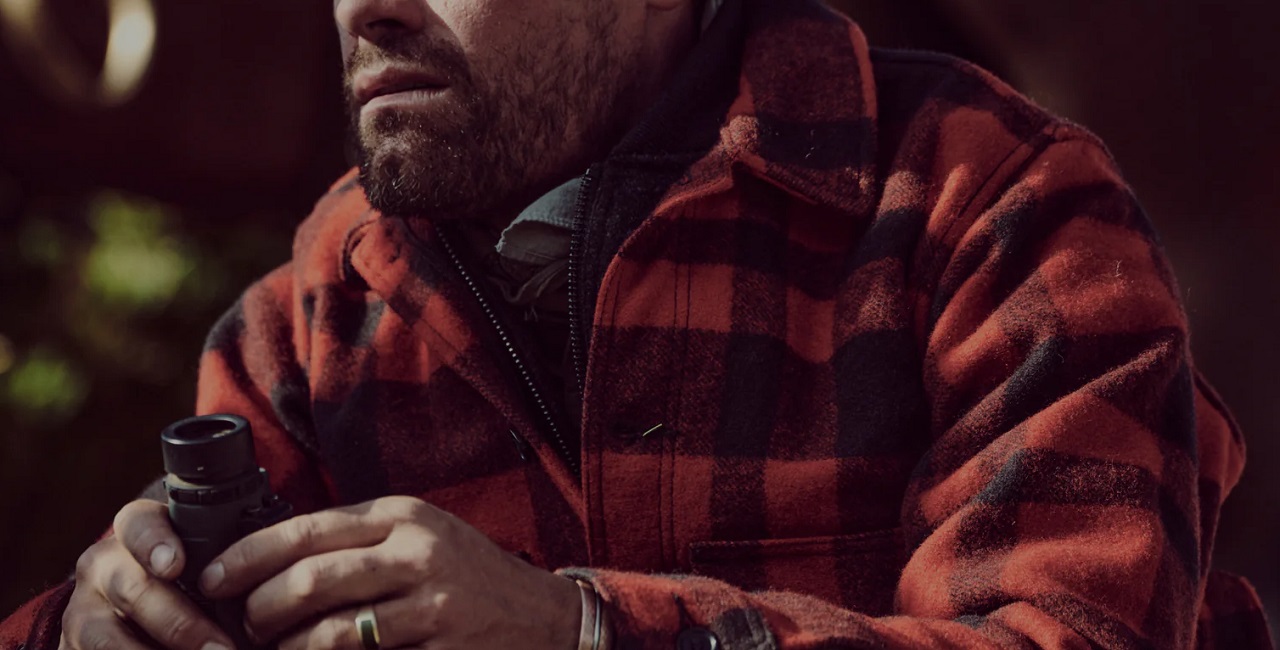
Yet, among the shivering throngs, a subset of prospectors remains noticeably composed. Their gear, sourced from a modest shop in Seattle, holds firm against the sub-zero onslaught. Their Mackinaw Wool coats, heavy and dense, act as an iron shell against the elements. These men are wearing Filson, the product of a man who understood that in the high latitudes, quality is not a luxury—it is the difference between life and death.
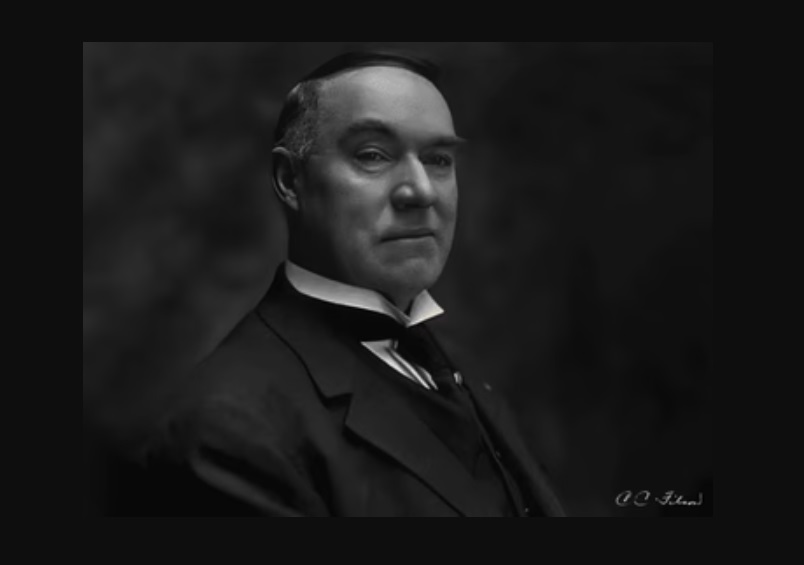
The Architect of Trust: Clinton C. Filson
Clinton C. Filson was never a prospector, a trapper, or a mountaineer. Born in 1850, his background was rooted in the pragmatic worlds of the Nebraska frontier and the mechanical rhythm of the Chicago, Milwaukee, St. Paul and Pacific Railroad. He was a systems thinker, a man of logistics and supply.
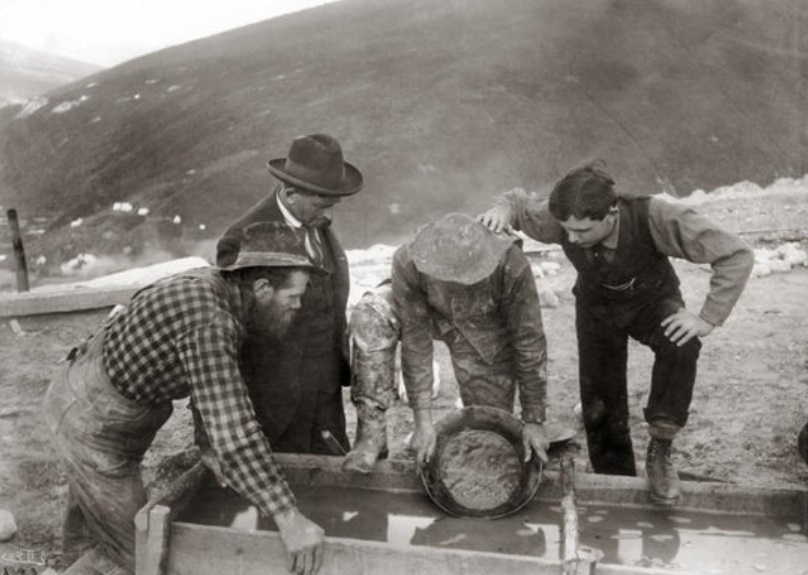
Arriving in the Pacific Northwest in the early 1890s, Filson initially sought his fortune in Kirkland, Washington, a town with grand ambitions of becoming the "Pittsburgh of the West." When those industrial dreams collapsed, Filson pivoted to Seattle, opening the Seattle Woolen House at 903 First Avenue.
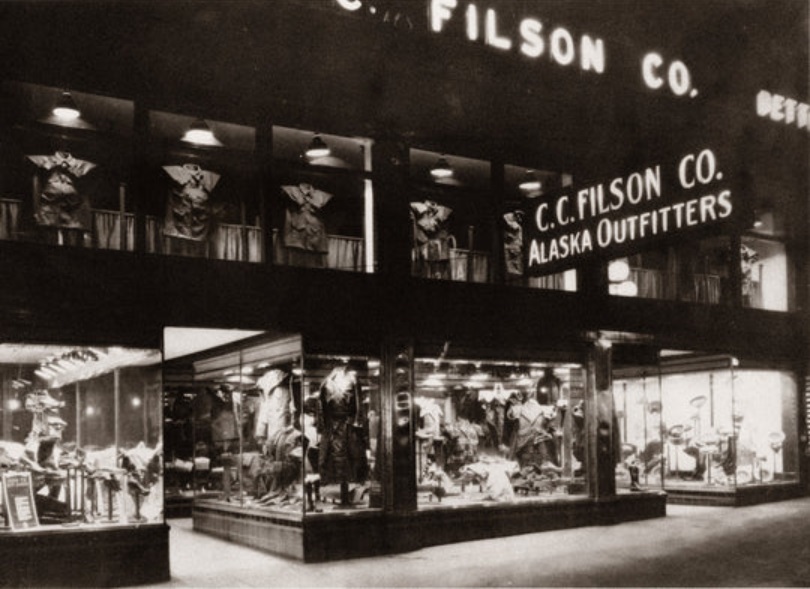
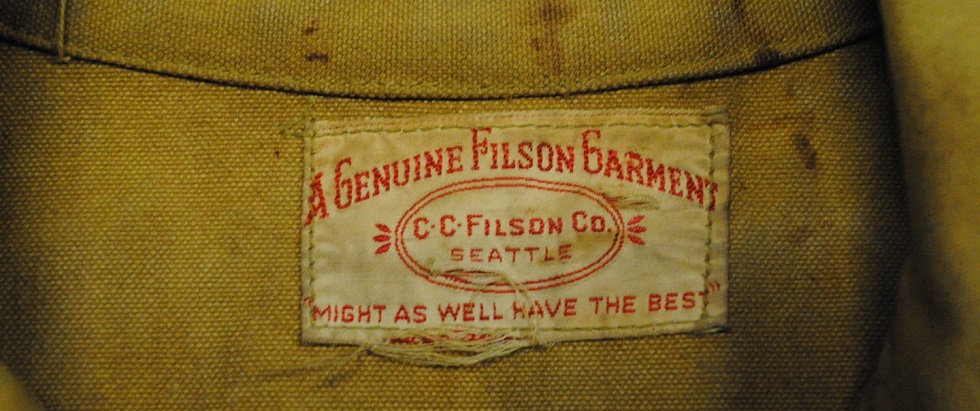
His genius lay in his ears. He listened to the men heading north, identifying their specific, lethal requirements. In 1897, as Seattle transformed into the "Gateway to Alaska," Filson founded C.C. Filson’s Pioneer Alaska Clothing and Blanket Manufacturers. He didn’t just sell goods; he entered into a covenant of honesty. His catalogue became a lifeline, and his promise—"unfailing goods"—was backed by a unique business model. Prospectors could write a letter, describe their needs, and have an outfit assembled and shipped sight-unseen. As one contemporary put it, "Just write and tell Filson what you want and pay his bill when the goods come. He trusts you and you can bank on him."
A Chronology of Resilience and Transition
The history of Filson is a study of the American manufacturing arc, defined by three distinct eras.
1897–1970: The Era of Integrity
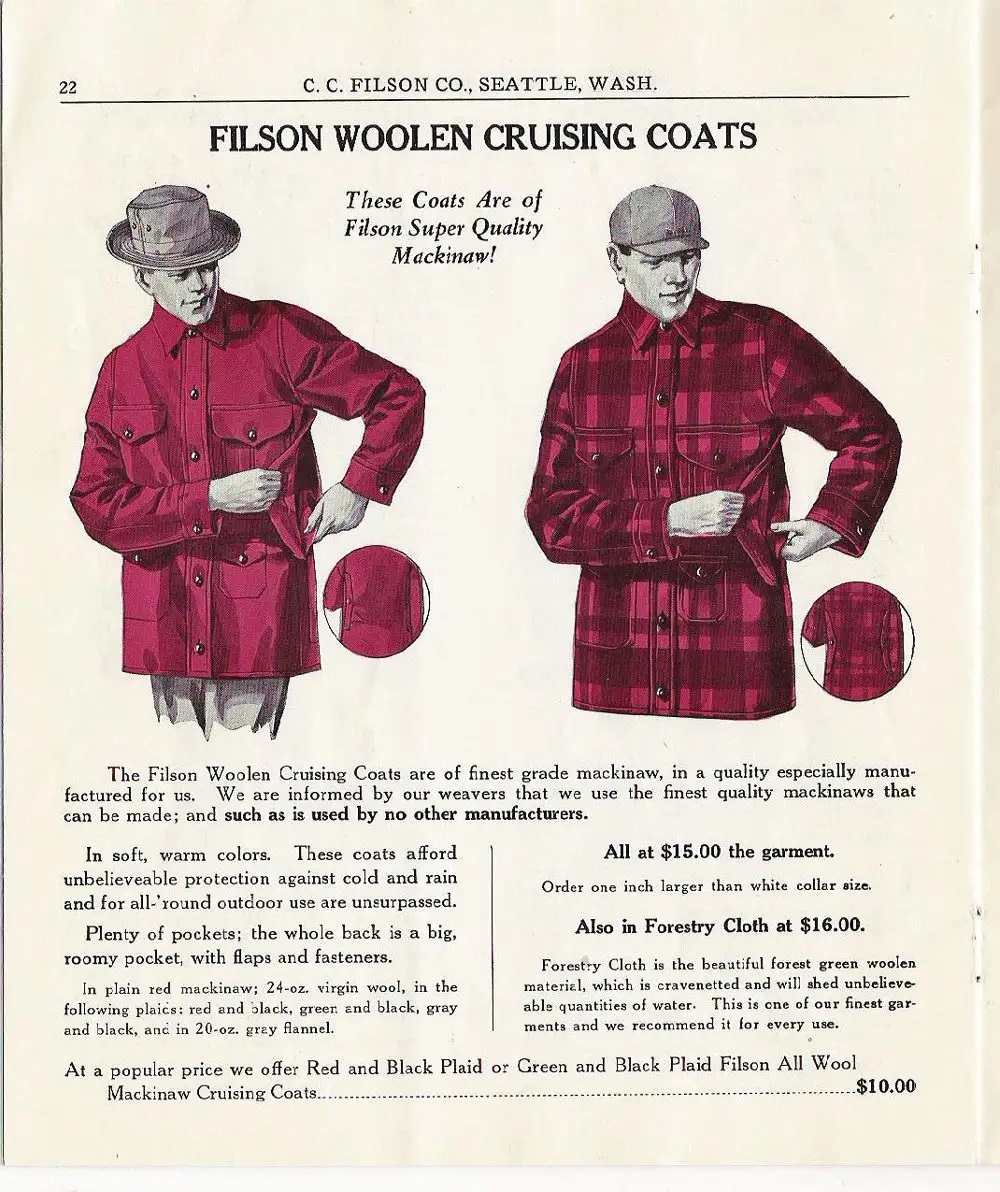
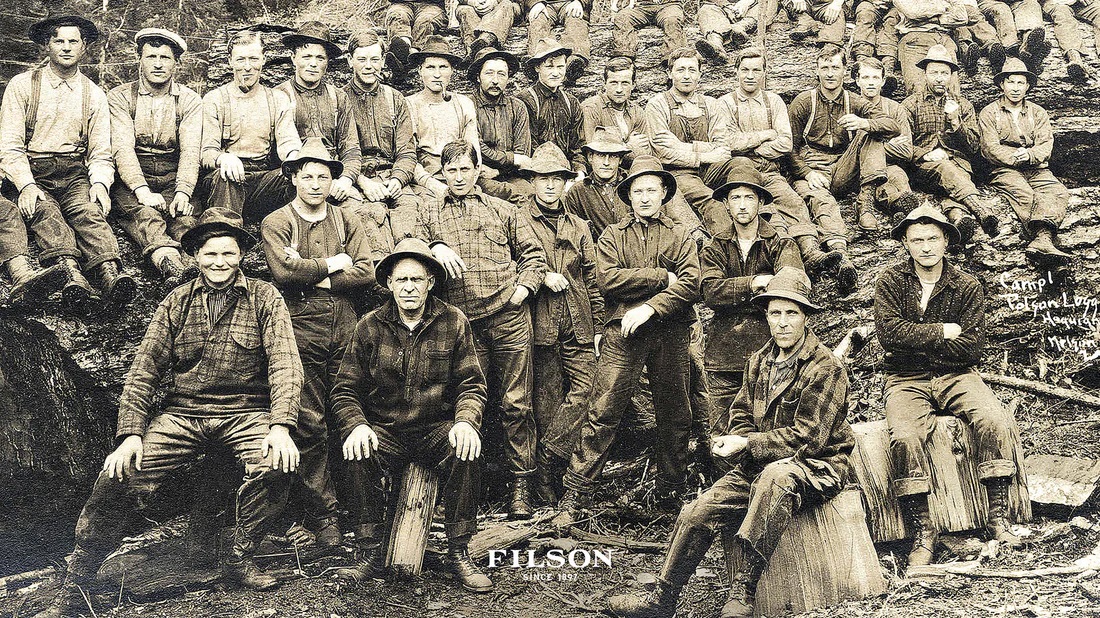
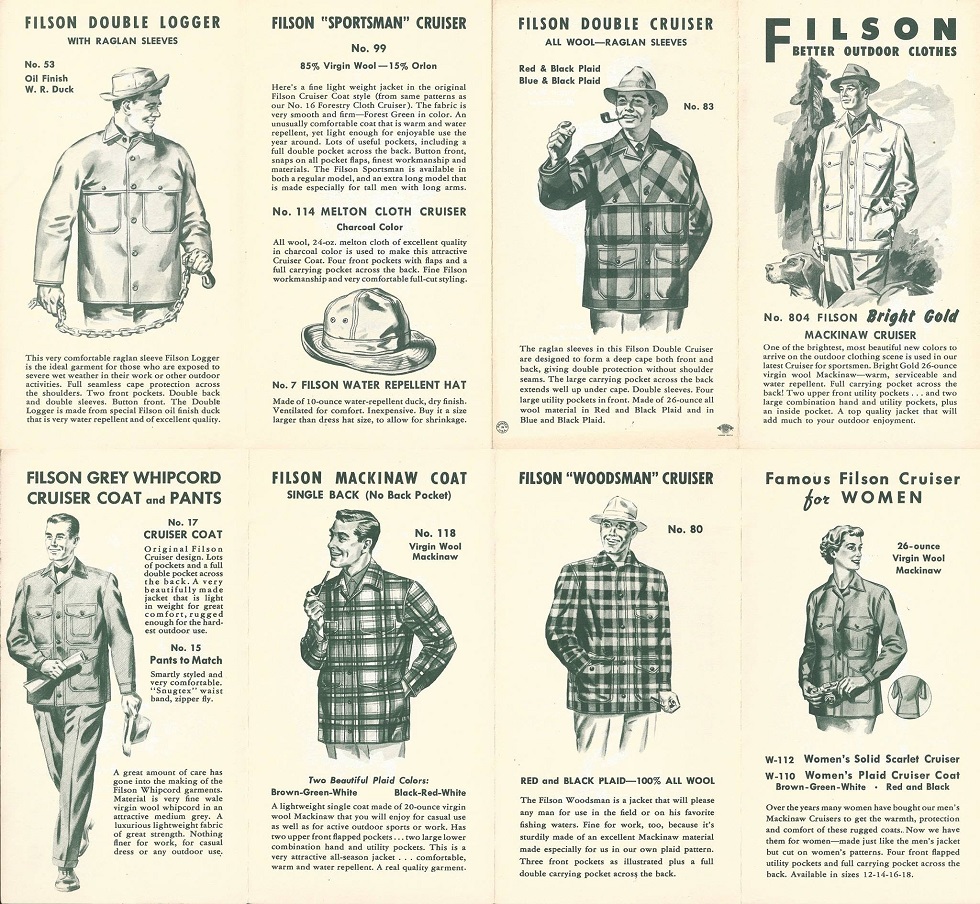
Following the Gold Rush, Filson did not dissolve. He shifted his focus to the permanent outdoor workforce of the Pacific Northwest: the loggers, fishermen, and hunters. This era solidified the "Holy Trinity" of Filson: 24–26 oz Mackinaw wool, wax-saturated Tin Cloth, and robust bridle leather. These were tools, not garments. Upon Clinton Filson’s death in 1919, his family stewarded the brand for half a century, maintaining a stubborn refusal to chase fashion or rapid expansion.
1981–2004: The Curator’s Comeback
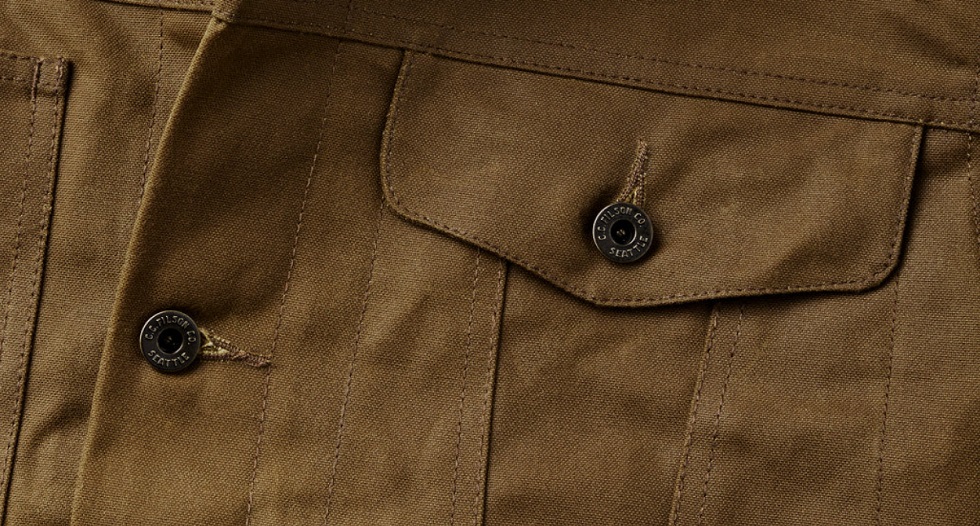
By the late 1970s, the brand had withered. It was saved in 1981 by skiwear entrepreneur Stan Kohls. Kohls acted less like a CEO and more like an archaeologist, digging through the archives to resurrect discontinued heritage designs. He enforced a strict ban on synthetics and Velcro, ensuring that the brand’s original, uncompromising specifications remained the gold standard.
2005–Present: The Corporate Pivot
The modern era began with the acquisition by Brentwood Associates in 2005. Since then, Filson has undergone a radical transformation. Under the subsequent ownership of Bedrock Manufacturing (led by Tom Kartsotis), the company expanded its footprint to 15 retail stores across the U.S., Canada, and Italy. This period has seen a significant shift toward lifestyle products—candles, dog accessories, and casual wear—and a marked decline in domestic production.
Supporting Data: The Shifting Geography of Production
The transition from a domestic workshop to a globalized brand is reflected in the stark decline of Filson’s American-made output.
- Manufacturing Workforce: In the early 2010s, Filson employed nearly 370 people in the Seattle and Kent areas. As of 2025, that number has dropped to under 100.
- Domestic vs. Offshore: A decade ago, roughly 90% of the Filson line was manufactured in the United States. Today, US-made products account for approximately 35% of the total offering.
- The SODO Facility: While the company invested heavily in a new SODO district production facility in 2013, the subsequent years saw a gradual erosion of this capacity. Plans announced in 2023 to outsource two-thirds of the remaining Seattle production to a contractor near Los Angeles marked a definitive turning point.
Corporate Philosophy and Official Stance
The tension between commerce and craft is one Filson has navigated through a bifurcated branding strategy. While the company has aggressively pursued a "lifestyle" market, it maintains a transparent, if quiet, distinction in its product labelling.
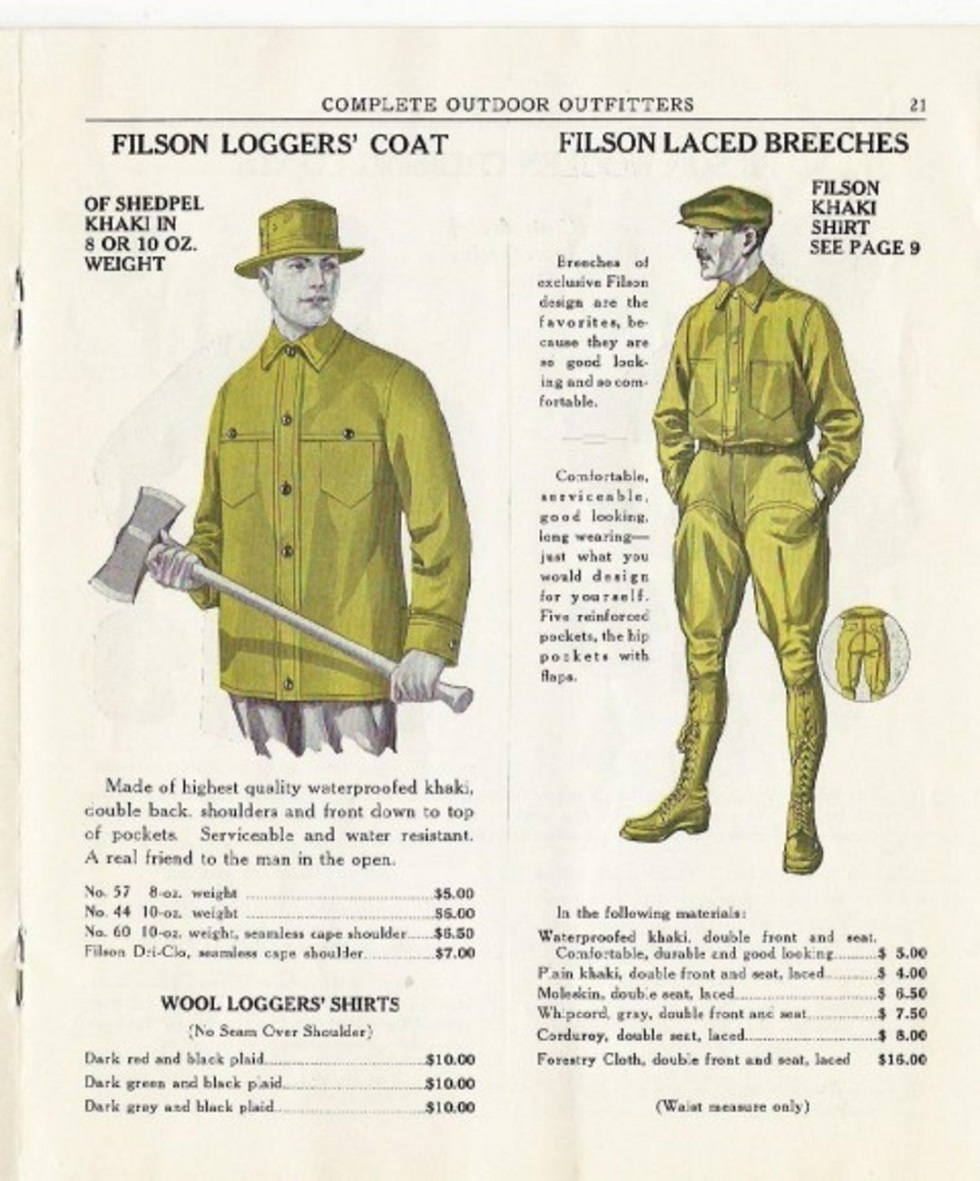
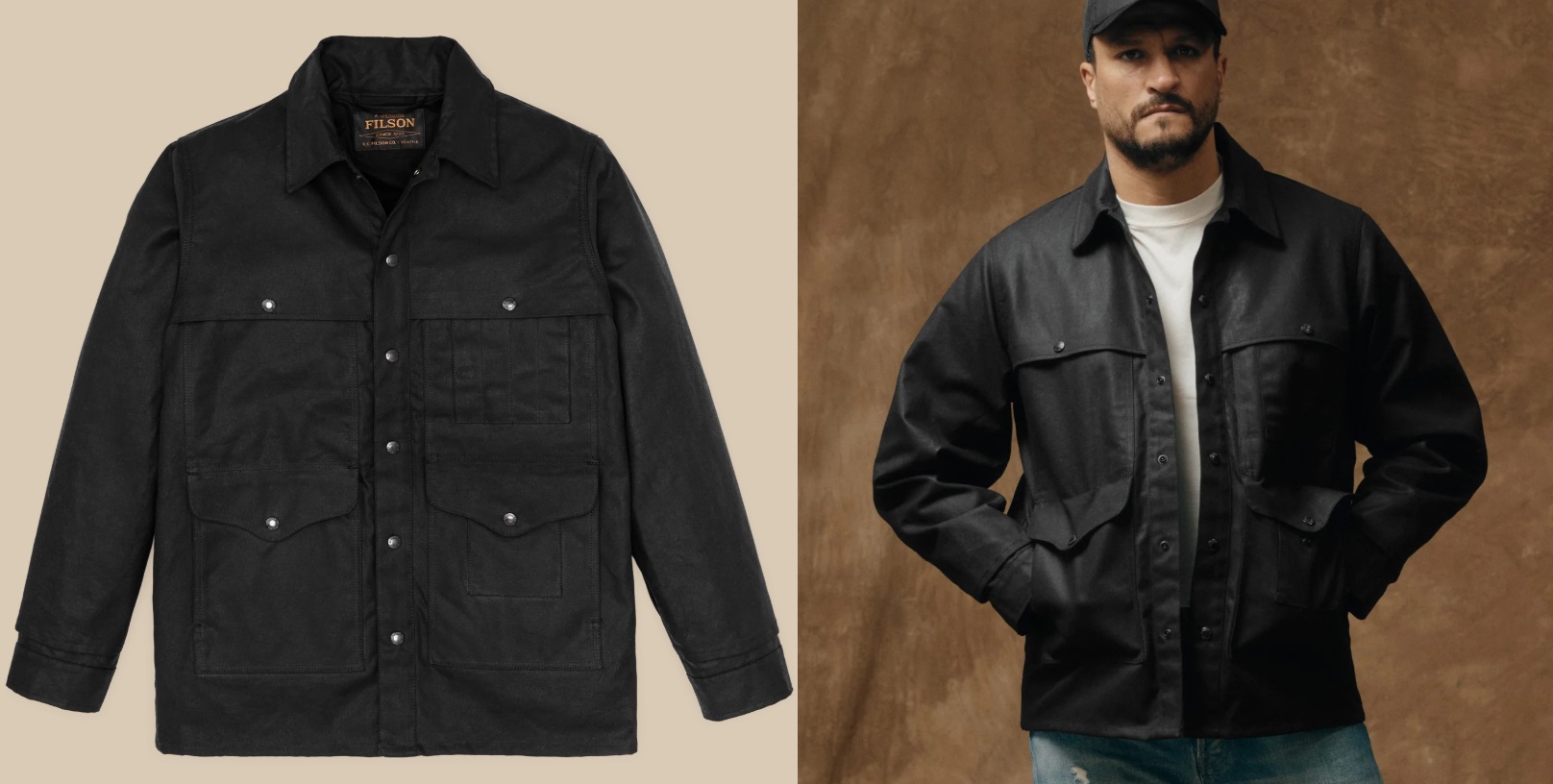
The brand explicitly labels its heritage items—the Mackinaw Cruiser and Tin Cloth jackets—with the mark: "Made at Filson, Seattle. Trusted quality for more than 50 years." This is a deliberate effort to shield the core identity of the brand from the dilution caused by its expanded, imported product range.
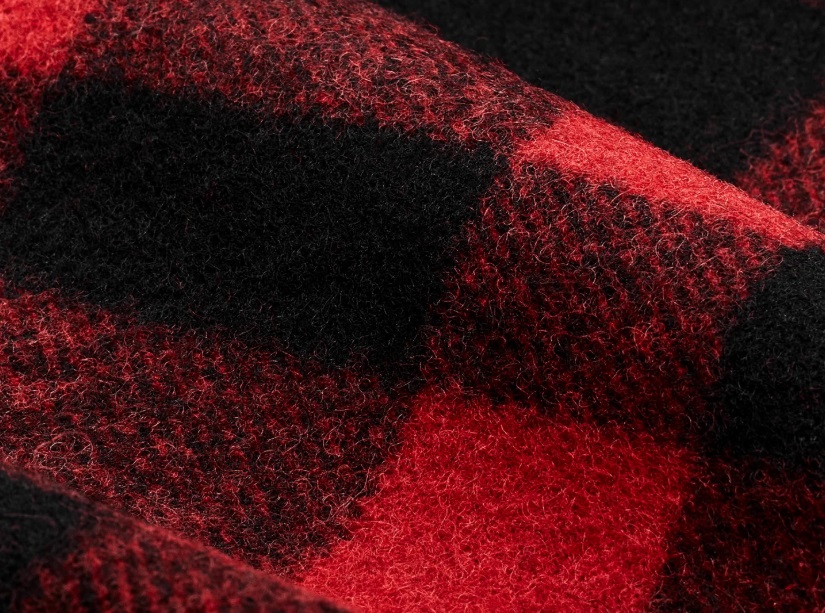
Industry analysts note that this is a classic survival strategy for heritage brands like Barbour or Woolrich. The "corporate era" necessitates growth that the original, small-batch manufacturing model cannot support. By maintaining a high-end, domestic-made "core" while diversifying the rest of the catalogue, the company attempts to satisfy the demands of private equity shareholders without alienating the "cult" following that sustains its prestige.
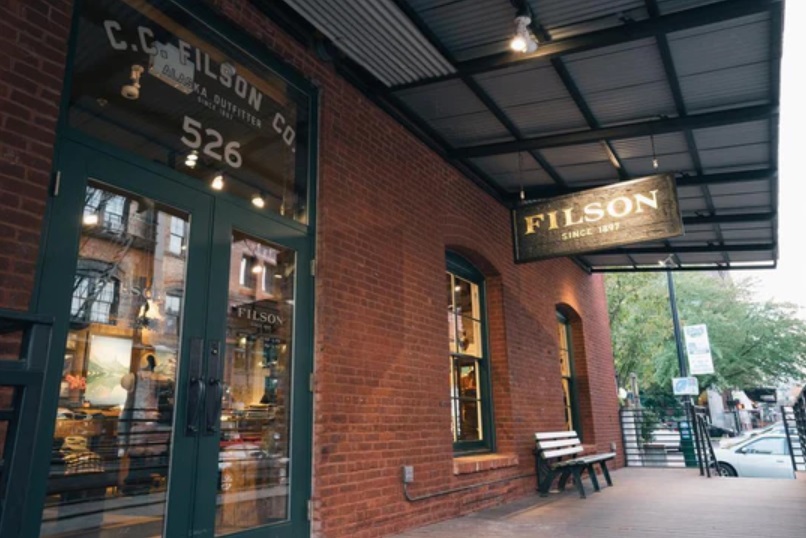
The Implications: Is the Spirit Still There?
The core question facing Filson today is whether a brand can survive the transition from a "tool manufacturer" to a "lifestyle brand" without losing its soul.

The Argument for Decay
Critics argue that the move toward overseas production, combined with the expansion into jewelry and home goods, represents a betrayal of the "unfailing goods" promise. When a brand begins to prioritize quarterly growth and global retail footprints over the specialized needs of the woodsman, the inherent value proposition of the product is diluted. The "Filson" name, once a synonym for survival, now increasingly serves as a brand mark for a luxury aesthetic.
The Argument for Continuity
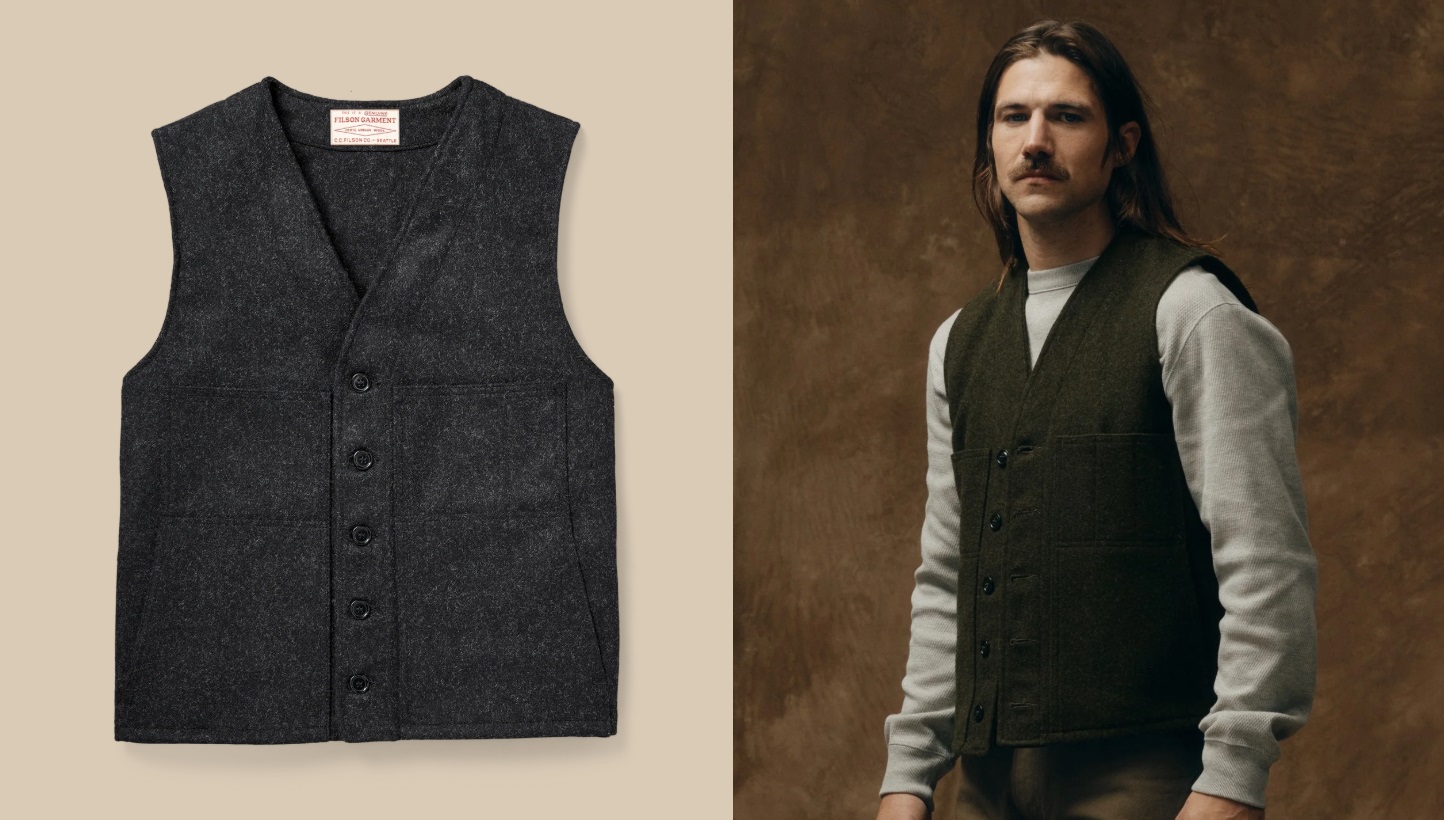
Conversely, proponents point to the fact that the heritage core remains untouched. The Mackinaw Wool Vest is still 24-oz virgin wool. The repair team in Seattle still accepts decades-old garments, performing the same darning and snapping repairs that have been a cornerstone of the brand for over a century. For many, the lifetime guarantee remains a testament to the fact that the company still honors the original covenant: if the product fails, they will make it right.

Conclusion: The Endurance of the Promise
Brands, like the garments they produce, are subject to wear, tear, and the necessity of being "patched and re-stitched." The current iteration of Filson is undeniably different from the one that serviced the Klondike Gold Rush. However, the survival of the Seattle manufacturing facility and the brand’s ongoing commitment to its repair services suggest that the "spirit" of C.C. Filson has not been fully extinguished by the corporate boardroom.
The danger for Filson, and indeed for all American heritage brands, is not that they evolve—it is that they become indistinguishable from the "disposable" market they once stood against. So long as the Mackinaw Cruiser continues to emerge from that building on First Avenue South, and so long as the company treats its heritage as a responsibility rather than just an asset, the Filson legacy will endure.
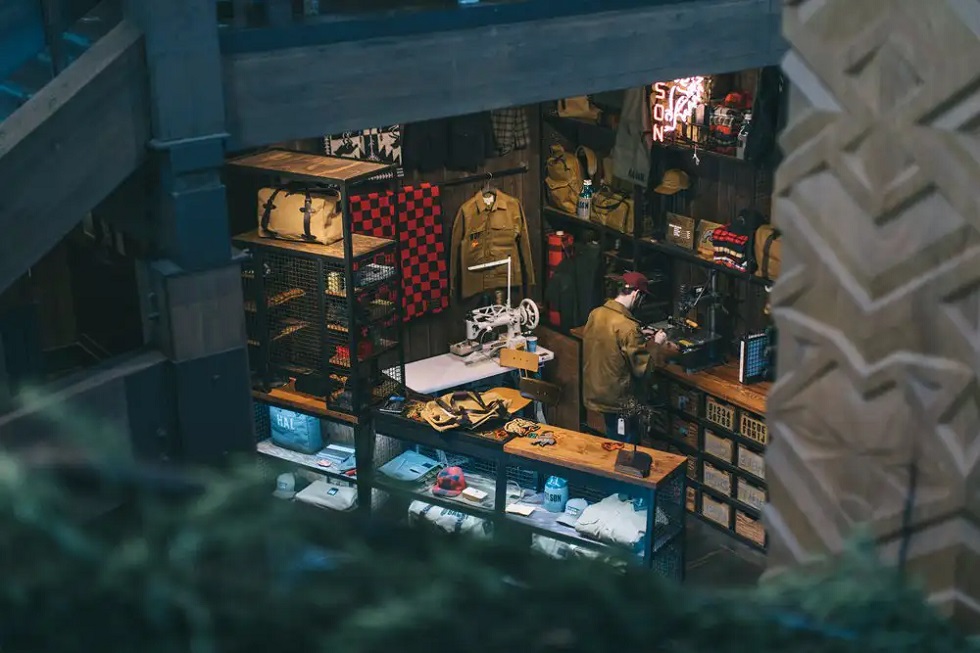
The customer, however, must be more vigilant than ever. In the modern catalogue, the distinction between a "tool" and a "lifestyle item" is no longer just in the price tag—it is in the small print of the label. As it was in 1898, the quality of one’s gear remains a matter of discernment.
 Asep Darmawan
  Layla Zulfa
  Iffa Jayyana