CORDOVA, ALASKA — Nestled on the eastern edge of Alaska’s Prince William Sound, the remote coastal town of Cordova is witnessing a quiet but profound transformation. Long celebrated as a cornerstone of Alaska’s commercial wild salmon industry, this isolated community—inaccessible by road and bordered by dramatic mountains rising straight from the icy sea—is becoming the epicenter of an emerging, regenerative mariculture movement.
As climate change, shifting ocean temperatures, and collapsing fish stocks disrupt traditional wild fisheries across the Pacific Northwest, a small cohort of forward-thinking seaweed and shellfish farmers is stepping into the breach. Operating in the cold, nutrient-rich waters just off Cordova’s shores, these pioneers are proving that conservation and economic viability can coexist through the cultivation of kelp and oysters.
Main Facts: The Shift From Wild Harvests to Regenerative Mariculture
For generations, the economic lifeblood of Cordova has been the wild salmon running through the Copper River Delta. However, the volatility of wild salmon runs in recent years has forced the community to look toward diversification. Mariculture—the cultivation of marine organisms in their natural habitats—presents a highly viable ecological and economic alternative.
Unlike traditional finfish farming, which often draws environmental criticism, the cultivation of kelp and shellfish is entirely restorative. Local enterprises such as Royal Ocean Kelp Co., Noble Ocean Farms, and the Simpson Bay Oyster Company are leading this transition.
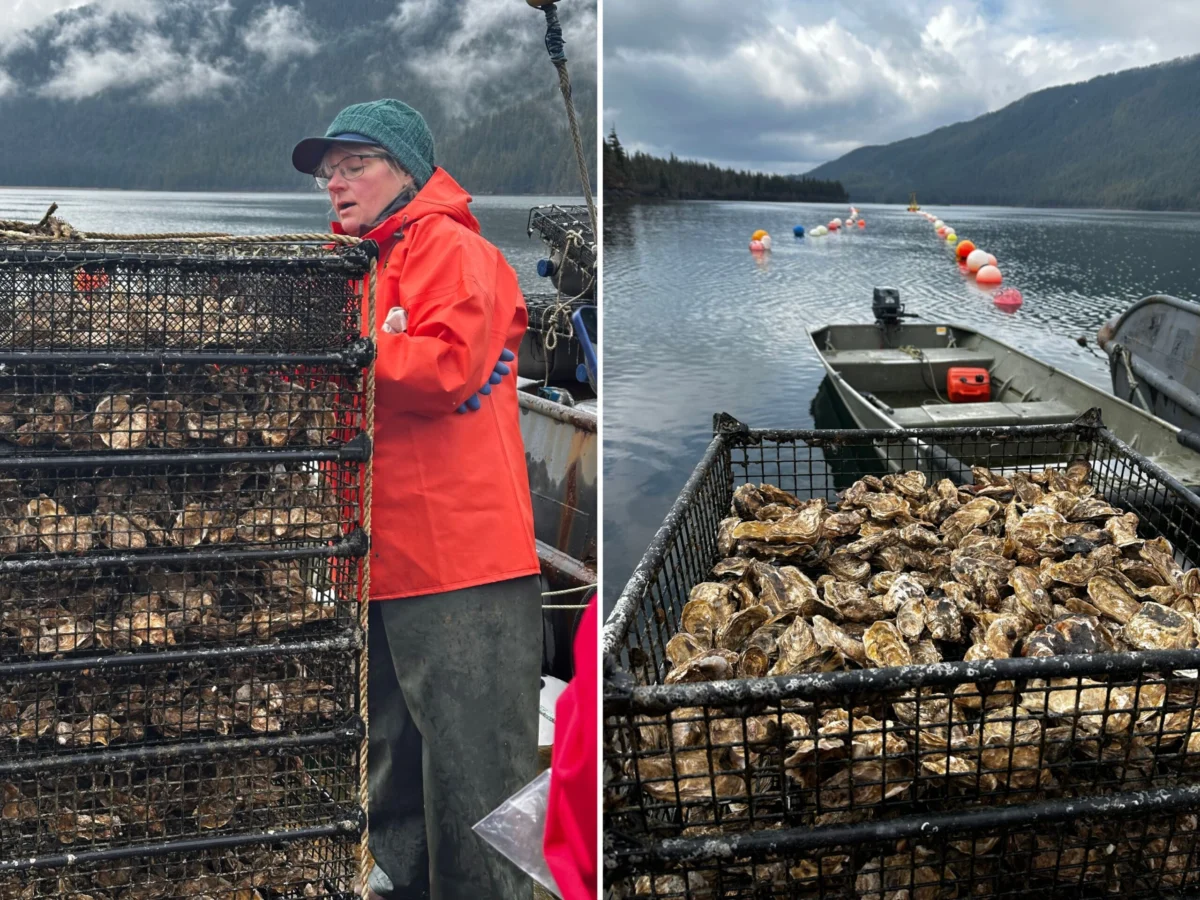
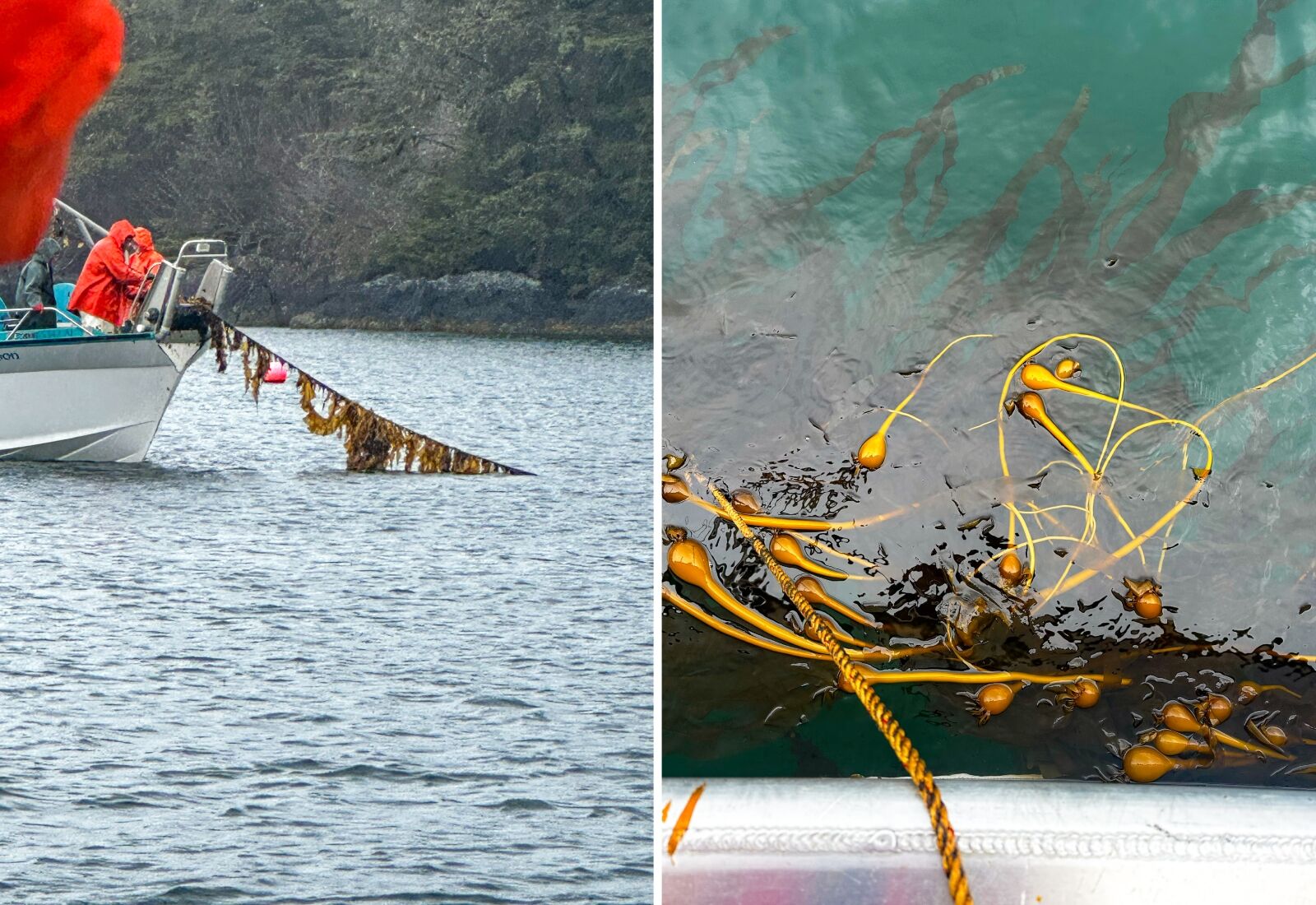
These localized operations utilize suspended longline systems to grow native kelp species and suspended tray systems for Pacific oysters. By cultivating crops that require no freshwater, land, or chemical fertilizers, Cordova’s growers are establishing a zero-input food production model that actively improves the surrounding marine ecosystem.
Chronology: The Evolution of Cordova’s Aquacultural Landscape
The establishment of Cordova’s mariculture sector did not happen overnight. It is the result of years of trial, error, regulatory navigation, and community integration.
       [2019] -------------------> [2020] -------------------> [2021-2025] -----------------> [May 2026]
Simpson Bay Oyster Co.       Noble Ocean Farms            Trial & Error Period           Maturation & Integration
  founded by Seawan            established by             Permit modifications,           Record spring harvests;
   Gehlbach; first              Sean & Skye             navigating glacial runoff,        local products power
  oyster lines hung.             Den Adel.               and testing seed lines.          breweries & restaurants.
2019: Laying the Foundations
The modern wave of Cordova aquaculture took root in 2019 when Seawan Gehlbach, a former biologist with the Alaska Department of Fish and Game, established the Simpson Bay Oyster Company. Seeking a way to remain working on the water while transitioning away from government research, Gehlbach leased a site in Simpson Bay, hanging her first oyster trays in the cold, pristine waters.
2020: The Kelp Pioneers Enter the Water
Recognizing the massive environmental potential of seaweed cultivation, Sean and Skye Den Adel founded Noble Ocean Farms in 2020. Simultaneously, veteran commercial salmon fisher Thea Thomas partnered with Cale Hershcleb to launch Royal Ocean Kelp Co. Both groups sought to diversify their income streams as the wild salmon seasons grew increasingly unpredictable.
2021–2025: A Period of Hard-Won Lessons
The early years of Cordova’s kelp industry were defined by steep learning curves. The Den Adels initially secured a farming permit for a site that proved highly unsuitable. Freshwater runoff from a nearby glacial valley diluted the salinity of the water, stunt-growing their kelp, while the bay itself froze solid during the winter, preventing access to the farm.
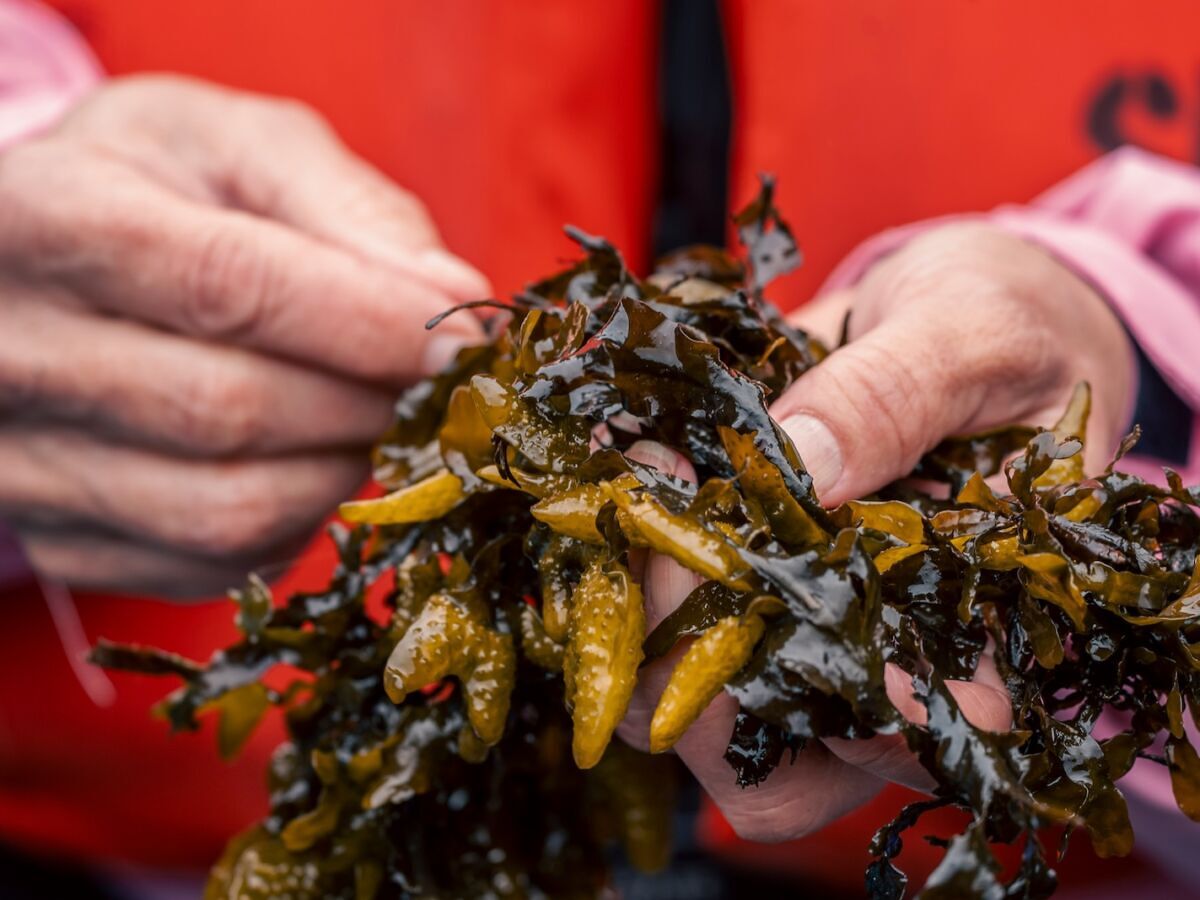
To survive, Noble Ocean Farms had to undergo a lengthy state permit amendment process to relocate their entire operation, effectively costing them a full growing season. Meanwhile, Royal Ocean Kelp Co. spent these years dialing in the logistics of longline seeding, learning to balance the temperamental growth patterns of ribbon kelp against the more resilient sugar kelp.
May 2026: The Harvest and Commercial Maturation
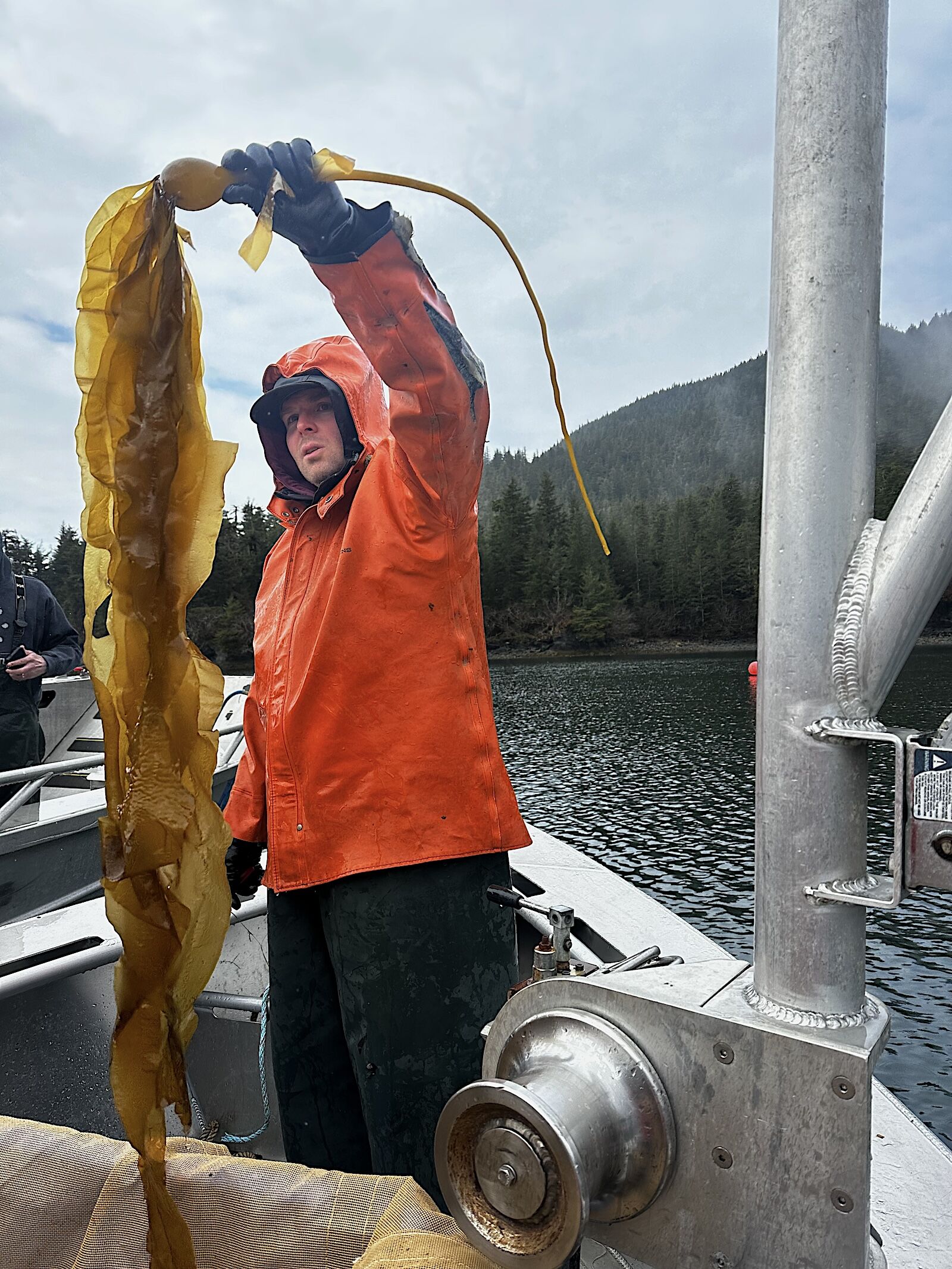
By the spring harvest of May 2026, the industry had reached a state of operational maturity. Despite an unseasonably cold spring that forced farmers like Thea Thomas to work in seven layers of clothing aboard her harvesting vessel, the FV Myrmidon, local kelp yields reached record heights. Thomas successfully harvested approximately 3,000 pounds of high-quality sugar and ribbon kelp over a single five-to-six-day window.
Today, these operations are fully integrated into the local economy, supplying restaurants, breweries, and community food programs.
Supporting Data: The Science and Economics of Regenerative Seaweed
The enthusiasm surrounding Cordova’s mariculture industry is backed by robust ecological and economic data. Kelp and shellfish are increasingly recognized by marine scientists as vital tools for mitigating the localized impacts of global climate change.
Environmental Metrics
Kelp is one of the fastest-growing organisms on the planet, capable of growing up to 18 inches a day under optimal conditions. During this rapid growth phase, it performs critical ecosystem services:
Carbon Sequestration: Kelp absorbs dissolved carbon dioxide from the water column, helping to lower local acidity levels. This is particularly beneficial for shell-building organisms like oysters.
Nitrogen Mitigation: Excess nitrogen from agricultural runoff and human activity can lead to harmful algal blooms. Kelp acts as a natural filter, absorbing excess nitrogen and phosphorus.
Habitat Creation: Suspended kelp farms act as artificial reefs, providing shelter, spawning grounds, and nursery habitats for native fish species, including wild salmon smolt and Pacific herring, during critical stages of their life cycles.
Economic Potential of Alaska Mariculture
According to the Alaska Mariculture Task Force, the state has set a long-term goal to grow its mariculture industry into a $100 million annual sector over the next two decades.
With over 30,000 miles of coastline—more than the rest of the United States combined—Alaska is uniquely positioned to dominate the domestic seaweed market. For remote towns like Cordova, where the cost of living is high and employment opportunities are limited, mariculture provides stable, counter-seasonal employment. While salmon fishing dominates the summer months, kelp farming occurs primarily in the winter and spring, offering year-round economic security for maritime workers.
Official Responses: Perspectives From the Front Lines
The growth of Cordova’s mariculture sector has drawn praise from conservationists, local business owners, and indigenous leaders alike, though operators emphasize that the work remains physically and logistically demanding.
The Farmers’ Perspective
For Thea Thomas of Royal Ocean Kelp Co., kelp is not just a crop, but an economic lifeline for coastal residents:
"It’s a struggle, life here, and the largest benefit of kelp is the diversification. It can’t support you completely, but it can play a part—create jobs, local incomes, benefit the economy. Developing new buyers and new products keeps the work interesting."
Sean Den Adel of Noble Ocean Farms echoes this sentiment, emphasizing the restorative nature of the business:
"Kelp farming is a regenerative, zero-input crop that doesn’t require any freshwater, land space, or use of fertilizers. Growing a sustainable food source and supporting marine biodiversity, what’s not to love about that?"
Community and Indigenous Integration
The impact of these farms extends far beyond commercial sales. Noble Ocean Farms has partnered with the Native Village of Eyak’s food distribution program. Through this collaboration, harvested kelp is integrated into traditional food programs, ensuring that local Indigenous communities have reliable access to nutrient-dense, culturally relevant, and locally harvested marine foods.
In the retail space, Seawan Gehlbach of Simpson Bay Oyster Company has focused on building trust with Cordova’s traditional fishing fleet.
"I’m new to aquaculture, so there’s been a lot to learn," Gehlbach noted.
Her commitment has won over some of the town’s most demanding critics. Local commercial fishermen, initially skeptical of aquaculture, have become her most loyal customers. One prominent local smoker of Copper River salmon has even become a regular at Gehlbach’s pop-up markets, frequently trading his prized smoked king salmon for her fresh-harvested oysters.
Implications: The Future of Coastal Tourism, Cuisine, and Conservation
The rise of mariculture in Prince William Sound is sending ripples far beyond the docks of Cordova, influencing the state’s culinary landscape, sustainable tourism offerings, and environmental policy.
Culinary Innovation: From Sea to Table
Historically, kelp was primarily processed into agricultural fertilizers or exported as a raw commodity. Today, Cordova’s growers are keeping their harvests local, sparking a culinary renaissance.
Value-Added Seafood Products: Royal Ocean Kelp’s partner, Cale Hershcleb, has begun processing dried, smoked kelp into small-batch furikake—a Japanese seasoning blend that has become a highly sought-after local delicacy.
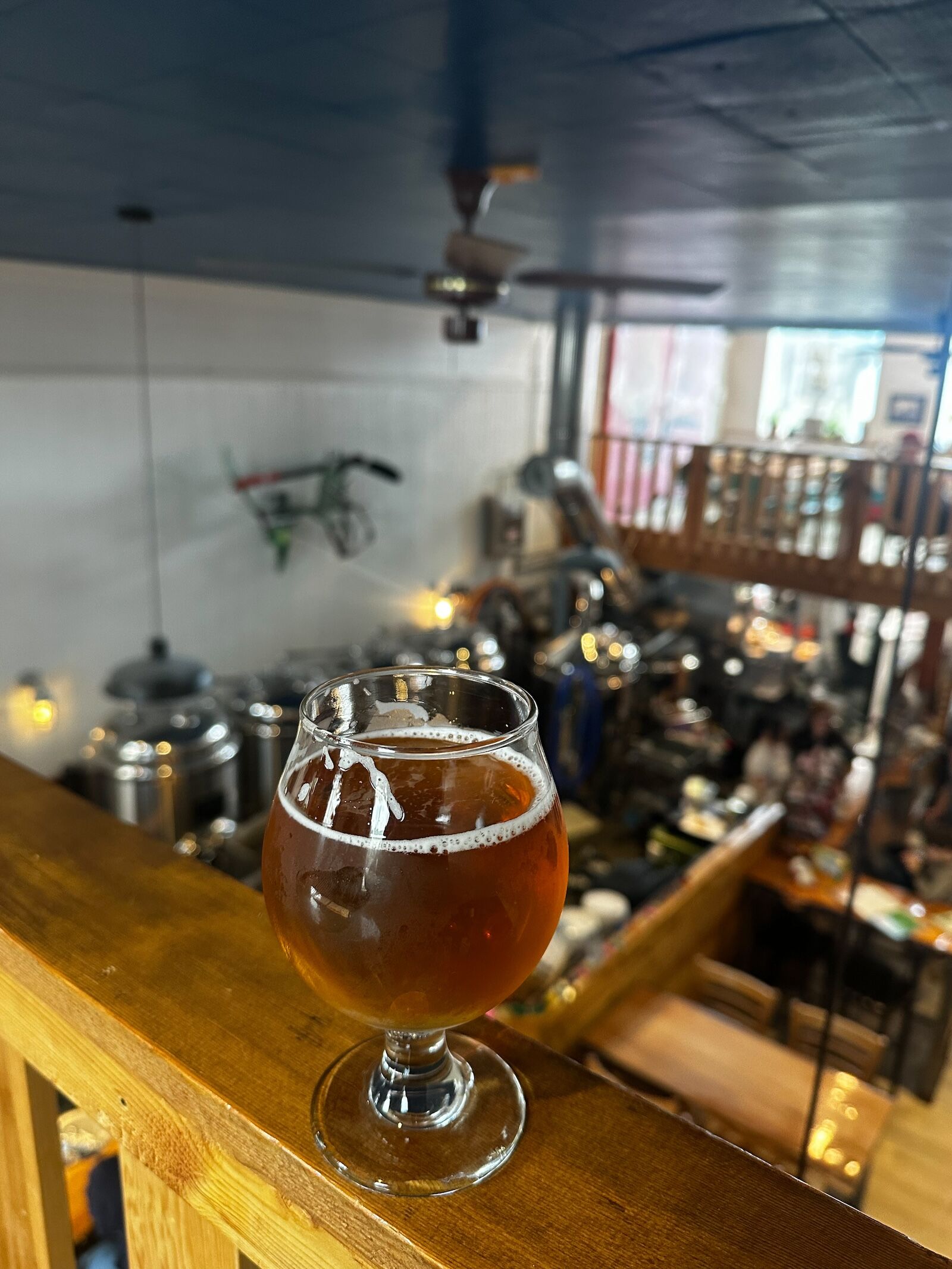
Collaborative Craft Brewing:Copper River Brewing utilizes kelp from Noble Ocean Farms to brew its popular Sour Sea Witch beer, infusing the beverage with a subtle, mineral-rich ocean salinity.
Local Gastronomy: Downtown eateries like Baja Taco have featured bull kelp in fresh salsas, while the historic Reluctant Fisherman Inn regularly incorporates locally grown oysters and seaweed into its seasonal menus.
                  +-----------------------------------+
                  |   CORDOVA'S LOCAL KELP PIPELINE   |
                  +-----------------+-----------------+
                                    |
            +-----------------------+-----------------------+
            |                                               |
            v                                               v
+-----------------------+                       +-----------------------+
|  COPPER RIVER BREWERY |                       |      BAJA TACO        |
|  Utilizes bull kelp   |                       |  Features bull kelp   |
|  for its "Sour Sea    |                       |  directly in house-   |
|  Witch" craft beer.   |                       |  made fresh salsas.   |
+-----------------------+                       +-----------------------+
Sustainable Tourism and the "Oyster Trail"
As travelers increasingly seek out authentic, eco-conscious experiences, Cordova’s mariculture farms are drawing a new demographic of culinary tourists.
The Alaska Shellfish Growers Association has capitalized on this interest with the launch of the Alaska Oyster Voyage, an initiative designed to map oyster farms and tasting opportunities across the state’s coastal waters. For travelers visiting Cordova, charter operators now offer specialized boat tours and sea kayaking excursions through the calm inlets of Simpson Bay, allowing visitors to view active kelp lines and oyster arrays up close.
A Model for Climate Resilience
Ultimately, the success of Cordova’s mariculture pioneers offers a blueprint for other coastal communities worldwide. As warming oceans continue to threaten traditional wild fisheries, the transition toward regenerative ocean farming represents a viable path forward. By cultivating crops that actively heal the ocean while generating local wealth, the farmers of Prince William Sound are proving that the future of seafood lies not just in what we take from the sea, but in what we give back to it.


 Ammar Sabilarrohman
  Raul Delapena Setiawan
  Nila Kartika Wati