

The intersection of high-end hospitality and rigorous wildlife conservation has reached a new pinnacle with the opening of the JW Marriott Mount Kenya Rhino Reserve Safari Camp. Nestled within the legendary Solio Game Reserve, this 45,000-acre private sanctuary in Kenya’s Central Highlands now hosts one of the most ambitious luxury lodging projects on the continent. By combining the signature "mindfulness" ethos of the JW Marriott brand with the critical mission of protecting Africa’s most endangered megafauna, the property represents a significant shift in how the "Big Five" safari experience is delivered to the modern, conscious traveler.
Main Facts: A Sanctuary Within a Sanctuary
The JW Marriott Mount Kenya Rhino Reserve Safari Camp is not merely a hotel; it is a strategic partnership between a global hospitality giant and a private conservancy that has been at the forefront of rhino protection for decades. Located between the foothills of Mount Kenya and the peaks of the Aberdare Mountains, the camp offers an intimate gateway to an ecosystem teeming with biodiversity.
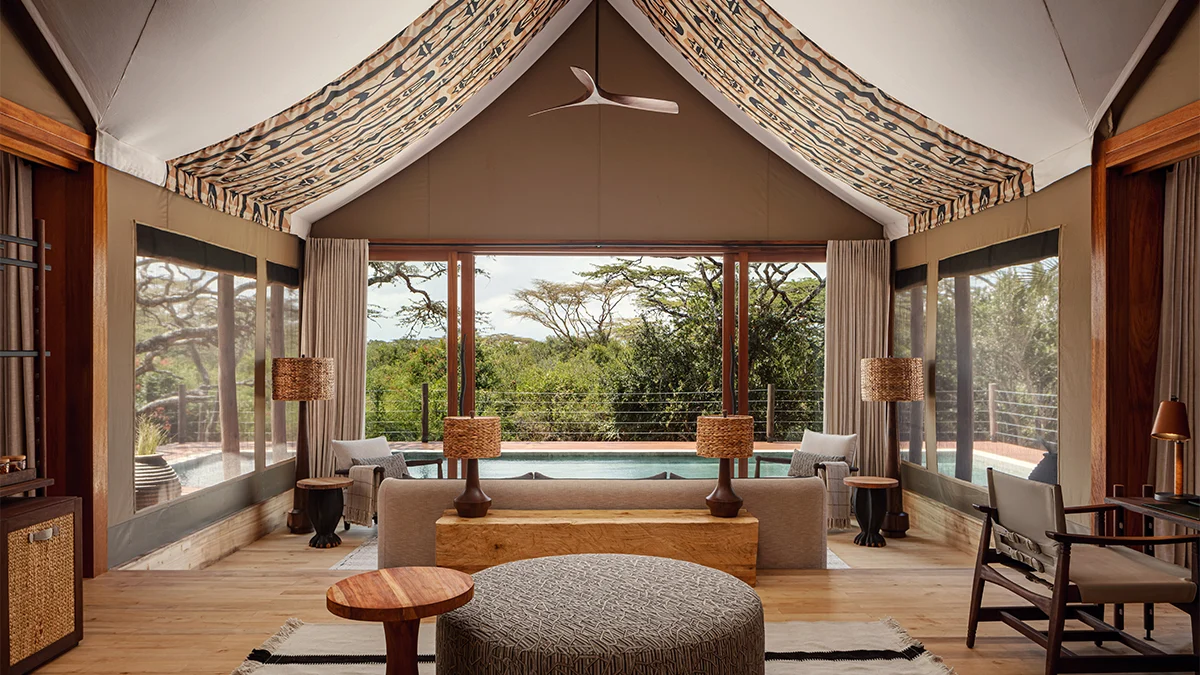
The property features 19 meticulously designed tented suites, including 18 one-bedroom units and a singular two-bedroom family suite. Each structure is designed to minimize its ecological footprint while maximizing the guest’s connection to the surrounding savanna. Prices for this immersive experience begin at $1,499 per person, per night, a rate that includes all-inclusive dining, professional-led game drives, and airstrip transfers.
The primary draw of the camp is its location. The Solio Game Reserve is internationally recognized as a pioneer in rhino conservation. It currently hosts one of the largest populations of both black and white rhinoceros in Africa. Unlike many public national parks where sightings can be sporadic, the controlled environment of this private conservancy allows for unparalleled proximity to these prehistoric giants, alongside a robust population of lions, leopards, buffalos, and over 300 species of birds.
Chronology: From Private Ranch to Global Destination
The opening of the JW Marriott Mount Kenya Rhino Reserve Safari Camp is the latest chapter in a story that began more than half a century ago.

- The 1960s – The Foundation of Solio: Originally a working cattle ranch, the Solio Reserve was transformed into a wildlife sanctuary by Courtland Parfet. In 1970, it became the first private rhino sanctuary in Kenya, at a time when poaching was decimating populations across East Africa.
- The 1980s and 90s – Population Recovery: Solio’s success became a blueprint for rhino conservation. As their numbers grew within the reserve’s fenced boundaries, Solio began supplying rhinos to other parks and conservancies across Kenya, effectively helping to restock the nation’s rhino population.
- 2023 – JW Marriott’s African Debut: The brand made its first foray into the luxury safari market with the opening of the JW Marriott Masai Mara Lodge. The success of this property signaled the brand’s commitment to the African continent and its unique "luxury-meets-nature" model.
- Present Day – The Launch of Mount Kenya Rhino Reserve: This week, the brand officially opened its doors in the Solio Reserve. This expansion signifies a strategic move to offer a "circuit" of luxury experiences within Kenya, allowing travelers to move from the plains of the Mara to the highlands of Mount Kenya under the same brand umbrella.
Supporting Data: Design, Wildlife, and Sustainability
The infrastructure of the camp reflects a deep investment in local craftsmanship and environmental sensitivity. The design was spearheaded by the renowned LW Design firm, which sought to harmonize the built environment with the high-altitude savanna.
Architectural Integration
The 19 tents are elevated on timber platforms, utilizing heavy-duty canvas and local stone to create a sense of permanence without disrupting the soil. The interiors are a masterclass in "Kenyan Chic," featuring:
- Local Artisanship: Glassware from Kitengela Glass, bronze sculptures from Safari Bronze, and textiles woven by local community cooperatives.
- Color Palette: The rooms utilize earthy greens, ochres, and warm wood tones to reflect the lichen-covered trees and volcanic soil of the region.
- Private Amenities: Every suite features a private veranda and a heated plunge pool, allowing guests to watch wildlife at nearby waterholes while maintaining total privacy.
Wildlife Density and Diversity
The Solio Game Reserve operates as a "fortress" for biodiversity. Data from the reserve indicates a high density of predators and herbivores:
- Rhinos: The reserve is one of the few places in the world where guests can see dozens of white rhinos grazing together in "crashes."
- Predators: The lion and leopard populations are thriving, supported by a healthy abundance of zebras, impalas, and waterbucks.
- Avifauna: The 300+ bird species include the Crowned Crane and various birds of prey that utilize the thermal currents of the nearby mountains.
Official Responses: A Mission-Driven Partnership
The leadership at Marriott International and the managers of the Solio Reserve have emphasized that the camp’s primary goal extends beyond luxury.
In a statement regarding the launch, representatives for JW Marriott highlighted the brand’s "Whole You" philosophy. "We believe that true luxury is found in the connection between the guest and the natural world," the brand stated. "By bringing the JW Marriott experience to the Solio Reserve, we are providing a platform for our guests to participate in the vital work of conservation while finding their own sense of personal peace."

Crucially, the camp works in tandem with the Solio Rhino Orphanage. Guests are encouraged to visit the facility to see how orphaned rhino calves—often victims of poaching or natural abandonment—are rehabilitated. The camp’s management noted that a portion of the revenue and guest engagement is directed toward the security teams and veterinary services required to maintain the reserve’s "zero-poaching" goals.
Furthermore, the culinary program, led by the signature restaurant Mavuno, is an official nod to the "Farm-to-Table" movement. The on-site organic garden provides the majority of the herbs and vegetables used in the kitchen, reducing the carbon footprint associated with transporting supplies to the remote highland location.
Implications: The Future of the Safari Industry
The opening of this property has several long-term implications for the Kenyan tourism sector and the global luxury travel market.
1. The "Branding" of the Safari
For decades, the safari industry was dominated by boutique, independent operators. The entry of Marriott (and other global players like Ritz-Carlton or Four Seasons) suggests a shift toward "branded" safaris. For the high-net-worth traveler, the JW Marriott name provides a guarantee of service standards, safety, and loyalty program integration (Marriott Bonvoy) that independent lodges may struggle to match.
2. Diversification of the Kenyan Circuit
Traditionally, Kenyan tourism has been heavily concentrated in the Masai Mara and Amboseli. By investing in the Mount Kenya region, JW Marriott is helping to decentralize tourism, bringing economic benefits to the Central Highlands and reducing the "over-tourism" pressure on the Mara. This encourages travelers to stay longer in the country, exploring different altitudes and ecosystems.

3. Conservation as a Luxury Amenity
The modern traveler increasingly seeks "purpose-driven" travel. The JW Marriott Mount Kenya Rhino Reserve Safari Camp positions conservation not as a side-project, but as the core "amenity." When guests pay $1,500 a night, they are increasingly paying for the exclusivity of contributing to the survival of a species. This model of "High-Value, Low-Impact" tourism is seen by many environmentalists as the only sustainable way to fund the massive costs of private anti-poaching units.
4. Technological Integration in the Wild
The partnership with Canon to provide professional-grade photography equipment and expert guidance at the camp points to a new trend in "experiential luxury." Travelers no longer just want to see the animals; they want the tools and training to document them like professionals. This integration of high-end technology into the wilderness experience is likely to become a standard at top-tier lodges globally.
Conclusion
The JW Marriott Mount Kenya Rhino Reserve Safari Camp is more than a luxury retreat; it is a sophisticated experiment in sustainable development. By marrying the comforts of a five-star resort with the rugged realities of rhino conservation, it offers a blueprint for how the travel industry can protect the very wonders it seeks to showcase. As the first guests settle into their tented suites to watch the sunset over Mount Kenya, they are participating in a legacy of protection that ensures the rhinos of Solio will continue to roam the savannas for generations to come.
 Ammar Sabilarrohman
  Iffa Jayyana