

By Molly Frank
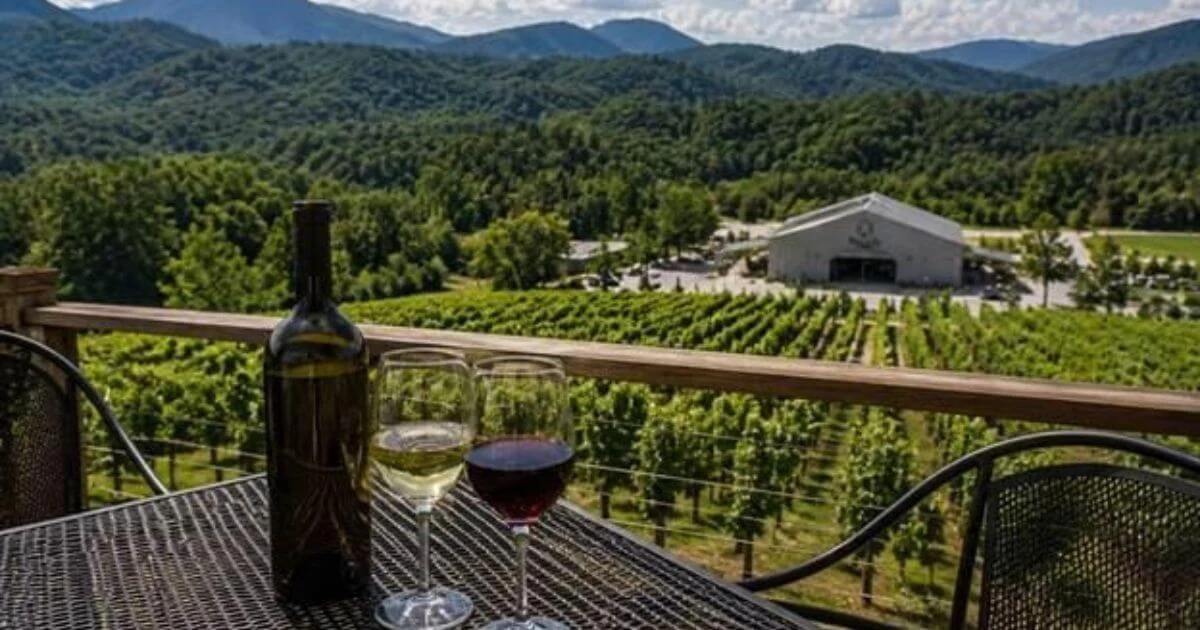
Photo Courtesy of Molly Frank
For decades, the standard mountain vacation followed a predictable script: wake up early, hike to a scenic overlook, snap a photo, and return to the cabin to cook a standard meal. While the landscapes remained breathtaking, the culinary components of these trips often felt like an afterthought—a secondary necessity rather than a destination-defining experience. However, a seismic shift is underway. Across the United States, and particularly in the rugged peaks of regions like the Smoky Mountains, culinary tourism has evolved from a niche interest into the primary driver of travel decisions.
Today’s travelers are no longer content with merely observing the horizon; they want to taste the terrain. From boutique wineries in Gatlinburg to family-owned cider houses nestled in Appalachian valleys, food and drink have become the lens through which visitors interpret, understand, and ultimately remember their journeys.
The Evolution of the Mountain Itinerary
The rise of culinary tourism represents a fundamental change in how we define a "vacation." Historically, travel was categorized by sightseeing—visiting museums, monuments, or natural landmarks. While these remain important, the modern traveler increasingly views the consumption of local food and drink as an act of cultural immersion.
This evolution is rooted in a desire for authenticity. In an era of globalization, where every city’s downtown looks increasingly identical, travelers are seeking out the "singular"—the flavors, ingredients, and traditions that cannot be replicated elsewhere. Mountain destinations, with their deep-seated history of small-batch production, family-led agriculture, and regional culinary secrets, are perfectly positioned to capitalize on this movement.
Chronology of a Trend: From Fuel to Feature
The transition of food from "fuel" to "feature" has not happened overnight. It has been a gradual integration over the past decade, accelerated by three distinct factors:
- The Rise of the "Experience Economy": Roughly ten years ago, travel industry analysts began noting that high-net-worth and millennial travelers alike were prioritizing "doing" over "buying." Spending money on a guided wine tasting became more valuable than purchasing a souvenir trinket.
- The Farm-to-Table Movement: As the national conversation around food transparency matured, consumers began demanding to know the provenance of their meals. This pushed regional producers into the spotlight.
- Digital Discovery: The advent of social media, specifically the rise of platforms like Instagram and TikTok, allowed small, local producers to market themselves globally. A uniquely crafted cider or a mountain-view tasting flight became "content," drawing foot traffic to remote, previously overlooked locations.
Supporting Data: Why Travelers Linger Longer
The implications of this shift are quantifiable. According to recent tourism studies, travelers who engage in culinary-focused activities tend to spend significantly more time—and money—at a destination compared to those who focus solely on traditional sightseeing.
A standard scenic overlook visit, while visually rewarding, rarely captures a traveler’s attention for more than 30 to 45 minutes. Conversely, a comprehensive tasting experience at a winery—such as Smokin’ Banjo in Gatlinburg—can anchor an entire afternoon. This "slow travel" approach forces a change in the itinerary’s pace. Visitors are no longer rushing from one tourist trap to another; they are sitting, listening to the stories of the producers, asking questions about the fermentation process, and exploring the surrounding shops and boutiques.
Data suggests that when visitors move from a "checklist" mentality to an "experience" mentality, their overall satisfaction ratings climb. The ability to linger in a space, whether it is a patio overlooking the Blue Ridge Mountains or a cozy, rustic tasting room, creates a sense of psychological ownership over the trip.
Official Perspectives: The Value of "Taste of Place"
Tourism boards and local business associations have recognized that food and drink are no longer just hospitality components; they are essential marketing pillars.
"We’ve seen a marked increase in inquiries regarding local culinary experiences," says a representative from regional tourism development. "Visitors aren’t just asking ‘What can I see?’ anymore; they are asking ‘What can I taste?’ They want to know where the honey comes from, who presses the local cider, and why the regional wine has a specific flavor profile. When we connect them to the producers, we aren’t just selling a hotel room or a ticket; we are selling a connection to our community."
This sentiment is echoed by local proprietors who emphasize that their businesses serve as cultural ambassadors. By providing an authentic space, they allow visitors to feel like temporary locals rather than transient tourists.
The Psychology of Shared Memories
Why does food resonate so deeply? Psychologists and sociologists argue that the communal nature of eating and drinking is a primal human bonding mechanism. National Geographic’s studies on the joy of food highlight that the social context of a meal—sharing a bottle of wine, laughing over a flight of local brews, or debating the notes of a dish—creates emotional "anchors."
When a traveler recalls a trip to the mountains, they are less likely to remember the specific hiking trail or the hotel bed. They are far more likely to remember the conversation they had over a glass of local wine while watching the sunset. These moments are personal, interactive, and, most importantly, human. The food serves as the facilitator, but the connection is what stays with the traveler.
The Role of Small Producers in Modern Tourism
In a landscape dominated by corporate chains, the small, family-owned, or artisanal business is the "authentic" hero. Travelers are increasingly wary of mass-produced, standardized experiences. They crave the "signature" of the maker.
Whether it is a small-batch winery or a boutique farm-to-fork restaurant, these businesses offer a narrative. When a visitor learns how a family business developed over three generations, or how a recipe evolved to utilize local mountain flora, the product becomes more than just a consumable item—it becomes a piece of history.
Technology has served as a bridge here. Where once these small producers were hidden gems only known to locals, they are now easily discoverable via online review platforms and social discovery. This accessibility has democratized travel, allowing smaller mountain towns to compete with major urban culinary centers by offering something the city cannot: space, atmosphere, and a direct line to the source.
The "Mountain Advantage"
It is worth noting that culinary tourism is not monolithic; it thrives differently depending on the setting. Mountain destinations, in particular, offer a "sensory ecosystem" that is unmatched.
The environment plays a critical role in the perception of flavor. Drinking a glass of wine in a sleek, fluorescent-lit city bar is a different experience than drinking that same wine in a mountain winery, surrounded by the very vineyards that produced the grapes, with the scent of pine and fresh mountain air in the background. The landscape provides the context. It validates the product. When a visitor can see the terrain that produces the food, the experience gains a layer of "truth" that is incredibly compelling to the modern consumer.
Furthermore, the mountain climate encourages a slower pace. The outdoor seating areas, the fresh, crisp air, and the lack of urban hustle all contribute to a mindset of leisure. People are more willing to talk, more willing to wait, and more willing to experiment with new tastes.
Implications for the Future of Travel
The shift toward culinary tourism has profound implications for how we build and maintain tourist destinations.
- Economic Sustainability: By diversifying the travel experience, mountain towns become more resilient. They are no longer dependent solely on seasonal weather or specific outdoor activities. Culinary tourism is a year-round driver.
- Increased Length of Stay: As travelers plan their trips around tasting tours and food festivals, they stay longer, which boosts local tax revenue, supports hospitality staff, and encourages the growth of more independent businesses.
- Preservation of Culture: When local traditions become a source of revenue, they are more likely to be preserved. Traditional recipes, local farming techniques, and historical production methods are protected because they have economic value.
Conclusion: The New Travel Narrative
Ultimately, the rise of culinary tourism in the mountains is a return to basics. It is a movement away from the superficial "checklist" vacation and toward something deeper and more grounded.
Travelers are realizing that the most meaningful souvenirs are not things you put on a shelf, but the memories of flavors, conversations, and shared moments that define a place. As we look to the future of travel, the mountain destination that succeeds will be the one that understands this: the view brings the people in, but the taste keeps them coming back.
The next time you plan a trip to the mountains, look beyond the map of trails and summits. Seek out the tasting rooms, the local producers, and the kitchens that reflect the heart of the region. You may find that the most profound discovery of your vacation isn’t a mountain peak, but a meal you’ll never forget.
 Neng Nana
  Raul Delapena Setiawan
  Sagoh
Sagoh 