

By Molly Frank
In an era defined by hyper-connectivity and the relentless pursuit of "optimization," the traditional vacation has, for many, become yet another project to manage. We curate our itineraries with the precision of a corporate calendar, mapping out breakfast spots, scenic overlooks, and high-adrenaline attractions with a singular goal: to see it all. Yet, as the final day of a getaway approaches, many travelers find themselves returning home more exhausted than when they left.
The secret to a truly restorative mountain vacation lies not in what you add to your itinerary, but in what you are willing to remove. By shifting the focus from "doing" to "being," travelers can reclaim the restorative power of the mountains.
The Mountain Paradox: Why We Seek Calm and Find Chaos
The modern traveler suffers from a unique psychological burden: the "fear of missing out" (FOMO) compounded by the pressure to curate the perfect experience. We arrive in places like Pigeon Forge, Tennessee—a region celebrated for its blend of natural majesty and accessible hospitality—with a notebook full of "must-do" items.
The paradox is that the very act of over-planning often destroys the tranquil environment we traveled hundreds of miles to find. When we treat a vacation like a checklist, we treat our leisure time as a resource to be maximized, inadvertently bringing the high-stress, productivity-obsessed mindset of our professional lives into our personal downtime. The result is a vacation that feels remarkably similar to a work week: managed, frantic, and ultimately hollow.
Chronology of a Disconnected Trip: From Overdrive to Stillness
To understand how to pivot toward a more relaxing experience, it is helpful to look at how a typical, over-planned trip unfolds versus one designed for recovery.
The Over-Planned Itinerary (The "Productivity" Model)
- 07:00 AM: Alarm sounds. The day begins with a race to the first tourist attraction to beat the crowds.
- 10:00 AM: The group is stressed because a traffic delay pushed the schedule back by thirty minutes.
- 01:00 PM: Lunch is a rushed affair at a crowded, pre-selected venue, focused on utility rather than enjoyment.
- 04:00 PM: The group is exhausted, but the itinerary dictates a visit to a museum or hike. Morale declines.
- 08:00 PM: Dinner is a logistical hurdle. Everyone is too tired to engage in meaningful conversation.
The Restorative Itinerary (The "Flexibility" Model)
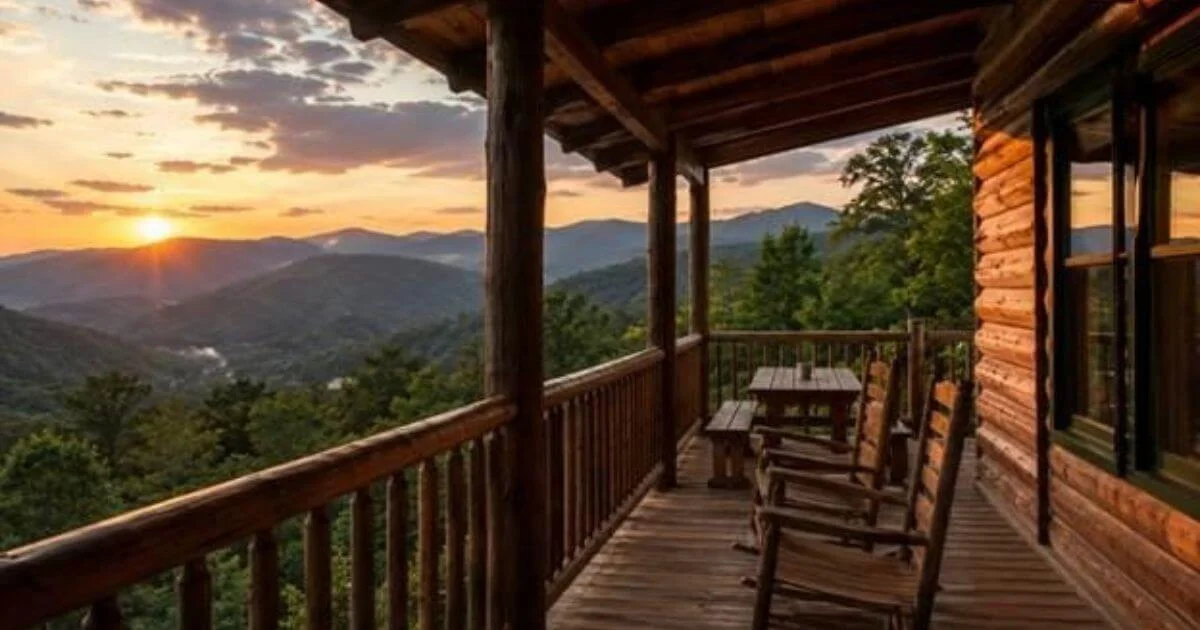
- 08:30 AM: Wake up naturally. Coffee is enjoyed on a cabin deck overlooking the mist-covered peaks. No alarms.
- 11:00 AM: A single, primary activity is chosen—perhaps a hike or a visit to a local shop. The pace is set by the slowest member of the party.
- 02:00 PM: Spontaneity takes over. A local roadside stand or a quiet park bench captures the group’s attention for an hour longer than planned.
- 05:00 PM: Return to the home base. The evening is reclaimed for cooking together, games, or simply staring at the fire.
- 08:00 PM: True relaxation sets in. The absence of a plan for tomorrow creates a sense of profound mental relief.
The Role of Accommodations: The Foundation of Ease
The physical space you inhabit during a vacation is the most significant factor in your stress levels. Historically, travelers have viewed hotels as mere storage for their luggage—a place to sleep between "real" experiences. This is a fundamental error.
In the Smoky Mountains, the rise of private cabin rentals, such as those facilitated by Smoky Mountain Vacation, has transformed the definition of a "home base." Unlike a cramped hotel room, a private cabin serves as an anchor. With amenities like private hot tubs, expansive mountain views, home theaters, and full kitchens, the cabin itself becomes a destination.
When your accommodation offers comfort and privacy, you are no longer forced to "get out" to feel like you are on vacation. You can stay in, read a book, or watch the sunset from your porch without the sensory overload of a crowded lobby. This creates a "buffer zone" that allows travelers to decompress at their own pace.
Supporting Data: Why "Less" is Psychologically "More"
Research into the psychology of leisure suggests that cognitive rest is essential for mental health. According to studies on environmental psychology, spending time in nature—specifically "soft fascination" environments like mountains—helps restore the brain’s ability to focus.
However, the benefit of nature is negated when the brain is still multitasking. When you are navigating GPS, managing group dynamics, and checking reviews for the next dinner spot, you are engaging in "directed attention," which causes mental fatigue.
By limiting activities, you lower the "cognitive load" of your vacation. A study published in the Journal of Travel Research indicates that travelers who engage in fewer, deeper experiences report higher levels of "perceived vacation quality" than those who visit a higher number of attractions. The implication is clear: the brain craves depth, not breadth.
Official Perspectives: Shifting Trends in Tourism
Industry experts have noted a marked shift in travel habits, particularly post-2020. There is a growing preference for "slow travel"—an approach that emphasizes local immersion, sustainability, and personal well-being.
"We are seeing a move away from the ‘checklist’ tourist," says a representative from regional tourism boards. "Visitors are asking for quiet, seclusion, and authentic connection. They want to know where they can sit and breathe, not just where they can buy a ticket."
This trend is driven by the professionalization of the home office. As remote work becomes a permanent fixture for millions, the boundary between the office and the home has blurred. Consequently, the "vacation" has taken on a new purpose: it is no longer just a break from work; it is a sanctuary from the digital noise that defines the modern, hyper-connected life.
Implications for the Modern Traveler
What does this mean for your next mountain getaway? It requires a fundamental shift in how you measure success.
- Define Success by Presence, Not Completion: A successful day is one where you felt connected to your travel companions and your surroundings, not one where you visited five museums.
- The 50/50 Rule: Limit your scheduled activities to 50% of your available time. Leave the other 50% blank. These "empty" hours are where the magic happens—the long, unplanned conversations, the discovery of a local artisan, or the simple joy of a nap.
- Accept Imperfection: Traffic will happen. It will rain. A restaurant will be closed. Instead of viewing these as failures of your itinerary, view them as an opportunity to change course. Resilience is a key component of a relaxing trip.
- Prioritize Comfort: Invest in the quality of your stay. If you are going to spend 10 hours a day in a cabin, make sure it is a space that brings you joy. The extra investment in a cabin with a view often pays for itself in the quality of your sleep and your mood.
Conclusion: The Architecture of Stillness
Ultimately, the goal of a mountain vacation is to return to a state of balance. In the quiet corridors of the Smoky Mountains, the noise of the world is muffled by the trees and the terrain. But the silence only works if you are willing to stop talking, stop planning, and stop running.
The secret to a more relaxing mountain vacation is not found in a brochure or a top-ten list. It is found in the courage to do nothing. It is found in the decision to trade the frantic pursuit of "everything" for the quiet, profound experience of "something"—even if that something is just sitting on a deck, watching the clouds shift over the ridges, and finally, for the first time in months, remembering how it feels to breathe.
When you remove the pressure to be productive, you finally give yourself permission to be present. That is the true value of a getaway. That is the restorative power of the mountains.
 Raul Delapena Setiawan
  Sagoh
Sagoh  Nila Kartika Wati