

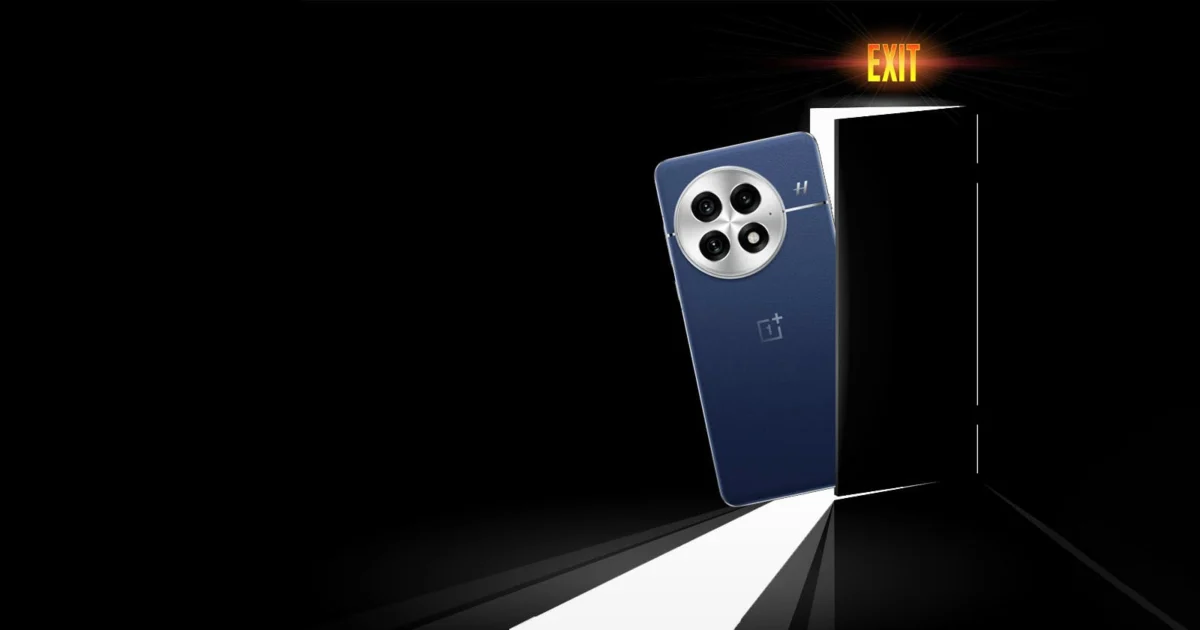
The smartphone industry has long been defined by a cycle of disruption, where bold newcomers challenge the status quo, eventually either rising to the top or fading into the history books. As of July 2026, one of the most prominent "disruptors" of the last decade has officially signaled its withdrawal. OnePlus, the brand that once promised to "Never Settle," is bowing out of the North American and European markets. This exit marks the end of a transformative era, leaving behind a legacy that permanently altered how consumers view flagship value, software design, and hardware innovation.
The Chronology of a "Flagship Killer"
To understand the weight of this departure, one must look back to December 2013. When OnePlus burst onto the scene, the mobile landscape was vastly different. Industry giants like HTC, BlackBerry, and Nokia were struggling to maintain their footing, while Samsung and Apple were beginning to solidify their duopoly.
OnePlus introduced a radical business model: the "invitation system." By manufacturing only what was requested, they kept overhead costs low and created an aura of exclusivity. The OnePlus One was a revelation, offering premium specifications that rivaled devices costing twice as much. This "build-to-order" philosophy allowed a small team to compete with multinational corporations.
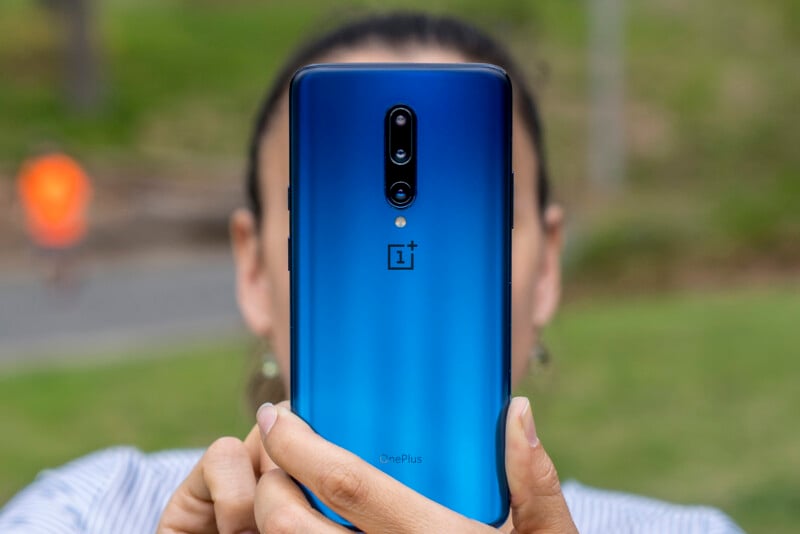
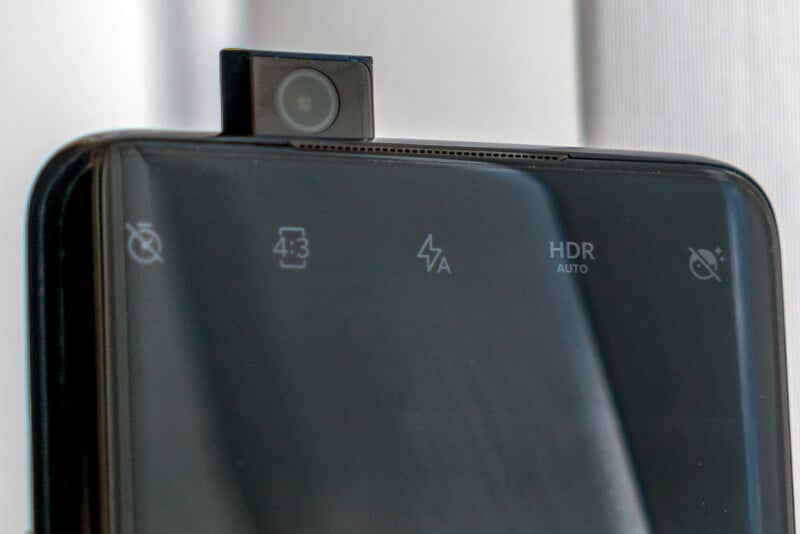
By 2019, the company pivoted. With the release of the OnePlus 7 Pro, the brand moved from a niche enthusiast favorite to a mainstream contender. The 7 Pro was widely hailed as a true flagship, featuring a stunning motorized pop-up camera and a high-refresh-rate display that forced competitors to accelerate their own timelines for screen technology. The subsequent partnership with Hasselblad in 2021 further signaled an intent to dominate the professional mobile imaging space, moving the conversation beyond mere specs to genuine photographic prowess.
However, the tide began to turn as the parent company, Oppo, consolidated its operations. The lines between OnePlus and Oppo began to blur, leading to shared software foundations and a migration of the Hasselblad branding exclusively to Oppo’s premium line by late 2025. When the OnePlus 15 launched shortly thereafter without the storied imaging partnership, the writing was clearly on the wall. The brand had lost its distinct identity, and the market’s appetite for another "Oppo-lite" device in the West had vanished.
The Structural Barriers: A Lack of Carrier Support
The most significant hurdle for OnePlus in North America was never the quality of its hardware, but rather the structural gatekeeping of the telecommunications industry. In the United States and Canada, the overwhelming majority of consumers purchase their smartphones through carrier-subsidized plans.
Unlike the Asian and European markets, where unlocked, SIM-free devices have historically been the norm, North American consumers have been conditioned to see a $1,000 phone as a "$30-a-month charge" on their bill. Because OnePlus struggled to maintain long-term, sustained relationships with major carriers like Verizon or AT&T, it was forced to sell its devices at full price through third-party retailers like Amazon, Best Buy, or its own website.
This created an insurmountable barrier to entry. When a potential buyer walks into a carrier retail store, they are met with a curated selection of Apple, Samsung, and Google devices. Sales associates—often young, product-trained to push the "Big Three"—rarely mention alternatives. The "wall of ignorance" described by industry analysts refers to this ecosystem, which is stagnant, resistant to disruption, and intentionally uncompetitive. By failing to integrate into the carrier retail model, OnePlus was effectively locked out of the mainstream consciousness, relegated to the "enthusiast" niche where long-term growth is difficult to sustain.
Implications for the Industry: The End of Disruption
The exit of OnePlus is more than just a brand disappearing from shelves; it is a loss for consumer choice. When a company with a history of challenging the status quo leaves, the remaining players have less incentive to innovate.
OnePlus was the catalyst for several industry-wide changes:

- Charging Speeds: Long before "fast charging" was a marketing buzzword, OnePlus was shipping phones with proprietary power bricks that could charge a device in minutes, not hours.
- Software Cleanliness: OxygenOS offered a near-stock Android experience that was faster, cleaner, and more customizable than the heavy, bloatware-laden skins of the era.
- Market Pressure: By consistently undercutting the prices of Samsung and Google flagships while matching their performance, OnePlus forced the giants to justify their price hikes.
- Standardizing Features: Features like 90Hz refresh rates, high-tier RAM configurations, and aggressive storage pricing became standard, largely because OnePlus pushed the envelope first.
Without this pressure, we risk a "feature stagnation" where the major manufacturers feel comfortable incrementally updating their devices at higher price points, knowing that no real "flagship killer" is waiting in the wings to disrupt their market share.
Official Responses and User Support
In its official communication, OnePlus has attempted to assure its remaining customer base that they are not being abandoned. The company has stated that existing devices will continue to receive software updates, security patches, and "applicable support" for the duration of their promised lifecycle.
For users, this creates a mixed reality. While the OnePlus support website remains operational and warranties are technically still valid, the logistics of the exit remain murky. With Oppo having little to no direct service infrastructure in North America, the reality of obtaining a hardware repair for a failing screen or battery in 2027 or 2028 is currently unknown.
In Europe, the transition is expected to be more seamless. Because Oppo maintains a stronger presence in countries like Denmark, Sweden, and Iceland, the "gap" left by OnePlus may be filled by Oppo’s own branded products. In these regions, the transition to ColorOS—the software underlying most Oppo devices—will be the standard, while North American users are left to wonder if their next upgrade will necessitate a complete migration to a different ecosystem entirely.

A Legacy of Innovation
Ultimately, the story of OnePlus is a cautionary tale about the difficulty of maintaining a "disruptor" status in a market controlled by entrenched legacy players. It is also a testament to what a small, focused team can achieve. From the motorized pop-up cameras of the 7 Pro to the innovative foldable design of the OnePlus Open, the brand consistently prioritized bold engineering over safe, iterative design.
Even if you never owned a OnePlus device, you have benefited from their presence. Every time you charge your phone quickly, enjoy a high-refresh-rate screen, or benefit from a more competitive price point on an Android flagship, you are seeing the ripples of the "Never Settle" philosophy.
As the brand retreats to its core markets in India and China, the North American and European smartphone landscapes feel slightly smaller, slightly more expensive, and significantly more predictable. The party may be over for OnePlus in the West, but the standards they set will continue to define the industry for years to come. The "flagship killer" has left the building, but the battle it started against high prices and stagnant innovation remains the defining challenge for the next generation of mobile hardware.
 Reynand Wu
  Suro Senen