

LONG BEACH, CALIFORNIA — In a stunning departure from its historically robust public health record, the Emerald Princess has been slapped with its first-ever failing grade by the U.S. Centers for Disease Control and Prevention (CDC) Vessel Sanitation Program (VSP).
During a routine, unannounced inspection conducted while the vessel was docked in Long Beach, California, on October 16, 2026, the 3,090-guest cruise ship earned a score of just 78 out of a possible 100 points. Under CDC guidelines, any score of 85 or lower is classified as failing, signaling significant vulnerabilities in onboard public health, hygiene, and food safety protocols.
The disappointing mark shatters a nearly two-decade operational history for the 2007-built vessel, which had previously maintained an unblemished record of passing grades—including seven coveted, flawless scores of 100.
Main Facts: Inside the October 16 Inspection Report
The VSP evaluation cataloged a total of 39 distinct violations onboard the Emerald Princess. While the sheer volume of infractions is concerning, VSP inspection scores are calculated based on the severity of the recorded violations rather than a raw numerical count.
The comprehensive 39-item report spanned a wide spectrum of operational lapses, ranging from administrative record-keeping errors regarding onboard illness cases to glaring structural and procedural failures in food preparation and galley sanitation.
Food Safety and Hygiene Breakdown
The most alarming entries on the inspection report involved critical food safety risks capable of triggering widespread gastrointestinal illness among passengers and crew. Inspectors identified:
- Improper Food Storage: Investigators found significant issues with temperature controls and food separation. Most notably, raw meat was being stored directly above cooked food items, creating a severe cross-contamination hazard. Furthermore, food items failed to cool to safe temperatures within mandated timeframes, and staff neglected to properly label perishables with discard times.
- Drainage Failures: Multiple galley floor drains were found to be heavily clogged with food debris, creating standing water and potential breeding grounds for bacteria.
- Pest Infestations: Inspectors counted a total of 33 live flies swarming across various sensitive food and dining areas. Affected zones included multiple galleys, the staff mess, the officer mess, bar pantries, dishwashing stations, and widespread areas of the upscale World Fresh Market on Deck 15.
- General Sanitation Lapses: Observers noted soiled surfaces throughout preparation spaces, improper storage protocols for wet mops, and minor equipment anomalies. For instance, a broken handwashing station faucet handle in the Deck 5 bakery forced staff to improvise activations, while a small piece of foreign black debris—resembling material from a carbon filter—was discovered embedded in a piece of ice at a portside galley entrance station.
Chronology: A Trajectory of Declining Compliance?
To understand how the Emerald Princess arrived at this historic failure, it is essential to examine the timeline of its recent public health evaluations and operational history.
The Spring 2026 Inspection (May 12, 2026)
Just five months prior to the failed audit, the ship underwent a VSP inspection on May 12, 2026, securing a comfortable passing grade of 99. However, a closer look at that report reveals underlying warning signs that mirror some of the current failures. The May inspection recorded 28 violations, which included:
- The presence of flies and ants in food preparation and garbage disposal zones.
- Soiled surfaces and rusty culinary equipment.
- Malfunctioning temperature gauges.
- Inaccurate or incomplete inspection paperwork.
In response to the May audit, Princess Cruises’ crew implemented corrective measures, including localized pest control treatments, supplemental crew training on sanitation standards, equipment repairs, and the immediate disposal of compromised food items. Despite these efforts, public health experts note that corrective actions do not alter a historical inspection score; a formal numerical grade remains fixed until the vessel undergoes a follow-up VSP audit.
The October 16, 2026 Inspection and Fallout
Docked in Long Beach on October 16, the ship fell victim to mounting operational pressures or localized lapses, culminating in the score of 78. As of press time, the crew’s formal corrective action report—detailing the immediate steps taken to rectify the 39 cited violations—had not yet been published by the CDC, though the line is actively assembling its remediation data.
Supporting Data: Historical Performance and VSP Benchmarks
The U.S. CDC Vessel Sanitation Program operates with rigorous transparency, inspecting all cruise ships that sail internationally with itineraries touching U.S. ports twice a year. The program aims to curb the introduction and spread of gastrointestinal illnesses on cruise vessels.
A Storied History on the Water
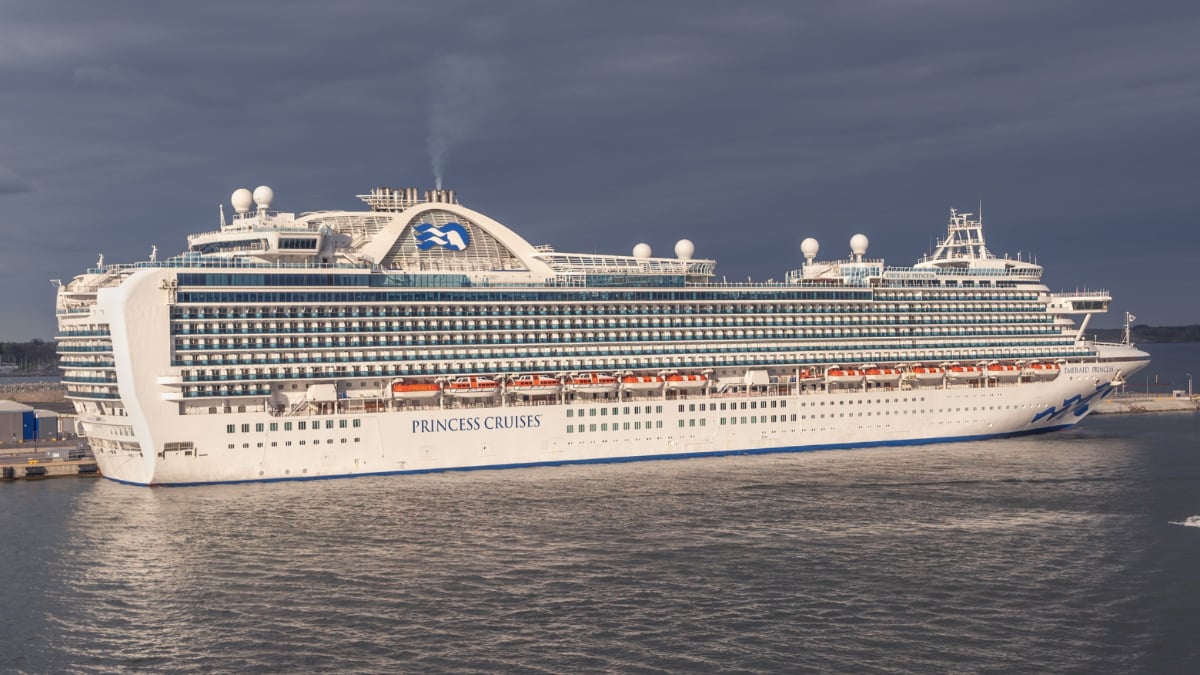
Entering service in April 2007 under Princess Cruises, the Emerald Princess has welcomed hundreds of thousands of guests over nearly twenty years at sea. Its historical VSP log reflects an overwhelmingly positive track record prior to the October 2026 blemish:
- November 26, 2007: The ship’s inaugural CDC inspection resulted in a perfect score of 100, despite eight minor, non-severe violations being noted on the report.
- April 2008 – May 2018: Over the next decade, the ship achieved a perfect score of 100 on six additional occasions (April 2008, November 2009, April 2010, October 2012, March 2016, and May 2018).
- Historical Lows: Prior to the October 2026 failure, the ship’s lowest recorded mark was an 87, logged in July 2017—still comfortably above the failing threshold of 85.
Understanding VSP Scoring Mechanics
To the casual observer, a ship receiving a score of 100 while logging multiple violations (such as the ship’s maiden inspection in 2007) may seem contradictory. However, the VSP penalizes ships based on the severity and immediacy of public health risks rather than a simple point-deduction system per violation. Critical violations—such as cross-contamination of raw and cooked meats, persistent pest infestations in food zones, or failing potable water systems—carry devastating point deductions that can quickly plunge a vessel below the passing line of 85.
Official Responses and Remediation Protocols
Following a failed VSP inspection, cruise lines are subject to strict regulatory oversight. While Princess Cruises has not yet released a sweeping public statement regarding the October 16 grade, the cruise line’s standard operating procedure aligns with mandated VSP protocols.
Remediation Workflow
- Immediate Corrective Action: Crew members are expected to address high-risk violations—such as removing flies, discarding contaminated food, rearranging food storage to prevent cross-contamination, and repairing plumbing—immediately upon the inspector’s findings.
- Corrective Action Report (CAR): Management must submit a detailed, written report to the CDC within a specified timeframe, outlining the root causes of the violations and providing photographic or documented evidence of permanent fixes.
- Mandatory Re-inspection: To clear a failing grade, the ship must request an unannounced or scheduled re-inspection by VSP officials during a subsequent port call. Only upon successfully passing a re-inspection will the CDC update the vessel’s public standing.
Standard remediation steps for the types of violations found on the Emerald Princess typically mandate:
- Engaging certified pest control specialists to sweep galleys, pantries, and mess halls.
- Conducting mandatory retraining workshops for galley personnel regarding Hazard Analysis Critical Control Point (HACCP) principles.
- Routine deep-cleaning and sanitization schedules to ensure equipment surfaces remain free from accumulated dust, grease, and food residue.
Implications for Passengers, Crew, and the Cruise Industry
The descent of the Emerald Princess into failing territory carries deep implications for both Princess Cruises and the broader cruise travel ecosystem.
Passenger Confidence and Public Perception
In the post-pandemic travel landscape, passengers are exceptionally vigilant regarding hygiene, sanitation, and disease mitigation at sea. Outbreaks of norovirus or other gastrointestinal illnesses can devastate a cruise itinerary, leading to quarantined cabins, disrupted vacations, and severe reputational damage for cruise operators. A documented CDC failure serves as public record, potentially influencing booking behavior for travelers researching ship safety profiles online via the VSP database.
Operational Pressures on Crew
Modern cruise ships operate on razor-thin turnaround schedules, with galleys serving thousands of meals daily across multiple specialty restaurants, main dining rooms, and casual buffets. The presence of 33 flies across numerous food handling areas—alongside basic maintenance oversights like a broken bakery faucet and clogged drains—highlights the immense logistical strain placed on shipboard sanitation and hospitality crews. Maintaining pristine compliance requires relentless, daily vigilance, even as fatigue and rapid passenger turnover challenge the workforce.
Industry-Wide Scrutiny
For Princess Cruises—a premier brand under the Carnival Corporation umbrella—this incident serves as an urgent wake-up call. Fleet-wide audits are likely to be intensified to ensure that sister ships do not exhibit similar vulnerabilities. As the Emerald Princess prepares for its upcoming itineraries and works toward a redemption re-inspection, the eyes of the maritime community will be fixed on the vessel, waiting to see how swiftly and thoroughly the cruise line can restore its once-impeccable public health standing.
 Muslim
 Iffa Jayyana
 Asep Darmawan
