

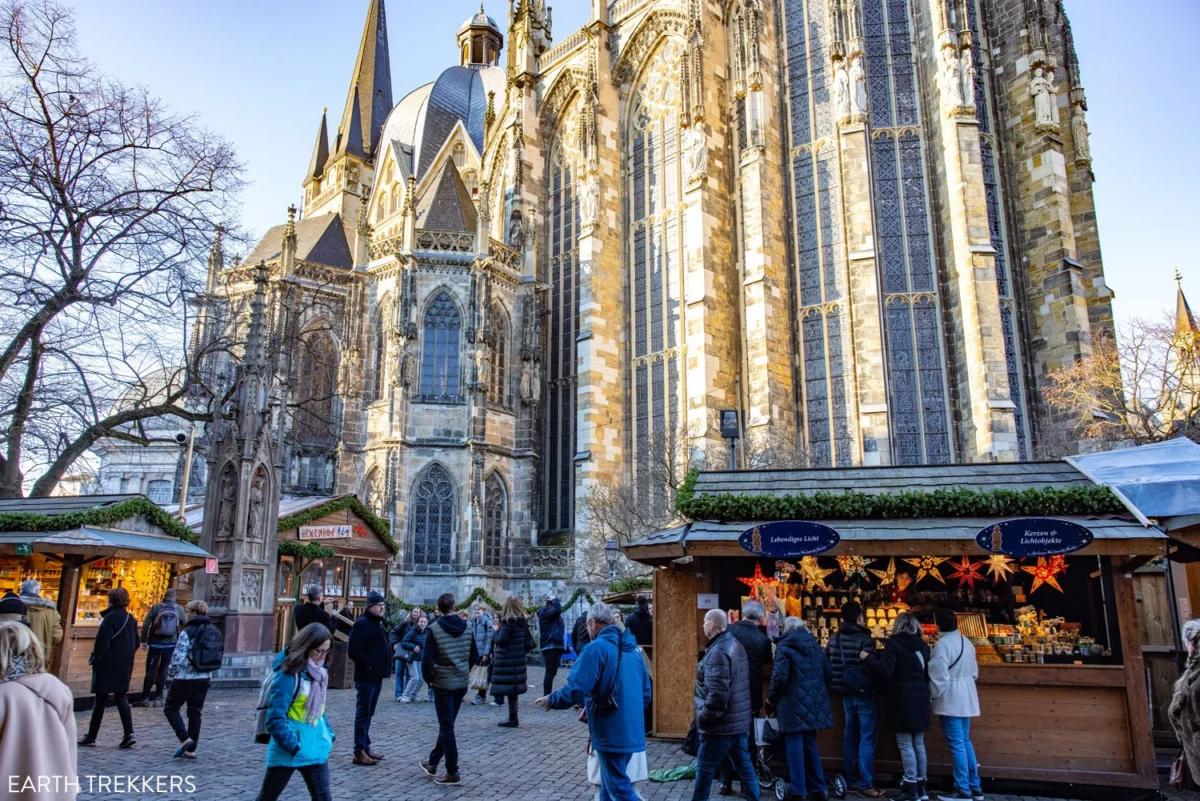
For travelers who have spent years navigating the sprawling, neon-lit corridors of Europe’s most famous Christmas markets, the experience often begins to blur into a familiar montage of crowded squares and repetitive souvenirs. However, there is one destination that consistently defies expectations: the Aachen Christmas Market. Tucked into the western corner of Germany, near the borders of Belgium and the Netherlands, this historic city offers a festive experience that feels less like a commercial enterprise and more like a step back into the Middle Ages.
Main Facts: An Imperial Setting
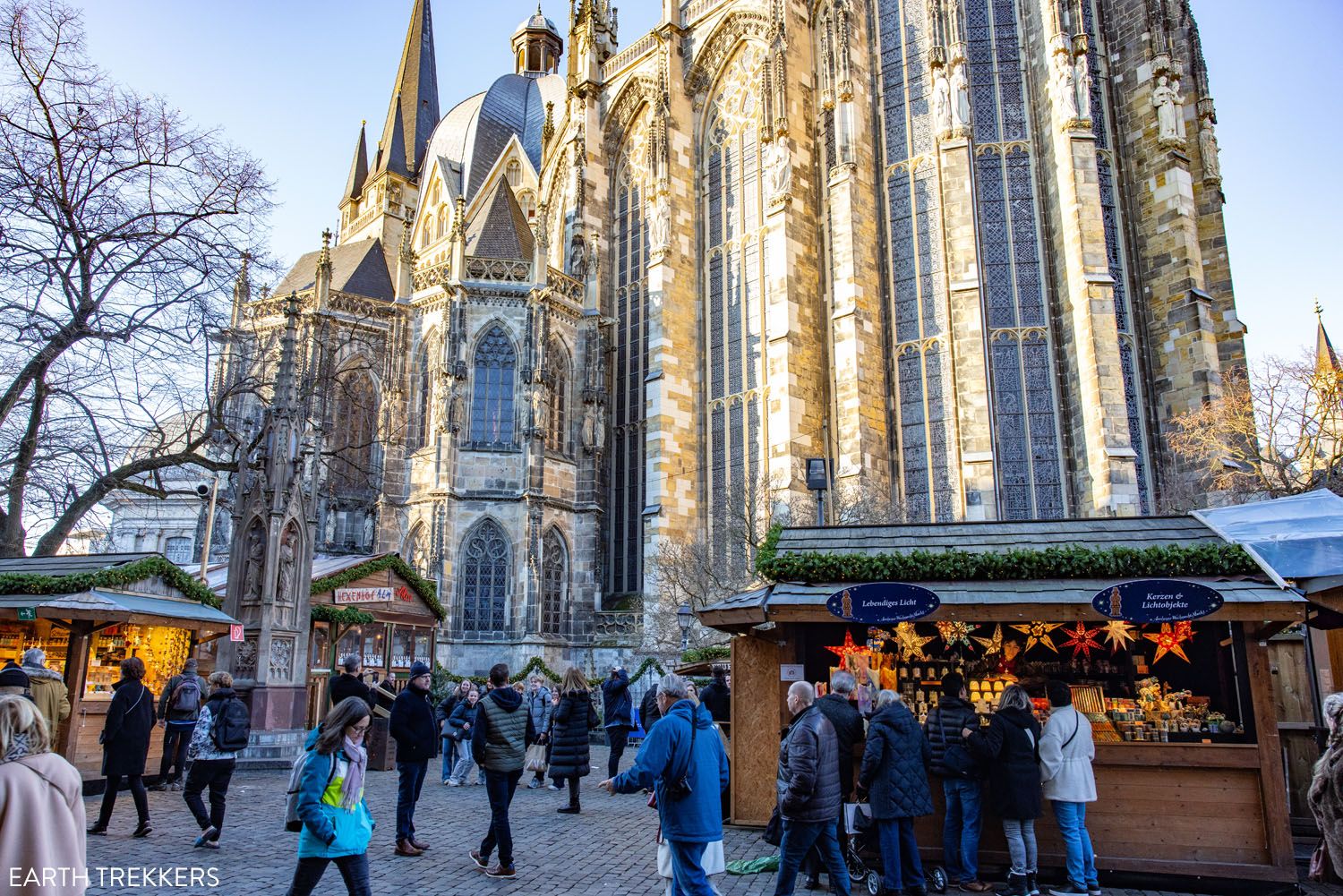
The Aachen Christmas Market is not merely a shopping venue; it is a cultural anchor point. Located in the heart of the city’s UNESCO-listed old town, the market sprawls across three distinct yet interconnected squares: Münsterplatz, Katschhof, and Marktplatz.
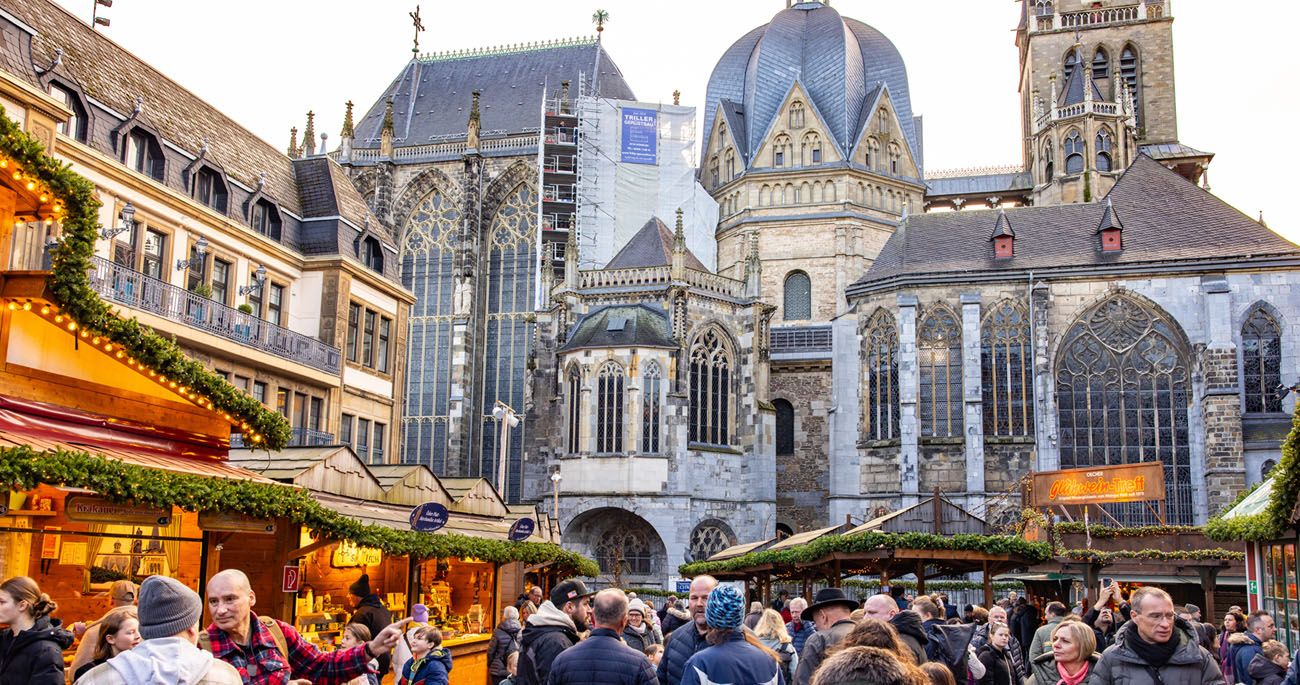
The market’s architecture is its primary advantage. Unlike larger city markets that rely on temporary structures, Aachen’s stalls are framed by the formidable presence of the Aachen Cathedral—the burial site of Charlemagne—and the 14th-century Rathaus (City Hall). This setting provides a gravitas that few other European cities can claim.
Key Logistics for 2026:
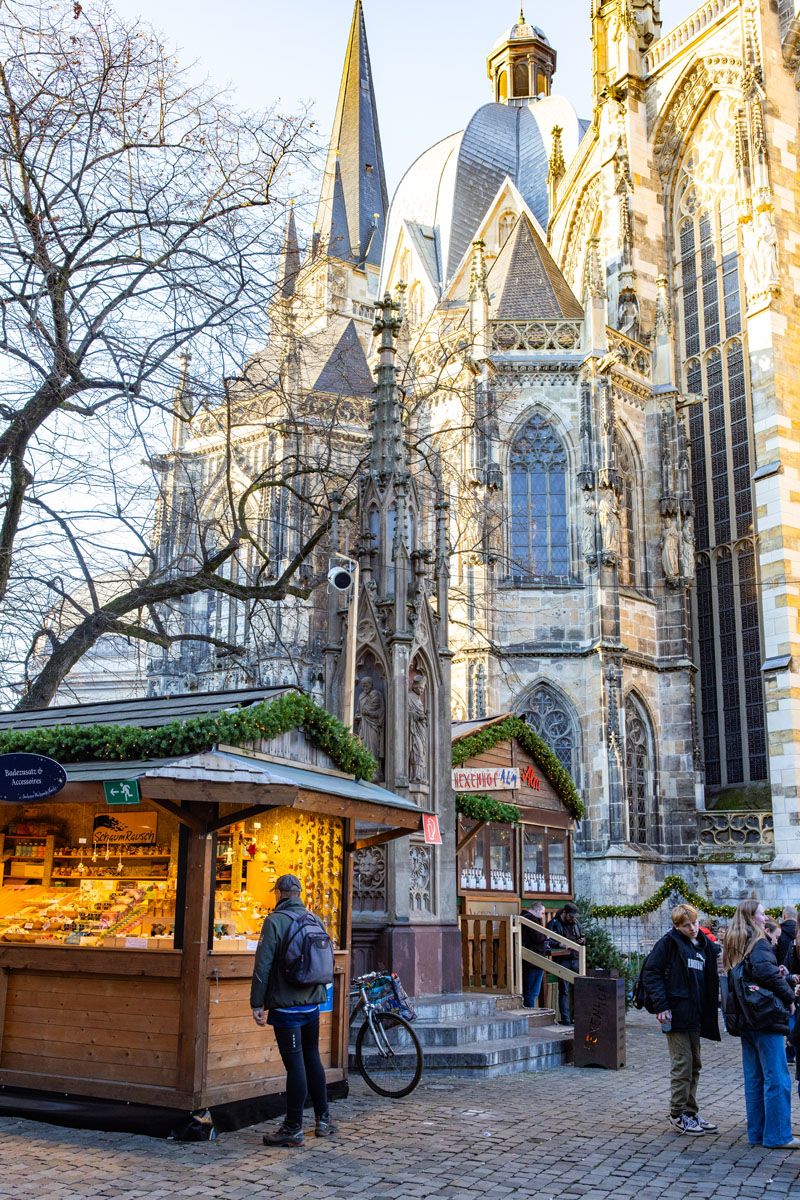
- Duration: November 20 to December 23, 2026.
- Operating Hours: Daily from 11:00 AM to 9:00 PM (with select extended hours).
- Admission: Free.
- Atmosphere: Historically immersive, significantly less congested than regional counterparts like Cologne, and ideal for families.
Chronology: A Legacy of Emperors
To understand the significance of the Aachen market, one must first understand the city’s timeline. Known as Aquisgranum in Roman times, Aachen became the primary residence of Charlemagne in the late 8th century. It was here that the King of the Franks consolidated his power, and it remains the site where 31 Holy Roman Emperors were crowned.
The modern Christmas market honors this heritage by integrating itself into the city’s living history. During a visit in December 2025, the progression of the market felt like a narrative journey. Starting at the base of the Münsterplatz, visitors stand at the feet of the Cathedral, which has been standing for over 1,200 years. As one moves toward the Katschhof, the transition from the ecclesiastical to the administrative—the seat of the Rathaus—is seamless. The market acts as a bridge between the spiritual history of the cathedral and the civic pride represented by the city hall.
Supporting Data: Why Aachen Outperforms the Competition
Data from recent travel surveys and visitor feedback indicate a growing fatigue with "mega-markets." While cities like Cologne and Munich offer scale, they frequently suffer from overcrowding, particularly on weekends.
Aachen presents a unique value proposition:
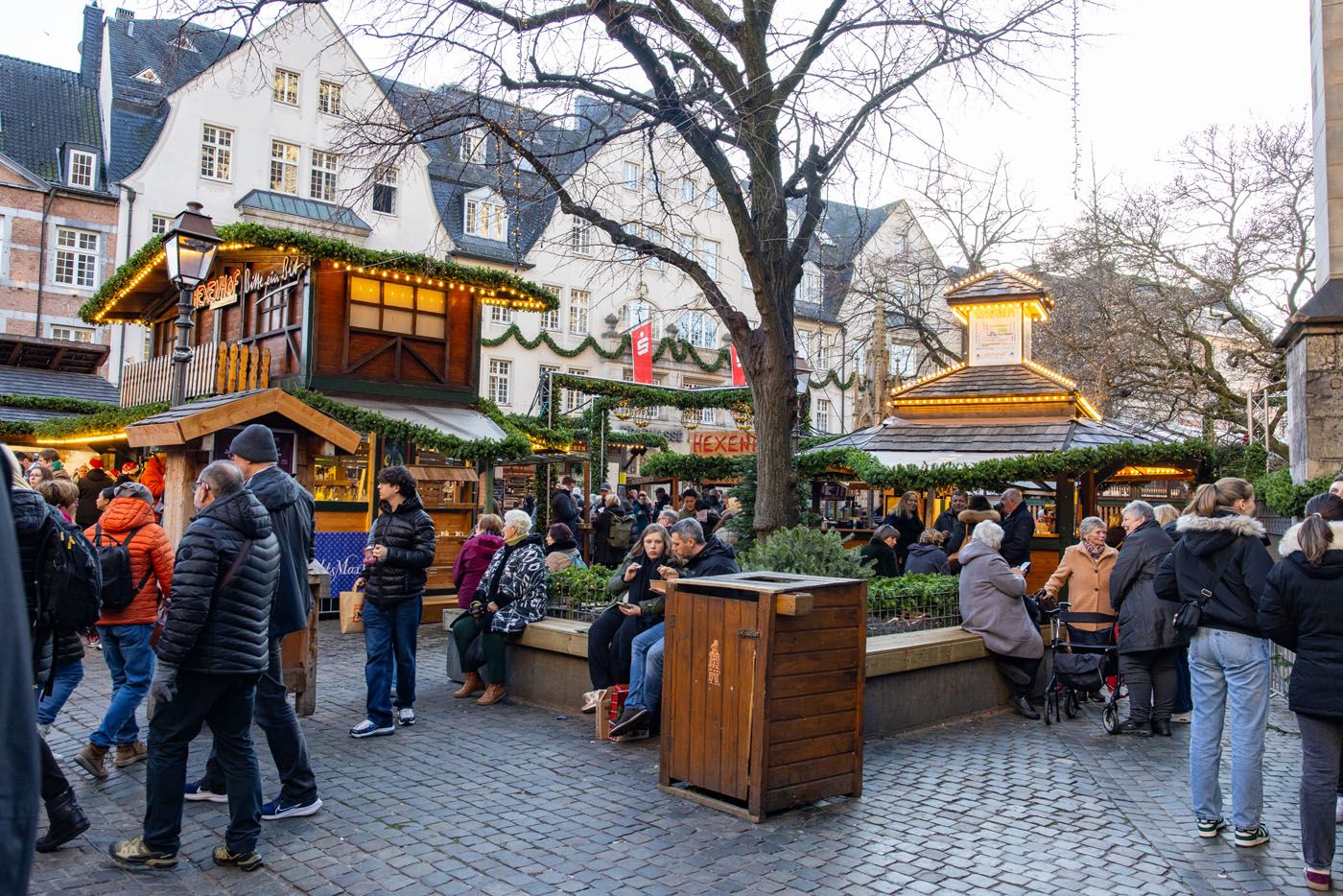
- Lower Crowd Density: Compared to the high-traffic hubs of the Rhineland, Aachen allows for a more intimate experience. On a standard Monday, visitors can navigate the stalls without the claustrophobia often found in major metropolitan markets.
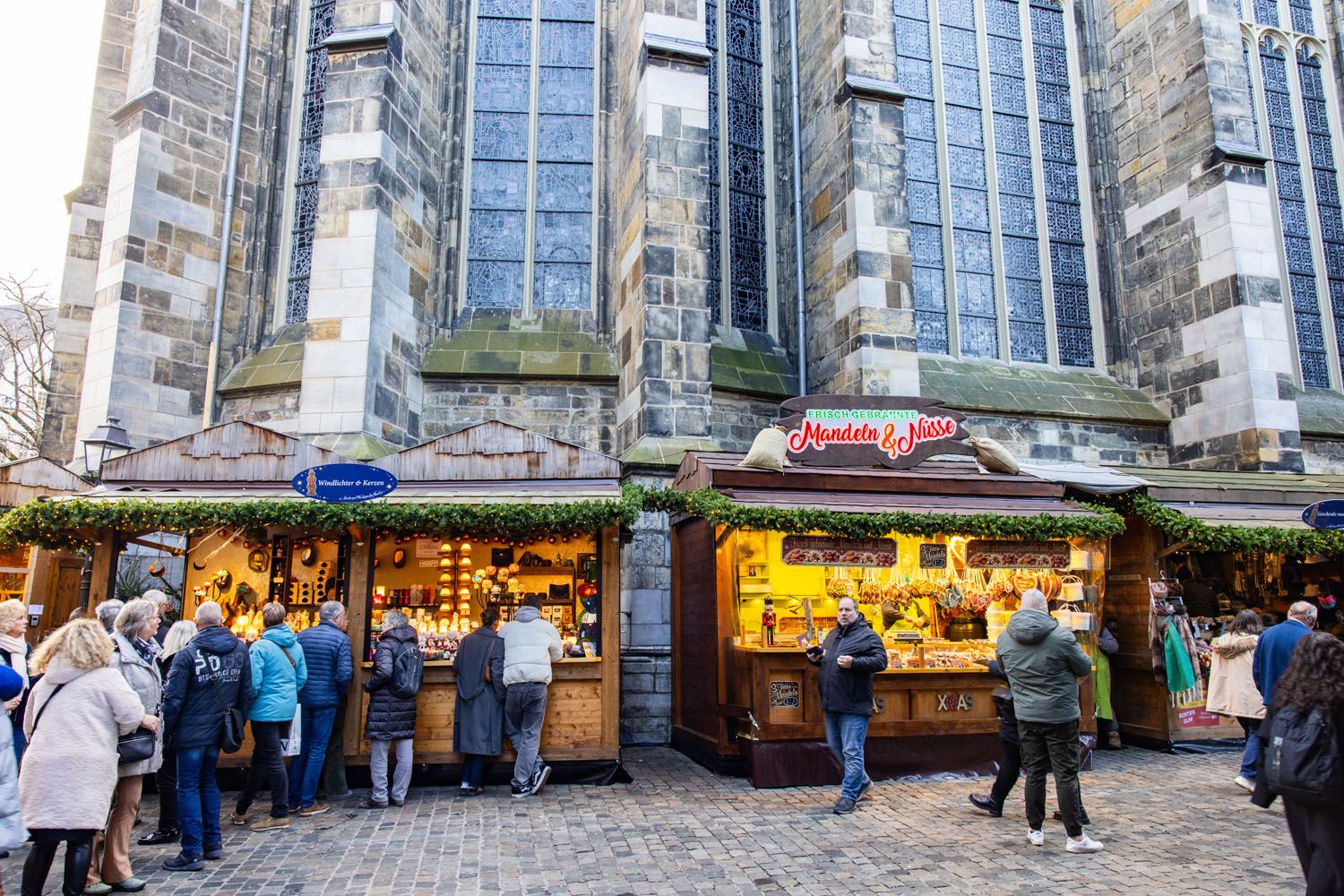
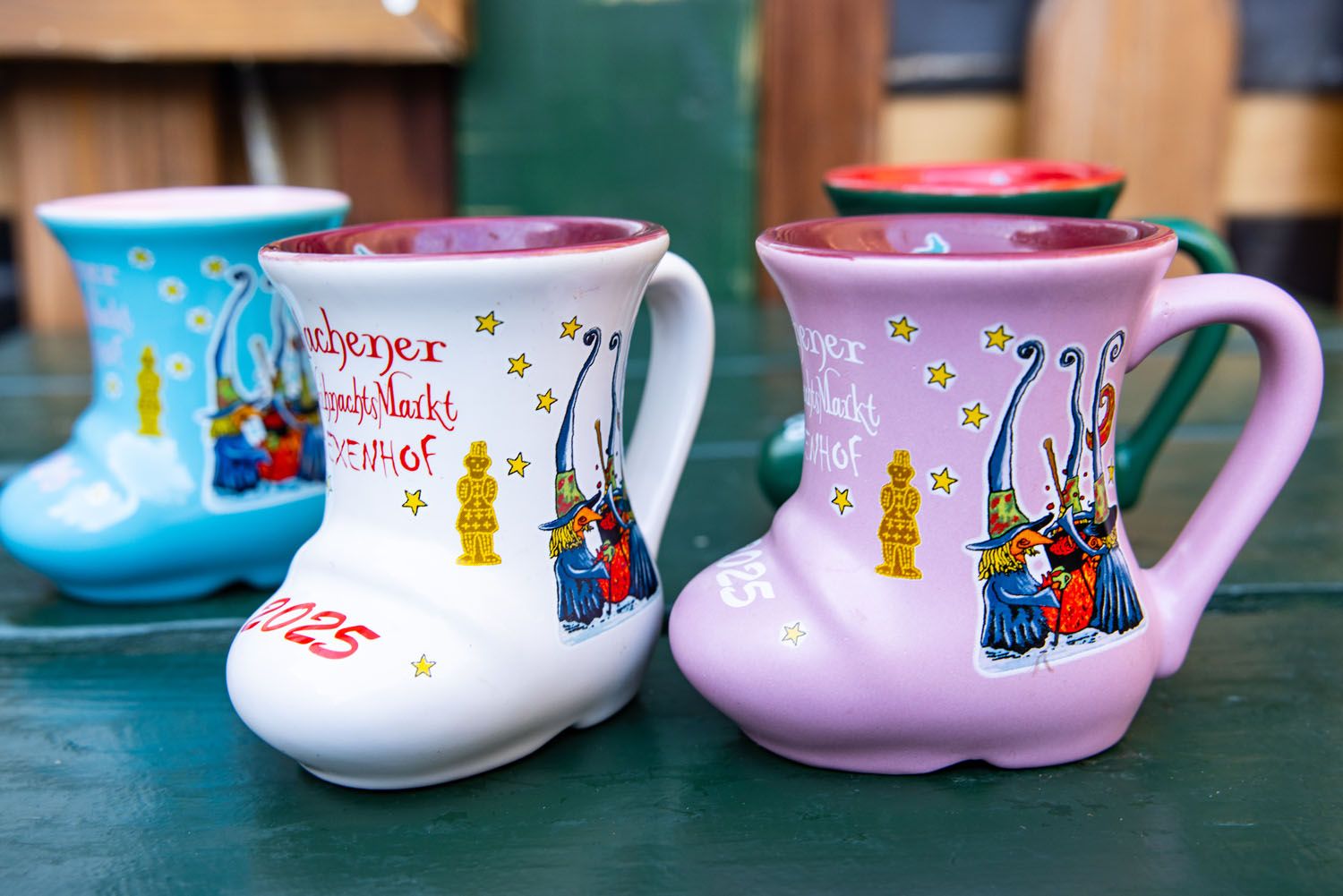
- Product Integrity: The market is known for high-quality, artisanal crafts. From the iconic boot-shaped mugs (a staple of the Aachen collection) to regional delicacies like the Aachener Printen (a type of spiced gingerbread), the focus is on local tradition rather than mass-produced trinkets.
- Accessibility: The city is a transit hub. It is easily reachable via high-speed rail from Brussels (less than an hour) and Frankfurt. For those based in Cologne, a one-hour drive or train ride makes it the perfect day trip, allowing travelers to experience the bustle of a big city in the evening and the refined charm of Aachen during the day.
Official Perspectives: The Value of the "Underrated"
Local tourism officials and historical preservationists in Aachen often emphasize that the market is designed to showcase the city’s identity, not just its commerce. By keeping the footprint of the market focused on the three main squares, the city ensures that the infrastructure does not overwhelm the medieval layout of the town.
The inclusion of the Centre Charlemagne—the city’s museum dedicated to its imperial history—directly on the Katschhof is a testament to this philosophy. It encourages market-goers to step away from the glühwein and bratwurst for an hour to engage with the Carolingian history that makes the city unique. This blend of entertainment and education is what elevates Aachen above the standard "holiday fair" experience.
Implications: How to Plan Your Visit
For the traveler looking to maximize their time, the implications for your itinerary are clear: do not treat Aachen as a secondary stop.
Recommended Itinerary
- Morning (10:00 AM – 12:00 PM): Arrive early to beat the mid-day surge. Start at the Aachen Cathedral. Ensure you view the gold mosaics and the site of Charlemagne’s burial.
- Mid-Day (12:00 PM – 2:00 PM): Wander the three market squares. Focus your time at the Katschhof, which offers the most photogenic views of the Rathaus and Cathedral. This is the prime time to sample local street food.
- Afternoon (2:00 PM – 4:00 PM): Explore the peripheral sights. The Puppenbrunnen (Puppet Fountain) is a must-see for its interactive bronze figures. If you are a fan of industrial history or chocolate, a trip to the Lindt Werksverkauf on the city’s outskirts is essential for discounted, high-quality souvenirs.
- Evening (4:00 PM onwards): As the sun sets, the market takes on a completely different character. The lighting on the Rathaus and the glowing stalls create a festive ambiance that is best enjoyed with a warm mug of glühwein.
Essential Tips for Success
- The "Boot" Collection: If you are a collector of Christmas market memorabilia, be prepared to purchase a boot-shaped mug. They are unique to the region and serve as a perfect, functional souvenir.
- Transportation: If driving, utilize the city’s designated parking garages near the old town. If arriving by train, the central station is well-connected to the market district by a short, pleasant walk or a quick bus ride.
- The "Split-Day" Strategy: For those staying in larger hubs like Cologne, consider a half-day in Aachen. Visit in the morning and early afternoon, then return to your base city for the evening. This allows you to experience the best of both worlds without the fatigue of constant travel.
Conclusion: A Timeless Tradition
In an era where many Christmas markets have become indistinguishable from one another, Aachen remains a bastion of tradition. Its strength lies in its refusal to be the biggest, opting instead to be the most authentic. By anchoring its festive celebrations in 1,200 years of history, Aachen provides a setting that is as educational as it is enjoyable.
Whether you are a seasoned veteran of the European Christmas market circuit or a first-time visitor to Germany, Aachen offers an experience that is worth the journey. It is a city that understands the balance between the solemnity of its past and the joy of the holiday season, making it an essential addition to any winter itinerary.
When you return home, it won’t just be the smell of roasted almonds or the warmth of the mulled wine you remember; it will be the sight of the medieval cathedral rising above the wooden stalls, a reminder that some traditions are timeless for a reason.
 Basiran
 Laily UPN
 Reynand Wu
