

For millions of travelers, the European Christmas season is defined by the scent of roasted almonds, the sound of carols echoing against medieval stonework, and the warmth of a spiced beverage held in hands numbed by the December chill. Yet, beyond the atmosphere and the artisanal gifts, a secondary, highly spirited phenomenon has taken root: the art of the Christmas market mug collection.
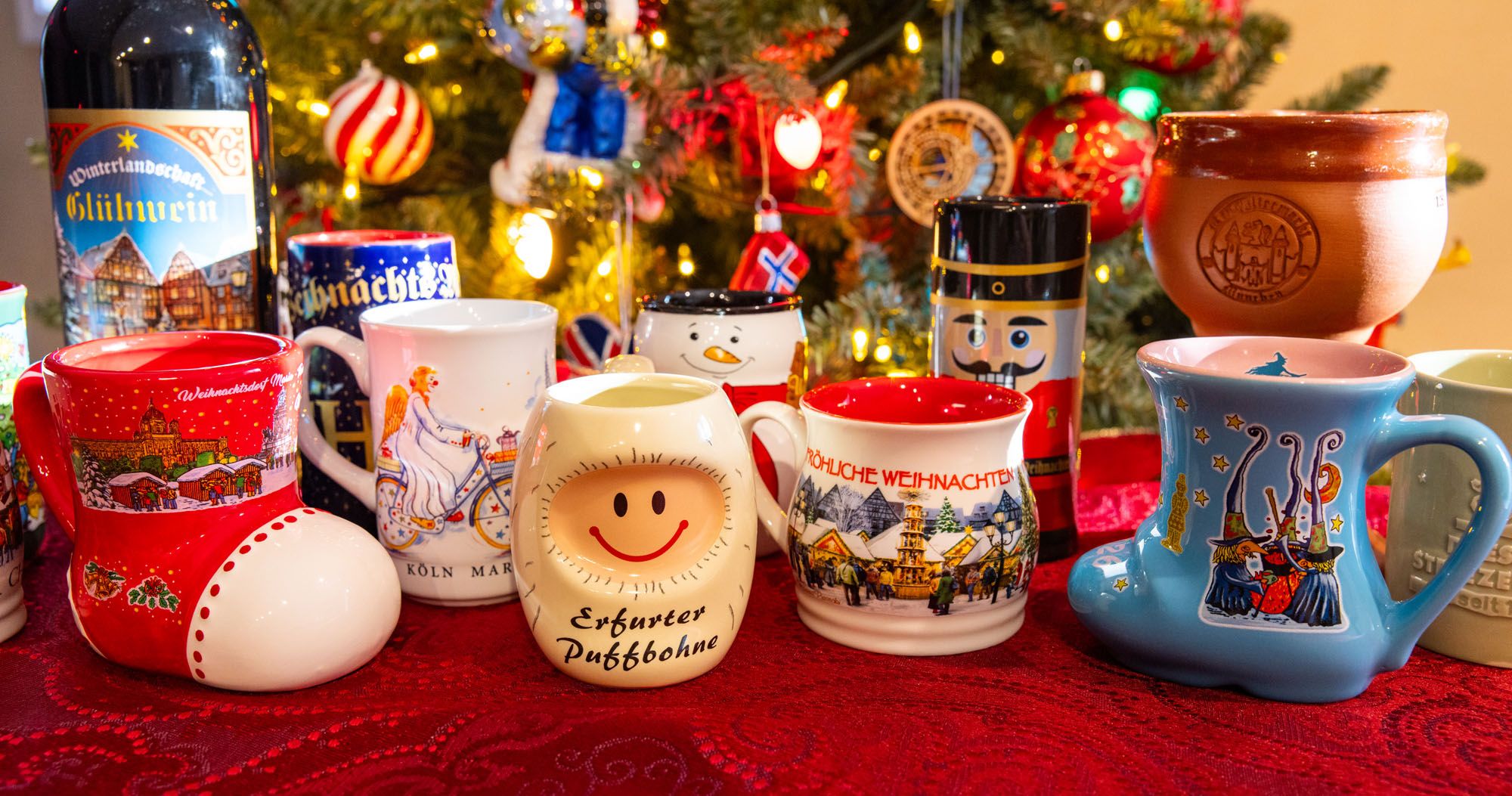
What began as a functional way to serve Glühwein (mulled wine) has blossomed into an international hobby. For the dedicated traveler, these ceramic vessels serve as miniature, tangible archives of a journey across the continent’s most historic squares.
The Evolution of the Tradition: From Utility to Souvenir
The tradition of the Christmas market mug is a masterclass in circular economy and cultural branding. It all began with a simple logistical need: how to serve thousands of visitors hot drinks without generating mountains of single-use waste.
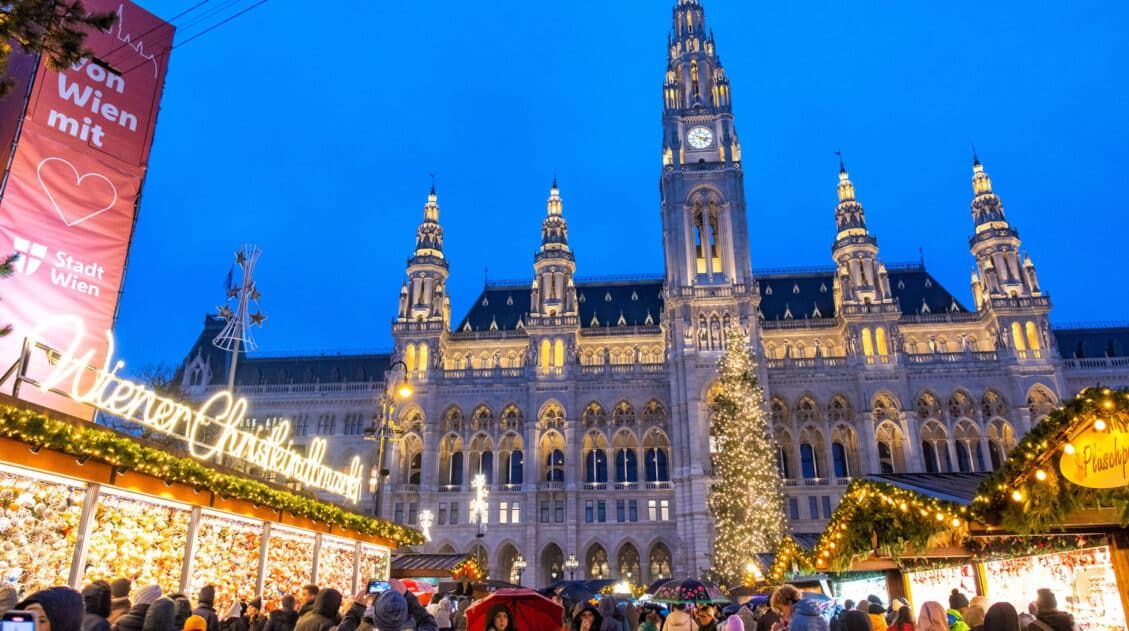
The system is elegant in its simplicity. When a visitor orders a Glühwein, hot chocolate, or Kinderpunsch, they pay a small deposit—known in German as Pfand—alongside the price of the drink. This deposit serves a dual purpose: it incentivizes the return of the mug to the stall, ensuring the vendor can wash and reuse it, and it acts as a low-stakes souvenir for the visitor.
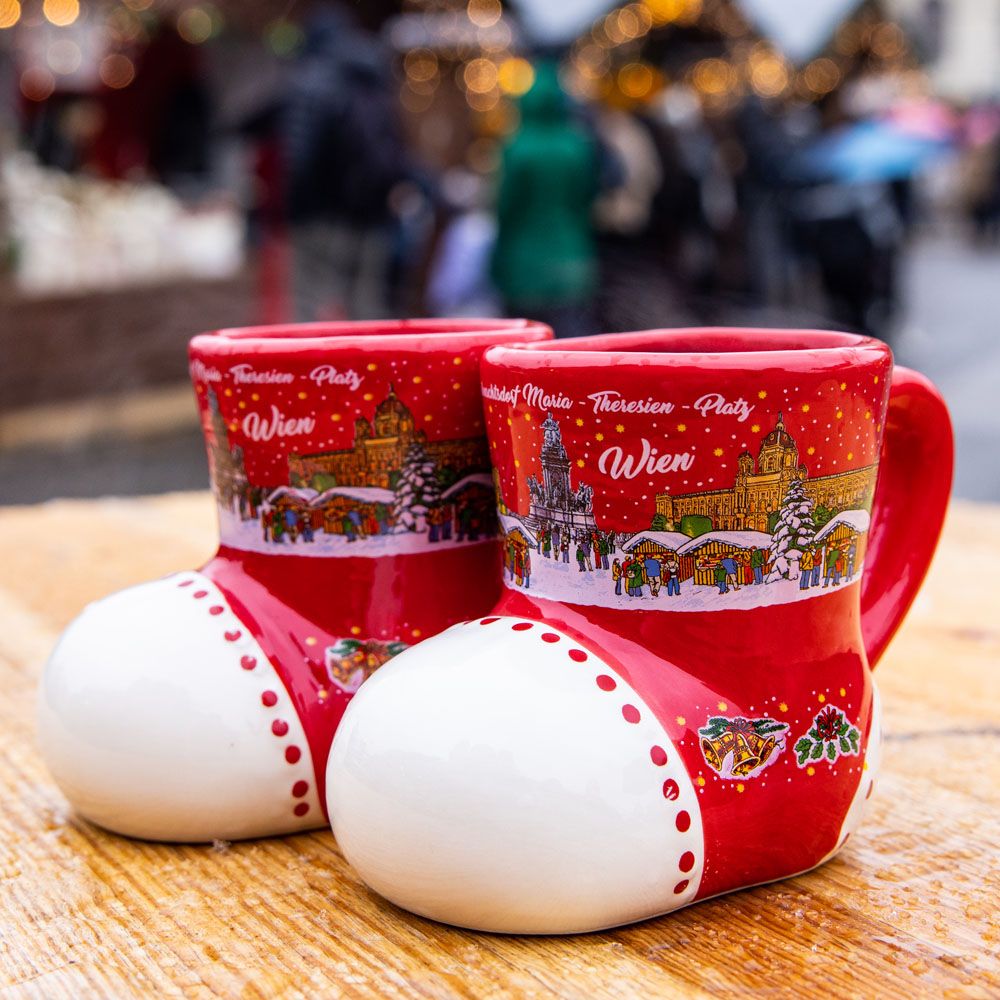
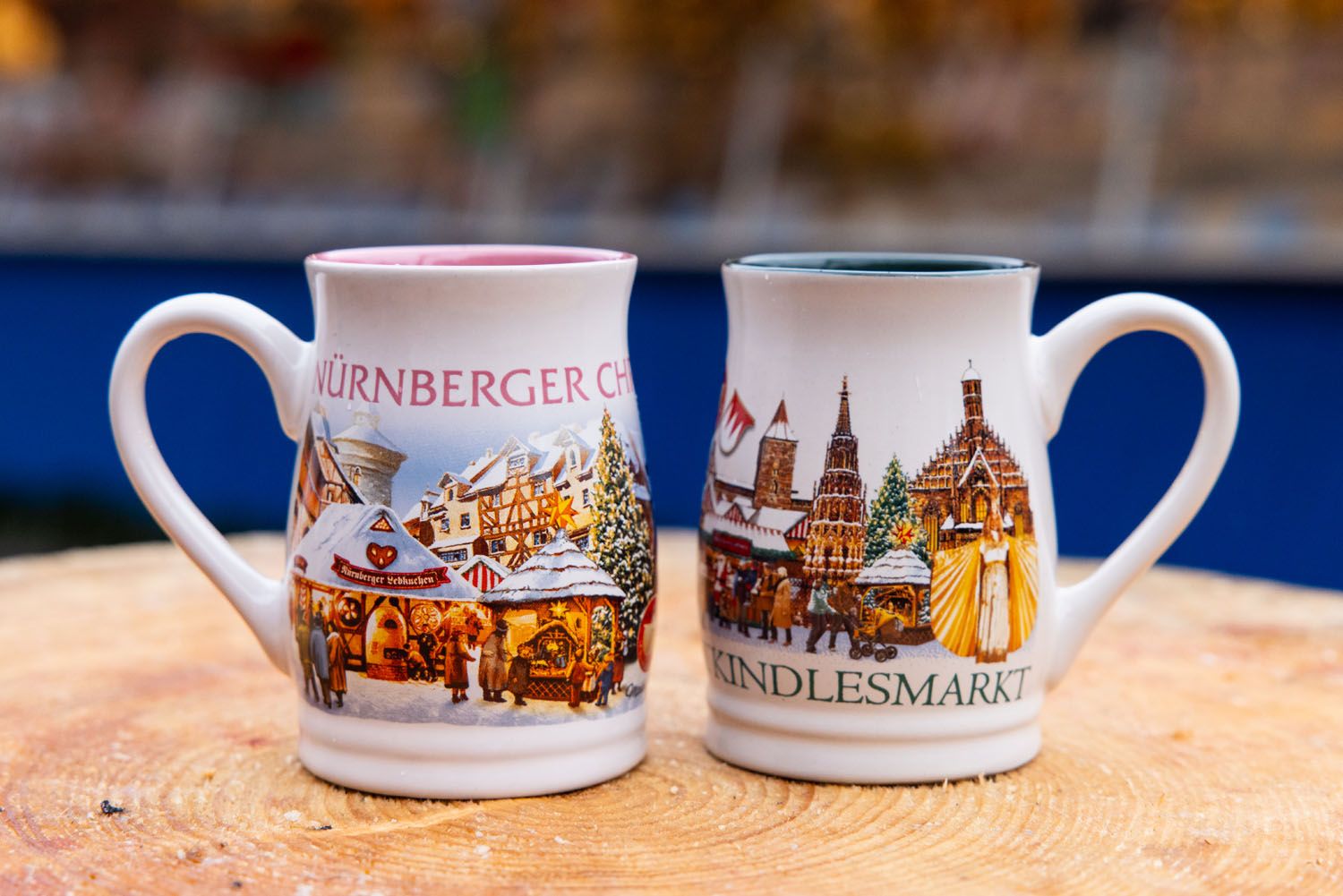
If the patron chooses to keep the mug, they simply forfeit the Pfand. Over four years of touring markets in Germany, Austria, Poland, France, and beyond, this practice has evolved from a convenience into a full-blown competitive sport for collectors. Today, the mugs are often bespoke, featuring the year’s date, intricate local iconography, and sometimes even humorous, character-driven designs.

Chronology of a Collection: Four Years of Holiday Travels
The journey of the modern collector is rarely linear. It is a four-year chronicle of exploration, starting in the crisp, snowy streets of Vienna, Austria.

The Austrian Genesis
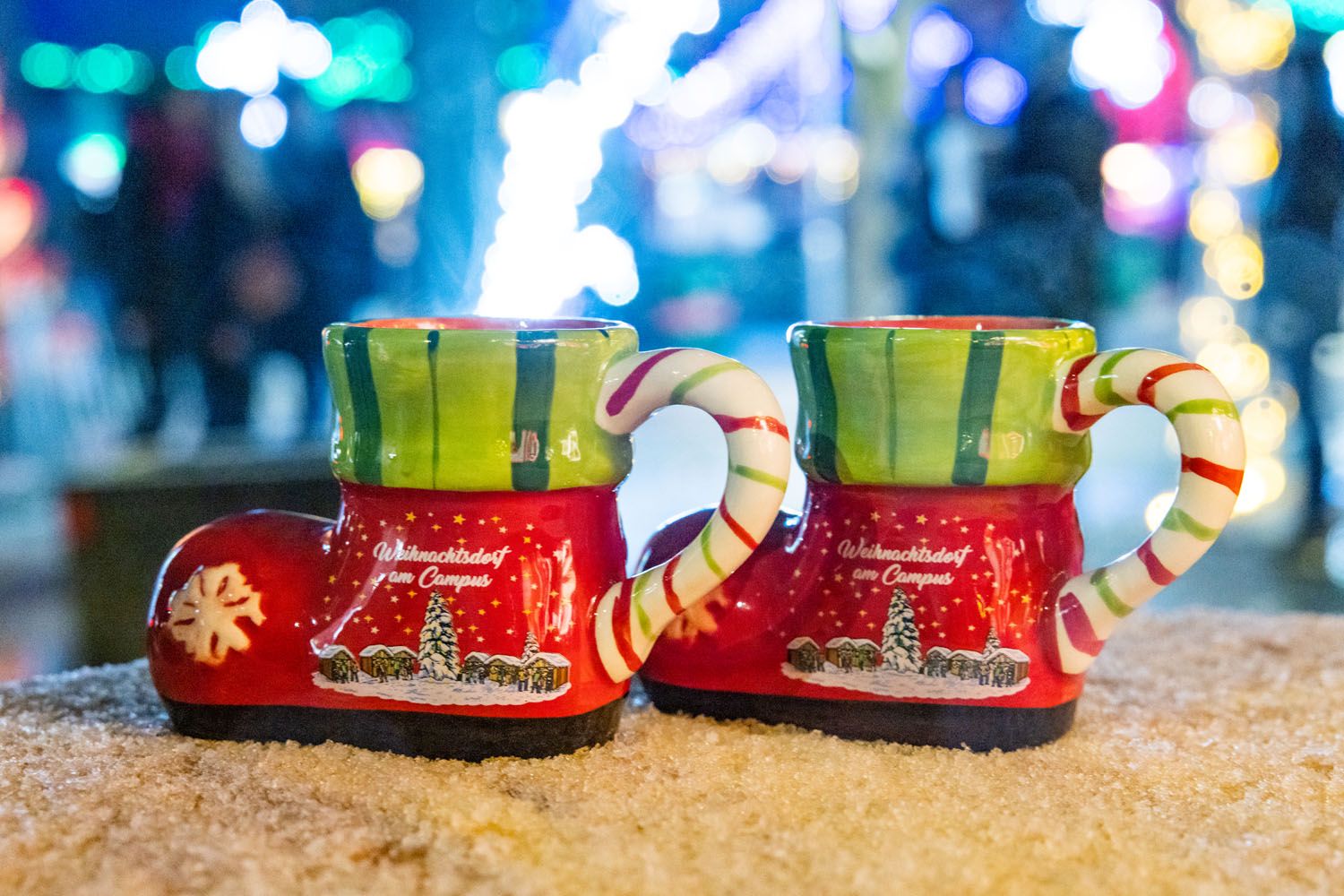
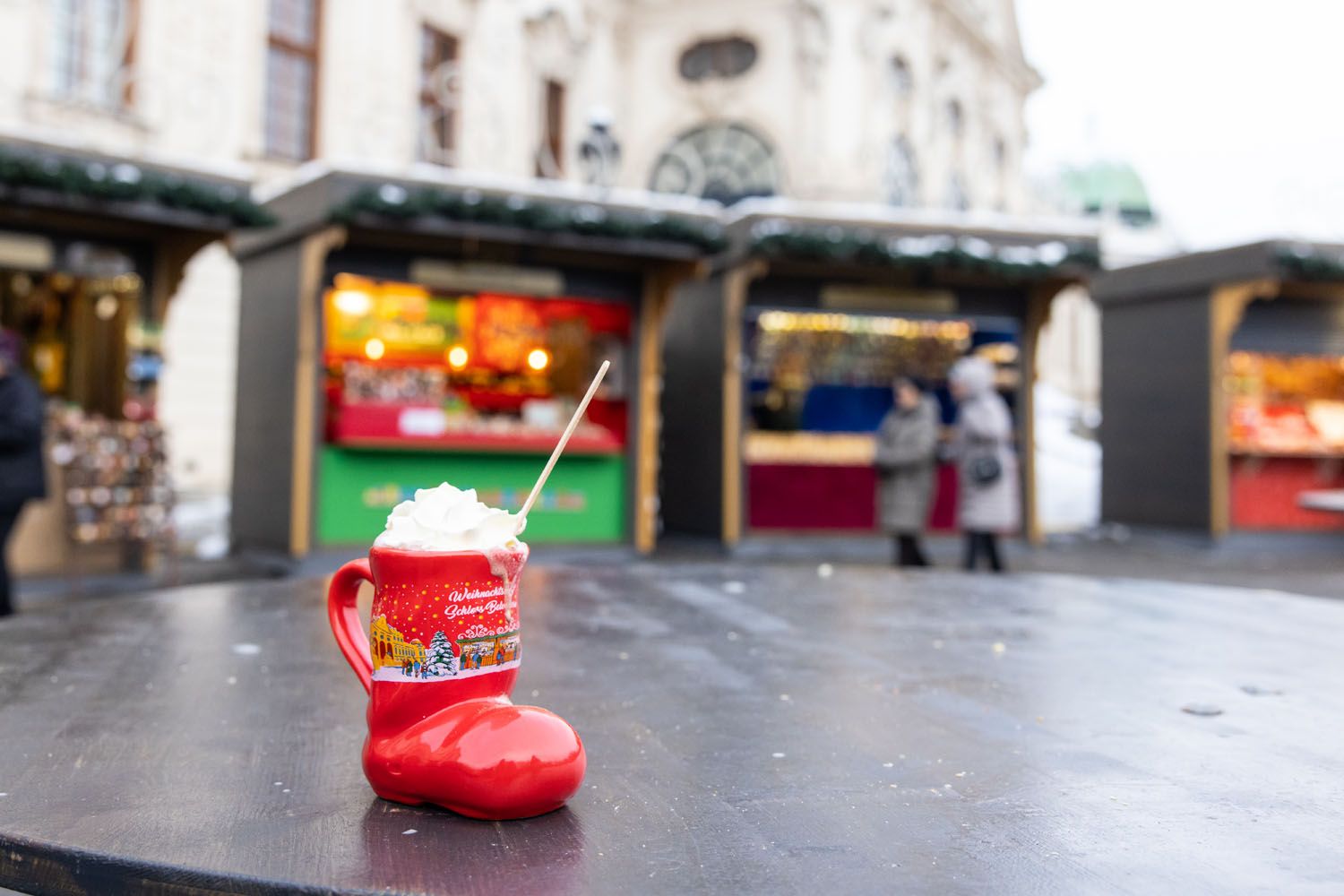
Vienna remains the spiritual home of the boot-shaped mug. The inaugural experience—sipping steaming wine from a miniature ceramic boot—set the gold standard for the hobby. In the years that followed, the collection expanded to include the Christmas Village at Maria Theresien Square, the academic charm of the Campus University of Vienna, and the regal backdrop of the Belvedere Palace. Each location offers a unique variation of the boot, reinforcing the city’s reputation as a top-tier destination for serious collectors.

The German Expansion
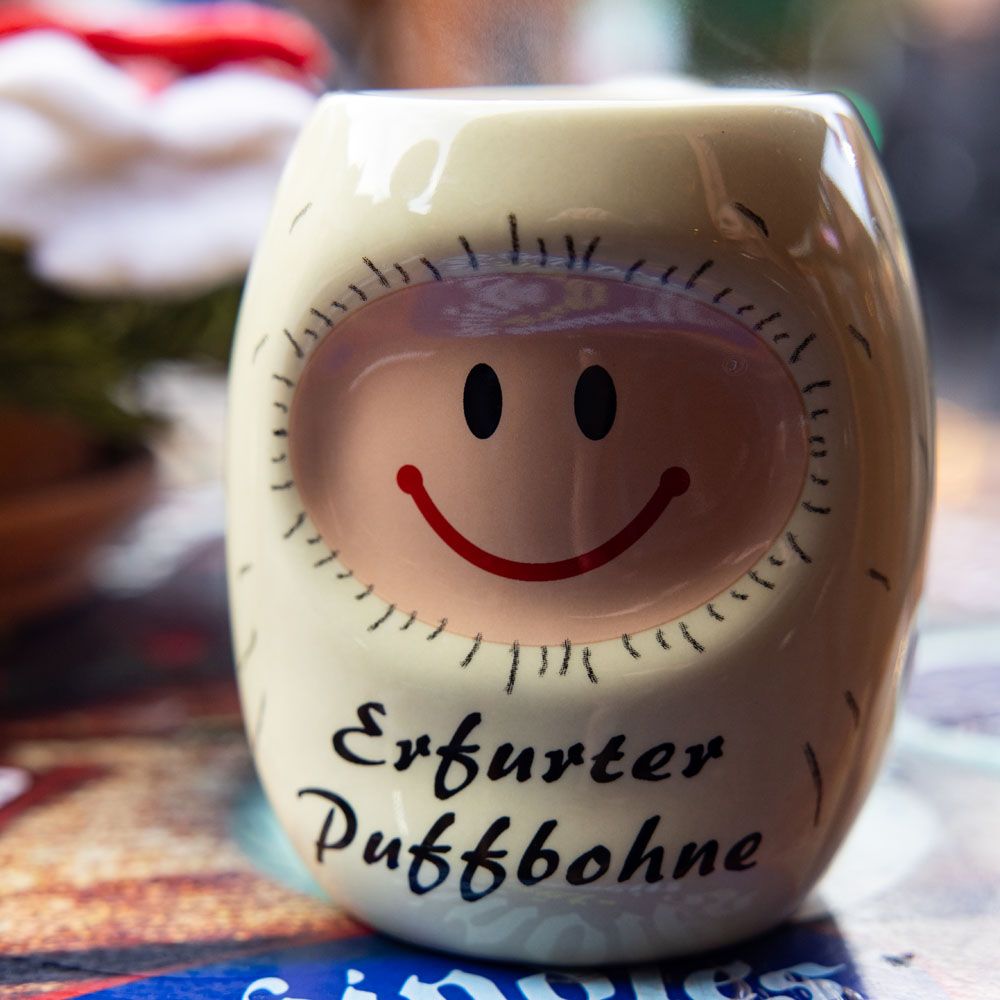
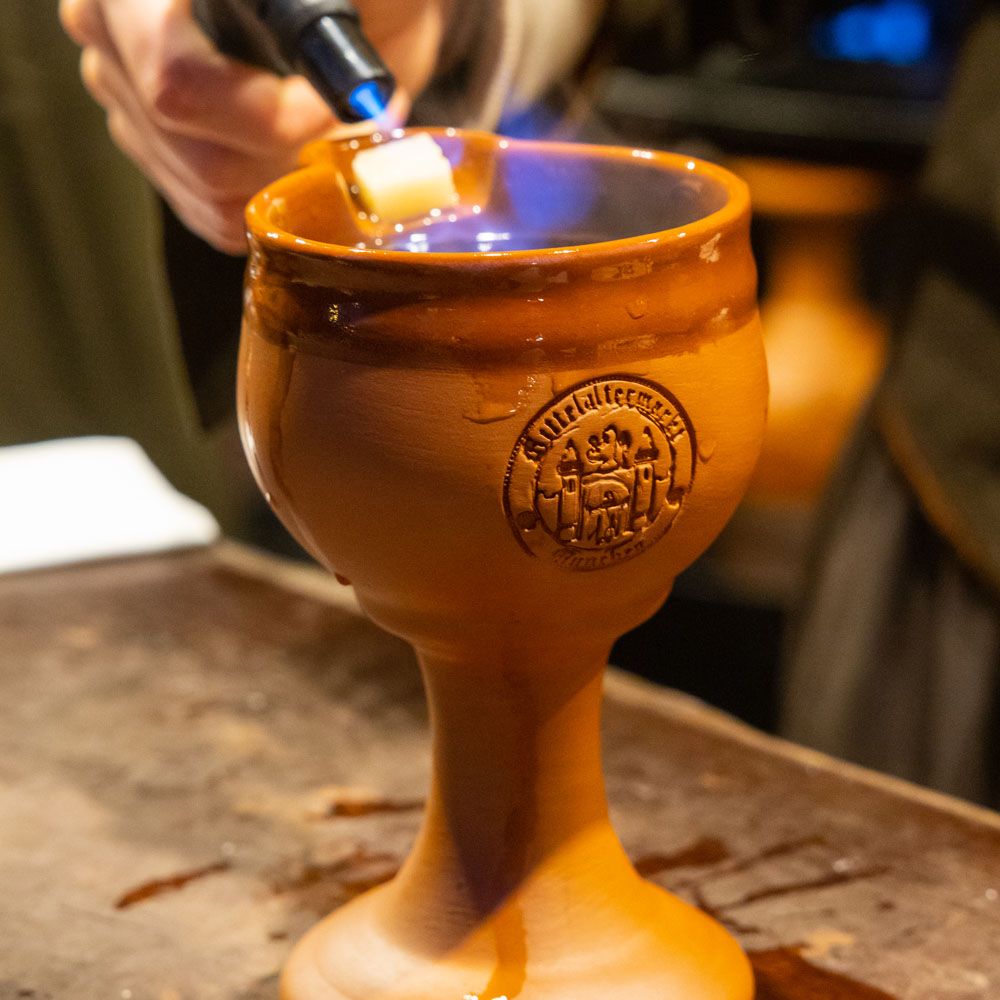
Germany, with its dense network of over 20 distinct market regions, provides the highest volume of variety. From the medieval spectacles of Munich—where flaming Feuerzangenbowle (fire tongs punch) is served in heavy, specialized goblets—to the artistic, broad-bean-inspired "Puffbohne" mugs of Erfurt, the diversity is staggering.

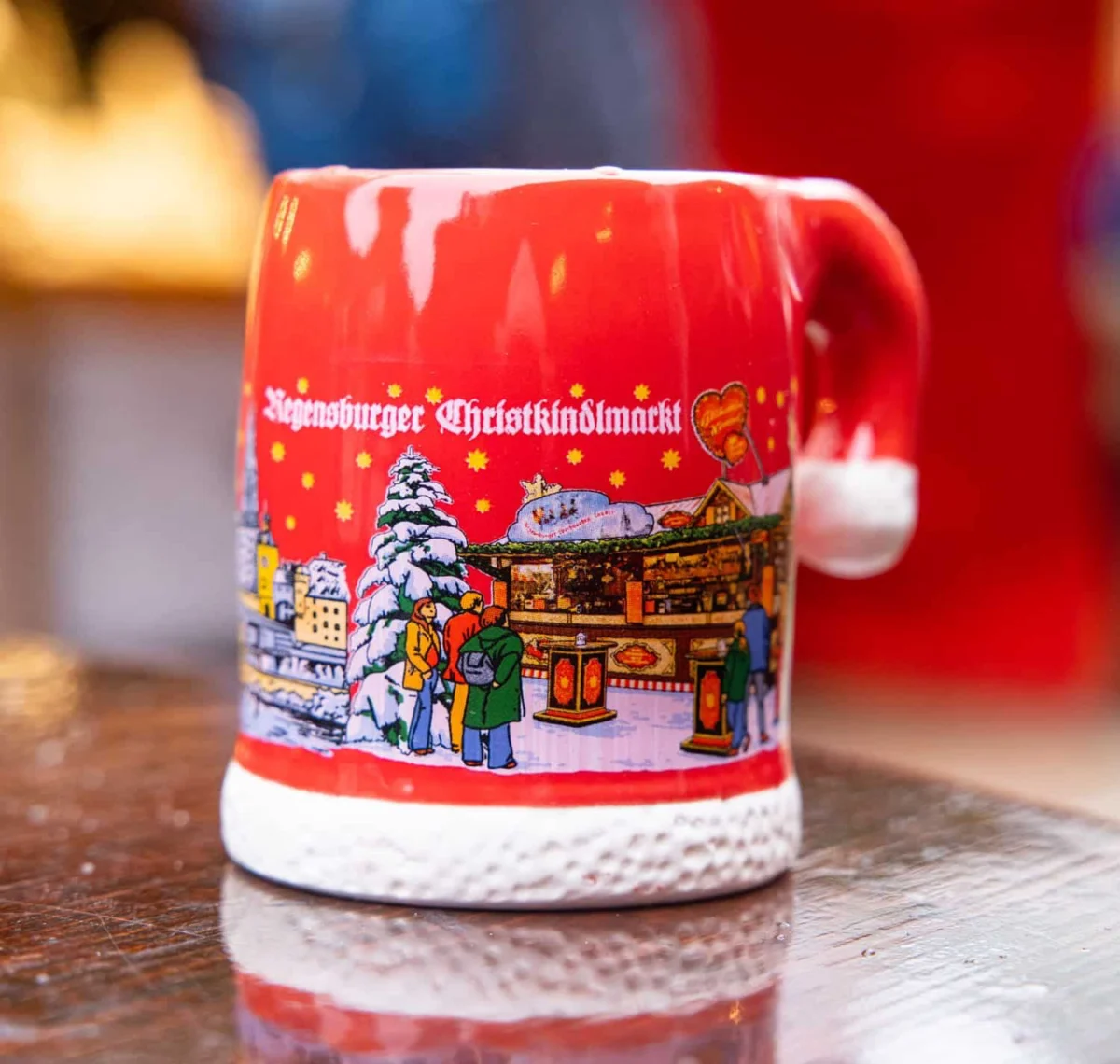
In Dresden, home to the Striezelmarkt (dating back to 1434), the mugs reflect a more traditional, historic aesthetic. In contrast, Regensburg offers the whimsical: mugs shaped like traditional winter hats, pushing the boundaries of ceramic design.
The Polish Discovery
The Wrocławska Christmas Market in Poland stands as a testament to the region’s underrated status. The market, set against a stunning historic square, produces some of the most impressive merchandise in Europe, including oversized, exaggerated boot-shaped mugs that have become the centerpiece of many private collections.
Supporting Data: The Anatomy of a Mug
To understand the scale of this phenomenon, one must look at the "mug economy." While the exact number of mugs produced annually for European markets is difficult to track, anecdotal data from major transit hubs and market organizers suggests that millions of units are put into circulation every December.
The "Pfand" System: A Breakdown
- Average Deposit: Typically ranges from €2 to €5, though specialized, high-end, or artistic goblets can command a deposit of up to €10.
- The "No-Drink" Purchase: Many vendors are willing to sell the mug as a standalone souvenir if requested, allowing collectors to expand their sets without consuming excessive amounts of sugar or alcohol.
- Logistics of Preservation: The primary challenge for any collector is transport. Navigating international flights with a suitcase full of ceramicware requires creative packing—often utilizing scarves and winter sweaters as padding—to ensure the fragile souvenirs arrive home intact.
Cultural Perspectives and Professional Insight
Market organizers and local historians often view these mugs as essential components of the "Market Identity."

"The mug is not just a cup," says one local stall vendor in Munich. "It is a badge of residency for the duration of the season. When a visitor holds a mug from a specific year, they are carrying a piece of that year’s specific cultural temperature."

However, not all markets have adopted the ceramic standard. In some regions, particularly in France (notably Strasbourg and Colmar), the shift toward sustainability has moved toward reusable, hard-plastic cups. While these are objectively more durable and eco-friendly, they lack the tactile warmth and collectible prestige of the traditional ceramic mugs found in Central Europe. For the traditionalist collector, this creates a distinct divide between markets that prioritize "the hunt" and those that prioritize pure functionality.

The Implications: Why We Collect
The implications of this tradition extend far beyond the kitchen cabinet. For the traveler, these mugs act as "memory anchors."

Sensory Recall
Sipping coffee from a mug marked "Erfurt 2026" on a Tuesday morning in one’s own kitchen triggers a sensory chain reaction. It brings back the smell of woodsmoke, the sight of the cathedral lights, and the feeling of the biting cold against one’s cheeks.

The Sustainability Factor
By moving away from single-use paper or plastic cups, the Christmas market model offers a blueprint for other event-based tourism industries. It turns a potential trash item into a cherished object of value. The market for these mugs is, by definition, self-limiting; one can only store so many, yet the joy of acquiring a new design keeps the tourism economy vibrant.
Planning Your Own Expedition
For those looking to begin their own collection, a few "Pro Tips" are essential:

- Survey the Market: Before committing to the first drink, walk the entire market. Larger venues often have multiple stalls with competing designs.
- The Exchange: If you wish to keep a mug but don’t want to carry a sticky, used one around, ask the vendor for a clean, unused version. Most are happy to accommodate.
- Check the Dates: Some markets sell "leftover" inventory from previous years, or even anticipatory mugs for the upcoming year. If you find a date that doesn’t match your visit, it can actually add a layer of intrigue to the collection.
- Know Your Limit: Recognize that while London, Prague, and other major cities are wonderful for atmosphere, they are not always "mug-heavy" destinations. Plan your route through Germany and Austria if you are hunting for high-quality ceramic craftsmanship.
Conclusion: A Legacy in Clay
As we look toward future holiday seasons, the humble Christmas market mug remains one of the most enduring, affordable, and meaningful ways to document travel. It is a tradition that rewards curiosity, encourages the exploration of smaller, underrated cities, and creates a physical connection to the festive spirit of Europe.

Whether it is the "Puffbohne" family of Erfurt or the flaming goblets of the Medieval Munich market, these ceramic keepsakes ensure that the magic of the Christmas market doesn’t end when the stalls close—it simply comes home with you.
 Laily UPN
 Reynand Wu
 Iffa Jayyana
