

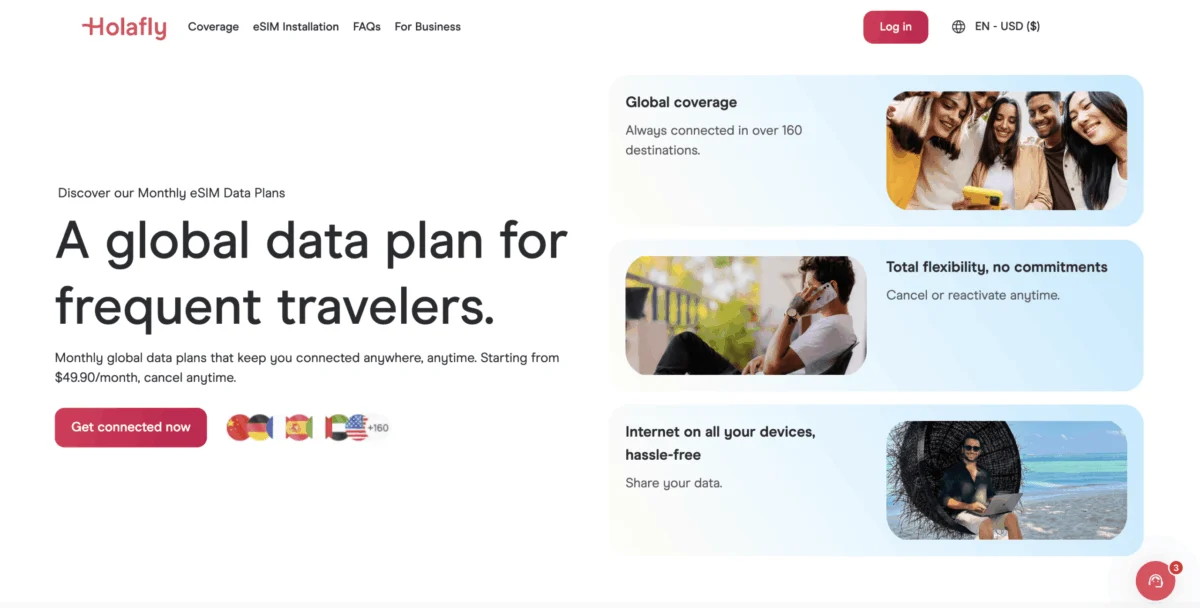
In the modern era of travel, connectivity has shifted from a luxury to an essential utility. For digital nomads, expatriates, and frequent business travelers, the ability to maintain a stable, high-speed internet connection across international borders is as vital as a passport. Traditionally, travelers have relied on a fragmented ecosystem of physical SIM cards, expensive international roaming packages from home-country carriers, or "one-and-done" eSIMs designed for individual trips.
However, a new evolution in telecommunications technology is changing the landscape: the global eSIM subscription. Leading this shift is Holafly, a prominent player in the digital connectivity space, which recently unveiled its "Holafly Plans"—a recurring, subscription-based model that offers seamless, multi-country coverage without the need for manual swapping or frequent re-purchasing.
Main Facts: The End of the "SIM Shuffle"
The core innovation of Holafly Plans lies in its architectural simplicity. Unlike a standard eSIM, which is tethered to a specific geographic region and a fixed duration, Holafly Plans operate as an ongoing service. Once the user installs the eSIM, it functions as a persistent digital connection that spans more than 160 destinations.
As you cross borders—moving from, say, a morning in Thailand to an evening arrival in Madagascar—the device automatically negotiates with local networks to re-establish connectivity. This eliminates the "SIM shuffle" that has plagued international travelers for decades: no more hunting for airport kiosks, no more fumbling with tiny plastic cards, and no more worrying about QR codes while standing in a busy transit hub.
For the user, the experience is designed to mirror a domestic mobile plan. You pay a monthly fee, you maintain your connection, and you bypass the administrative friction of modern travel.
The Chronology of Innovation: From Single-Use to Subscription
The transition to this model did not happen overnight. The telecommunications market has undergone a distinct three-phase evolution:

- The Physical Era: For years, travelers relied on local physical SIM cards. This required locating a vendor upon arrival, navigating language barriers, and often paying inflated prices at tourist-heavy airports.
- The Rise of the eSIM: Roughly half a decade ago, the introduction of eSIM technology allowed users to download carrier profiles directly to their phone’s hardware. While revolutionary, these early iterations were largely "single-use," meaning a traveler visiting three countries in a month would need to purchase three separate eSIMs, leading to fragmented billing and management.
- The Subscription Model (Present Day): Holafly’s recent launch of subscription-based plans marks the third phase. By decoupling the service from specific dates and locations, the company has effectively created a "global roaming" product that functions as a permanent utility for the frequent traveler.
Supporting Data: Why the Subscription Model Wins
The economic and logistical advantages of moving to a subscription-based eSIM model are significant, particularly for those who spend more than a few weeks per year outside their home country.
Comparative Cost Analysis
When comparing the costs of various connectivity solutions, the savings become clear. A typical US-based major carrier often charges between $10 and $15 per day for international roaming passes. For a two-week trip, this can quickly exceed $150. Conversely, Holafly’s Unlimited Plan is priced at approximately $55–$65 per month, depending on the commitment term.
| Feature / Cost | Holafly Plans (Unlimited) | US Major Carrier Roaming | Local SIM / Single eSIM |
|---|---|---|---|
| Monthly Cost | ~$55–$65 | $100–$300 | $60–$120 |
| Data Allowance | Truly Unlimited | Throttled after cap | Varies (capped) |
| Hassle Factor | Near Zero | High Cost | High Management |
| Hotspotting | Included | Often Restricted | Varies |
The data shows that for a frequent traveler, the subscription model is not only more convenient but significantly more cost-effective. By centralizing the bill and removing per-day roaming fees, the subscription model provides budget predictability—a luxury that was previously unavailable to those roaming internationally.
Official Perspectives: The "Always On" Feature
One of the most notable aspects of the new Holafly Plans is the "Always On" feature. Recognizing that connectivity is a safety net as much as a tool for convenience, Holafly has integrated a baseline of support into every plan.
Even if a user decides to cancel their active subscription, the plan retains a 1GB backup data provision. This serves as a vital safety measure, ensuring that a traveler who accidentally lets their subscription lapse while moving between regions isn’t left completely disconnected. This feature demonstrates a shift in the company’s philosophy: they are no longer just selling data; they are providing an infrastructure for global mobility.
Furthermore, the introduction of the "Ultra Plan" adds a layer of value-added services. By including travel-related support—such as assistance with lost items or basic travel contingencies—Holafly is attempting to bundle the "stress-relief" aspect of travel into the connectivity package.
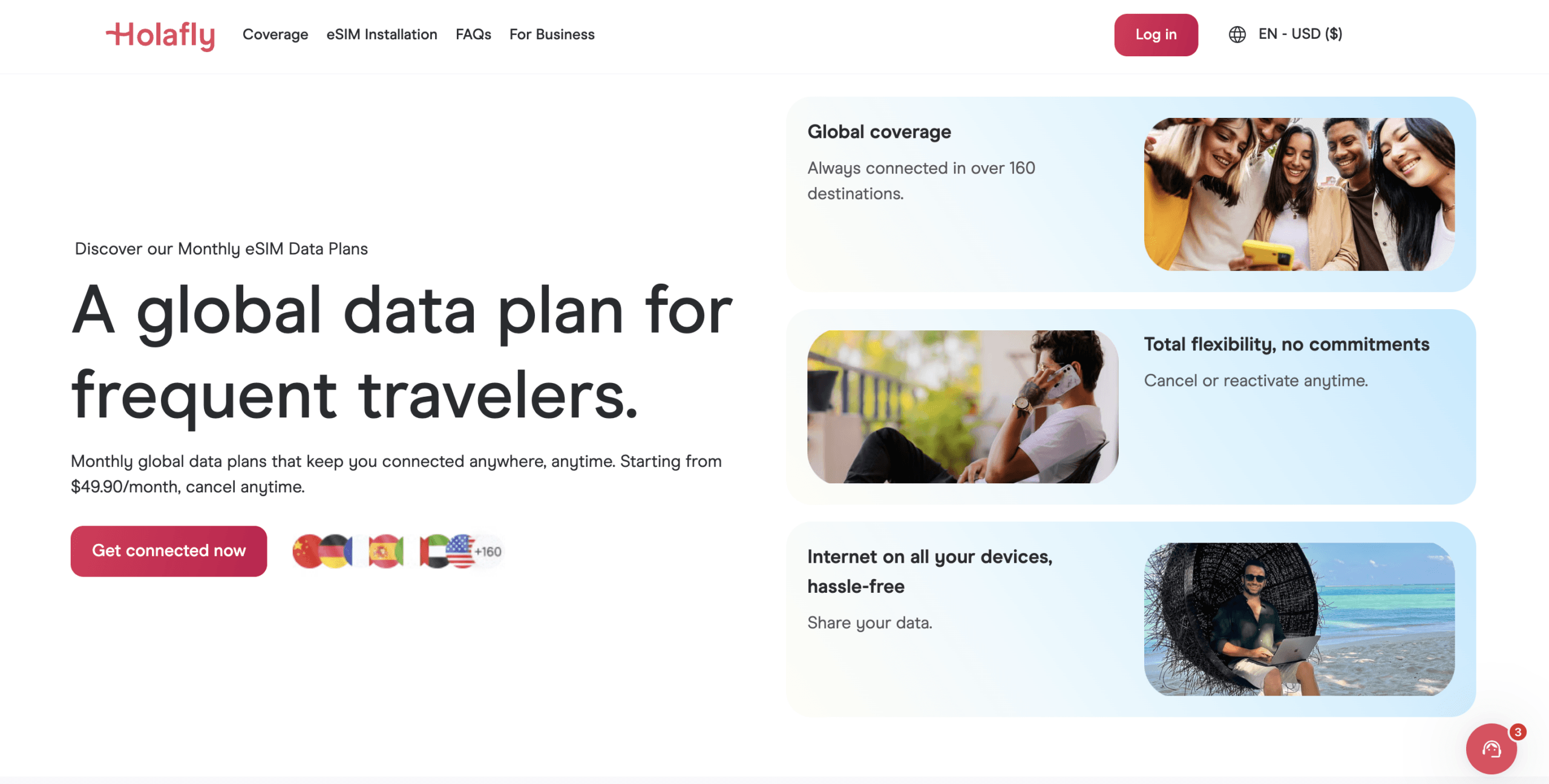
Implications for the Digital Nomad Lifestyle
The rise of the global eSIM subscription has profound implications for the future of work and travel. As remote work becomes a permanent fixture of the global economy, the definition of "home" is becoming increasingly fluid.
Seamless Productivity
For the digital nomad, a reliable, unlimited hotspot is the lifeline of their business. The ability to tether a laptop to a smartphone, confident that the data will not be throttled or capped, is a game-changer. It allows professionals to maintain the same level of productivity in a cafe in Lisbon as they would in an office in New York.
The Psychological Shift
Beyond the technical, there is a psychological shift. When connectivity is constant, the anxiety of "finding a connection" vanishes. This allows the traveler to focus on their destination rather than the logistics of their device. The "friction" of travel—the mental load of navigating local telecom regulations—is effectively offloaded to the service provider.
Sustainability and Efficiency
From an environmental and logistical standpoint, the move away from physical SIM cards is a positive trend. Reducing the production of plastic cards and the logistics of shipping physical goods represents a cleaner, more efficient way of managing global connectivity.
Who Should Consider the Switch?
While Holafly Plans offer significant advantages, they are not a "one-size-fits-all" solution.
- The Case for Casual Travelers: If you take one or two vacations per year, a single-destination, short-term eSIM is still the most efficient choice. You pay only for what you need for the duration of your trip.
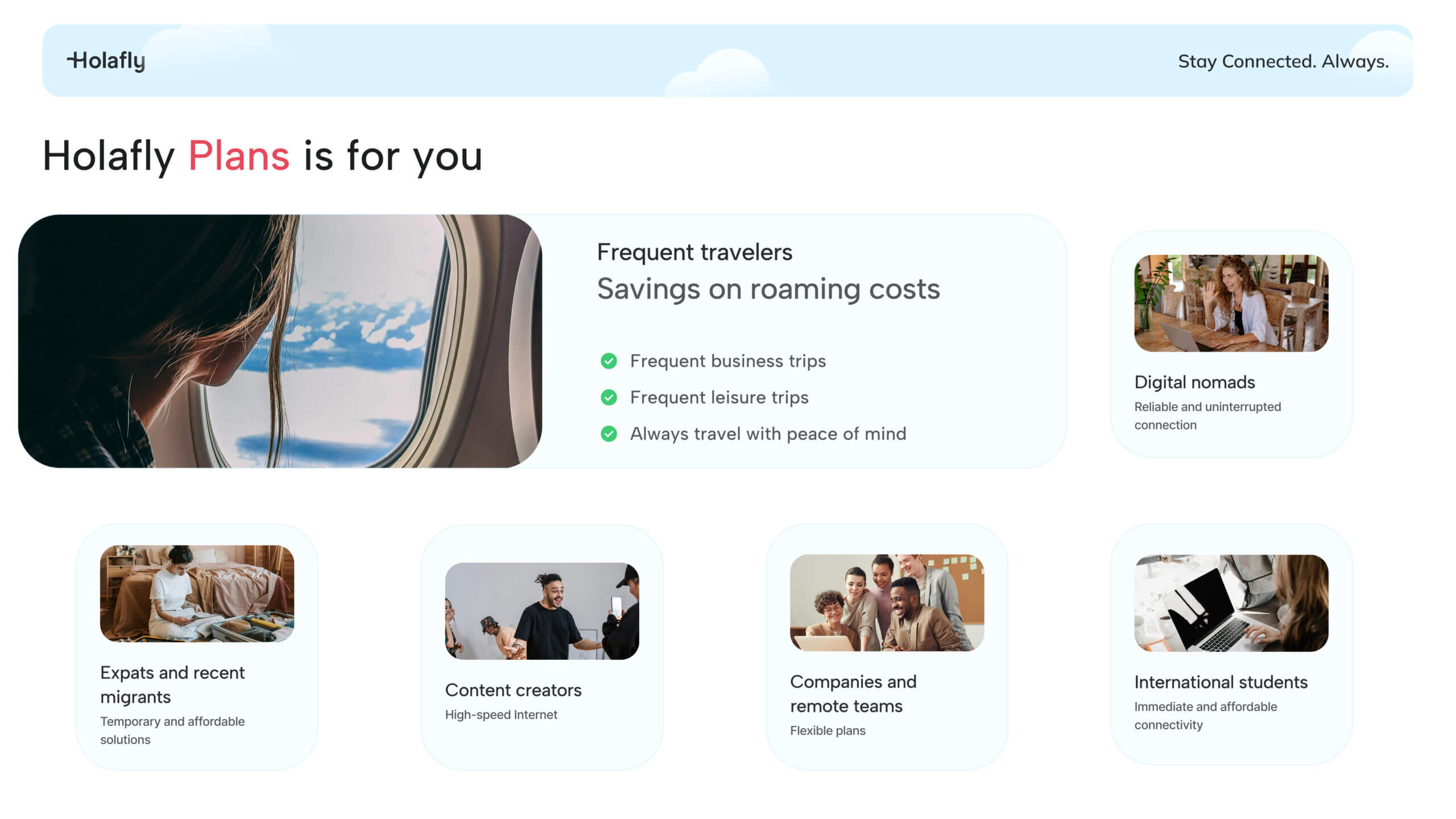
- The Case for Frequent Travelers: If you are a digital nomad, a business consultant, or someone who spends significant time living abroad, the Holafly Plans are designed specifically for your lifestyle. The one-time setup, the recurring billing, and the 160+ country coverage make it the premier choice for those who are always on the move.
Navigating the Setup Process
The transition to a subscription eSIM is intentionally frictionless. The process generally follows a simple three-step workflow:
- Selection: Users select their plan—Light (25GB) or Unlimited—and choose a payment cycle (monthly, quarterly, or yearly).
- Installation: Upon purchase, a QR code is generated. This is scanned once, and the eSIM profile is installed directly into the phone’s hardware.
- Activation: Once in a new country, the eSIM automatically detects the local partner network. The user remains connected without further intervention.
Should technical issues arise, the company maintains 24/7 support. This "human-in-the-loop" approach is critical, as connectivity is often the first thing travelers worry about when arriving in a new, unfamiliar environment.
Final Thoughts: The New Standard for Global Roaming
The evolution of telecommunications is moving toward a future where the concept of "roaming" becomes obsolete. We are entering an era of "borderless data," where a single subscription provides the same utility regardless of longitude or latitude.
Holafly Plans represent the vanguard of this movement. By focusing on the needs of the long-term, mobile traveler, they have created a service that feels less like a series of disjointed purchases and more like a permanent, reliable companion. For those who find themselves constantly on the move, the ability to rely on a single, consistent, and unlimited connection is a fundamental improvement to the travel experience.
As technology continues to advance, we can expect the barrier between domestic and international connectivity to continue to erode. Until then, the subscription-based eSIM stands as the most robust solution for the modern, global citizen. Whether you are uploading video content from a mountain range in Madagascar or simply checking maps in the heart of London, the ease of having a single, reliable, and unlimited connection is the new gold standard for those who call the world their office.
For those interested in exploring these options, remember that tools and resources—like promo codes for services or travel insurance—can significantly lower the barrier to entry for long-term travel. Always ensure your phone is "eSIM unlocked" before attempting to install a new plan, and prepare for your journey with the right logistics in place.
 Nana Wu
 Nana
 Jia Lissa
