

Main Facts: The Itinerary Overhaul
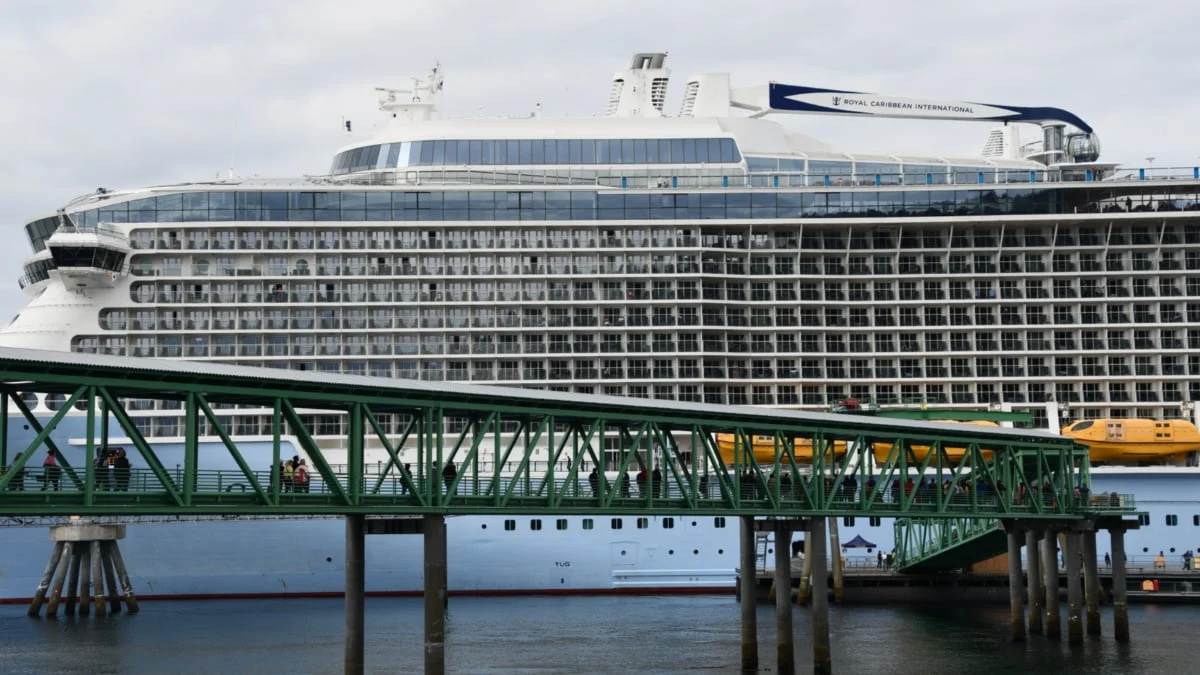
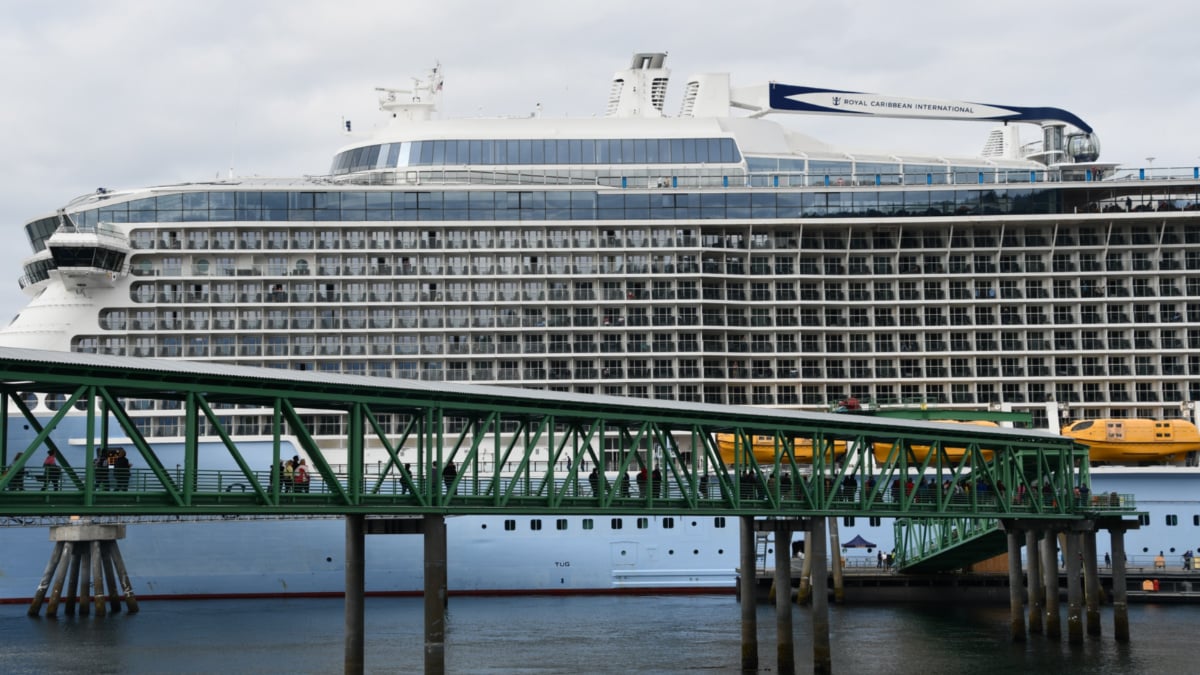
Royal Caribbean International has made significant adjustments to the inaugural Alaska sailing of the 2027 season for Anthem of the Seas. The 4,180-guest Quantum-class vessel, which was originally scheduled to embark on a seven-night, round-trip voyage from Vancouver on May 7, 2027, has dropped a planned port call at Icy Strait Point. In its place, passengers will experience an unexpected sea day.
The route modification was quietly communicated to booked guests via notifications sent out on October 21, 2026. According to the cruise line, the decision to drop Icy Strait Point—originally slated for May 9—was driven by necessary compliance with navigation speed restrictions.
In addition to losing the Icy Strait Point stop entirely, travelers will see their time in Alaska trimmed in other ways. The voyage’s final port call in Ketchikan has been shortened by two hours, with the ship now scheduled to depart at 5:00 p.m. rather than the originally published 7:00 p.m. Despite these cuts, other highlights of the voyage remain unchanged. Scenic cruising past the majestic Hubbard Glacier, as well as the port call in Sitka and the eventual return to Vancouver, will proceed as planned.
The adjustments have direct administrative consequences for passengers. Royal Caribbean announced that all prepaid shore excursions booked directly through the cruise line for Icy Strait Point will be automatically cancelled and refunded. Similarly, affected excursions in Ketchikan are being either rescheduled or cancelled. All refunds for cancelled tours are slated to be returned to the guests’ original forms of payment within 14 business days.
Chronology of Events
Understanding how this itinerary change unfolded requires looking at a timeline that spans from initial deployment announcements to passenger notifications:
- Late 2025 / Early 2026: Royal Caribbean officially opens bookings for its 2027 Alaska season, positioning Anthem of the Seas to helm the region starting in May 2027. The itineraries are published with standard port times, including full-day stops in Icy Strait Point and Ketchikan.
- June 2026: An incident involving Ovation of the Seas—where a deceased fin whale is discovered on the ship’s bow upon arrival in Seward—sparks regional outcry. Environmental groups, including the Center for Biological Diversity, publicly demand that Royal Caribbean implement voluntary or mandatory speed reductions in known whale habitats.
- October 21, 2026: Booked passengers for the May 7, 2027, maiden voyage receive unexpected notifications via email and guest portals detailing the removal of Icy Strait Point and the shortened stay in Ketchikan.
- May 7, 2027 (Scheduled): Anthem of the Seas is scheduled to depart Vancouver, marking the official launch of its 2027 Alaska deployment, which includes a transition to one-way 7-night itineraries between Vancouver and Seward through late September 2027.
Supporting Data and Context
To fully grasp the operational hurdles facing cruise lines in Alaska, it is vital to examine the scale of the deployment, historical precedents of technical slowdowns, and environmental pressures bearing down on the industry.
The Scale of Anthem of the Seas in Alaska
Anthem of the Seas is a massive vessel, measuring roughly 168,666 gross tons (similar to its sister ship Ovation of the Seas) and capable of accommodating well over 4,000 guests at double occupancy. Deploying a Quantum-class ship to Alaska requires precise logistical timing, fuel management, and environmental compliance, given the sensitive marine ecosystems of the Inside Passage. Following its round-trip Vancouver kickoff on May 7, 2027, the ship is scheduled to pivot to one-way, seven-night itineraries between Vancouver, British Columbia, and Seward, Alaska, continuing this pattern through late September 2027.
Historical Precedents of Speed Restrictions
This is not the first time Royal Caribbean has had to juggle speed limits and itinerary timelines in northern waters. In 2025, Serenade of the Seas was forced to skip Icy Strait Point due to technical troubles onboard that restricted the ship’s maximum operating speed. When a vessel cannot maintain its projected knots, maritime operators are frequently forced to drop a port of call to preserve fuel, protect engine longevity, and ensure they can safely make subsequent dock times.
Environmental Pressure and Whale Safety
The broader conversation regarding cruise ship speeds in Alaska has intensified significantly in recent years. Following the June 2026 incident involving Ovation of the Seas—which arrived in Seward carrying a dead, pregnant fin whale on its bow—environmental advocacy groups applied heavy pressure on cruise operators. The Center for Biological Diversity publicly urged Royal Caribbean and other lines to adopt mandatory speed limits in critical whale habitats to prevent vessel strikes.
While environmental groups pushed for voluntary slowdown policies months after the 2027 itineraries were already mapped out, Royal Caribbean has not explicitly linked the Anthem of the Seas adjustments to the whale strike advocacy. Nevertheless, temporary and permanent speed restrictions—whether implemented for marine mammal protection, emissions reduction, or local navigational safety—frequently alter cruise schedules after itineraries have been finalized and sold to the public.
Official Responses and Passenger Reactions
Royal Caribbean’s official communication regarding the change was brief, emphasizing passenger comfort and regulatory compliance above operational specifics.
"To comply with speed restrictions and maintain a comfortable sailing experience, we’ll enjoy an additional Sea Day in place of our visit to Icy Strait Point, Alaska," the cruise line stated in notices sent to impacted travelers.
However, the lack of granular detail has left many passengers dissatisfied. On social media platforms, including dedicated cruising Facebook groups where the notification was first heavily circulated, travelers voiced frustration over the planning process.
One affected guest captured the sentiment of many onboard when they questioned the timing of the announcement:
"I understand that speed restrictions need to be followed, but I would think those factors would have been considered when planning the itinerary in the first place."
Passengers pointed out that booking a cruise months or even years in advance relies heavily on the promised port destinations—particularly niche, wildlife-rich stops like Icy Strait Point, which is celebrated for whale watching and cultural experiences. Replacing a port day with a sea day, paired with a shortened visit to Ketchikan, fundamentally alters the value proposition of a week-long cruise.
Implications for Future Cruising
The alteration of the Anthem of the Seas itinerary highlights several broader implications for the cruise industry, particularly within fragile and highly regulated regions like Alaska.
1. The Growing Friction Between Itinerary Marketing and Operational Reality
Cruise lines continually strive to offer attractive, port-dense itineraries to entice travelers in a competitive market. However, as maritime regulations tighten, environmental oversight increases, and technical parameters on mega-ships become more stringent, the margin for error narrows. When cruise lines must choose between arriving late, burning excessive fuel, or dropping a port to adhere to speed caps, ports like Icy Strait Point—which require specific routing detours—are often the first to go.
2. Evolving Environmental Regulations
As marine conservation groups continue to lobby federal and local authorities (as well as cruise lines directly) for stricter whale-protection protocols, voluntary or mandated speed restrictions are likely to become more common in the Pacific Northwest. Cruise operators may increasingly find themselves retrofitting schedules to account for slower transit speeds through sensitive waters, meaning future itinerary changes of this nature could become a regular occurrence rather than an isolated anomaly.
3. Guest Compensation and Trust
Royal Caribbean’s handling of the situation—offering automatic refunds for prepaid excursions within a 14-day window—adheres to standard industry practice. Yet, as itinerary modifications become more frequent due to environmental rules and speed constraints, cruise lines will face mounting pressure to improve communication transparency. Managing consumer expectations early and providing clearer rationales for why speed limits suddenly impede pre-planned routes will be vital to preserving passenger loyalty in the booming Alaska cruise market.
 Dwi Wanna
 Laily UPN
 Asep Darmawan
