

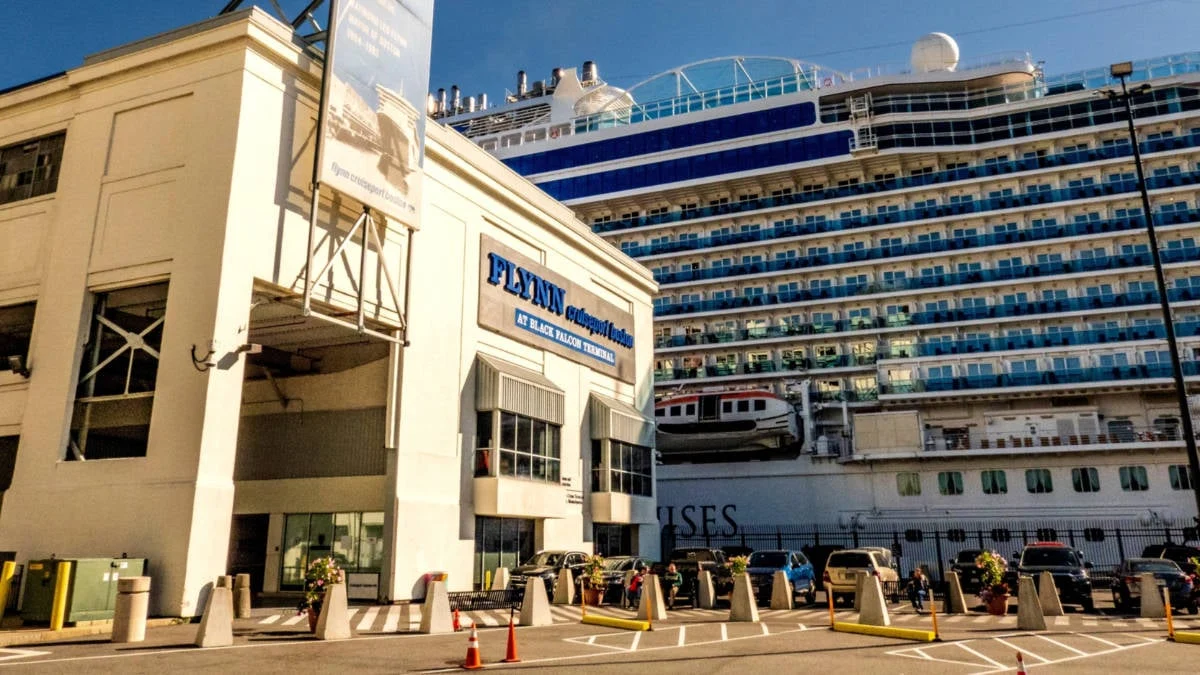
BOSTON — In a sweeping and coordinated federal crackdown targeting illicit digital networks at sea, U.S. Customs and Border Protection (CBP) has announced the removal of 87 cruise ship crew members from various vessels docked at the Port of Boston. The ongoing enforcement action, designated as "Operation Tidal Wave," represents a massive, multi-agency initiative aimed at eradicating child sexual exploitation and abuse materials (CSEM and CSAM) from the maritime tourism sector.
The operation is being executed jointly by CBP, Homeland Security Investigations (HSI), and the Internet Crimes Against Children (ICAC) Task Force. According to federal authorities, the sweep specifically targets non-U.S. citizen crew members suspected of involvement in the possession, use, procurement, production, or distribution of CSEM and CSAM. Since mid-August 2026, the Port of Boston has served as a primary focal point for these intensive border enforcement actions.
Despite the high-profile nature of the removals and the substantial number of individuals processed, federal authorities have emphasized that the operation has caused no operational disruptions, delays, or itinerary changes for any of the cruise lines or vessels involved.
Chronology of Operation Tidal Wave: A Nationwide Enforcement Sweep
Operation Tidal Wave did not begin in Boston; rather, it is the continuation of an expansive, highly calculated national strategy designed to root out illicit digital materials aboard passenger vessels operating within U.S. jurisdictional waters.
Phase 1: San Diego (April 2026)
The campaign officially kicked off in April 2026 on the West Coast at the Port of San Diego. During this initial phase, federal agents executed comprehensive searches and administrative enforcement actions against 27 crew members hailing from six different cruise ships. Among the vessels targeted during this initial Western sweep was the prominent Disney Magic, operated by Disney Cruise Line. The sudden enforcement actions captured public attention as passengers watched authorities board the vessel and remove crew members.
Phase 2: San Juan, Puerto Rico (June–July 2026)
Moving southward into the Caribbean theater, Operation Tidal Wave shifted its focus to the Port of San Juan during June and July. Federal investigators processed and removed 14 crew members from various cruise ships visiting the territory. Highlighting the severity of the enforcement, at least one of the removed crew members reportedly accepted federal criminal prosecution rather than voluntary administrative removal.
Phase 3: The Boston Campaign (Mid-August to September 2026)
The operation transitioned to the Northeast in mid-August, establishing a persistent presence at the Port of Boston. Initial actions in Boston saw 11 crew members removed from two distinct vessels: Norwegian Cruise Line’s Norwegian Breakaway and Holland America Line’s Volendam.
The sweep continued to yield results into the early autumn. On Sunday, September 20, CBP confirmed that an additional six crew members were removed from the Norwegian Breakaway. The 3,903-guest vessel had just concluded a seven-night Canada and New England cruise and was actively preparing to embark on a subsequent seven-night itinerary. According to federal officials, these six individuals formally admitted to the offenses during subsequent investigative interviews.
In total, the Boston-area operations have accounted for 87 crew member removals over a compressed six-week timeframe.
Supporting Data and Operational Methodology
While the sheer volume of removals—87 individuals in six weeks—underscores the massive scale of Operation Tidal Wave, federal authorities have maintained strict confidentiality regarding specific identities, citing ongoing investigative protocols and privacy regulations.
Demographics and Legal Status
CBP has confirmed that all 87 individuals removed from cruise ships in the Boston area are non-U.S. citizens. Because they do not hold U.S. citizenship, they do not possess an inherent right to enter or remain in the country. Instead, they operate within the maritime industry under conditional landing permits or crewmember visas (C-1/D visas).
When individuals are implicated in crimes involving CSEM or CSAM, they are processed for expedited removal under Section 212(a)(2)(A)(i)(I) of the Immigration and Nationality Act (INA). Under this statute, offenses involving child exploitation are classified as crimes involving "moral turpitude," rendering the foreign nationals instantly inadmissible to the United States and subject to immediate revocation of their crewmember status.
Investigative Techniques and Shipboard Searches
Although federal agencies have not publicly detailed the exact nature of the digital evidence collected in every instance, past operations of this scale have relied heavily on digital forensics. Law enforcement officers equipped with specialized cyber-crime training conduct targeted searches of crew quarters—including personal lockers, cabins, and electronic devices such as laptops, external hard drives, and smartphones.
Intelligence-led policing forms the backbone of Operation Tidal Wave. Federal cyber units monitor peer-to-peer networks, cloud storage accounts, and encrypted communication channels known to be utilized by global rings distributing CSEM and CSAM. When digital footprints intersect with vessel manifests and crew rosters, federal task forces coordinate with port authorities to intercept the ships the moment they dock on U.S. soil.
Scope of Affected Vessels in Boston
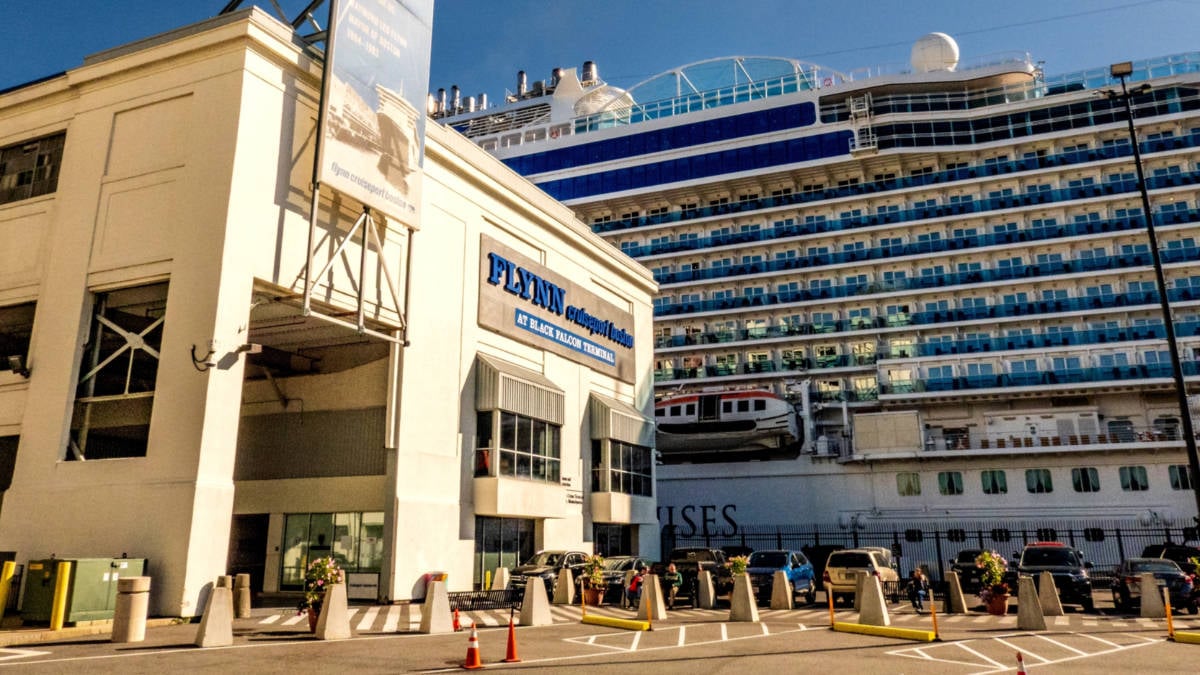
Authorities have not officially released a comprehensive list identifying every individual ship targeted during the Boston phase, nor have they specified how many crew members were pulled from any single vessel, aside from the confirmed actions on the Norwegian Breakaway and Volendam.
However, the Port of Boston and surrounding regional ports have experienced a high volume of cruise traffic throughout the late-summer and early-autumn shoulder season. Between mid-August and the end of September, vessels representing a vast array of major international cruise lines utilized Boston as a homeport or a frequent port of call. These lines include:
- Holland America Line
- Norwegian Cruise Line
- Royal Caribbean International
- Celebrity Cruises
- Princess Cruises
- Cunard Line
- Virgin Voyages
- Silversea Cruises
- AIDA Cruises
- TUI Cruises
Despite the intensive law enforcement presence and the systematic removal of personnel, cruise operations have remained completely unaffected. Cruise lines have swiftly backfilled essential operational roles using reserve crew pools, ensuring that passenger vacations experienced zero delays or cancellations.
Official Responses and Federal Statements
The interagency collaboration behind Operation Tidal Wave highlights a unified federal resolve to police transnational industries that inadvertently serve as conduits for illicit activities. Senior law enforcement officials have issued stern warnings to maritime workers worldwide, making it clear that cruise ships will not be allowed to become safe havens for offenders.
Julio Caravia, Acting Director of Field Operations for CBP, issued a powerful statement emphasizing the unwavering stance of the federal government:
"The success of Operation Tidal Wave reflects the unwavering dedication of our officers and partners to protect the most vulnerable. Let the removal of these 87 be a message to others: we will not accept this exploitation and CBP will not stop identifying and arresting the individuals who participate in it."
Law enforcement leaders from Homeland Security Investigations and the ICAC Task Force echoed these sentiments, stressing that the protection of children supersedes corporate convenience or industry sensitivities. By integrating local, state, and federal resources, the task force has demonstrated a seamless capability to track transnational offenders across state and international maritime boundaries.
Broader Implications and Future Outlook
The ramifications of Operation Tidal Wave extend far beyond the immediate removal of 87 individuals. The initiative is redefining legal, operational, and corporate standards across the global cruise industry.
Legal and Immigration Consequences for Offenders
For non-U.S. citizen crew members found to be in possession of or linked to CSEM and CSAM, the penalties are severe and permanent:
- Immediate Termination: Cruise lines maintain zero-tolerance policies regarding child exploitation. Implicated crew members are fired on the spot.
- Revocation of Maritime Privileges: Individuals face the immediate cancellation of their conditional landing permits and crewmember visas.
- Federal Criminal Prosecution: Depending on the severity and jurisdiction of the evidence, individuals may face felony federal charges, leading to incarceration in U.S. federal prisons prior to deportation.
- Decade-Long Ban: Under U.S. immigration law, individuals removed under these provisions face a mandatory 10-year ban (and in many cases, a permanent lifetime bar) on being readmitted to the United States.
- Global Industry Blacklisting: Major cruise lines share security intelligence through cooperative maritime safety networks, virtually ensuring that offenders will never be hired by any legitimate cruise operator worldwide.
Corporate Responsibility and Vetting Protocols
Cruise lines are under increasing pressure from federal regulators, maritime watchdogs, and the traveling public to tighten their background checks and vetting procedures for international hires. While crew members undergo standard international background and police record checks before being hired, digital crimes often originate or are concealed via personal digital devices that evade traditional screening methods. In response to Operation Tidal Wave, several major cruise operators are reportedly consulting with cybersecurity experts to enhance onboard digital monitoring and strengthen internal compliance standards.
Timeline and Future Phases of Operation Tidal Wave
As September draws to a close, so too does the federal government’s current fiscal year, which runs from October 1 through September 30. CBP officials have confirmed that Operation Tidal Wave will continue its active enforcement protocols at the Area Port of Boston through the remainder of the fiscal year.
However, federal authorities have remained tight-lipped regarding whether the operation will conclude with the fiscal year, or if it will pivot into new phases, migrating to other major cruise homeports across the United States—such as Miami, Port Everglades, Galveston, or Seattle—as the global cruise industry shifts its vessel deployments for the upcoming winter and Caribbean seasons.
What remains unequivocally clear is that Operation Tidal Wave has set a new, aggressive precedent for maritime law enforcement, signaling to criminal elements that the borders of the United States—whether on land or at sea—will be fiercely defended to protect the most vulnerable members of society.
 Suro Senen
 Dwi Wanna
 Laily UPN
