

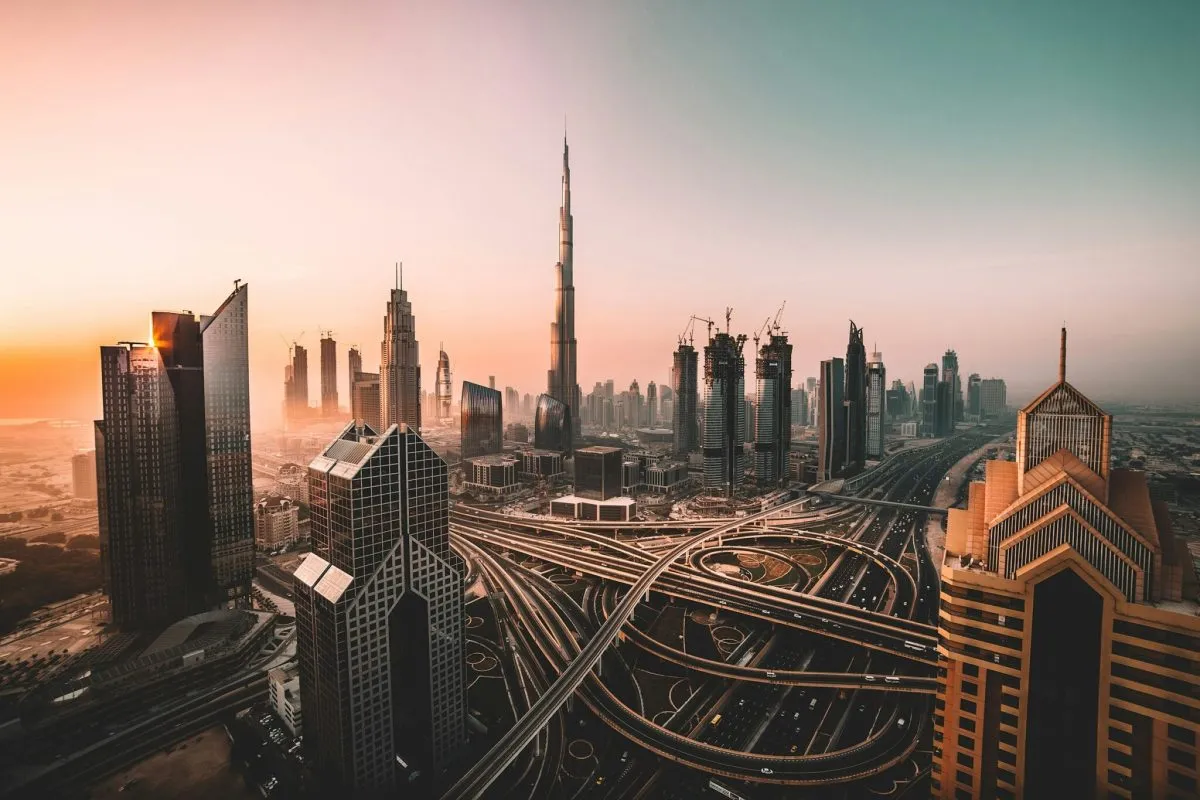
The United Arab Emirates (UAE), long considered the crown jewel of Middle Eastern tourism, is currently navigating a complex landscape defined by shifting geopolitical tides and economic headwinds. As the regional fallout from the U.S.-Iran conflict continues to create ripples across the travel sector, hotel operators in the region are fundamentally altering their strategic focus. With the cost of long-haul travel reaching prohibitive levels, the industry is pivoting toward short-haul markets—specifically India, China, and Russia—to sustain occupancy rates and revenue growth.
The Strategic Pivot: A Response to Economic and Geopolitical Reality
The travel industry, notoriously sensitive to global instability, has found itself grappling with the dual pressures of regional insecurity and the rising cost of aviation. For years, the UAE functioned as a global bridge, effortlessly drawing affluent travelers from North America, Europe, and Australia. However, the current climate has necessitated a shift in the "source market" playbook.
Saurabh Tiwari, Vice President for the Middle East, Maldives, and Sri Lanka at IHCL (the parent company of the iconic Taj brand), notes that the math of modern travel has changed. "We’re targeting short-haul markets like India, China, and Russia, that are a five- to six-hour flight away," Tiwari explained. "Since jet fuel prices are significantly higher than pre-crisis levels, it is difficult to expect consistent volume from long-haul markets like the Americas or Australia. Attempting to lure those travelers at this stage is essentially wishful thinking."
This admission highlights a broader trend: the democratization of the UAE’s tourism sector. By focusing on markets that offer geographical proximity and robust economic growth, operators are attempting to insulate themselves from the volatility that characterizes long-distance international travel in the current geopolitical climate.
Chronology of a Shifting Landscape
To understand the current pivot, one must look at the progression of the UAE’s tourism recovery and the events that have shaped it:
- 2020–2021 (The Pandemic Recovery): The UAE emerged as an early global leader in tourism recovery, leveraging its "open for business" policy to attract digital nomads and tourists when much of the world remained locked down.
- 2022 (The Post-Expo Boom): Following the massive success of Expo 2020, the UAE saw record-breaking arrivals. However, this period also marked the beginning of global inflationary pressures, specifically regarding jet fuel.
- 2023 (Geopolitical Escalation): Heightened tensions between the U.S. and Iran created a perception of risk in the broader Middle East. While the UAE remained safe, the regional narrative caused a pause in long-haul bookings from Western markets.
- 2024 (The Current Pivot): Recognizing that the "long-haul" consumer is increasingly price-sensitive due to airfare inflation, hotel operators have officially transitioned to an aggressive "short-haul" acquisition strategy, prioritizing high-volume markets with easier flight access.
Supporting Data: Why India, China, and Russia?
The choice of target markets is not arbitrary; it is backed by structural shifts in travel patterns and economic demographics.
The Indian Advantage
India has emerged as the most reliable engine for UAE tourism. According to recent data, India consistently ranks as one of the top source markets for Dubai and Abu Dhabi. The reasons are threefold:
- Proximity: Flights from major Indian hubs (Mumbai, Delhi, Bangalore) to Dubai are under four hours, making the destination accessible for weekend trips and short-stay vacations.
- Economic Growth: India’s burgeoning middle class and ultra-high-net-worth individual (UHNWI) segment are increasingly looking to the UAE for both luxury retail and real estate investment.
- Cost-Effectiveness: Compared to a flight from New York or Sydney, the cost of a seat from Mumbai is negligible, allowing travelers to spend more of their budget on hotel amenities and experiences.
The Resurgence of the Chinese and Russian Traveler
The Chinese market, which saw a temporary decline during the pandemic, is experiencing a renaissance. The easing of visa requirements and increased flight frequency by Chinese carriers have made the UAE a preferred destination for high-spending Chinese tourists. Similarly, Russia has remained a consistent source market, with many travelers viewing the UAE as a stable, neutral gateway for business and leisure.
Official Responses and Industry Outlook
Industry analysts are largely in agreement that this pivot is a necessary evolution. The consensus is that the "luxury long-haul" segment will not disappear, but it will no longer serve as the primary pillar for daily occupancy.
"The industry is becoming more pragmatic," says an analyst from a leading regional hospitality consultancy. "Hotels that used to rely on high-spending tourists from the U.S. to fill their suites are now finding that a higher volume of middle-to-upper-class guests from Asia and the CIS countries provides a more stable revenue floor."
The government of the UAE has also played a proactive role. Through organizations like the Dubai Department of Economy and Tourism (DET), the state has aggressively marketed to these specific regions, launching digital campaigns and trade partnerships that emphasize the "accessible luxury" of the UAE. Furthermore, the diversification of the UAE’s own economy—moving away from a sole reliance on oil—has meant that business travel from these short-haul partners is now as critical as leisure tourism.
Implications for the Future: A New Hospitality Model
This shift toward shorter-haul reliance has profound implications for how hotels operate, market, and design their guest experiences.
1. Re-calibrating the Service Offering
Hotels are increasingly tailoring their services to cater to the cultural nuances of their new primary demographics. This includes everything from language-specific concierge services (Mandarin, Hindi, and Russian speakers) to culinary adjustments and payment integration for popular regional mobile wallets.
2. The Price Sensitivity Factor
As Tiwari pointed out, cheaper room rates are making Dubai more accessible to a broader demographic. This is not necessarily a "downgrade" for the city’s image, but rather an expansion of its reach. By lowering the entry barrier, hotels are capturing a market segment that previously considered Dubai "too expensive," thereby increasing the velocity of tourist turnover.
3. Geopolitical Hedging
By focusing on markets that are geographically and politically distinct from the U.S.-Iran tension zone, the UAE is effectively "hedging" its tourism portfolio. If the geopolitical situation in the West fluctuates, the impact is minimized because the primary revenue streams are now tied to markets that view the UAE as a neutral, stable, and welcoming hub.
4. The Sustainability of Air Connectivity
The future of this strategy rests on the ability of local carriers like Emirates and Etihad to maintain competitive pricing and high frequency to these regions. As long as fuel costs remain elevated, the pressure on airlines to optimize routes will be immense. The collaboration between hospitality brands and national carriers will likely become more integrated than ever before, with "stay-and-fly" packages becoming the industry standard.
Conclusion
The UAE’s hospitality sector is a testament to agility. While the challenges posed by regional instability and high airfare costs are significant, the pivot to short-haul markets represents a mature, strategic response to a changing global order. By doubling down on the massive potential of the Indian, Chinese, and Russian traveler, the UAE is ensuring that its skyline remains a destination of choice, regardless of the turbulent currents of global politics.
As the industry looks toward the next decade, the focus will not be on returning to the "old ways" of relying on distant markets, but on solidifying these new regional partnerships. The UAE is proving that in the world of modern travel, proximity is the new currency of success.
 Nana
 Laily UPN
 Raul Delapena Setiawan
