

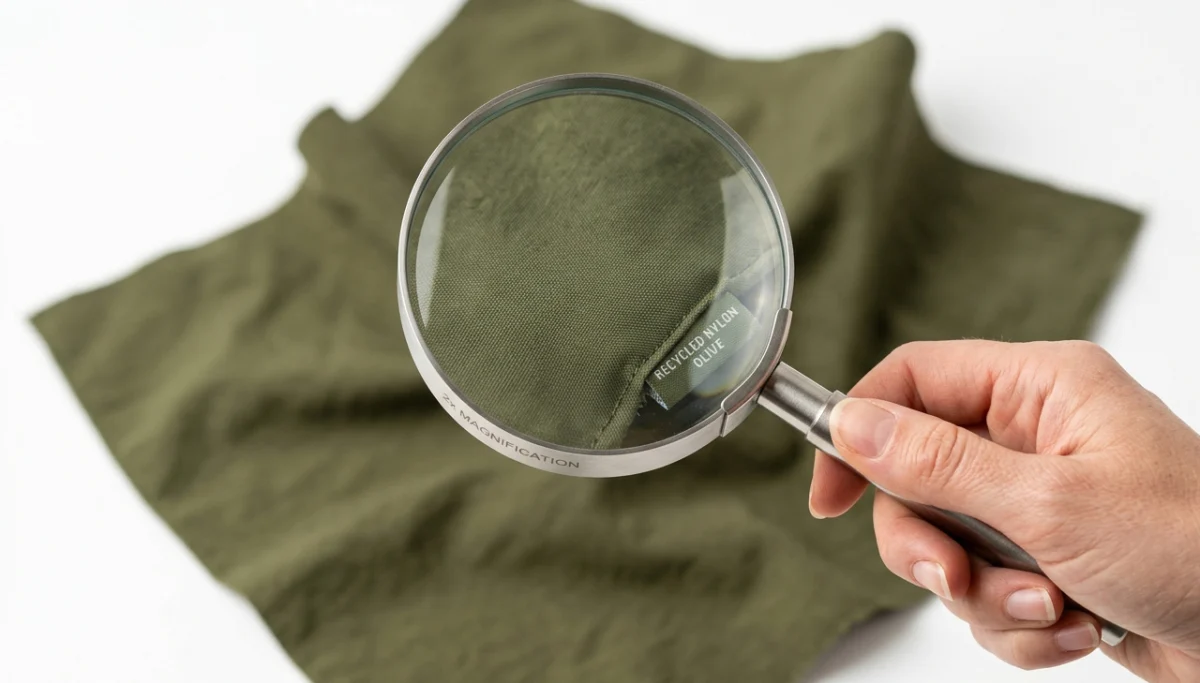
In the specialized world of carry gear—from tactical backpacks and EDC (Everyday Carry) pouches to high-performance travel luggage—there exists a persistent obsession with a single numerical spec: Denier. Consumers, influenced by marketing brochures and spec sheets, often operate under the assumption that a higher denier number is an infallible indicator of superior quality, strength, and longevity. However, material scientists and veteran bag designers argue that this reliance on a single metric is not only reductive but fundamentally misleading.
As part of our ongoing Carry 101 educational series, we are peeling back the layers of textile engineering to explore why the industry’s obsession with denier often distracts from the more critical variables of bag construction.
Main Facts: What Does Denier Actually Measure?
At its core, "Denier" (abbreviated as D) is a unit of measurement that describes the linear mass density of a fiber. Specifically, one denier is defined as the mass in grams per 9,000 meters of the fiber.
The Misconception
The most common fallacy in the carry community is that Denier equals "strength." If a bag is constructed from 1000D Cordura, the assumption is that it is inherently stronger than a bag made from 500D or 210D nylon. In reality, Denier only tells you how thick or heavy the individual threads are. It does not account for:
- The Polymer Chemistry: Is it Nylon 6, Nylon 6,6, Polyester, or UHMWPE (Ultra-High-Molecular-Weight Polyethylene)?
- Weave Density: How tightly are these fibers woven together (measured in thread count or ends per inch)?
- Coating and Treatments: What PU (polyurethane) or DWR (Durable Water Repellent) treatments have been applied?
A high-denier fabric with a loose, porous weave will perform significantly worse in abrasion tests than a lower-denier fabric with a tight, technical weave using high-tenacity fibers.
Chronology: The Evolution of Carry Materials
The history of carry materials is a timeline of innovation, moving from natural fibers to the synthetic revolution.
- Pre-1950s: The "Canvas Era." Durability was achieved through weight and thickness. If you wanted a bag to last, you used heavy, waxed cotton duck canvas. It was effective but prone to rot, mildew, and immense weight gain when wet.
- 1950s–1970s: The Nylon Revolution. With the advent of synthetic polymers, the industry shifted toward Nylon. This was the era where "Denier" became a standardized marketing term. It allowed manufacturers to standardize production, though the technical nuances of weave patterns remained secondary to thread thickness.
- 1980s–2000s: The High-Tenacity Boom. Companies like DuPont (with Cordura) began engineering fibers specifically for high-stress applications. We moved away from "thicker is better" toward "stronger polymers are better."
- 2010s–Present: The Age of Optimization. Today’s focus is on the "Strength-to-Weight Ratio." We are seeing the rise of ultra-light, ultra-strong materials like Dyneema (DCF), X-Pac laminates, and recycled high-tenacity nylons that offer superior tear resistance at a fraction of the weight of traditional 1000D materials.
Supporting Data: Beyond the Number
To understand why a lower denier can outperform a higher one, we must look at the mechanical properties of modern fibers.
The "Nylon 6 vs. Nylon 6,6" Factor
When comparing two fabrics of the same denier, the molecular structure of the nylon makes the difference. Nylon 6,6 is generally more heat-resistant and durable than Nylon 6. If a manufacturer uses a low-denier Nylon 6,6 with a high-density "Ripstop" weave, it will often outperform a generic 1000D Nylon 6 fabric in both puncture and abrasion resistance.
The Impact of Laminates
Modern carry gear often utilizes laminates—multiple layers of different materials bonded together. A 200D face fabric laminated to a PET film and a ripstop backing creates a composite that is functionally indestructible compared to a standalone, un-laminated 500D nylon. In this instance, the "Denier" of the face fabric is merely the aesthetic layer; the true structural integrity comes from the laminate construction.
Abrasion Resistance Testing
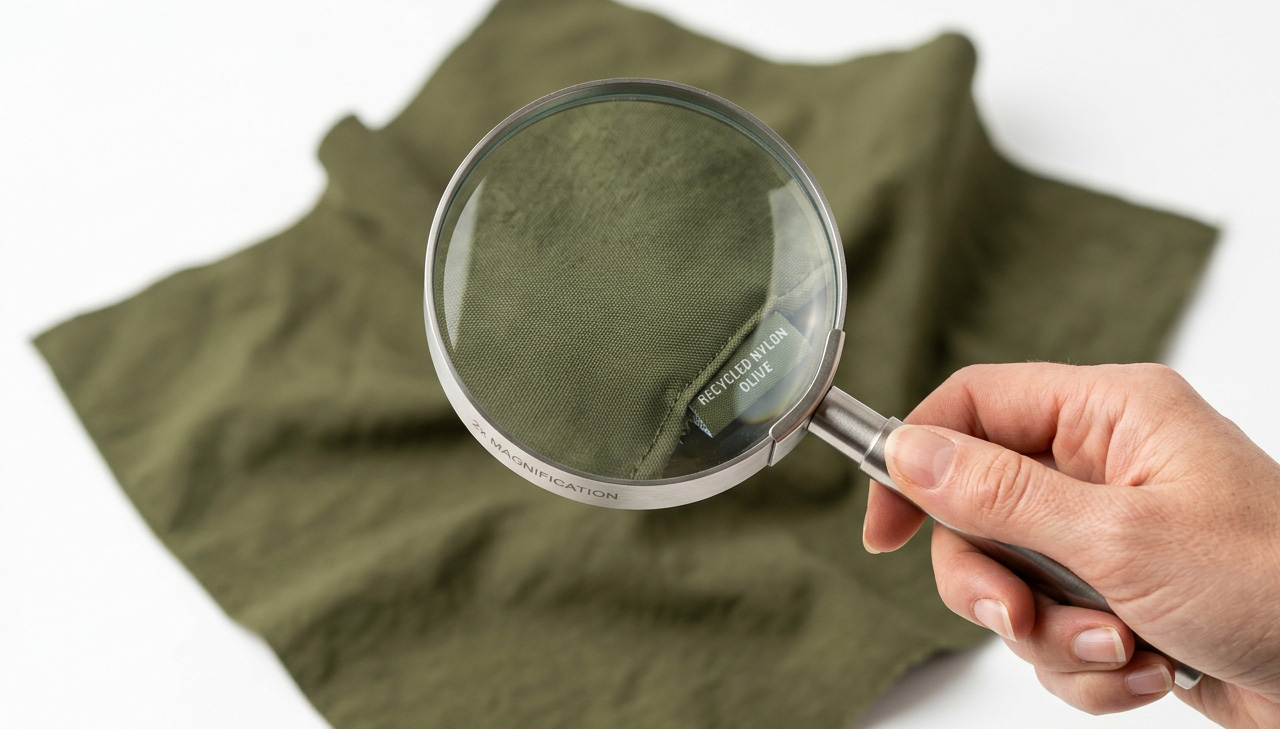
Standard industry testing (such as the Wyzenbeek test) consistently shows that weave geometry—the way threads interlock—is a more significant predictor of abrasion resistance than yarn weight. A tighter weave prevents "yarn shifting," where the individual threads slide over each other during friction, leading to premature wear.
Official Responses and Industry Perspective
Leading bag designers, who operate at the intersection of fashion and industrial engineering, have become increasingly vocal about the need for better consumer education.
- The Designer’s View: "When we design a pack, we look at the ‘application lifecycle,’" says a lead developer at a top-tier tactical gear firm. "If you are designing a hiking pack, 1000D is overkill—it’s heavy, it absorbs water, and it’s unnecessary for the environment. We prefer 330D or 500D high-tenacity nylon because it offers a better balance of flexibility and protection. Consumers see the lower number and think it’s ‘cheap,’ but we chose it because it’s ‘engineered.’"
- The Material Science Perspective: Textile engineers emphasize that the carry industry often uses Denier as a "proxy" for quality because it is a simple number to print on a label. "It’s easier to sell a ‘1000D’ bag than it is to explain the benefits of a 420D Robic nylon with a specialized DWR coating," one consultant noted. "The market has been trained to look for the biggest number, which forces brands to prioritize that number over actual material performance."
Implications: How This Changes Your Next Purchase
Understanding that Denier is not the sole arbiter of quality changes how you should evaluate your next bag purchase.
1. Shift Your Focus to "Application"
Ask yourself: What is this bag for?
- Urban/Office Carry: High denier is unnecessary. Look for premium, water-resistant laminates or high-tenacity 400D-600D nylons that maintain a sleek silhouette while offering excellent durability.
- Tactical/Heavy-Duty: Here, 500D to 1000D is appropriate, but prioritize Cordura or Ballistic nylon, which have specific weave patterns designed for high-impact use.
2. Look for Material Names, Not Just Numbers
When a brand lists "Cordura," "Robic," "Dyneema," or "X-Pac," they are signaling that they have invested in specialized textiles. These brands are using materials engineered for performance rather than generic, unbranded nylon that relies on high denier to hide a lack of inherent strength.
3. Evaluate the "Hand-Feel" and Weave
If you have the product in hand, examine the weave. Is it tight? Does it feel consistent? Are the seams reinforced? A well-constructed bag made from 420D nylon will almost always outlast a poorly stitched bag made from 1000D nylon. Construction techniques—such as bar-tacking, double-stitching, and the quality of the hardware (zippers and buckles)—are just as important as the fabric itself.
Conclusion
The "Carry 101" takeaway is simple: Don’t let the Denier number be your only filter. While it is a helpful indicator of yarn thickness, it is a poor substitute for understanding the chemistry, weave, and construction of your gear. As the industry continues to evolve, the most innovative bags are moving toward lighter, smarter materials that challenge our outdated reliance on heavy-duty, high-denier fabrics.
Next time you see a spec sheet, look past the bold numbers. Research the brand’s material choices, understand the intended use case, and prioritize engineering over marketing tropes. Your gear—and your shoulders—will thank you.
For more in-depth technical breakdowns of bag construction, watch the full "How to Read a Fabric" episode on the Carryology YouTube channel, where we put these materials through real-world stress tests.
 Dwi Wanna
 Evan Lee Salim
