

The rapid democratization of generative artificial intelligence has gifted creators, artists, and hobbyists with unprecedented tools for visual expression. However, this same technology has simultaneously opened a Pandora’s box of digital deception. Across the globe, law enforcement agencies, municipal governments, and legal systems are grappling with a terrifying new frontier: the weaponization of synthetic media.
While much of the public discourse surrounding AI has focused on copyright infringement, deepfake pornography, and political disinformation, a more tangible and immediate threat is emerging. Individuals are increasingly deploying AI-generated images to harass public officials, disrupt municipal operations, and instigate public panics.
In a stark illustration of this escalating crisis, a Florida man was arrested this week after allegedly posting a fabricated, menacing image of a local sheriff. This incident does not occur in a vacuum; it arrives hot on the heels of similar high-profile arrests and investigations spanning multiple continents, underscoring a harsh new reality: hiding behind a screen or relying on artificial intelligence will no longer shield bad actors from severe criminal consequences.
Main Facts: The Arrest of Christopher Ashley Nimmons
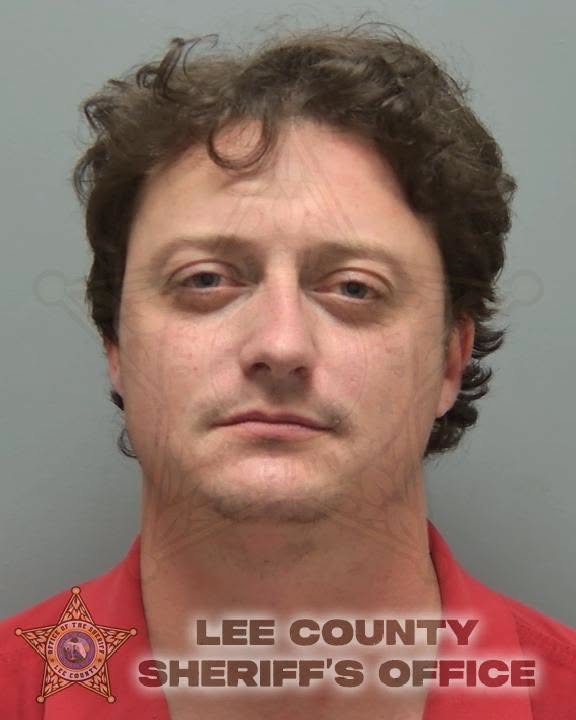
The most recent flashpoint in the ongoing friction between synthetic media and the criminal justice system occurred in Southwest Florida. On Tuesday, law enforcement authorities in Lee County apprehended 30-year-old Christopher Ashley Nimmons following a targeted investigation into a deeply disturbing online threat.
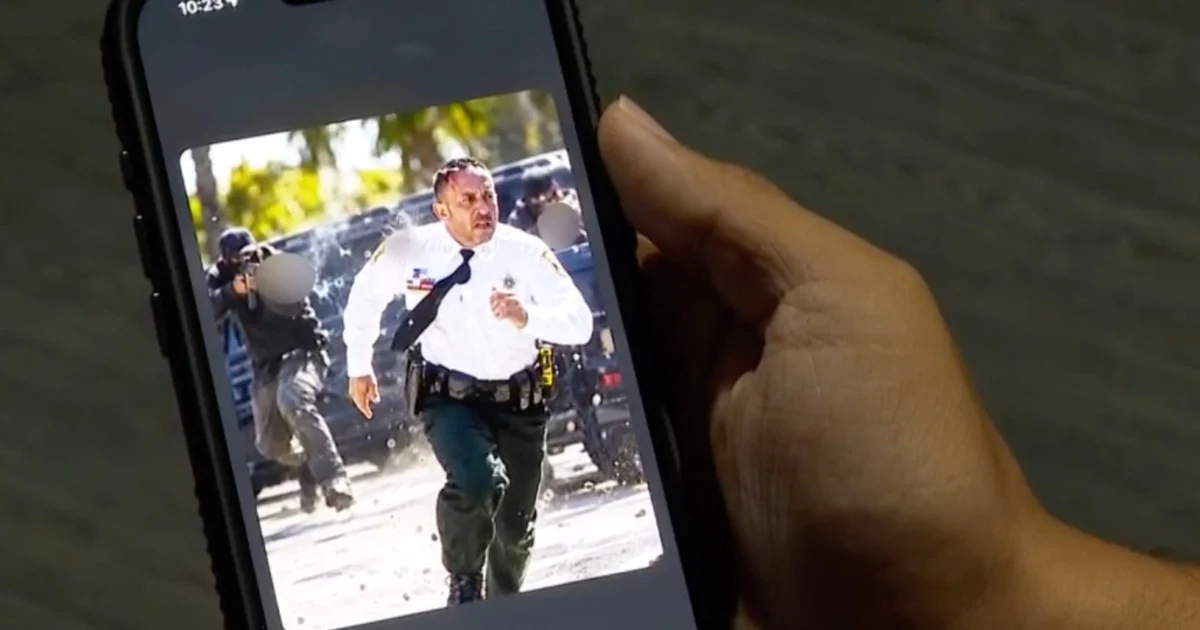
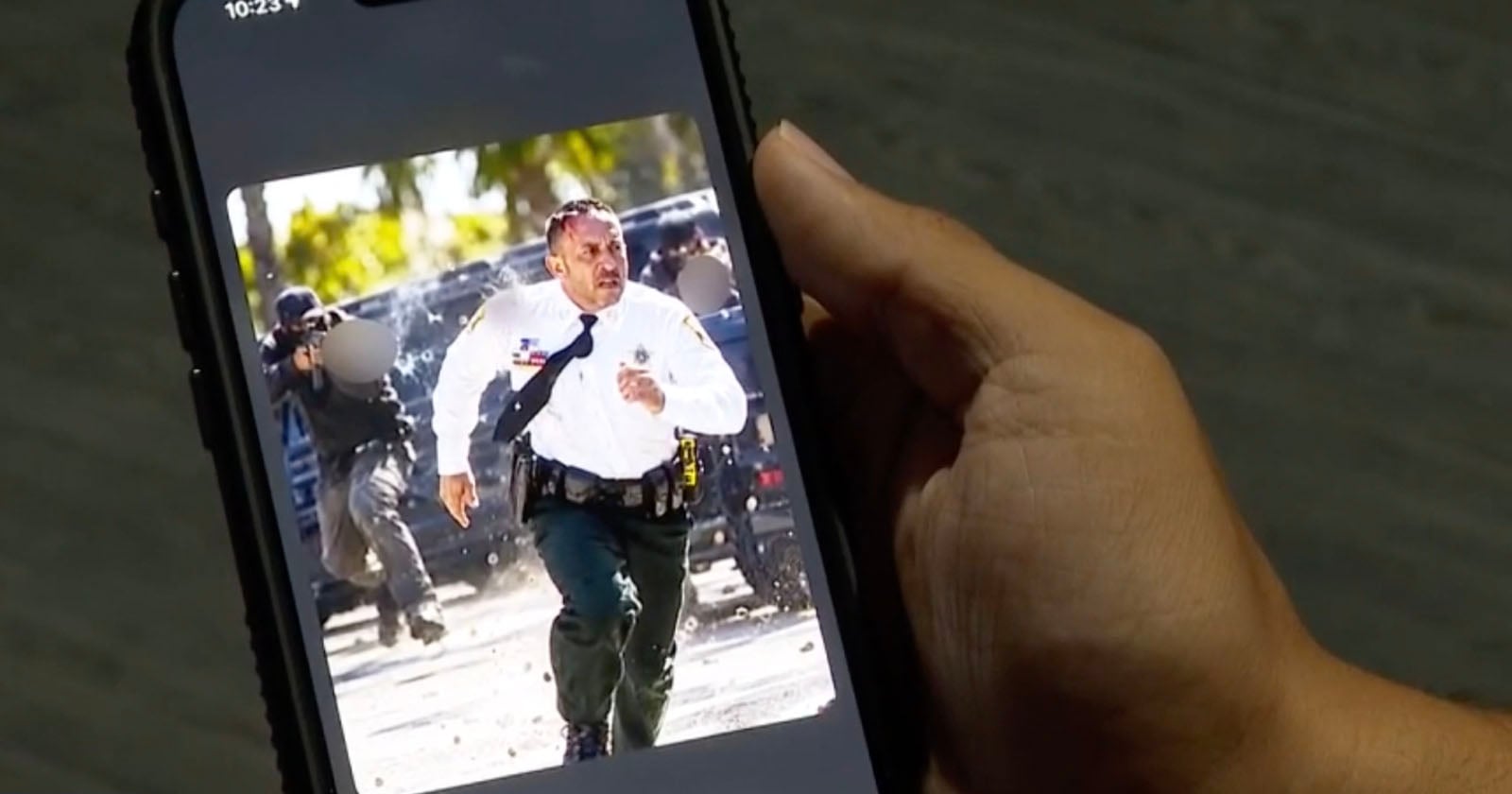
The focal point of the criminal case against Nimmons is a highly specific, digitally fabricated image. According to local police reports, Nimmons allegedly utilized a generative AI tool to create and distribute a synthetic photograph depicting Lee County Sheriff Carmine Marceno in full tactical uniform. In the fraudulent image, the Sheriff is portrayed as severely injured—showing a distinct head wound—while actively fleeing from two armed gunmen.
The image was not distributed privately; rather, it was brazenly posted beneath a public update on the "UC Breaking News" Instagram page, a popular regional account covering Southwest Florida. The context of the original post made the timing and nature of Nimmons’s comment all the more inflammatory: it was published in the comments section of a tribute post mourning the tragic death of a Lee County police canine.
Following a swift digital footprint trace, the Lee County Sheriff’s Office Intelligence Unit linked the offending Instagram account directly to Nimmons. The net closed quickly. According to Gulf Coast News, Nimmons was apprehended during a routine traffic stop. A search of his vehicle yielded a firearm and a cellular device. Investigators confirmed that the phone number associated with the seized device matched the registry data of the Instagram account used to broadcast the threatening image.
As a direct result of his digital actions, Nimmons now faces serious felony charges, including written threats to kill or do bodily injury. He is currently being held behind bars as the judicial process moves forward, serving as a cautionary tale for internet users who mistakenly believe that digital distance grants immunity from real-world laws.
Chronology of Events: From Digital Post to Traffic Stop Arrest
To understand how rapidly modern law enforcement can pivot from online monitoring to physical apprehension, it is vital to trace the timeline of the Nimmons investigation, alongside parallel international incidents that highlight the systemic nature of the threat.
The Lee County Incident Timeline
- The Catalyst: A regional news page, UC Breaking News, publishes an Instagram post dedicated to the line-of-duty death of a Lee County police dog, drawing an outpouring of community grief and commentary.
- The Fabrication and Posting: Christopher Ashley Nimmons allegedly prompts an AI image generator to depict Sheriff Carmine Marceno wounded and fleeing gunmen. He uploads this synthetic image into the comments thread of the memorial post.
- The Intelligence Investigation: The Lee County Sheriff’s Office Intelligence Unit identifies the illicit post. Recognizing the implicit threat against a law enforcement official, analysts initiate a digital trace to unmask the account holder.
- The Apprehension (Tuesday): Deputies locate Nimmons and execute a targeted traffic stop. During the search of his vehicle, officers recover both a firearm and the mobile phone linked to the Instagram account. Nimmons is taken into custody.
- The Arraignment & Charges: Nimmons is formally booked on charges of issuing written threats to kill or inflict bodily injury, transitioning his digital stunt into a multi-count criminal prosecution.
A Global Wave of AI Hoaxes (September 2026)
The Nimmons arrest is part of an alarming cluster of synthetic media incidents that occurred within the exact same 48-hour window:
- The Singapore Crocodile Incident: Just days prior to the Florida arrest, a man in Singapore named Ye Lin allegedly shared an AI-generated image of a massive saltwater crocodile swimming casually in a public reservoir. The post triggered a multi-day industrial shutdown and emergency wildlife sweep, leading to his arrest and potential exposure to 10 years in prison.
- The Southern California Viper Scare: Simultaneously, in Santa Ana, California, local police detectives launched an emergency investigation after a resident submitted a photograph of a hyper-venomous Gaboon viper, claiming he had encountered the lethal African snake loose in a residential neighborhood. When detectives confronted the reporting party during a follow-up, he admitted the image was entirely AI-generated and the sighting was a complete fabrication.
Supporting Data: The Global Economic and Social Toll of Synthetic Hoaxes
While sceptics might initially view AI-generated hoaxes as harmless internet pranks or edgy forms of digital expression, supporting data from recent law enforcement reports and municipal interventions reveal a staggering cost in public resources, economic productivity, and psychological safety.
Resource Drain on Emergency Services
When synthetic images depict dangerous wildlife or physical attacks on public officials, emergency responders are legally and operationally obligated to treat them as credible threats until proven otherwise.
- Man-Hours Wasted: In the Singapore crocodile case, the national water agency was forced to suspend all reservoir operations for 48 consecutive hours. Specialized marine search units, environmental protection officers, and wildlife handlers were deployed to comb the murky waters.
- Opportunity Cost: Every hour spent investigating a fabricated AI snake in Santa Ana or a fake attack on a Florida sheriff diverts precious police personnel away from genuine emergencies, active domestic disputes, and violent crime investigations.
The Proliferation of Generative Tools
The root of this crisis lies in the unprecedented accessibility of text-to-image and image-to-image AI platforms. Modern architectures allow virtually anyone with a smartphone to render photorealistic imagery depicting high-profile individuals, dangerous animals, or catastrophic events in a matter of seconds.
According to cybersecurity firms tracking synthetic media, the barrier to creating hyper-realistic deepfakes and threat imagery has dropped essentially to zero. As these tools become more deeply embedded in social media applications, the frequency of malicious deployments—ranging from targeted harassment of law enforcement to municipal disruptions—is projected to rise exponentially throughout the remainder of the decade.
Official Responses: Law Enforcement Draws a Hard Line
The reaction from public officials has been swift, unified, and uncompromising. Law enforcement agencies are actively recalibrating their investigative protocols to treat AI-generated threats with the same gravity as physical-world assaults.
Lee County Sheriff Carmine Marceno did not mince words when addressing the media regarding the arrest of Christopher Ashley Nimmons. In a strongly worded public statement given to WINK News, Marceno emphasized that technological intermediaries offer no protection against the rule of law.
"Threats of violence are something we will ALWAYS take extremely seriously," Sheriff Marceno declared. "If you threaten law enforcement, we will find you and hold you accountable. Hiding behind a screen or using AI will not protect you from the consequences of your actions."
Highlighting the capabilities of modern investigative bodies, Marceno praised his department’s proactive approach:
"Our Intelligence Unit does an amazing job investigating threats of violence and immediately taking action against those responsible. We work every day to protect the residents of Lee County, and I will never be intimidated from doing my job or speaking out against those who threaten the safety of our community."
Similar sentiments are echoing across police departments globally. In Santa Ana, California, police public information officers stressed that utilizing AI to manufacture false emergency reports—such as planting stories about loose exotic predators—is not a victimless joke. Investigators are actively reviewing whether the individual who submitted the Gaboon viper hoax will face criminal charges for filing a false police report and wasting public funds.
Implications: The Future of Trust, Law, and Digital Accountability
The convergence of artificial intelligence and criminal behavior demonstrated by the Nimmons case and its international counterparts carries profound implications for society, jurisprudence, and digital platforms.
1. The Erosion of Visual Truth
For generations, the legal and social compact relied heavily on the adage that "seeing is believing." Photographs and video footage served as foundational pillars of evidence in journalism, law enforcement, and courtrooms. The proliferation of hyper-realistic generative AI has utterly shattered this paradigm. As fake images of wounded sheriffs, urban crocodiles, and venomous snakes flood social media feeds, society enters an era of "epistemic crisis," where the default human reaction to visual media must shift from trust to deep skepticism.
2. Evolution of Legal Frameworks
Existing legal statutes were largely drafted for an analog world, where threats were conveyed via written letters, phone calls, or physical gestures. The Nimmons case highlights how prosecutors are stretching existing laws—such as statutes governing "written threats to kill or do bodily injury"—to encompass AI-generated visual media posted in public social media forums.
However, legal scholars argue that lawmakers must draft specific, modernized legislation that explicitly criminalizes the malicious generation and distribution of synthetic media designed to incite panic, impersonate public officials, or threaten emergency personnel. The severe penalties emerging globally—such as Singapore’s potential 10-year prison sentence for digital hoaxes—signal that legislatures are beginning to treat synthetic manipulation as a major public safety hazard.
3. The Responsibility of Social Media Platforms
Platforms like Instagram, X, TikTok, and Meta must also bear scrutiny. The ease with which Nimmons and others can deploy inflammatory synthetic imagery within the comment sections of grieving communities or news feeds points to systemic moderation failures. Moving forward, platforms will face mounting pressure from governments to implement robust, automated watermarking detection, instant content-flagging algorithms, and rapid cooperation frameworks with law enforcement units to unmask bad actors before their digital creations spark real-world panic.
Conclusion
The arrest of Christopher Ashley Nimmons in Florida, alongside parallel cases in California and Singapore, marks a sobering turning point in the AI era. The honeymoon phase of generative technology is officially over, replaced by a complex regulatory and law enforcement battleground. As authorities demonstrate zero tolerance for digital intimidation, individuals hiding behind keyboards are learning a hard and expensive lesson: while AI can generate a fake picture in seconds, the criminal consequences that follow are entirely, unmistakably real.
 Sagoh
 Basiran
 Nila Kartika Wati
