

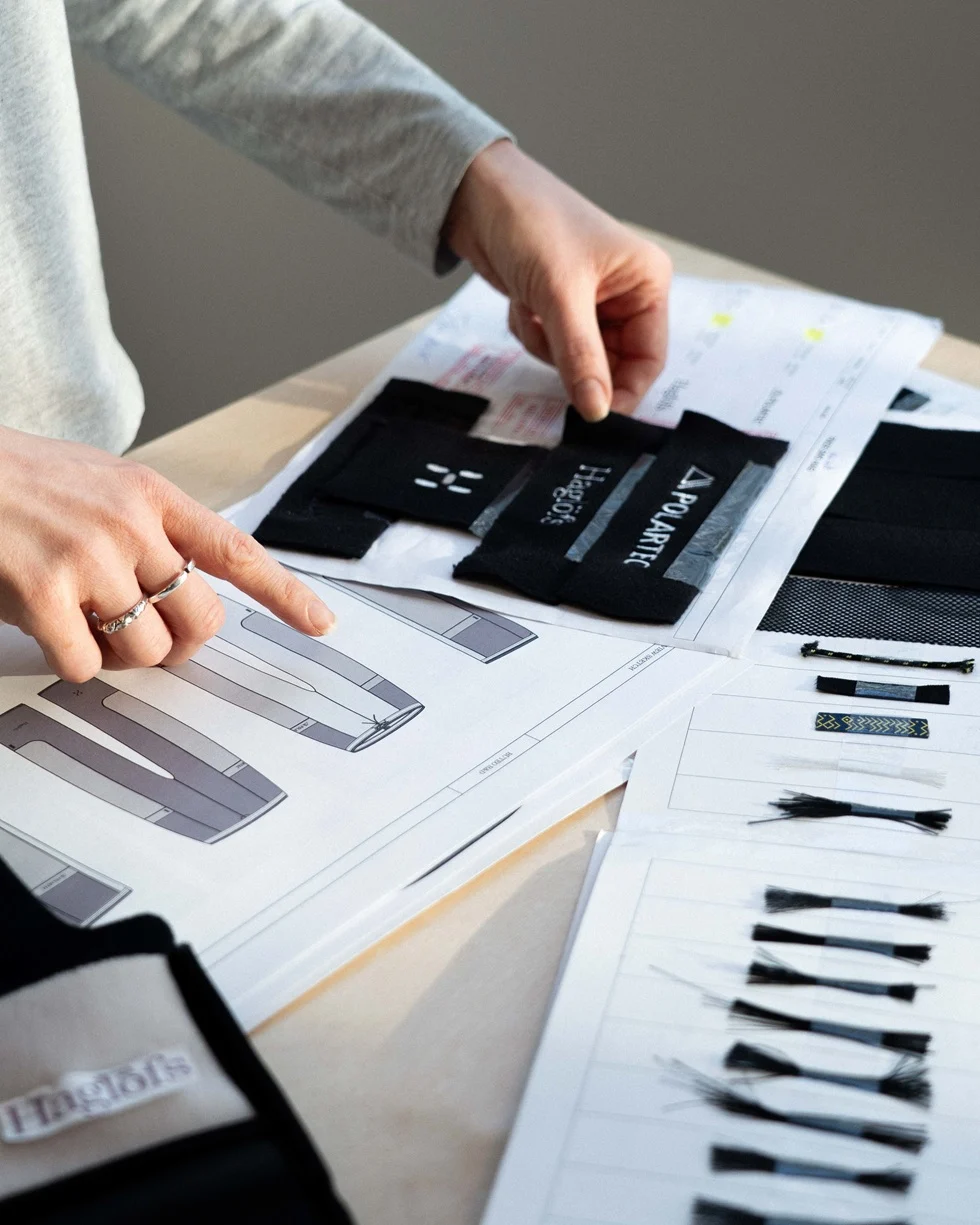
There is a problem hiding in plain sight—a ghost in the machine of the global outdoor apparel industry. If you walk into any well-stocked retail store, the fleece aisle presents a uniform wall of black. It is the most popular, most reliable, and most essential color in the outdoor market. Yet, upon closer inspection, that wall of black is a mosaic of inconsistency. Hold two swatches of "black" fleece from different brands—or even different lines from the same brand—under high-quality lighting, and the truth reveals itself: they are not the same color.
This isn’t just an aesthetic curiosity; it is a symptom of a deeply inefficient, resource-heavy, and environmentally taxing industrial process. Haglöfs and Polartec have finally decided to pull back the curtain on this absurdity, launching an initiative that challenges the way the entire textile world approaches the most common color in our closets.
The Anatomy of the Dye Problem
To understand why this matters, one must look past the garment and into the dye house. Polyester, the backbone of modern technical mid-layers, is inherently hydrophobic. Unlike natural fibers such as cotton or wool, which readily accept water-based dyes at lower temperatures, polyester requires a high-energy, high-pressure process.
Dyeing polyester involves "disperse dyes," which must be applied in a pressurized, hot aqueous bath—typically exceeding 130°C. For the industry, black is the "final boss" of color. It is not a single pigment, but a complex cocktail of multiple dye molecules layered to achieve a deep, neutral, and consistent tone. Each extra layer of pigment requires more chemical inputs, more fixation cycles, and significantly more heat and water.
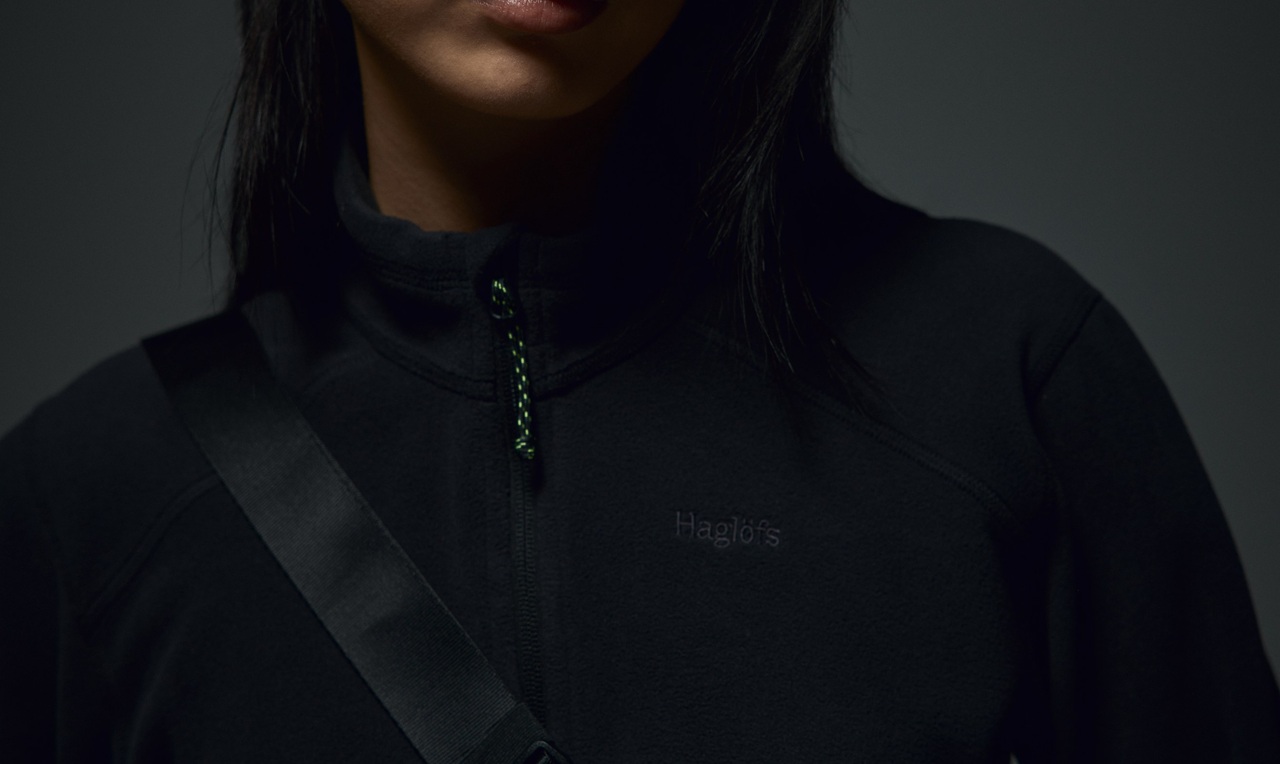
The textile industry is responsible for roughly 20% of global industrial water pollution, with dyeing and finishing operations accounting for the lion’s share of that impact. A single kilogram of dyed polyester can consume between 30 and 150 liters of water. By treating "black" as a brand-specific property rather than a universal standard, the outdoor industry has effectively mandated thousands of redundant, high-impact dye runs.
The Chronology of an Industry Pivot
The movement toward a unified standard did not happen overnight; it began with a realization of waste that was both institutional and operational.
- Pre-2026: The industry operated on a fragmented model where every brand dictated its own "signature black." This created a massive bottleneck at dye houses, which had to recalibrate machines for dozens of "almost identical" shades.
- Early 2026: Haglöfs and Polartec began auditing their internal supply chains, identifying the sheer volume of water and energy wasted on bespoke black dye recipes that served no functional purpose for the end-user.
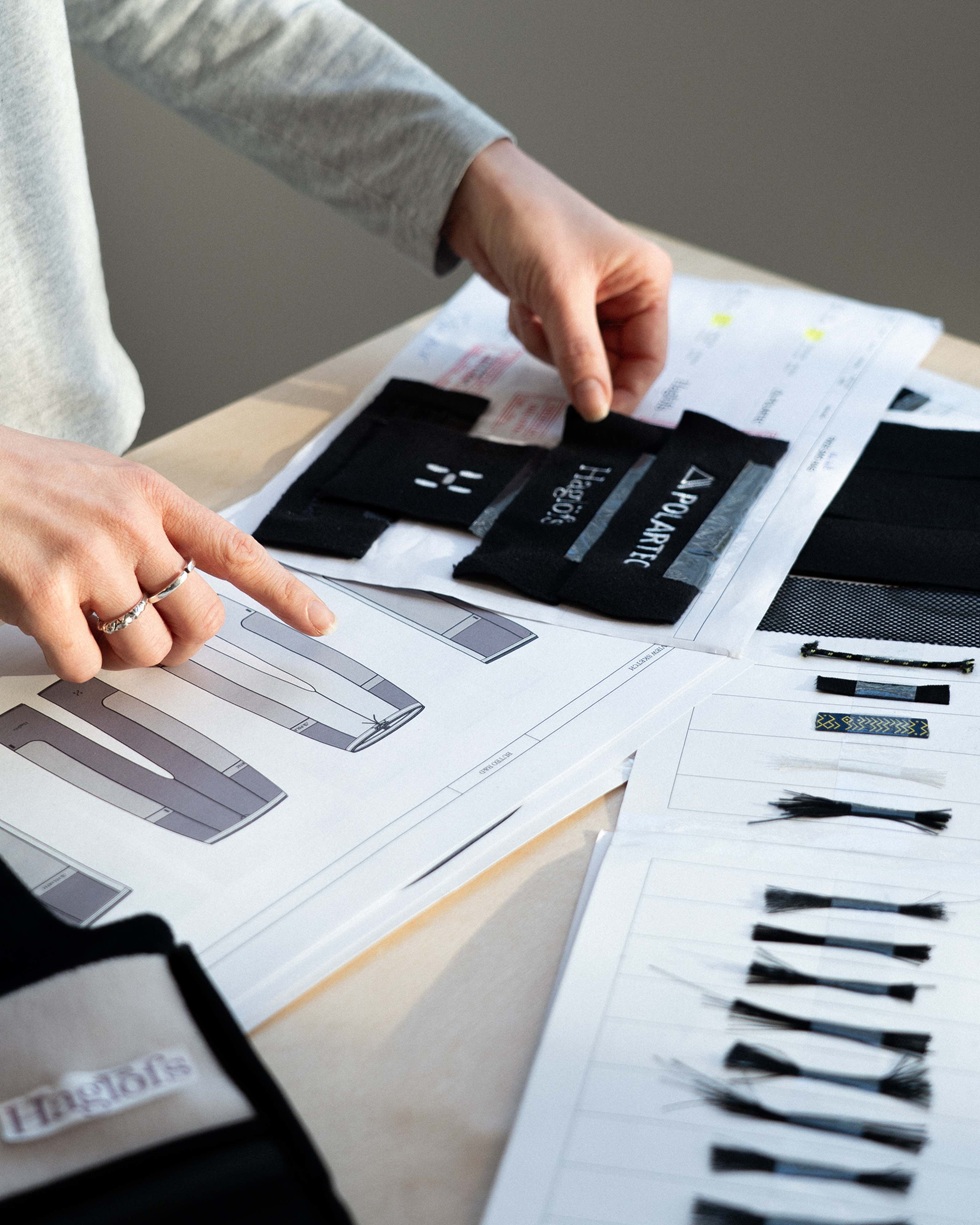
- Mid-2026 (The Black Capsule): Haglöfs released the Black Capsule collection—a provocative, limited-run series of apparel constructed from leftover black fleece scraps. Each panel featured a label documenting its specific dye batch, visual proof of the massive variance in "black" across the industry.
- Late 2026 (Standard Issue Black™): Following the success of the capsule, Haglöfs and Polartec announced Standard Issue Black™, a universal, open-source black standard intended to consolidate dye runs across the global market.
- FW26 Season: The launch of the Buteo Mid II Jacket, the first high-volume commercial product to utilize the standardized fabric, marking the transition from a conceptual protest to a scalable production model.
Supporting Data: The Case for Consolidation
The economics of the dye industry are governed by Minimum Order Quantities (MOQs). Dye houses operate in bulk; if a brand wants a custom shade, they must commission a specific batch, often involving hundreds of kilograms of fabric. If that brand’s volume is low, they are paying a premium for a redundant process. If the volume is high, they are simply contributing to a larger environmental footprint.
Haglöfs’ internal assessment suggests that by consolidating these disparate batches into a singular Standard Issue Black™ run, the potential impact is massive:
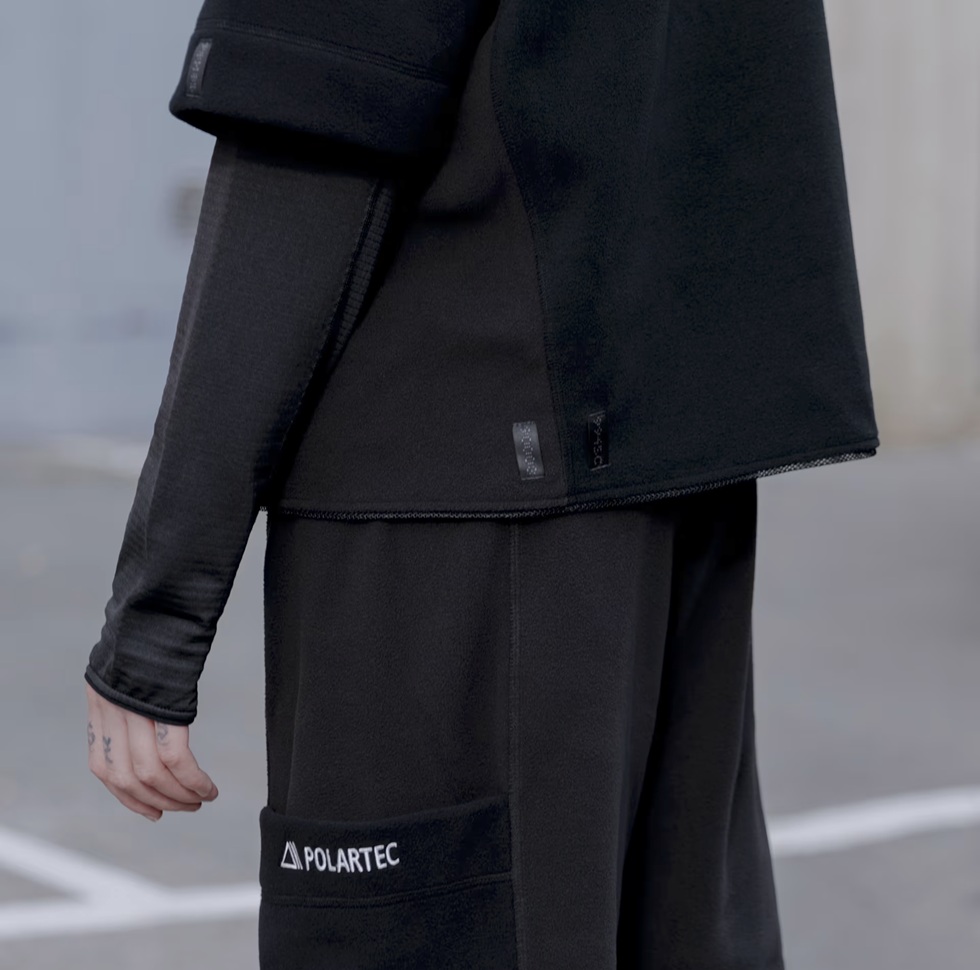
- Water Usage: A projected reduction of over 50% in water consumption for black-dyed fabrics.
- Energy Consumption: An estimated 20% drop in energy usage compared to traditional piece-dyed methods.
While these figures are manufacturer-supplied, the underlying physics of industrial chemistry supports the conclusion. Aggregating production runs is the most effective way to optimize thermal efficiency and chemical usage. The math is simple: one massive, efficient run is exponentially cleaner than fifty small, inefficient ones.
Official Responses and the "Creativity" Objection
The most immediate pushback to the concept of a "Standard Black" comes from the design community, which fears a loss of brand identity. If everyone uses the same black, does everything look the same?
Eva Weiss, Haglöfs’ Head of Design and R&D, argues that this fear is misplaced. "Standardization doesn’t have to limit creativity," she asserts. "With the right framework, it gives us the freedom to work together in the same creative direction and make a bigger impact. Having one defined black simplifies the design process, and brands could still differentiate themselves through other colors, cuts, and design elements."
The industry has already proven this concept works. For decades, outdoor brands have relied on YKK for zippers. No designer complains that using a standard, reliable zipper kills their creative vision; instead, it allows them to focus on fit, silhouette, and technical performance. Standard Issue Black™ proposes that color, like hardware, should be treated as a reliable, shared utility rather than a point of competitive fragmentation.
The Implications: Breaking Institutional Inertia
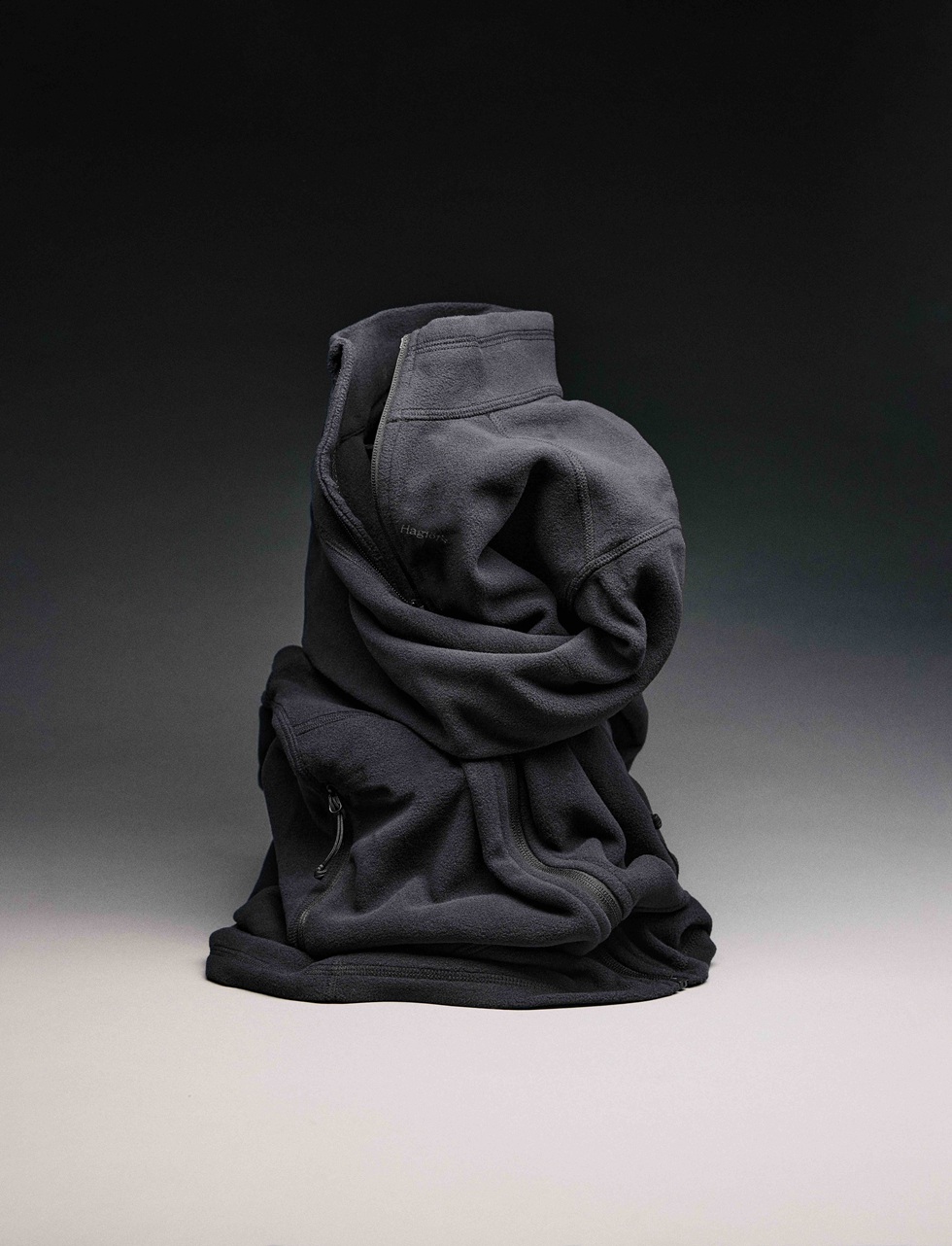
The most significant hurdle facing Standard Issue Black™ is not technical—it is psychological. The outdoor industry is littered with "green" initiatives that failed to gain traction because they required brands to alter their established supply chains or sacrifice short-term margins.
Standard Issue Black™ is unique because it is designed to be economically neutral or even positive. There is no licensing fee, no proprietary lock-in, and no "green premium" to pass on to the consumer. It is an invitation to efficiency. However, the industry is fighting a powerful force: institutional inertia.
For decades, the machine has been running on the assumption that proprietary supply chains are the only way to maintain a competitive edge. This is the same force that necessitated revolutionary collaborations elsewhere, such as the work by Unspun and VAUDE to reduce microplastic shedding and chemical usage.
The question remains: will the industry embrace a "standard" that isn’t their own?
Conclusion: A New Standard for Sustainability
The Buteo Mid II Jacket is more than just a piece of outerwear; it is a litmus test for the outdoor industry. By choosing to implement Standard Issue Black™ in a high-volume, best-selling style rather than a niche, high-priced eco-collection, Haglöfs is forcing the industry to reckon with the scale of its own footprint.
If the goal of the outdoor industry is to protect the environments we explore, then the tools used to create the gear that takes us there must be as clean as the trails themselves. Standard Issue Black™ does not ask brands to stop the machine; it asks them to stop the redundancy.
In a world where consumers are increasingly wary of "greenwashing," the path forward is not found in complex new technologies or expensive certifications. Sometimes, the most radical act of sustainability is simply choosing to do less—to share, to consolidate, and to accept that when it comes to the color black, there is no need to reinvent the wheel. The industry has the standard; now, it must decide if it has the courage to use it.
 rifanmuazin
 Neng Nana
