

For the modern traveler, the "arrival ritual" is a universal experience: landing in a new country, rushing to find a local kiosk, fumbling with a tiny metal tool to swap a physical SIM card, and hoping the local network provider doesn’t charge exorbitant roaming fees. For years, the digital nomad community has relied on a patchwork of solutions—classic eSIMs, local pre-paid cards, or predatory international roaming passes from home carriers.
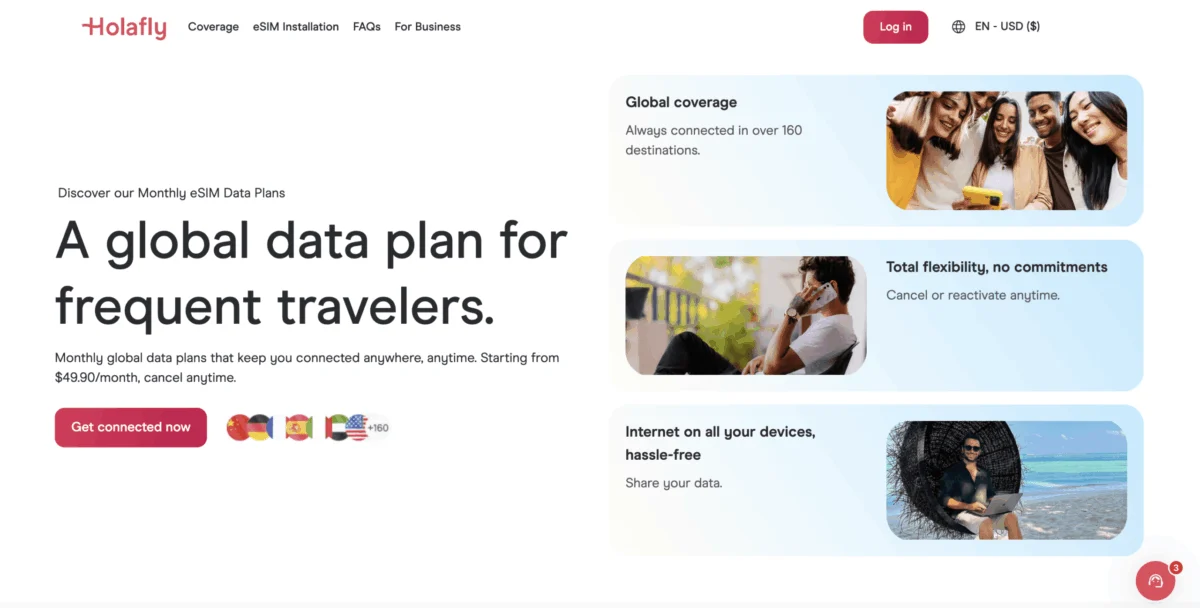
However, the landscape of global connectivity is shifting. Holafly, a major player in the eSIM space, has officially launched "Holafly Plans," a comprehensive, subscription-based model that promises to replace the fragmented, trip-by-trip approach to international data with a single, seamless, global connection.
Main Facts: The Evolution of Digital Connectivity
At its core, an eSIM (embedded SIM) is a software-based alternative to the physical plastic cards we have used for decades. It is integrated directly into a smartphone’s hardware, allowing users to toggle between different carrier profiles without ever opening the SIM tray.
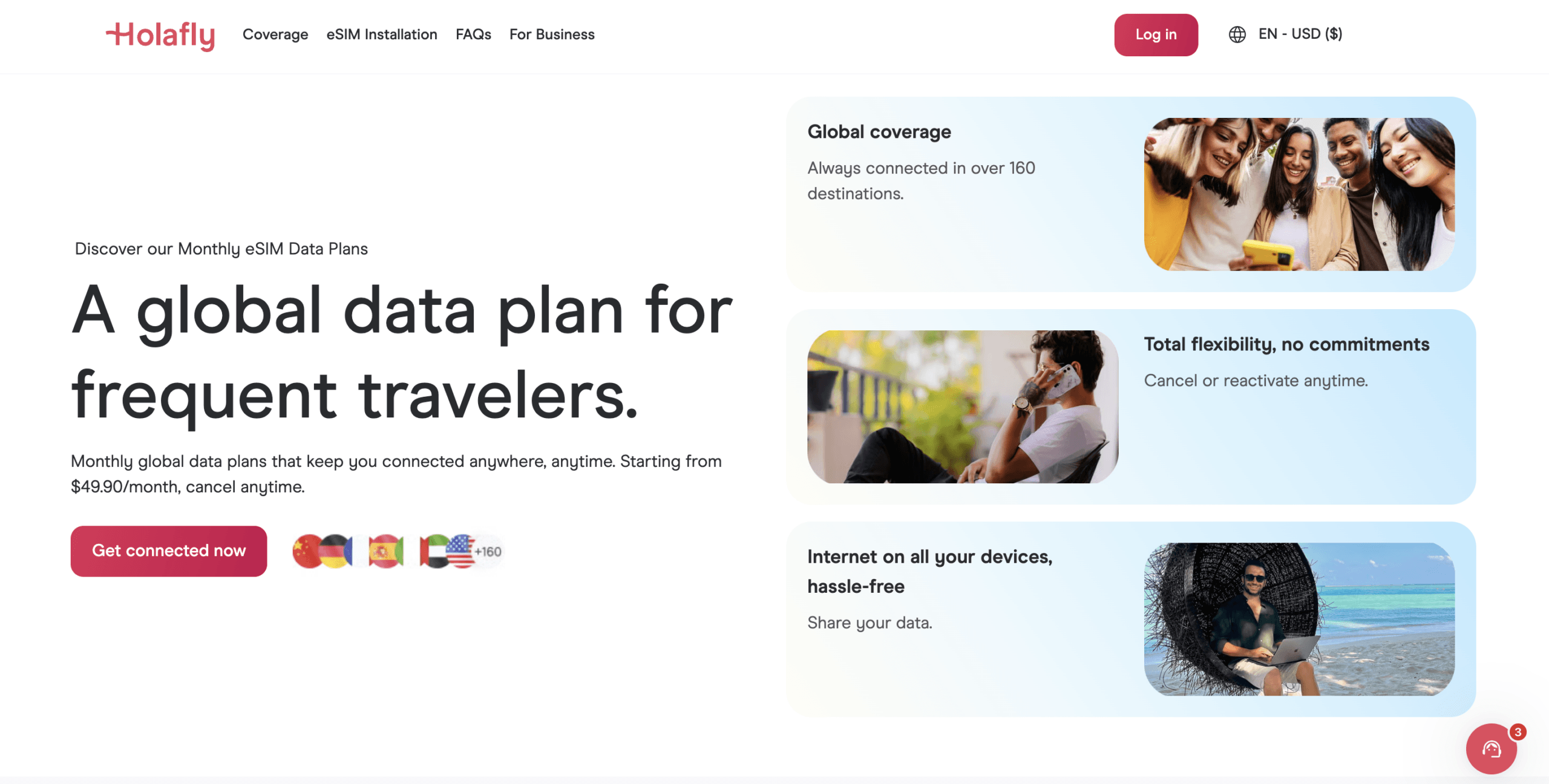
Holafly Plans takes this technology a step further. Instead of purchasing a one-off data package for a specific country or region—the standard industry practice—Holafly Plans offers an ongoing, subscription-based model that functions across more than 160 destinations. Once the user installs the initial profile, the system handles the transition between countries automatically.
The service is divided into two distinct tiers:
- The Light Plan: Designed for the casual traveler or digital nomad who primarily uses maps, messaging apps, and light social media, providing 25GB of data per month with full hotspot functionality.
- The Unlimited Plan: Targeted at power users, remote workers, and content creators, this tier removes data caps, includes unlimited hotspot capability, and provides a local phone number (US, UK, or Canada) to facilitate SMS verification and communication.
The Chronology: From Physical Cards to Perpetual Connectivity
The history of international roaming is a timeline of inconvenience. In the early 2000s, travelers were at the mercy of their home carrier’s "International Day Pass," often costing $10 to $20 per day. As the decade progressed, travelers shifted toward "buying local," which required navigating foreign language websites or finding physical storefronts upon arrival.

The introduction of the eSIM in the late 2010s was a watershed moment. It allowed users to pre-purchase data before leaving home. However, even with the rise of companies like Holafly, Airalo, and Nomad, the system remained fragmented. A user traveling from Thailand to Madagascar would need to purchase two separate plans, install two separate profiles, and manage two separate expiration dates.
Holafly’s move toward a subscription model marks the third major evolution: the transition from "data as a commodity" to "connectivity as a service." By launching these plans, Holafly is effectively mirroring the user experience of a domestic mobile carrier, but on a global scale. This shift suggests that the industry is finally moving toward a "plug-and-play" future where location is no longer a barrier to reliable, high-speed data.
Supporting Data: The Economic Case for Global Plans
The primary driver for the adoption of Holafly Plans is cost efficiency. When analyzing the current market, the disparity in pricing between domestic carriers and dedicated eSIM providers is stark.
Comparative Analysis of Connectivity Costs
| Feature / Cost | Holafly Plans (Unlimited) | US Major Carrier Roaming | Local SIM / Single eSIM |
|---|---|---|---|
| Monthly Cost | ~$55–$65 USD | $100–$300 USD | $60–$120 USD |
| Data Allowance | Unlimited | Throttled / Capped | Varies (5GB–10GB) |
| Hassle Factor | Low (One-time setup) | Moderate | High (Constant manual swap) |
| Hotspotting | Included | Often Restricted | Varies by Carrier |
As indicated in the table, the "Major Carrier" model—long the default for many business travelers—is becoming increasingly obsolete. Not only are these plans significantly more expensive, but they often come with hidden "fair usage" policies that throttle data speeds once a certain threshold is met. By contrast, the subscription model provides predictable billing and consistent performance, regardless of geographic movement.
Official Perspectives and User Experience
In reviewing the service, travel industry expert Nomadic Matt highlights that while traditional, trip-specific eSIMs remain the "cheaper, simpler option" for the occasional vacationer taking one or two trips a year, the value proposition changes for the professional traveler.
"If you’re a digital nomad who is gone from your home country most of the year and moving between different countries all the time, the Holafly Plans model is the superior choice," says Matt. "It’s a standing global subscription designed for people who are always on the move. Instead of buying a new eSIM every time your itinerary changes, you have one number, one connection, and one bill that follows you across borders."
Furthermore, Holafly has addressed one of the most common user complaints: the "data cliff." Both plans include an "Always On" feature, which grants 1GB of backup data every month for life, even if the user pauses or cancels their primary subscription. This ensures that even in a worst-case scenario, the user maintains a baseline level of connectivity for emergencies or navigation.
Implications for the Digital Nomad Economy
The launch of Holafly Plans has significant implications for the growing remote work ecosystem. As more companies move toward "work from anywhere" policies, the dependency on reliable, high-speed internet has moved from a luxury to a requirement.
1. The Death of Roaming Anxiety
For years, the "sticker shock" of returning from a trip to a massive roaming bill has been a source of stress for travelers. Subscription-based eSIMs eliminate this by normalizing costs. A user knows exactly what their connectivity will cost, whether they are in Tokyo, Berlin, or Buenos Aires.
2. Streamlining the Digital Workflow
For content creators and software developers, the ability to tether a laptop to a phone without fear of data throttling is a game-changer. The inclusion of unlimited hotspot data in the premium tier positions Holafly as a viable replacement for a primary home internet contract for those who live a nomadic lifestyle.
3. Sustainability and Ease of Access
The environmental and logistical impact of moving away from physical plastic SIM cards cannot be overstated. By digitizing the entire process—from purchase to activation—Holafly is reducing the need for physical logistics and waste. The ability to activate a plan via a QR code in minutes, rather than waiting in line at an airport kiosk, represents a massive gain in efficiency.
Critical Considerations: Who Should Avoid This?
Despite the clear benefits, it is important to note that this service is not a panacea for every traveler.
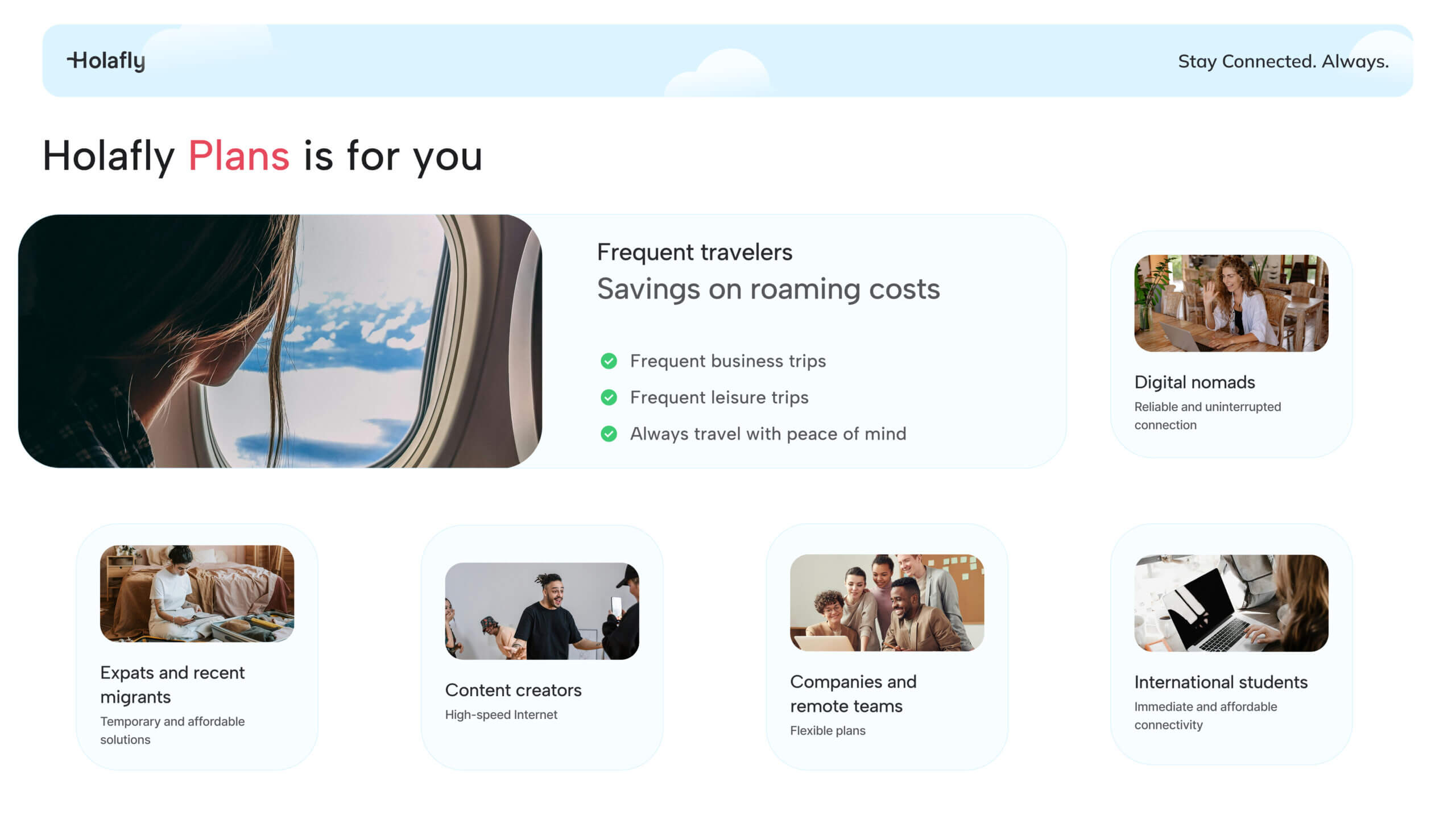
- The Casual Traveler: If you are a once-a-year traveler taking a 10-day trip to Italy, a standard, one-off destination eSIM will almost certainly be more cost-effective. A subscription model is an unnecessary overhead for those who do not have a consistent travel cadence.
- Device Compatibility: While most modern smartphones (iPhone XS and newer, most Samsung S20+ and newer) are eSIM-compatible, users with older hardware will still be relegated to physical SIM cards.
- Upgrade Limitations: Currently, the company does not offer an "in-place" upgrade path between the Light and Unlimited tiers. Users wishing to switch must cancel their current subscription and initiate a new one, which is a friction point that will likely be addressed as the platform matures.
Final Thoughts: The New Standard
The travel industry is currently in a period of rapid technological consolidation. As we move further into the decade, the concept of "local" versus "international" data is becoming increasingly blurred. Companies like Holafly are betting that the future of travel is not about managing dozens of local accounts, but about maintaining a singular, global digital identity.
For those who prioritize freedom, efficiency, and consistent connectivity, the shift to a subscription-based eSIM model is a logical step forward. It transforms the smartphone from a device that requires constant manual configuration into a truly global tool, capable of maintaining a stable connection regardless of where in the world the user happens to be.
As we look toward the future, the question is no longer how to stay connected while traveling, but how much time and money we can save by finally leaving the era of physical SIM cards behind. For the professional nomad, that answer has never been clearer.
 Iffa Jayyana
  Raul Delapena Setiawan