

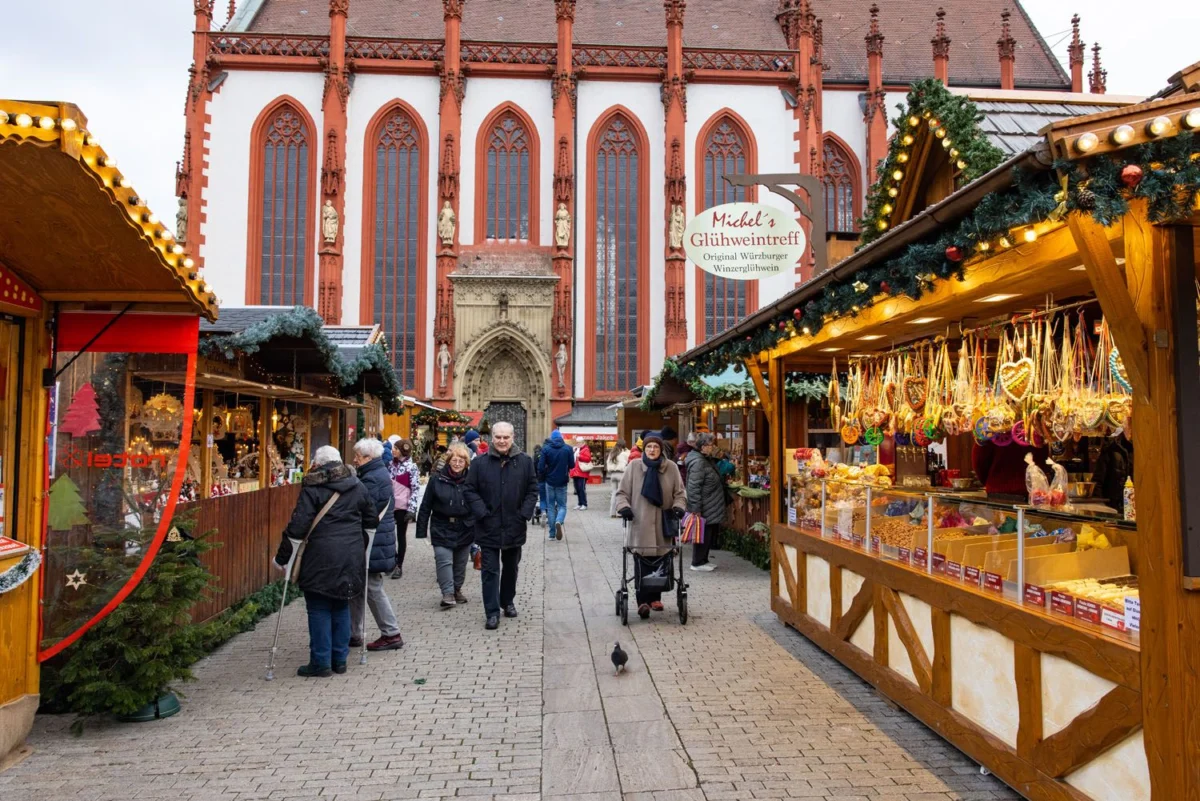
Germany’s Christmas markets, or Weihnachtsmärkte, are more than just shopping destinations; they are the beating heart of the German holiday season. Across the country, medieval town squares are transformed into glowing, aromatic wonderlands where half-timbered houses serve as backdrops for steaming mugs of Glühwein, artisanal wood carvings, and the scent of roasting almonds.
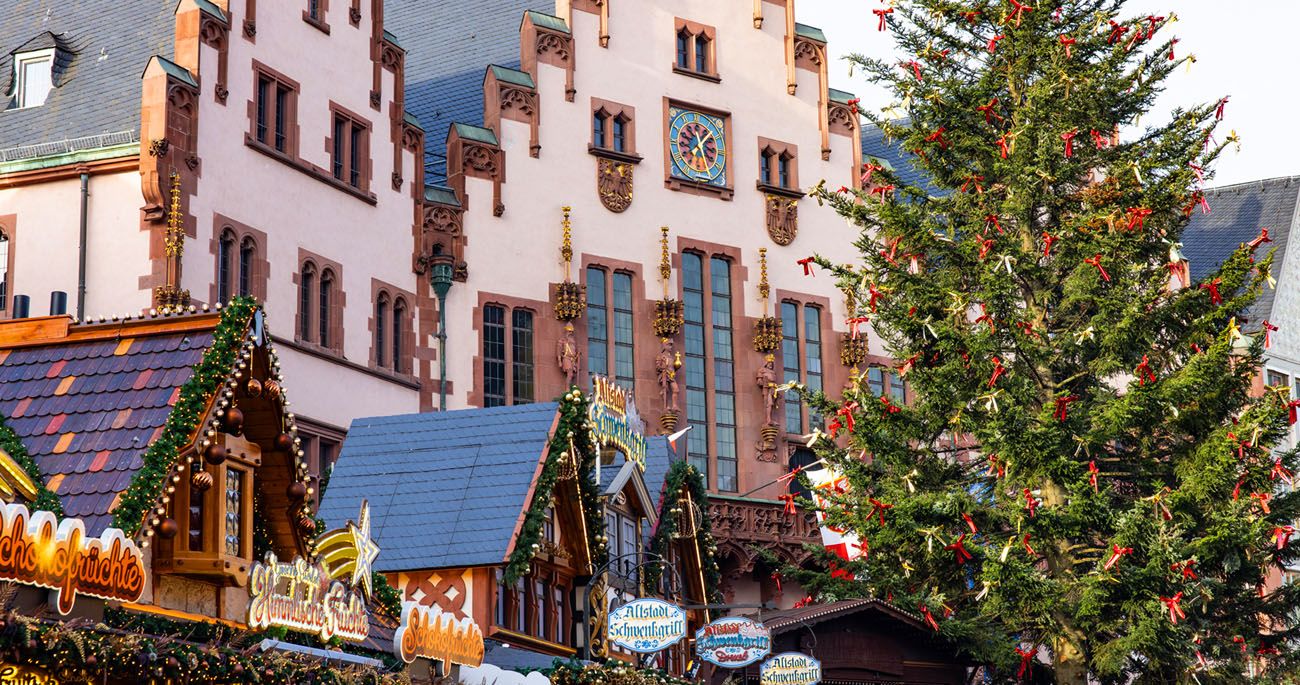
Having spent years traversing Europe to experience the festive season, we have curated a definitive, firsthand guide to 20 of Germany’s most notable Christmas markets. From world-famous spectacles to intimate, fairy-tale hidden gems, this guide evaluates the best of the best, ranked by atmosphere, local charm, culinary offerings, and overall experience.
The Cultural Significance of the Christmas Market
The tradition of the Weihnachtsmärkte dates back to the late Middle Ages, with roots primarily in the German-speaking regions of Europe. Originally designed as a way for locals to stock up on supplies for the harsh winter months, these gatherings evolved into festive celebrations of the Advent season. Today, they remain a vital pillar of German culture, drawing millions of visitors annually and providing a platform for local artisans to showcase traditional crafts.
Chronology and Seasonal Timing
For those planning a pilgrimage to these festive hubs, timing is everything.
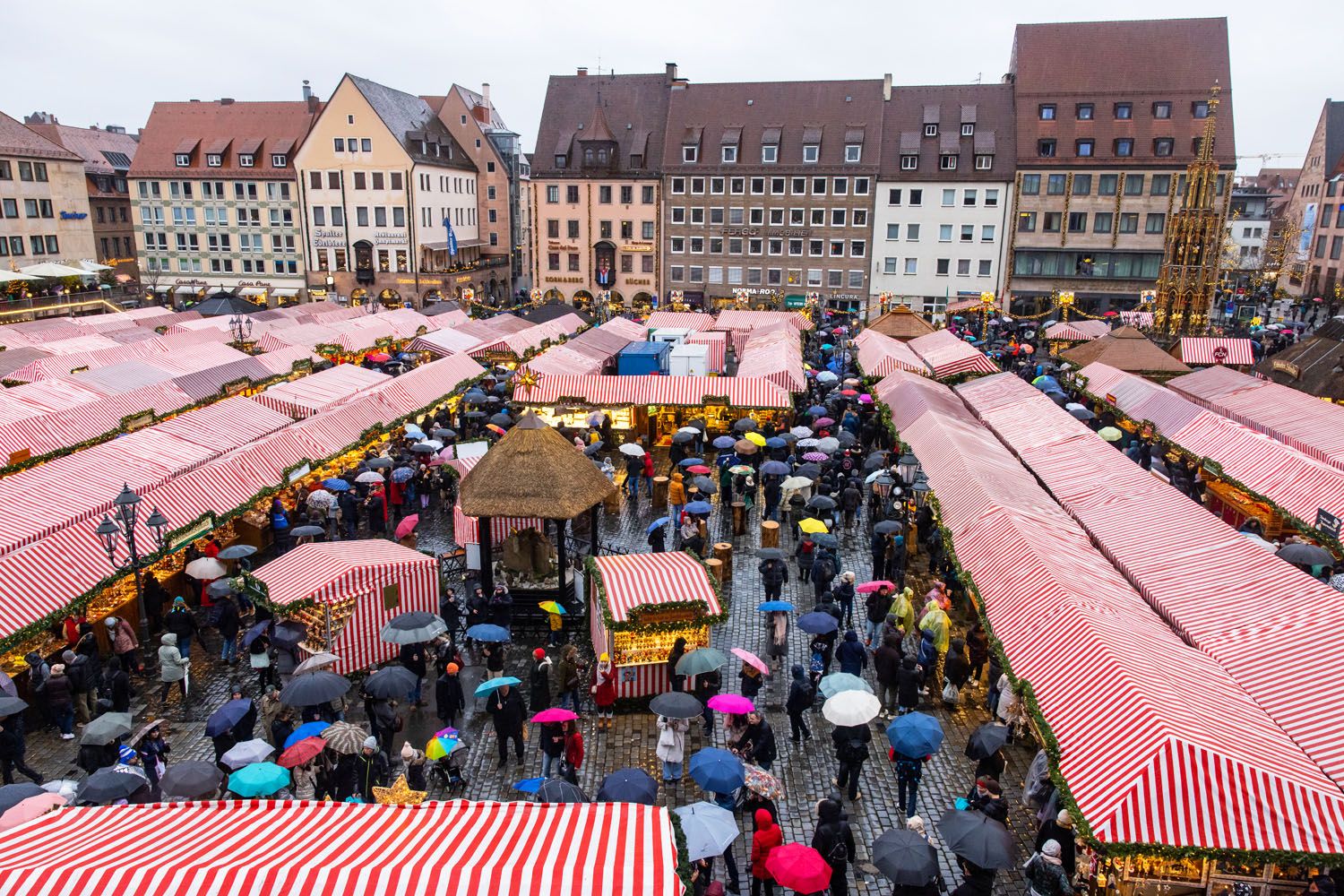
- Opening Season: Most German markets officially open during the last week of November, typically between November 25 and November 30.
- Peak Period: Early to mid-December—particularly on weekends—is the most crowded, with the highest foot traffic occurring between sunset and 8:00 PM.
- Closing Dates: While many smaller town markets shutter on December 23 or 24, major urban centers often keep their stalls open through Boxing Day (December 26). A select few, particularly in larger metropolitan areas, may remain open until December 30 or even New Year’s Day.
Top-Tier Destinations: The Gold Standard
1. Esslingen am Neckar: The Medieval Masterpiece
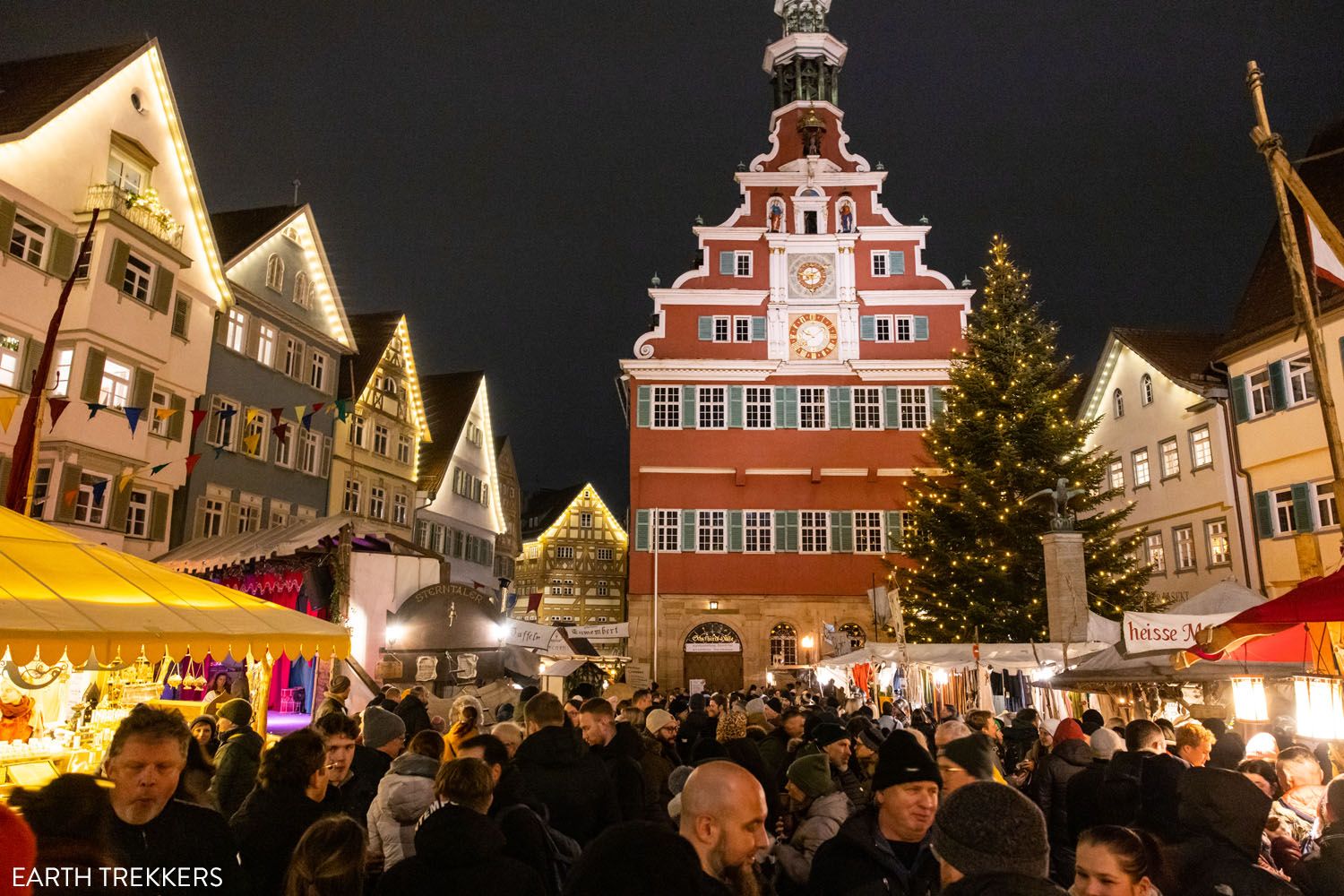
Esslingen stands as our top-rated market in all of Europe. Its medieval-themed village is unparalleled. Here, the atmosphere is dictated by authentic historical reenactments: fire-eaters, axe-throwers, and artisans working in traditional attire. Set against the backdrop of Germany’s oldest continuous row of half-timbered houses, the experience feels less like a tourist attraction and more like a time-travel expedition.
2. Dresden: The Historical Titan
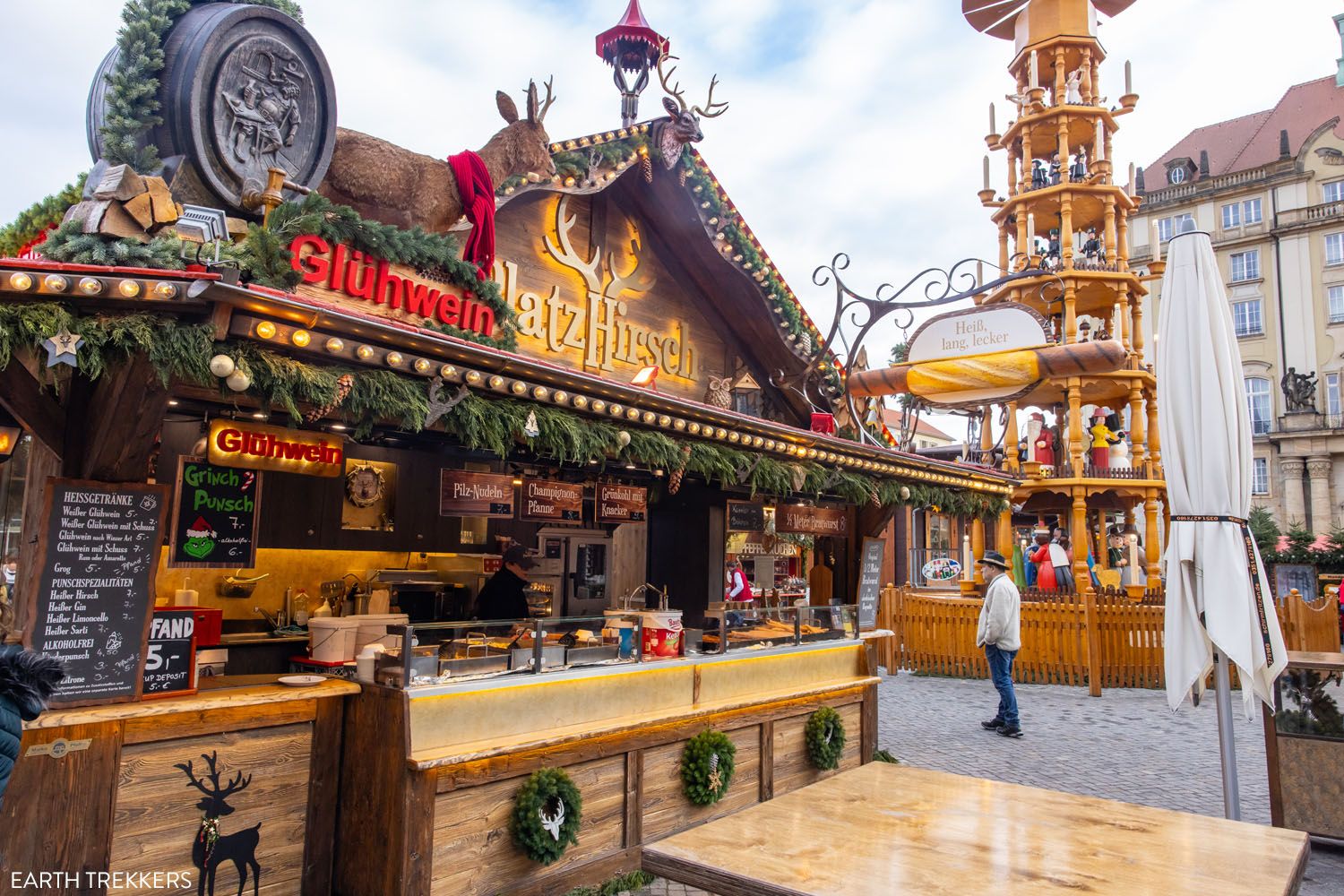
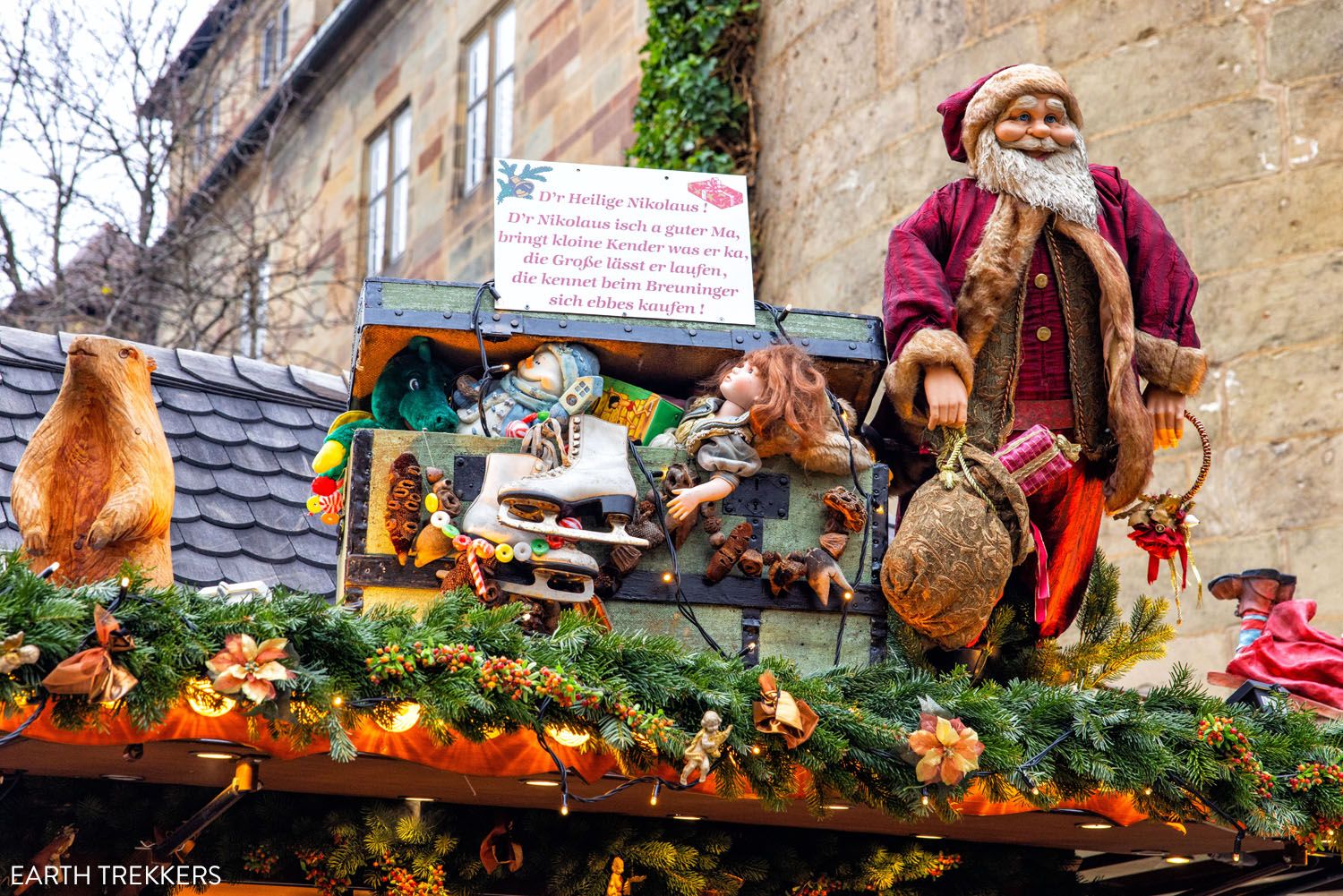
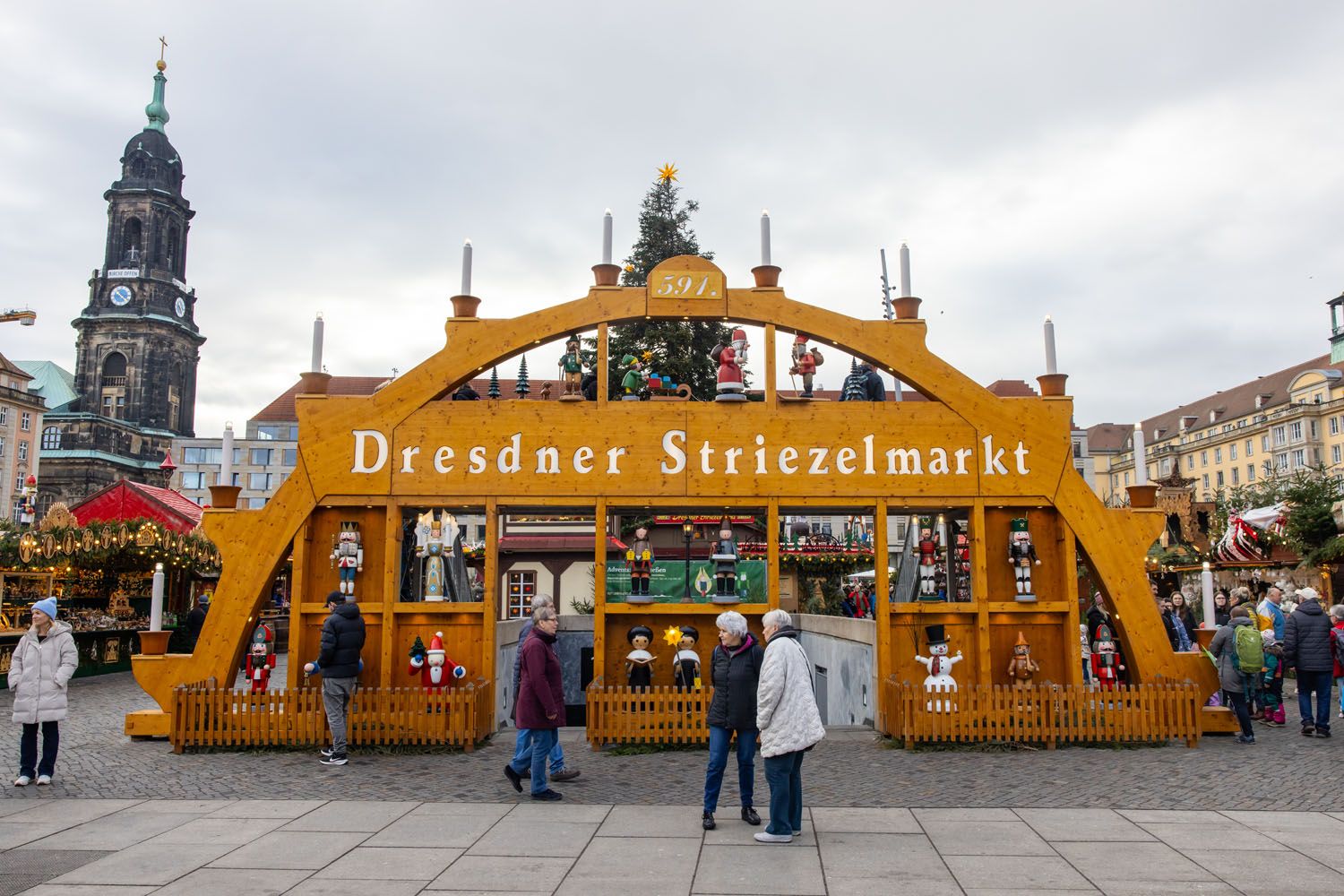
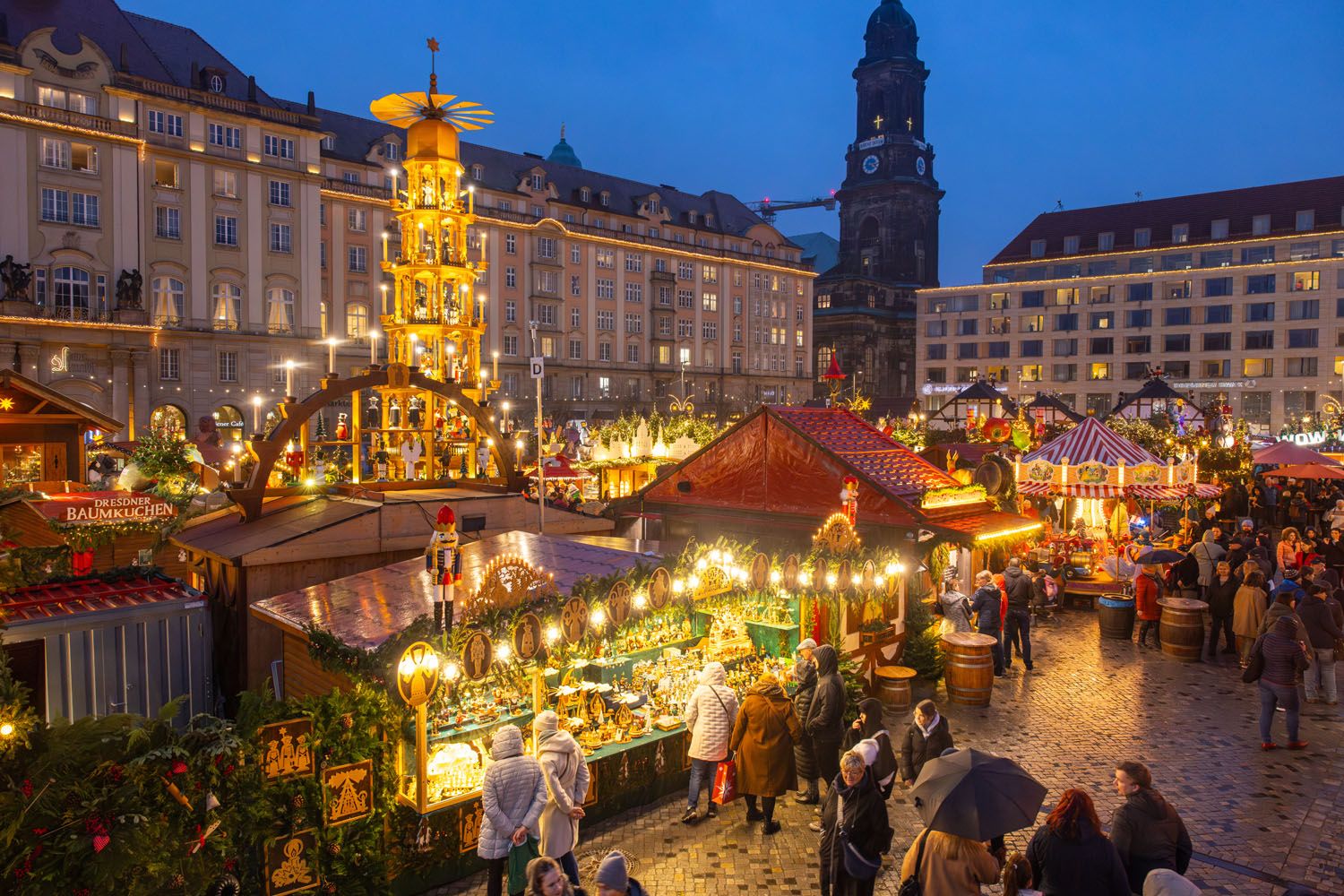
Dating back to 1434, the Dresdner Striezelmarkt is the oldest recorded Christmas market in the world. Its location on the Altmarkt is legendary, featuring the world’s tallest Christmas pyramid. The city’s commitment to tradition, combined with its stunning baroque architecture, makes it an essential stop for any serious traveler.
3. Nuremberg: The Traditional Icon
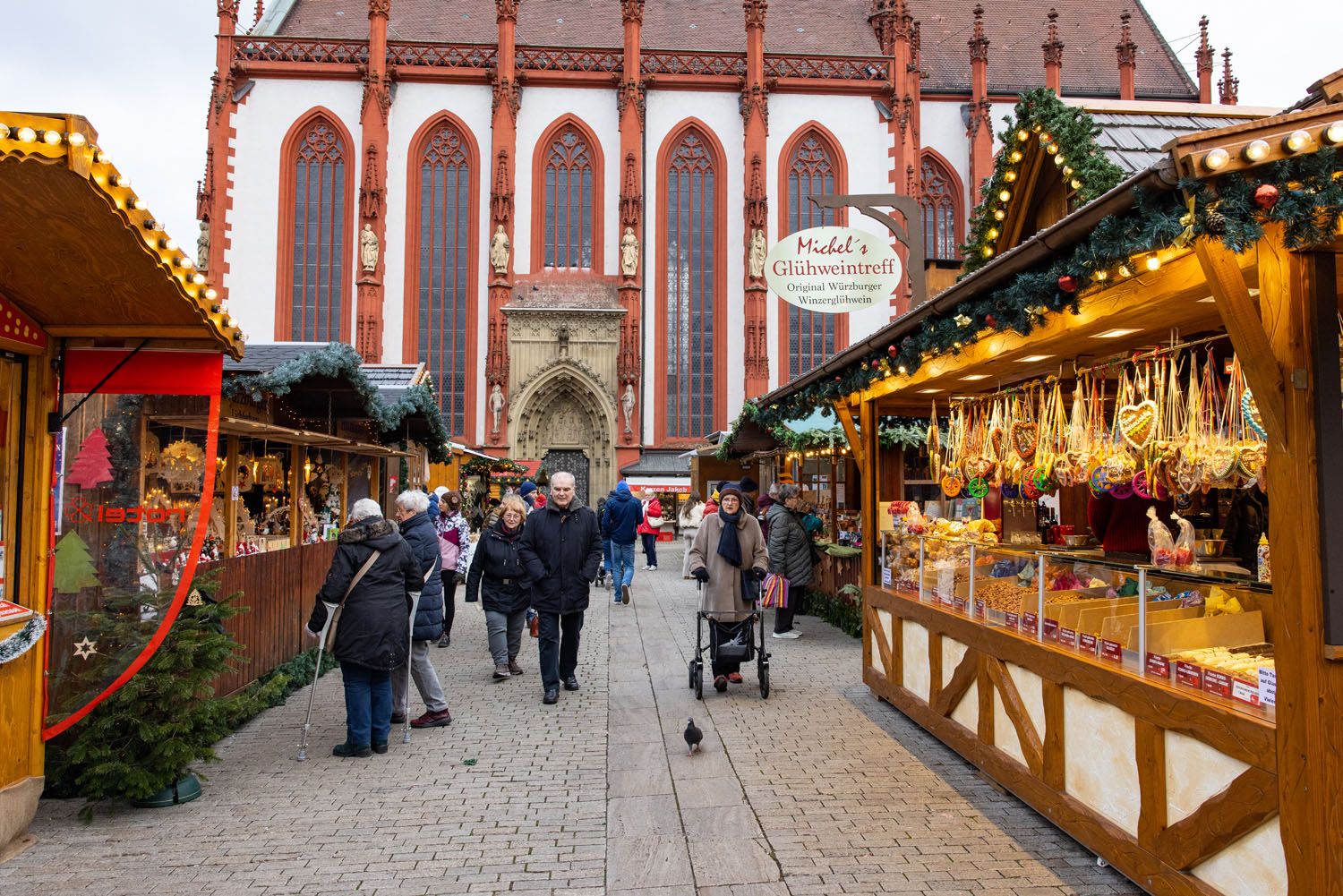
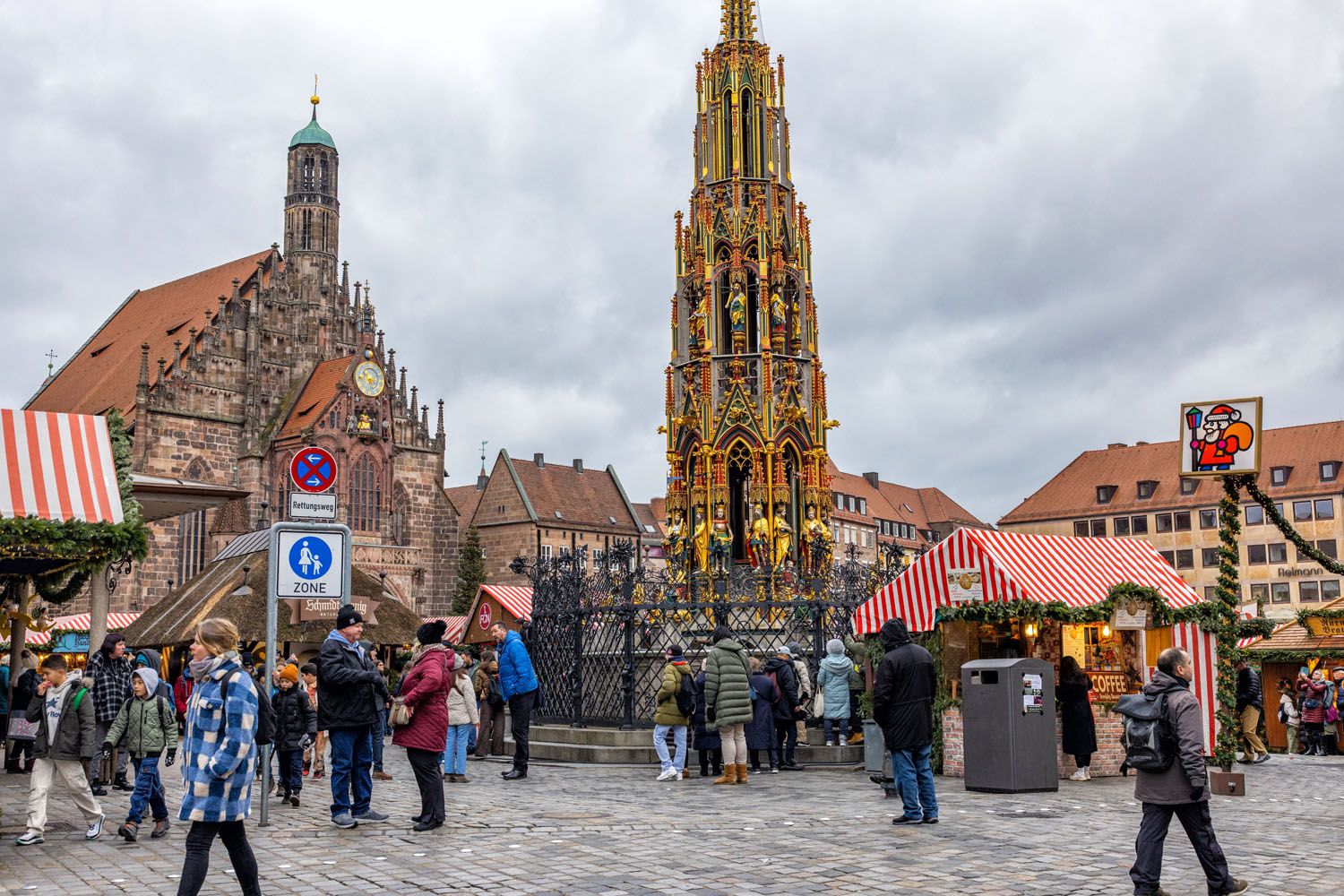
The Christkindlesmarkt in Nuremberg is perhaps the most famous in the world. It is a bastion of tradition, strictly regulating the quality of goods sold. Visitors should prioritize the local Nürnberger Lebkuchen (gingerbread) and the regional blueberry Glühwein. While crowds are heavy on weekends, a weekday visit offers a much more intimate glimpse into this Bavarian treasure.
Hidden Gems and Underrated Experiences
The Charm of Erfurt and Würzburg
While many flock to the major hubs, some of the most enjoyable experiences were found in smaller, historic cities.
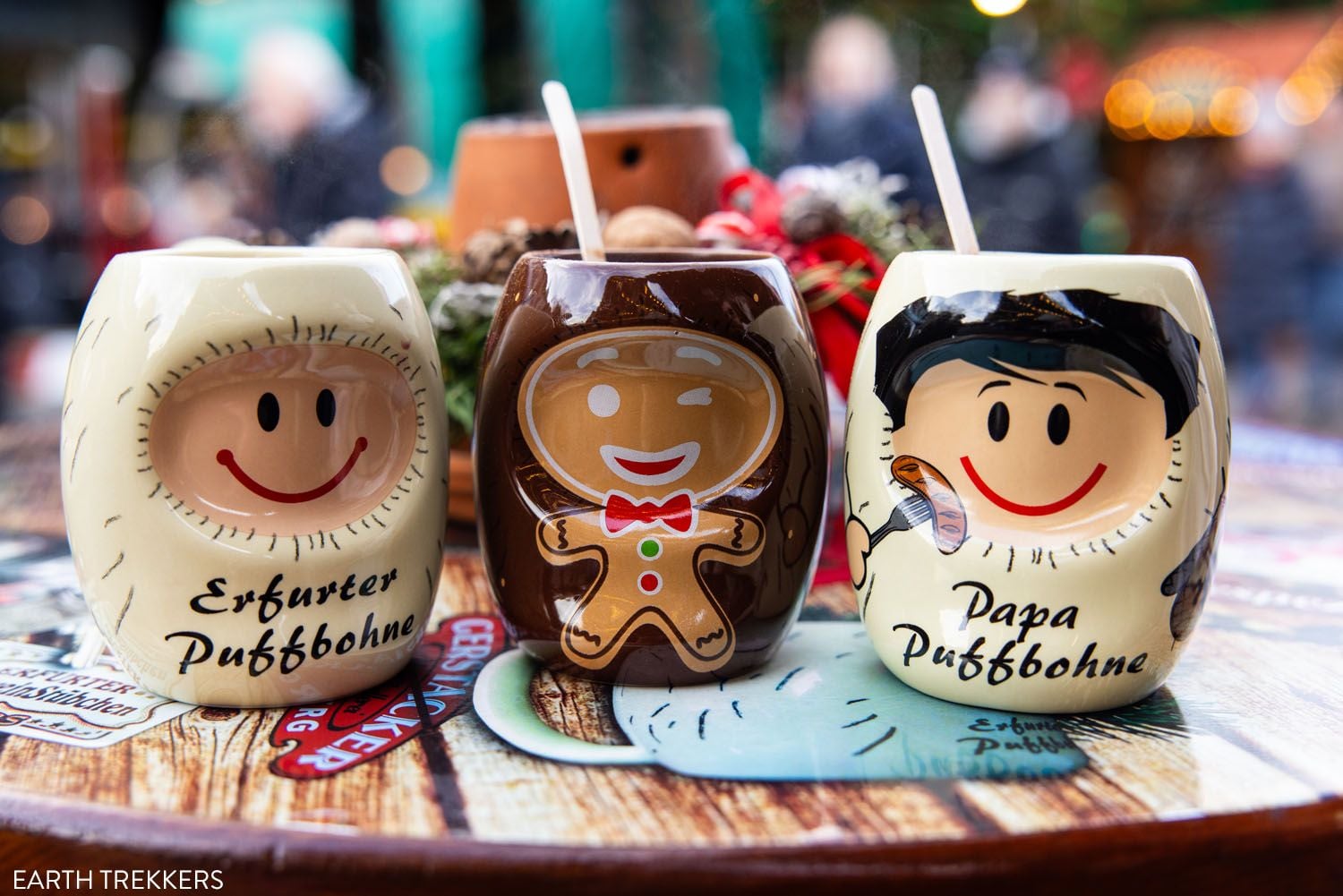
- Erfurt: With the stunning Erfurt Cathedral and St. Severus Church looming above the market, the setting feels like a scene from a fantasy novel. It is also home to some of the most unique collectible mugs in the country.
- Würzburg: Often overlooked, this market offers a Baroque-inspired setting with significantly lower crowds, allowing for a more relaxed, authentic interaction with local vendors.
Comparative Analysis: What Makes a Market "The Best"?
In evaluating these destinations, we utilized four core criteria:
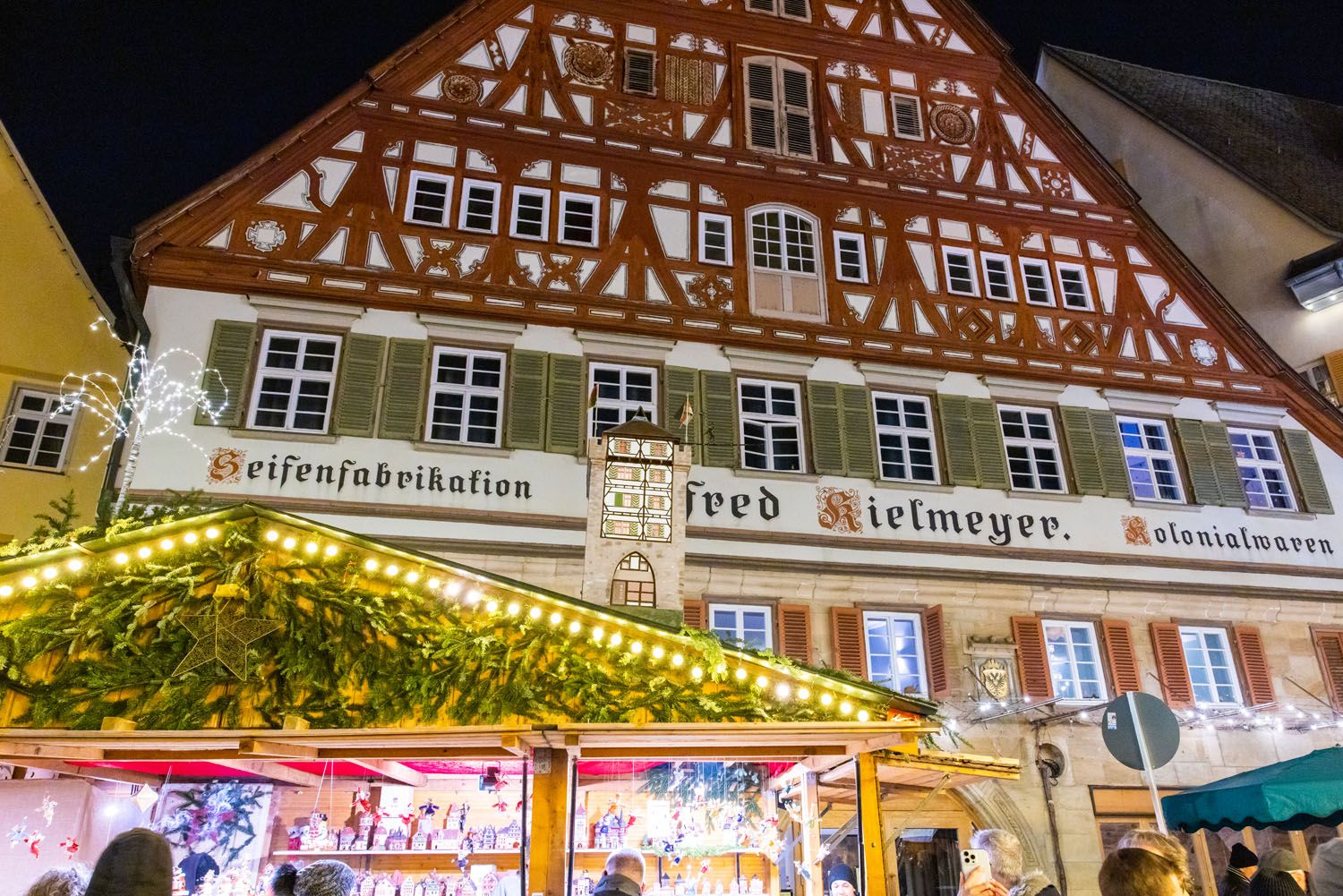
- Setting: The architectural backdrop and overall ambiance.
- Product Quality: The authenticity and variety of handcrafted goods.
- Culinary Variety: The presence of local, regional specialties beyond the standard fare.
- Crowd Management: The density of visitors and the ease of navigation.
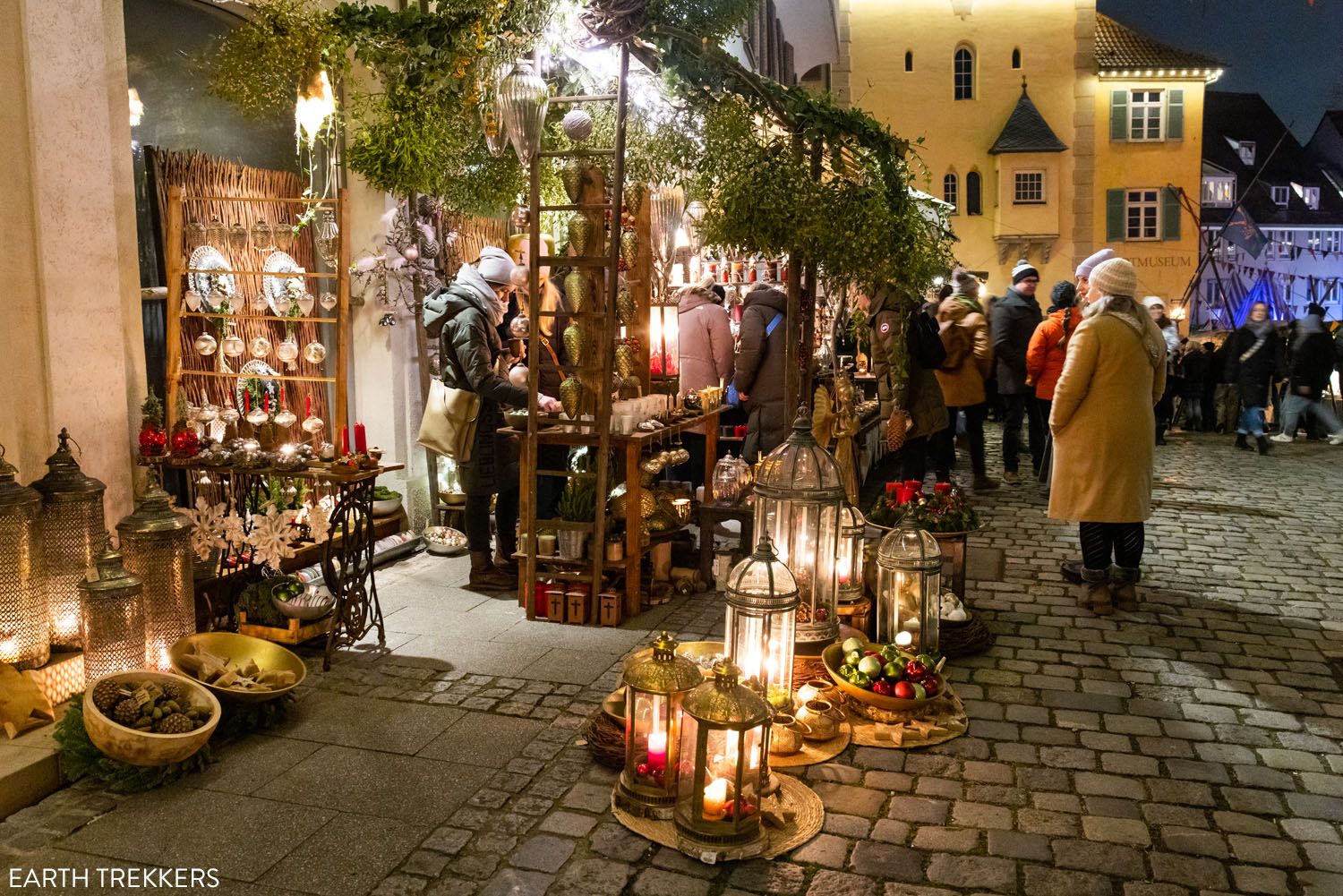
While larger cities like Munich and Cologne offer a diverse array of themed sub-markets (such as the LGTBQ-friendly "Pink Christmas" in Munich or the "Angel Market" in Cologne), they often suffer from overcrowding. Conversely, smaller towns like Ludwigsburg provide a quieter, more "local" feel, which many travelers find more conducive to the holiday spirit.
Logistical Challenges: The Ravenna Gorge
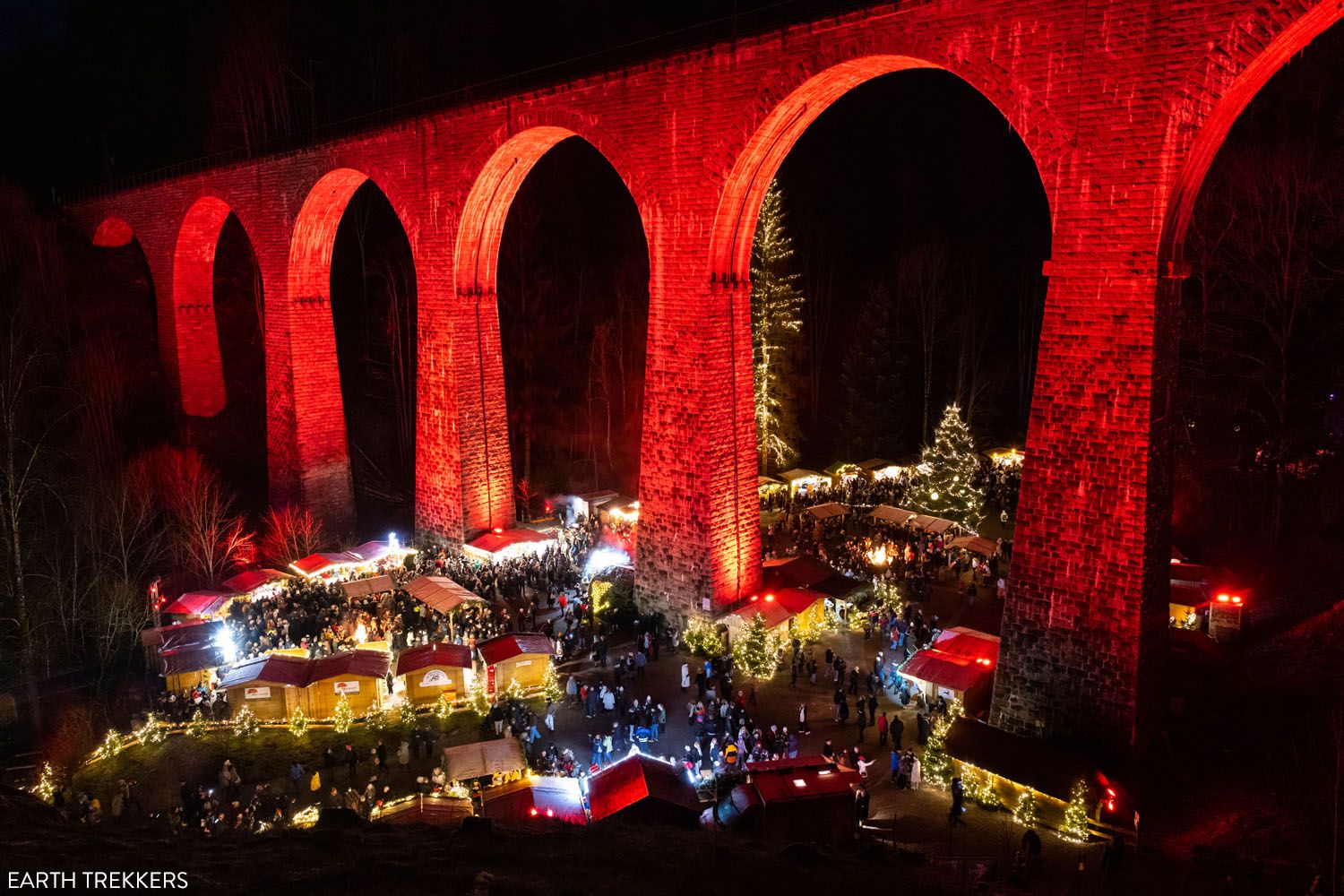
One unique entry is the Ravenna Gorge market, located at the base of a towering, illuminated railway viaduct in the Black Forest. While visually breathtaking, it serves as a case study in logistical planning. Because it is held in a constrained space, it requires advanced ticket purchases and shuttle coordination. While it is a unique experience, it is arguably less accessible for those looking for a spontaneous travel itinerary.
Practical Tips for the Savvy Traveler
To ensure a seamless experience, keep the following strategies in mind:
- Currency: While digital payments are becoming more common, always carry at least 100 Euros in cash. Many smaller vendors still prefer or require physical currency.
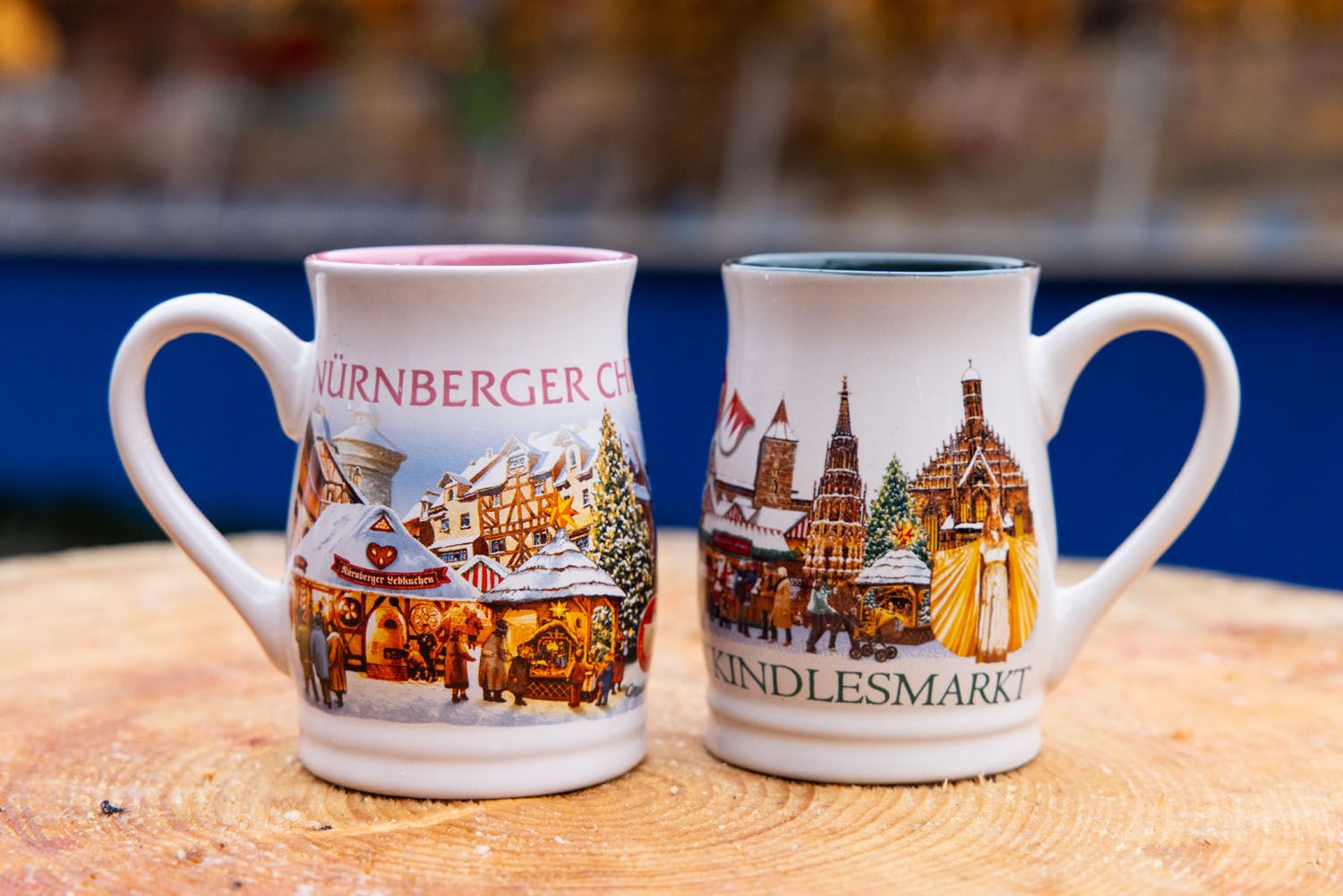
- The Pfand System: This is the most crucial tip for collectors. You pay a deposit (Pfand) for your ceramic mug when you order a drink. If you return the mug, you get your money back. If you keep it, you have effectively purchased a souvenir for the price of the deposit.
- Dress for the Climate: German winters are damp and biting. Prioritize thermal layers, gloves, and sturdy, comfortable footwear.
- Timing the Visit: For the best photography and lowest crowds, aim to arrive one hour before sunset. You will capture the "golden hour" light on the buildings, followed by the magical glow of the stall lights as the sky turns deep blue.
The Implications of "Market Fatigue"
As with any popular travel phenomenon, it is important to balance "famous" destinations with "hidden" ones. Berlin, for instance, hosts over 80 markets. While some, like the WeihnachtsZauber Gendarmenmarkt, are excellent, many are merely extensions of modern city life. Travelers should be wary of over-scheduling; visiting three markets in one day can lead to sensory overload. It is far more rewarding to spend an entire evening in one well-chosen location than to rush through four.
Conclusion: Crafting Your Itinerary
Whether you are interested in the medieval pageantry of Esslingen, the historical grandeur of Dresden, or the quiet, Baroque charm of Würzburg, Germany offers a Christmas experience for every type of traveler.
When mapping out your trip, we recommend focusing on a specific region—such as Bavaria or the Baden-Württemberg area—to minimize travel time and maximize your time spent enjoying the festivities. By combining one or two "must-see" iconic cities with smaller, local towns, you can create a balanced, memorable, and truly magical German holiday itinerary.
Have you visited these markets? Share your favorite discoveries and tips in the comments below.
 Siti Muinah
  Nana Wu
  Lina Hope