

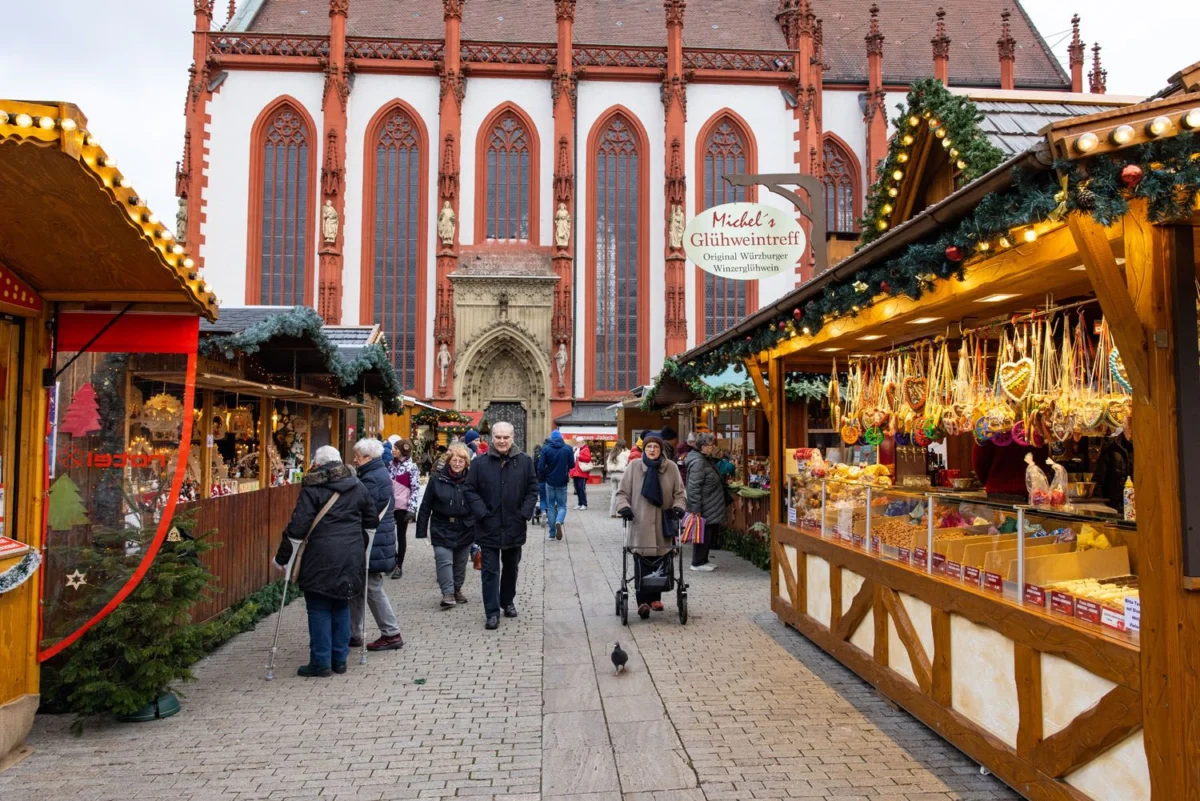
For centuries, the arrival of Advent in Germany has been marked by the transformation of town squares into glowing, wooden-stalled wonderlands. From the towering spires of cathedrals to the intimate, half-timbered alleyways of medieval villages, German Christmas markets—or Weihnachtsmärkte—are the definitive standard for holiday magic.
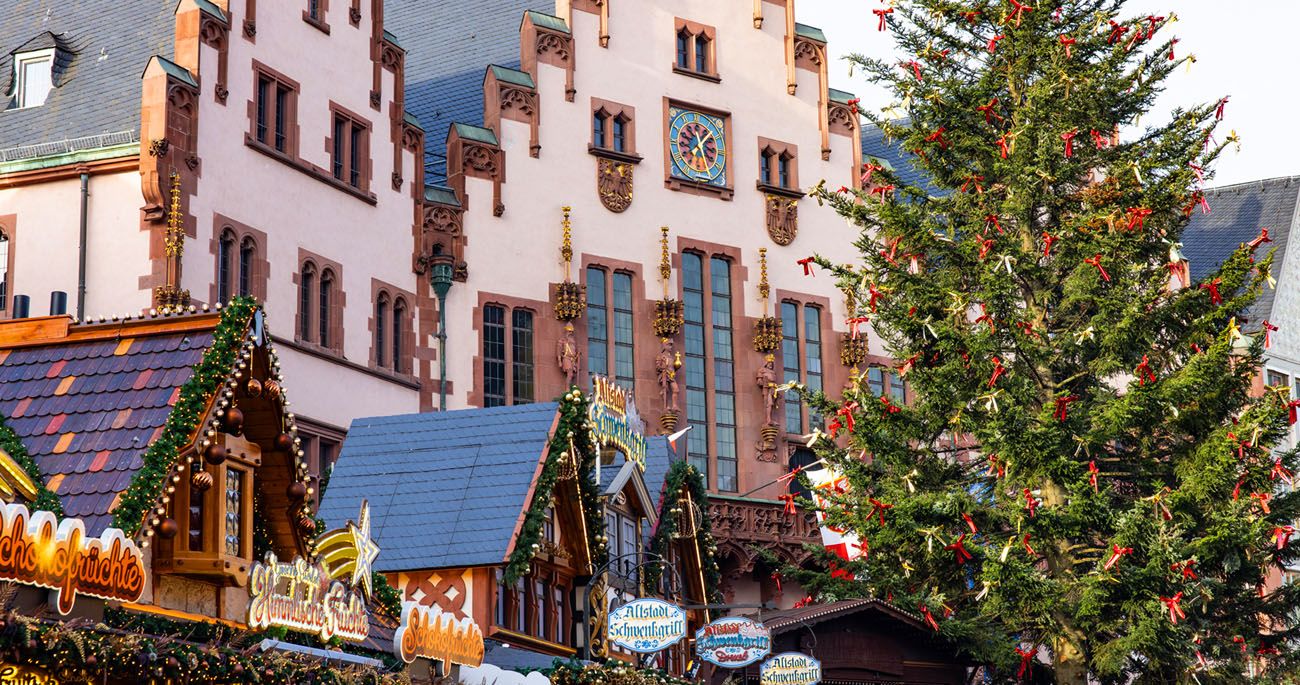
Based on years of extensive travel and firsthand exploration, this guide ranks 20 of Germany’s most notable market destinations. Whether you are seeking the world-famous classics or searching for a hidden, local gem, this curated selection will help you navigate the season’s best offerings.
The Anatomy of an Unforgettable Market
What distinguishes a truly spectacular market from a mundane one? Our criteria focus on four pillars: atmospheric setting, quality of artisan crafts, culinary authenticity, and crowd management.
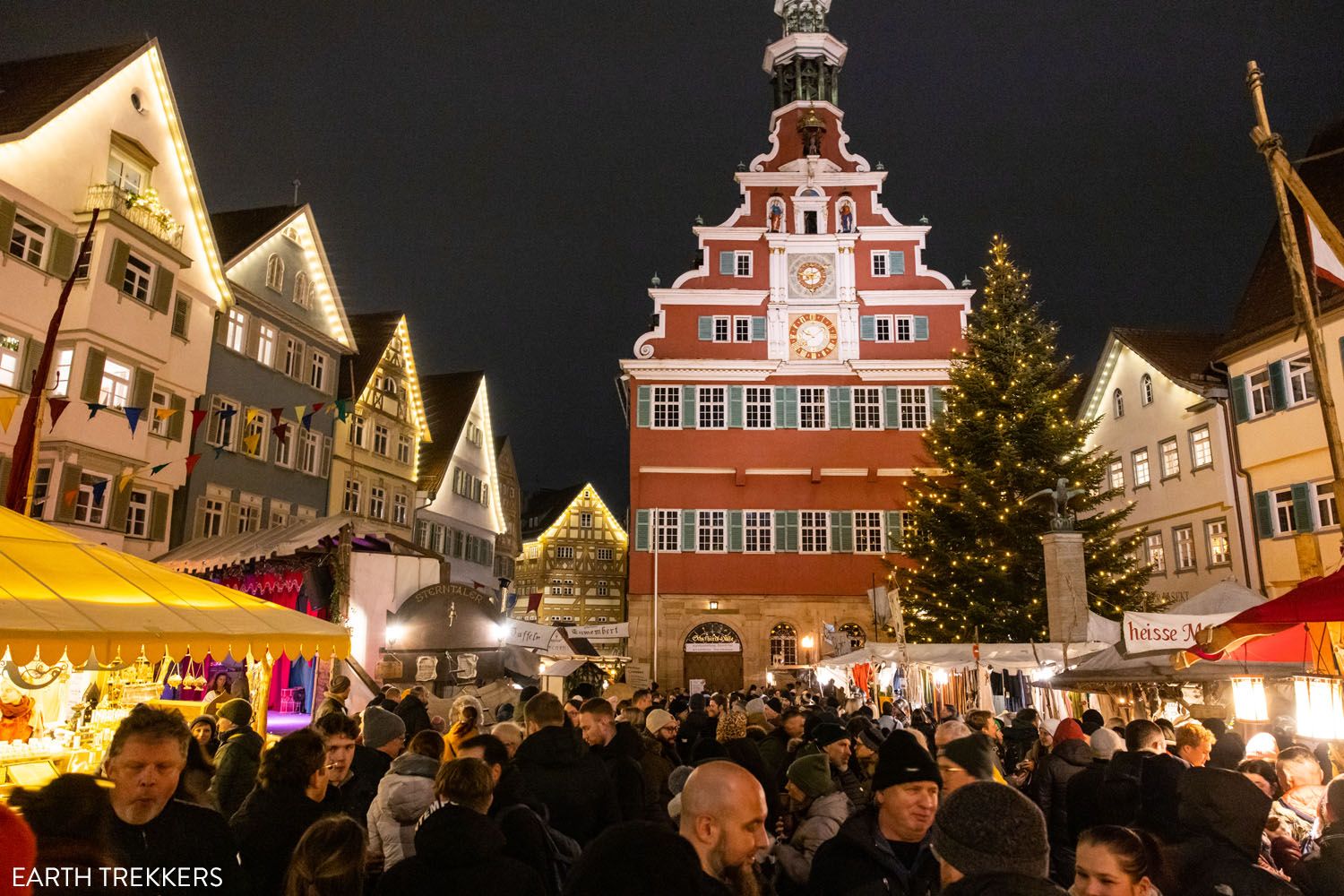
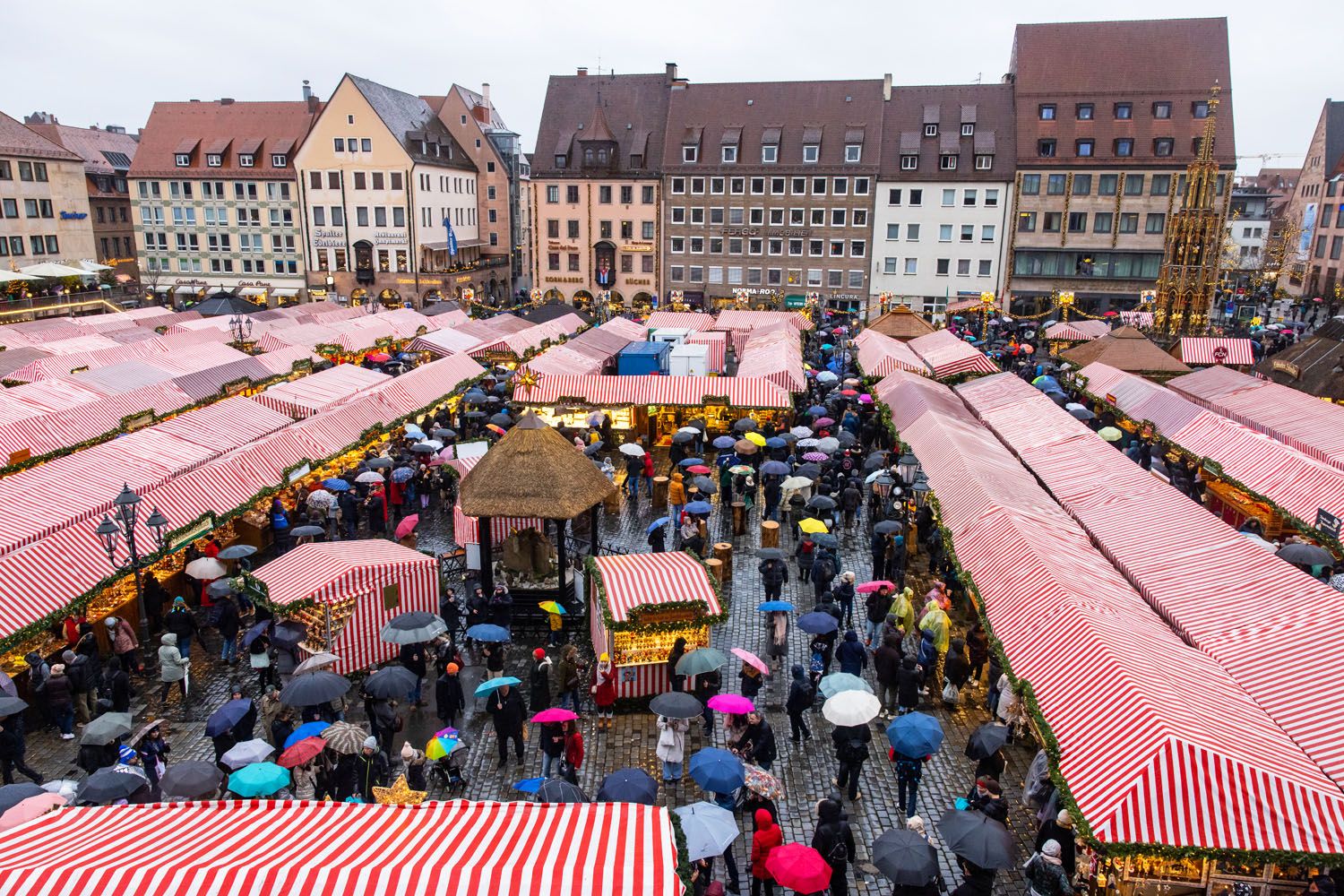
The most magical experiences occur when historic architecture—such as the medieval facades of Esslingen or the Baroque squares of Würzburg—serves as the backdrop. While larger cities like Berlin offer quantity, smaller towns often provide the intimate, fairy-tale quality that travelers crave.
A Curated Ranking of Germany’s Top Markets
1. Esslingen am Neckar: The Medieval Masterpiece
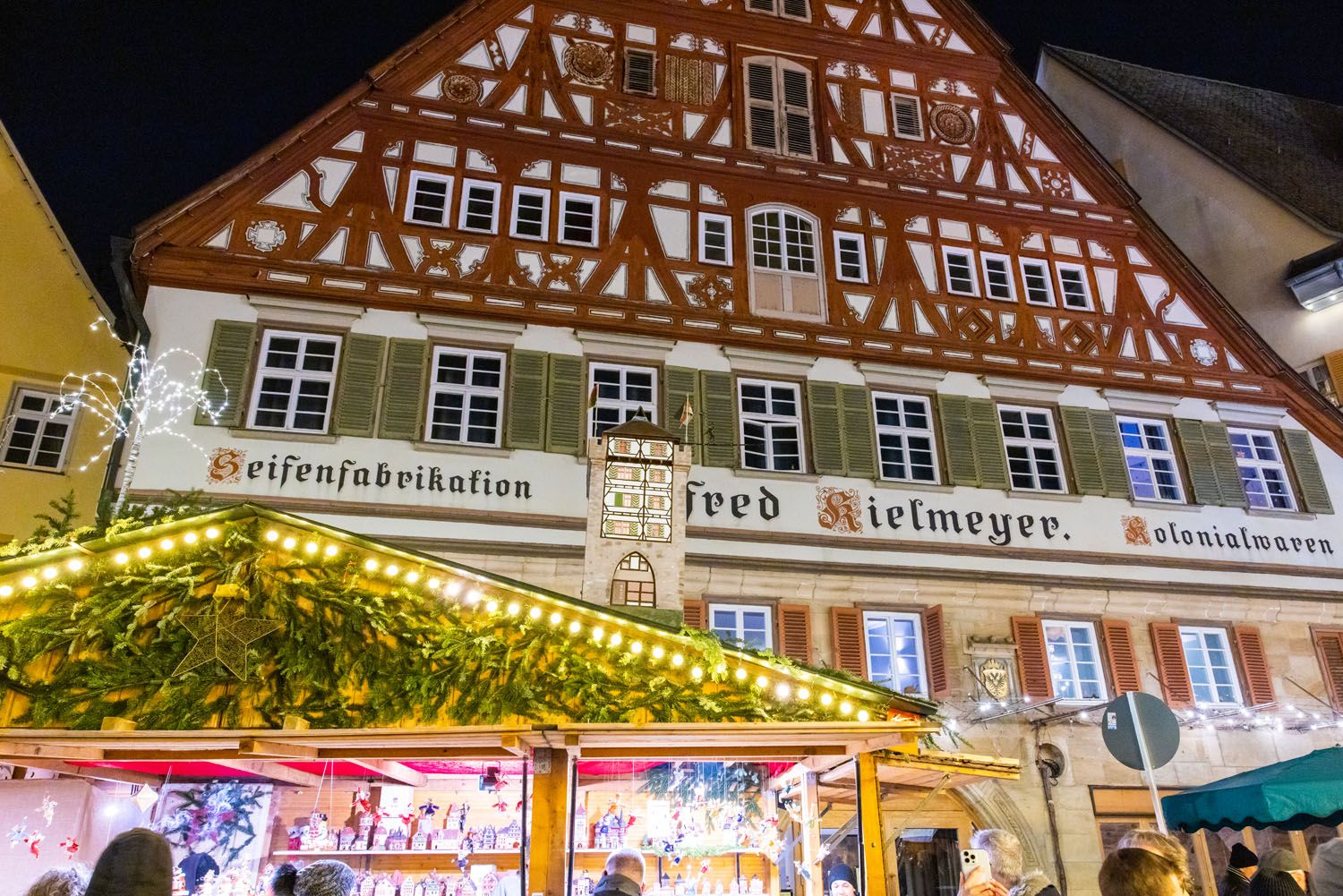
Esslingen stands as our number-one destination, not just in Germany, but across all of Europe. The town is home to the oldest continuous row of half-timbered houses in the country, creating an authentic medieval atmosphere. The market features fire-eaters, live folk music, and traditional activities like axe throwing and candle dipping. It is an immersive, sensory-rich experience that transports visitors back to the Middle Ages.
2. Dresden: The Historical Gold Standard
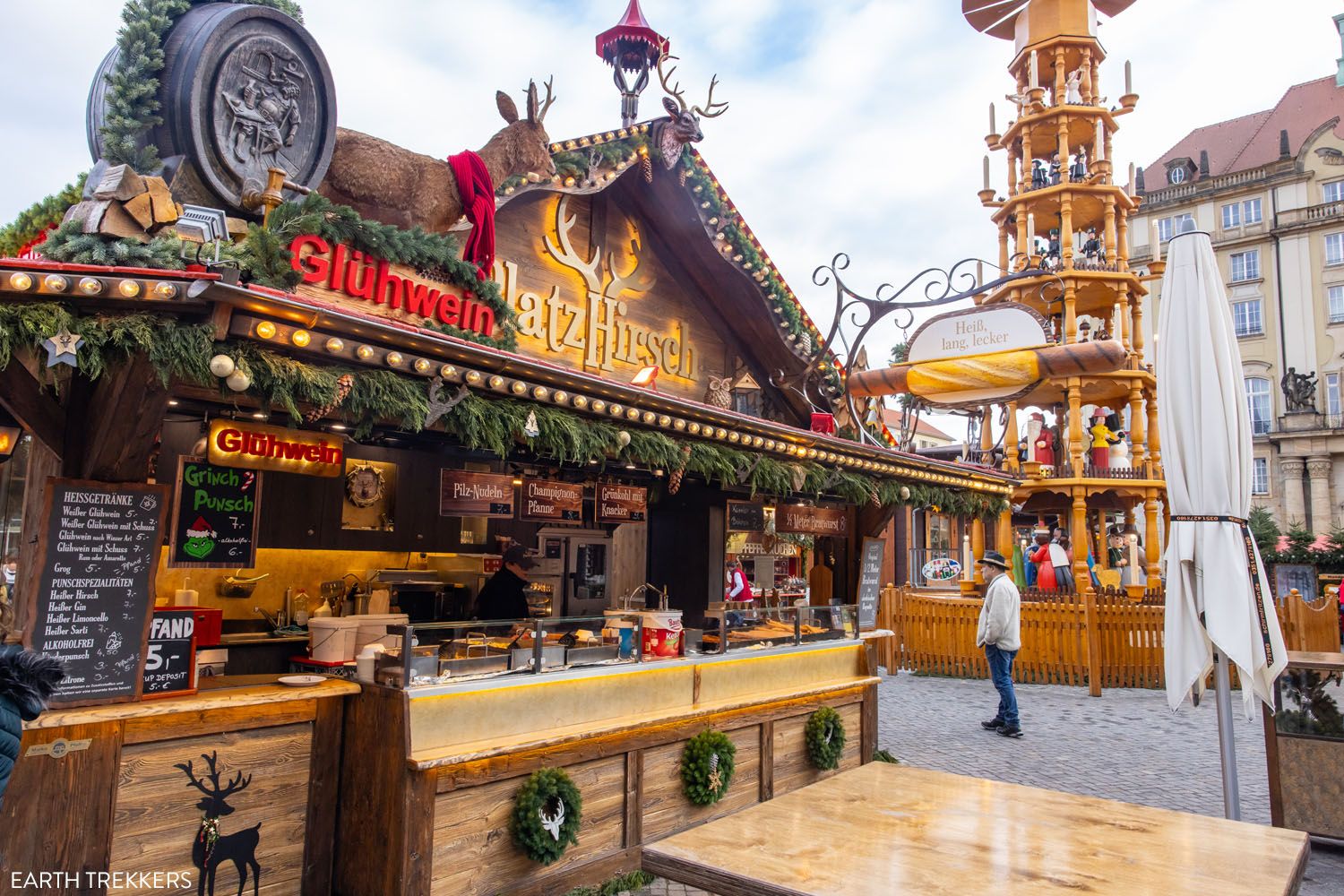
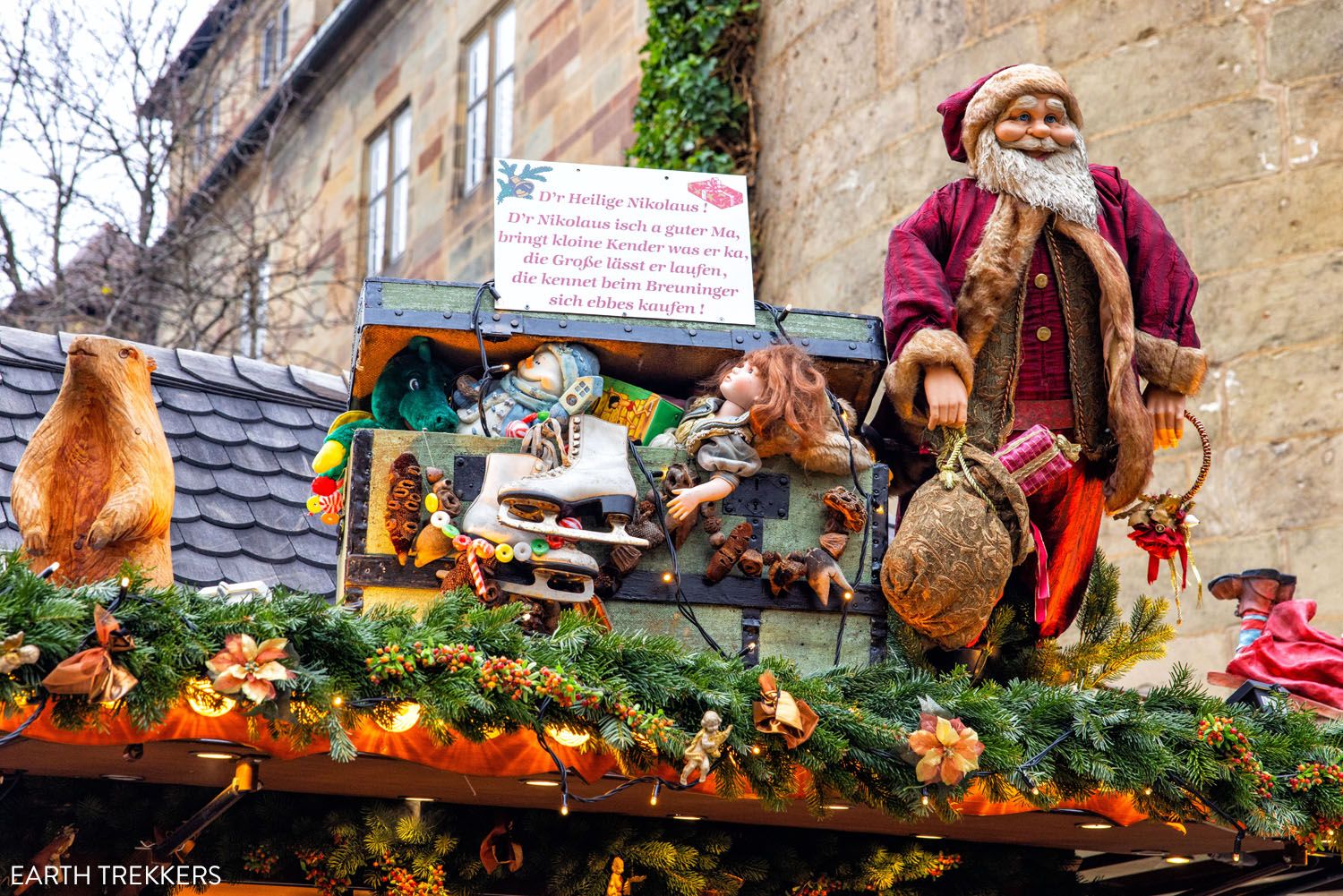
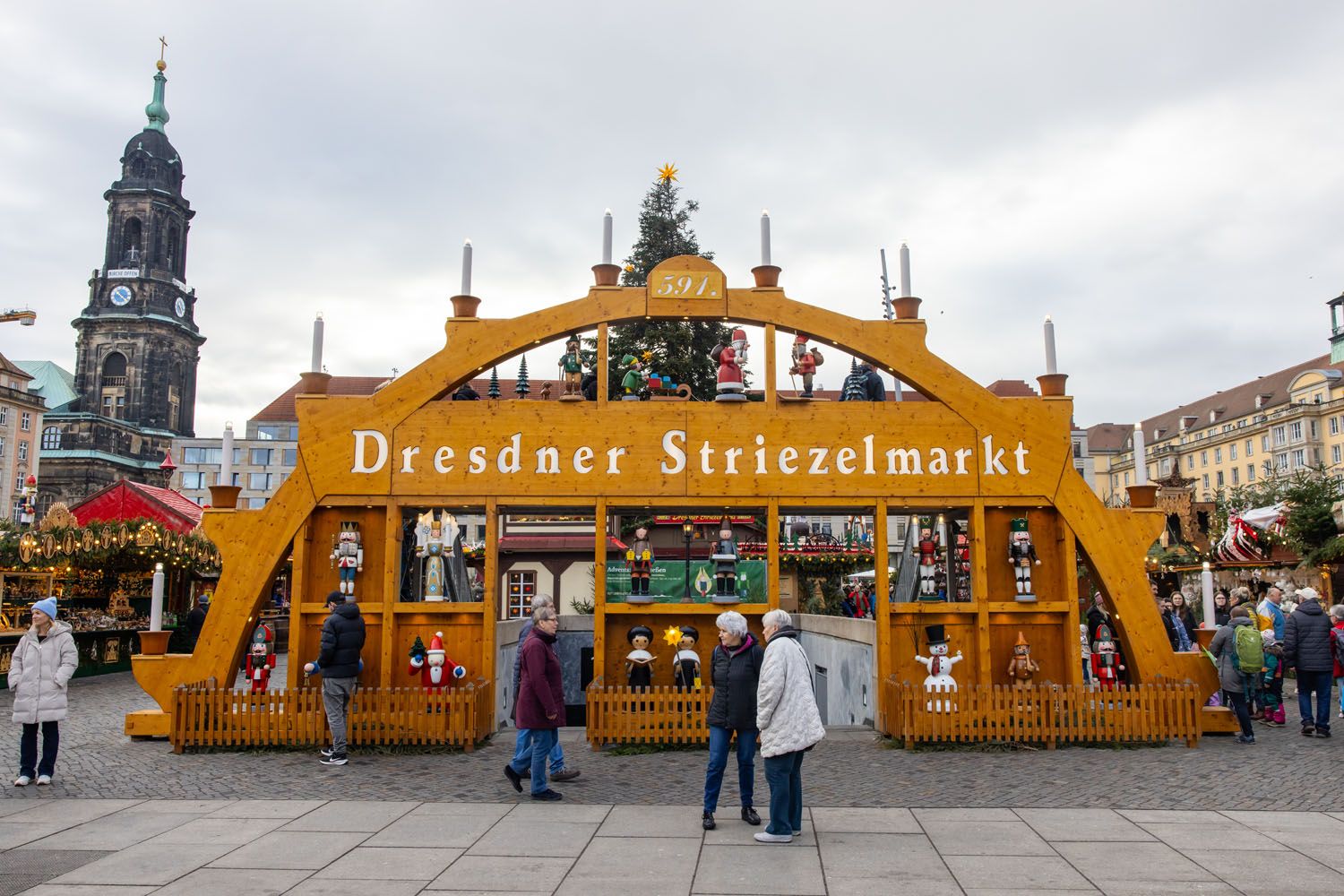
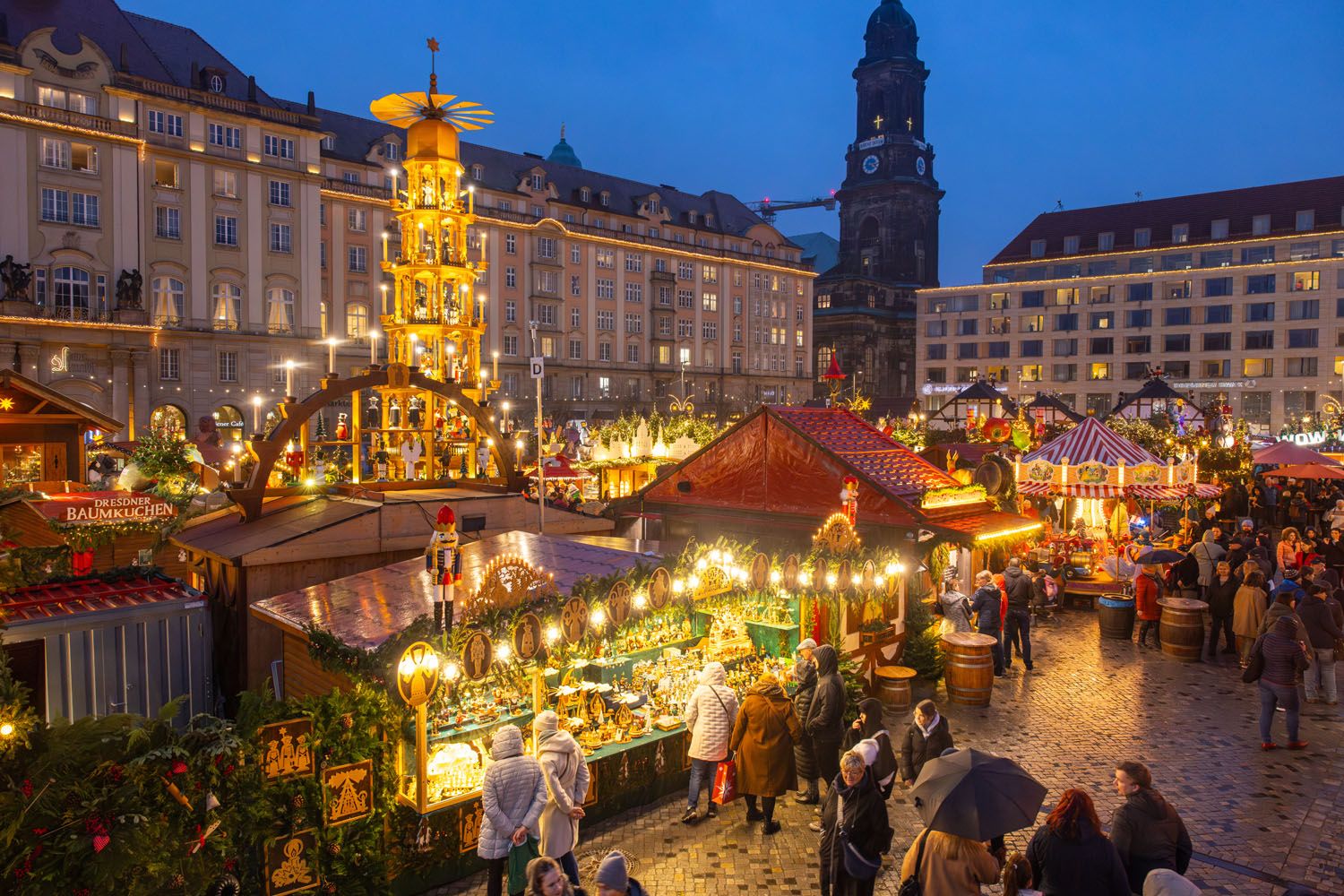
Dating back to 1434, the Dresdner Striezelmarkt is widely considered the world’s oldest Christmas market. Located on the Altmarkt, it is famous for its record-breaking Christmas pyramid and its dedication to traditional Erzgebirge crafts. Beyond the main square, the city offers several smaller markets, including a fantastic medieval fair in the Stallhof, making Dresden a must-visit for purists.
3. Nuremberg: The Cultural Icon
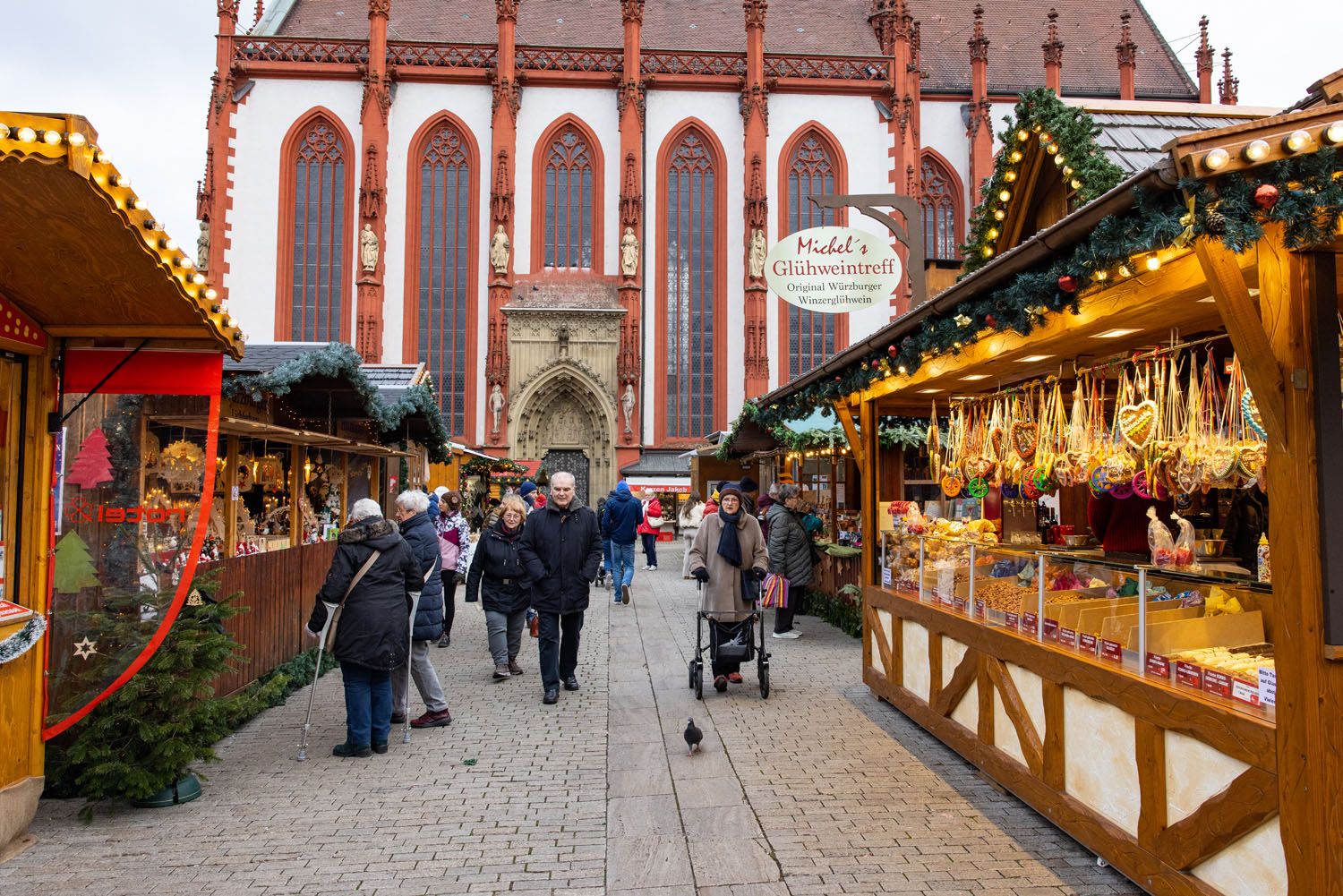
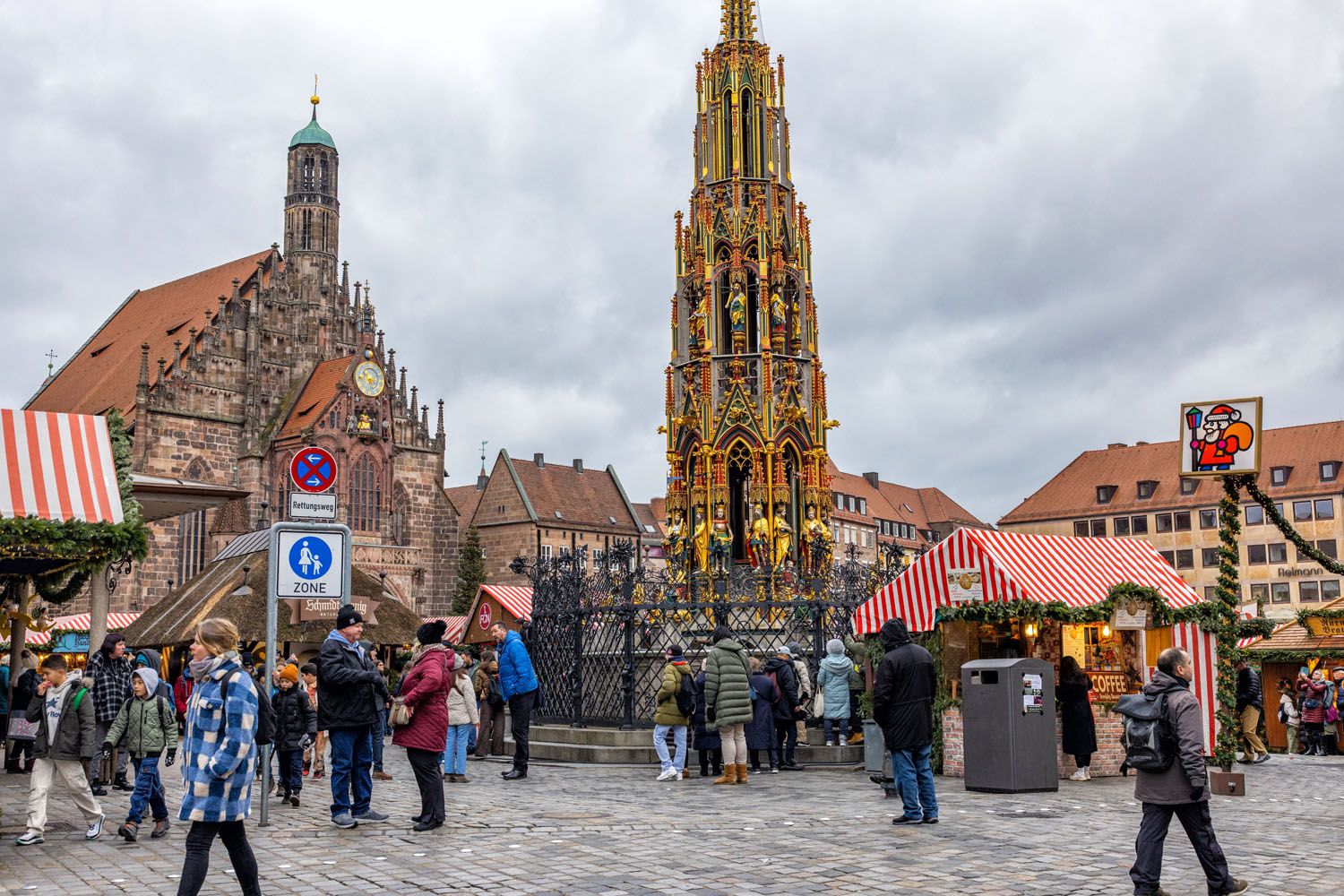
The Christkindlesmarkt in Nuremberg is legendary for a reason. Its focus on high-quality, local craftsmanship—such as hand-painted ornaments and world-renowned Lebkuchen (gingerbread)—is unmatched. While it is incredibly popular and can become quite crowded, the view from the Frauenkirche provides an iconic, sweeping perspective of the market’s glowing heart.
4. Stuttgart: The Decorator’s Dream
Stuttgart boasts over 300 stalls, but what truly sets it apart is the artistry of the decorations. Every roof is adorned with elaborate displays—cityscapes, polar bears, and mechanical scenes—that showcase a level of creativity rarely seen elsewhere. It is an aesthetic marvel that earns its place near the top of our list.
5. Cologne: A Multi-Sensory Experience
Cologne offers a diverse array of markets, ranging from the classic cathedral-front experience to the whimsical Heinzels Wintermärchen (the Home of the Heinzelmännchen). For a sophisticated shift in tone, the Angel Market—with its white-lit stalls and champagne bars—provides a modern, elegant contrast to the more traditional offerings.
Planning Your Journey: When to Go
German Christmas markets typically operate for a four-to-five-week window, centered around the Advent season.
The Timeline
- Opening: Most markets launch in the final week of November, typically between November 25 and 30.
- Closing: While many shut down on December 23 or 24, major urban markets in cities like Berlin or Dresden may remain open through the day after Christmas or even until New Year’s.
- Peak vs. Quiet Periods: Early December and weekday mornings offer the best chance to avoid the "mosh pit" experience of weekend nights. Friday and Saturday evenings are undeniably the most festive, but also the most taxing for travelers who prefer a leisurely stroll.
Logistical Considerations: Navigating the Crowds
Traveling through Germany during the festive season requires both spontaneity and strategy.
- Transportation: Germany’s train network is an excellent way to move between markets. Cities like Stuttgart serve as perfect hubs for visiting neighboring, smaller markets like Esslingen or Ludwigsburg.
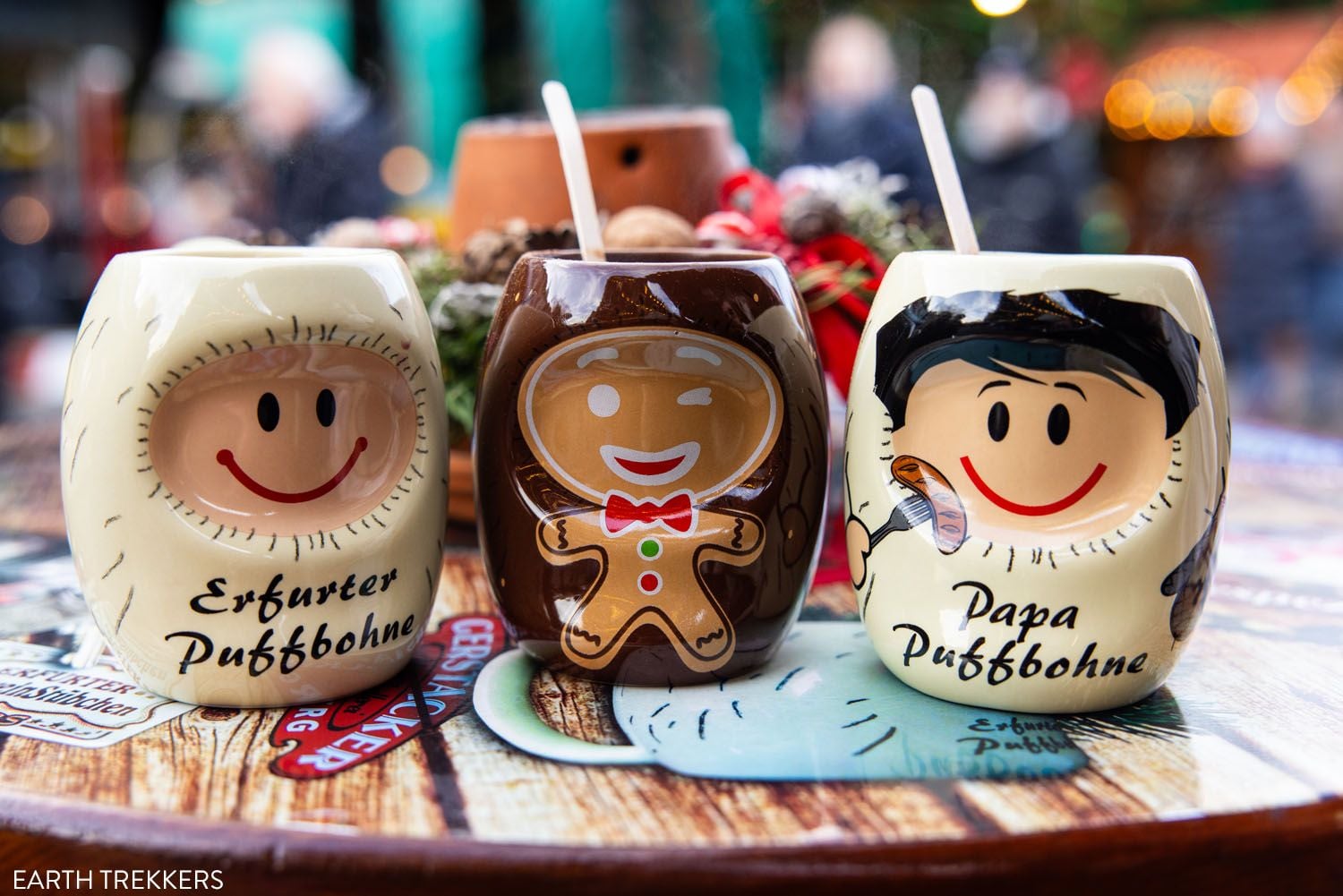
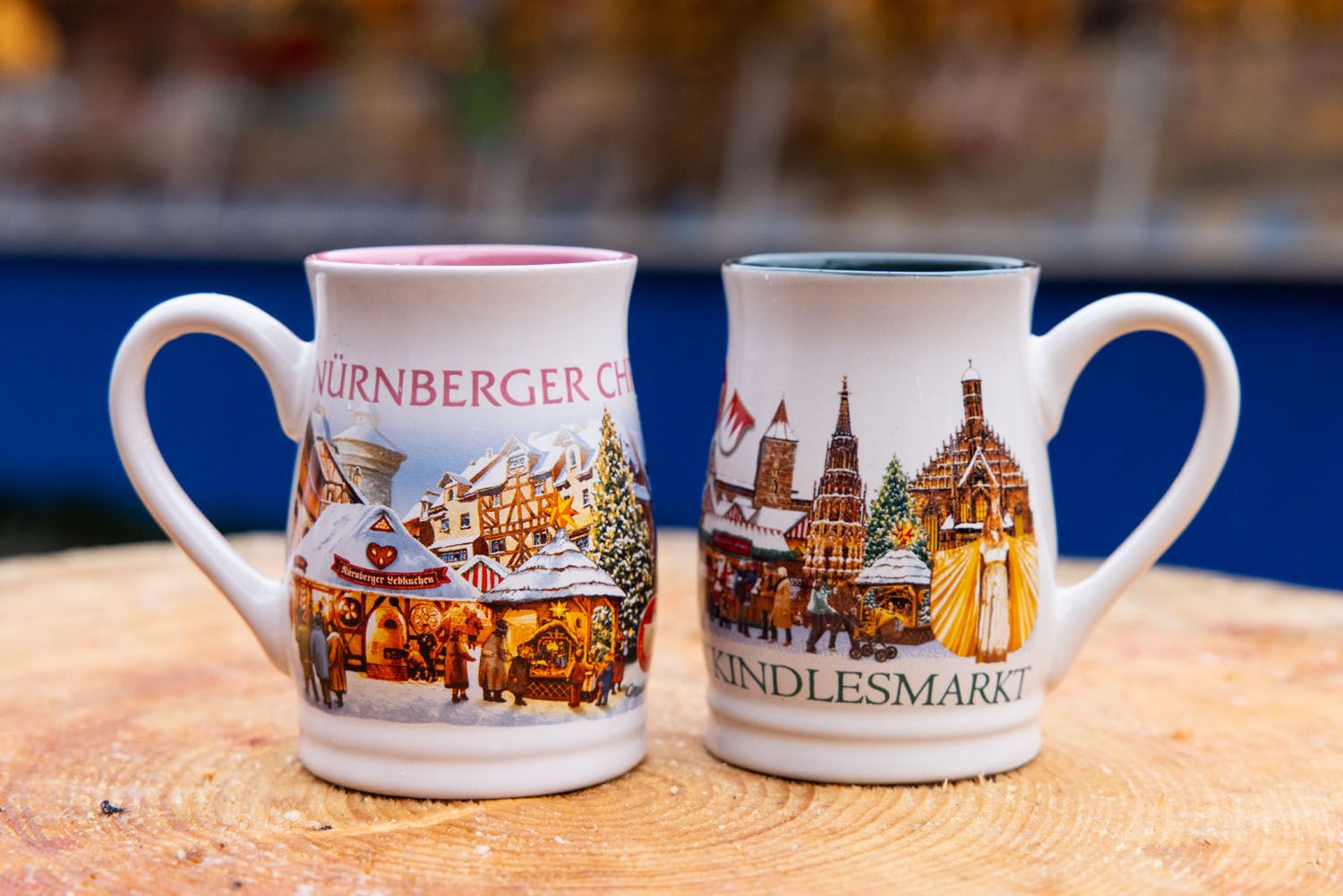
- The Pfand System: A hallmark of the market experience is the mug deposit (Pfand). When purchasing Glühwein or Kinderpunsch, you pay a small deposit for the ceramic mug. You can return the mug to receive your money back, or keep it as a unique, year-specific souvenir.
- Financial Preparation: While many stalls now accept credit cards, cash remains king in smaller towns and for smaller purchases. Keeping roughly 100 Euros in small bills is a wise precaution.
Unique Experiences and Hidden Gems
While the "Big Five" (Esslingen, Dresden, Nuremberg, Stuttgart, and Cologne) command the most attention, the secondary tier of our list contains some of the most charming spots in the country:
- Erfurt: Featuring the stunning backdrop of the Erfurt Cathedral and St. Severus Church, this market feels like walking through the gates of a fantasy castle.
- Würzburg: Often overlooked, this Baroque-inspired city offers a peaceful, authentic experience with significantly lower tourist density.
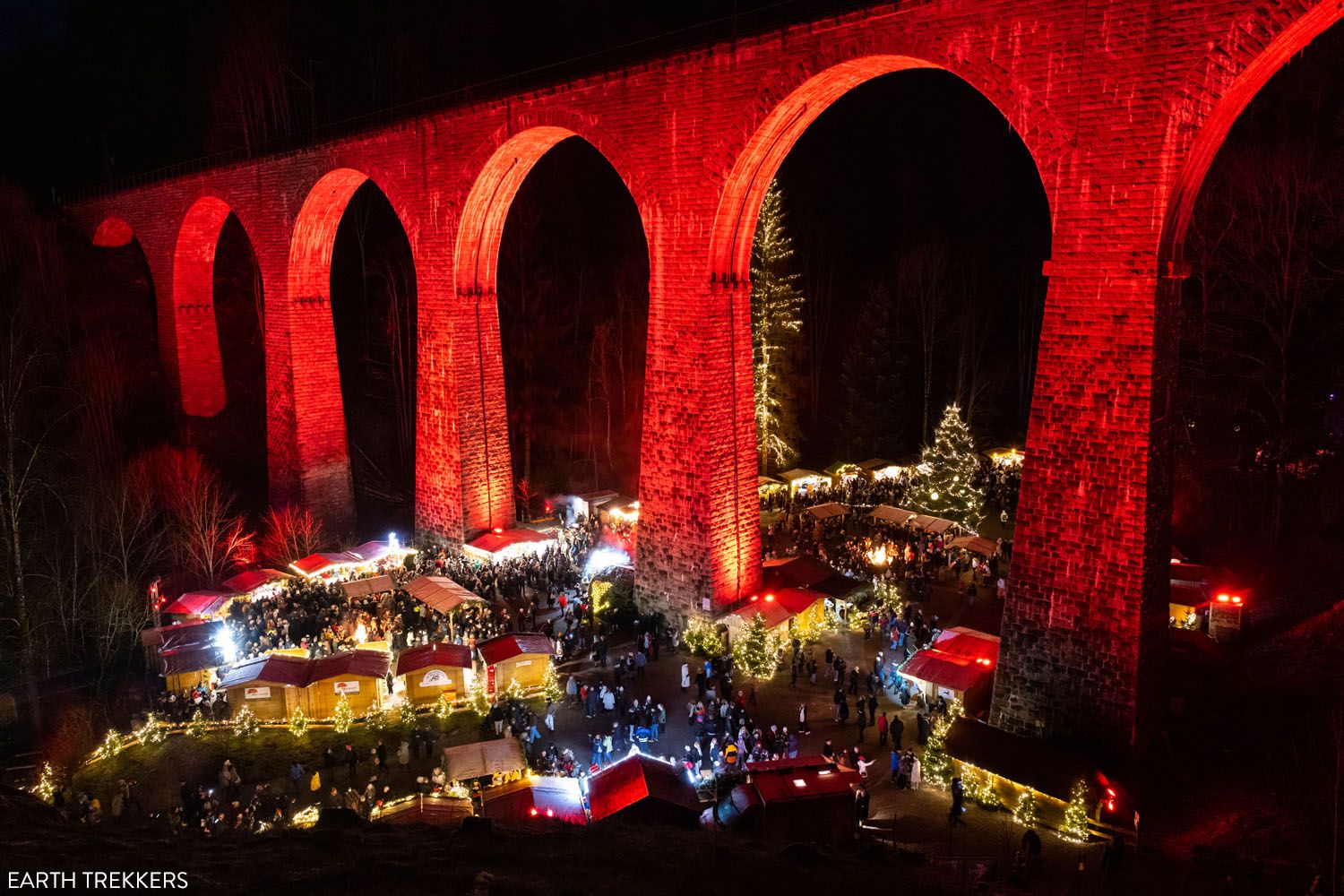
- Ravenna Gorge: Set deep in a forest beneath a towering, illuminated railway viaduct, this is arguably the most visually striking market in Germany. However, it requires advanced ticket booking and careful logistical planning.
- Traben-Trarbach: A truly unique experience, this market is held entirely underground within historic wine cellars, providing a cozy, climate-controlled escape from the winter chill.
Implications for Travelers
Visiting the German Christmas markets is an exercise in cultural immersion. It is not merely about shopping; it is about the Gemütlichkeit—the uniquely German sense of warmth, friendliness, and good cheer.
For those traveling from abroad, we recommend a "hub-and-spoke" approach. Base yourself in a major city like Munich or Nuremberg for 2–3 days, then use that as a springboard to visit surrounding smaller towns via the regional rail system. This allows you to balance the grandeur of the big city markets with the quiet, authentic charm of the countryside.
Final Recommendations
If you are planning your first trip, do not try to see too much. The magic of these markets is found in standing by a wooden stall, clutching a warm mug of spiced wine, and listening to the distant sound of a brass band echoing off centuries-old stone walls. Whether you end up in the bustling squares of Berlin or the quiet, snow-dusted streets of Freiburg, the essence of the German Christmas remains the same: a celebration of community, light, and the enduring traditions that bring us together in the depths of winter.
Quick Reference: The Top 20 Ranked
- Esslingen am Neckar (Medieval Atmosphere)
- Dresden (History & Tradition)
- Nuremberg (Authenticity)
- Munich (Variety & Scale)
- Stuttgart (Decoration Artistry)
- Cologne (Thematic Diversity)
- Würzburg (Underrated Baroque Beauty)
- Erfurt (The "Hogwarts" Setting)
- Rothenburg ob der Tauber (Stunning Town, Average Market)
- Ravenna Gorge (Unique Viaduct Setting)
- Regensburg (UNESCO Heritage Backdrop)
- Ludwigsburg (Baroque Elegance)
- Aachen (Charlemagne’s City)
- Heidelberg (Scenic Hillside Views)
- Frankfurt (The International Hub)
- Bamberg (Picturesque Town)
- Trier (Roman Roots)
- Traben-Trarbach (Underground Wine Cellars)
- Berlin (Vast but Commercial)
- Freiburg (Local Vibe)
 Nila Kartika Wati
  Siti Muinah
  Lina Hope