

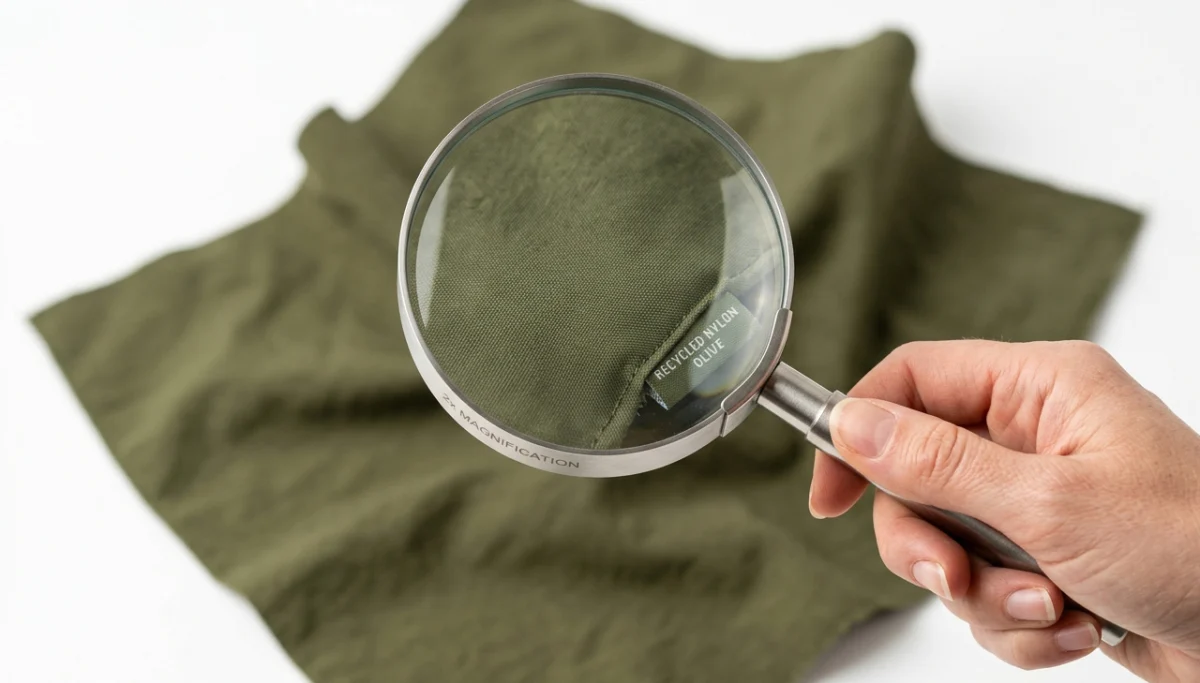
In the world of high-performance gear, few metrics are as frequently cited—or as fundamentally misunderstood—as "denier." For the average consumer scrolling through product specifications, a higher denier count is often perceived as a shorthand for "indestructible." Marketing materials frequently lean into this, highlighting "1000D Cordura" as if the number itself were a definitive badge of quality. However, the reality of textile engineering is far more nuanced. Understanding fabric is not merely about reading a single number on a spec sheet; it is about understanding a complex interplay of polymer chemistry, weave density, and coating technology.
As part of our Carry 101 series, we are peeling back the layers of textile science to help you make more informed decisions about the gear you carry.
The Main Facts: Defining the Denier Myth
At its core, denier is a unit of measurement for linear mass density. Specifically, it is defined as the mass in grams per 9,000 meters of a single yarn. To put it simply: it measures the thickness of the individual fibers that make up the fabric.
Crucially, denier is not a measure of strength. A high-denier thread is thicker, which can provide higher abrasion resistance, but it does not inherently guarantee tear strength or tensile integrity. A 1000D nylon fabric woven loosely may perform significantly worse in the field than a high-density, tightly woven 420D nylon fabric.
When evaluating a bag’s material, the "denier" tells you how heavy the individual threads are, but it tells you nothing about the tenacity of the fiber (the strength of the material itself), the weave structure (how the fibers are interlaced), or the finishing processes (such as DWR coatings or TPU lamination) that dictate how the fabric handles the elements.
A Chronological Evolution of Textile Specification
To understand why we remain obsessed with denier, one must look at the historical trajectory of military and industrial textiles.
- The Mid-20th Century (The Nylon Revolution): Following World War II, nylon became the gold standard for rugged utility. The military required standardized testing, and denier became a simple, easily communicable metric for procurement officers to ensure that gear met a baseline weight requirement.
- The 1980s and 90s (The Rise of Cordura): As tactical gear moved into the civilian market, the branding of "1000D Cordura" became a marketing powerhouse. It provided a clear differentiator between flimsy fashion backpacks and "serious" outdoor equipment.
- The 2010s (The Technical Pivot): The advent of ultra-high-molecular-weight polyethylene (UHMWPE) fibers, such as Dyneema, fundamentally disrupted the hierarchy. Suddenly, a fabric with a very low denier (the "weight" of the thread) could possess a tensile strength vastly superior to traditional 1000D nylon.
- The Present Day (Holistic Engineering): Today, designers are moving away from raw "denier-chasing." Instead, the focus has shifted toward weight-to-strength ratios, composite laminates, and eco-conscious recycled fibers that maintain performance parity with virgin materials.
Supporting Data: Breaking Down the Variables
If denier isn’t the primary indicator of durability, what is? Engineers look at a suite of data points that provide a more accurate picture of performance:
1. Fiber Tenacity
Tenacity is measured in grams per denier (g/d). This determines how much force a fiber can withstand before breaking. A high-tenacity nylon fiber will always outperform a low-tenacity fiber of the same denier. When shopping for gear, look for "High Tenacity" (HT) labels, which indicate that the manufacturer has optimized the polymer structure for structural integrity.
2. Weave Density and Construction
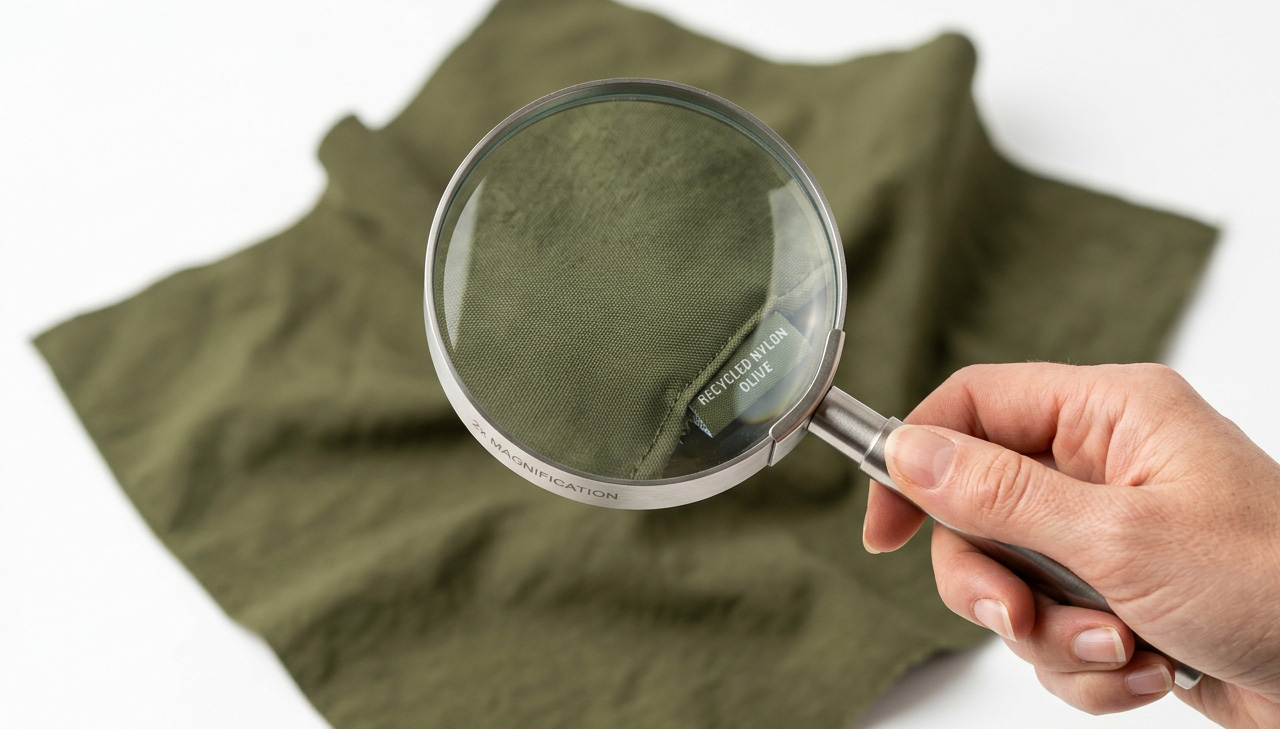
A "Ripstop" grid is a common way to enhance the durability of lower-denier fabrics. By weaving thicker reinforcing threads into a grid pattern at regular intervals, manufacturers can create a fabric that is lightweight but resistant to catastrophic tear propagation. A 210D Ripstop nylon can often be more durable in a real-world scenario than a 500D plain weave that lacks reinforcement.
3. Coating and Lamination
The life of a bag is often dictated by its finish. Whether it is a polyurethane (PU) coating, a TPU lamination, or a DWR (Durable Water Repellent) treatment, these layers are what protect the fibers from UV degradation and moisture absorption. A high-denier fabric with a poor-quality coating will fail much faster than a lower-denier fabric that is expertly laminated for weather resistance.
Official Industry Responses and Perspectives
Leading manufacturers and textile engineers have increasingly pushed back against the "higher is better" mentality. In our latest technical breakdown, industry experts emphasize that "application dictates selection."
"The biggest mistake users make is assuming that the heaviest fabric is the best for every scenario," notes one lead product designer at a top-tier carry brand. "If you are designing a sleek everyday carry (EDC) pack for an urban environment, a 1000D fabric is overkill. It adds unnecessary weight, ruins the silhouette, and is less comfortable. We would much rather use a 420D High-Tenacity nylon with a custom laminate. You get the same durability with a 30% reduction in weight."
This shift in philosophy is reflected in the current trend toward technical laminates. By bonding multiple layers of different materials—such as an outer face fabric for abrasion resistance and an inner scrim for structural stability—brands are creating "composite" textiles that defy the traditional denier-based hierarchy.
Implications: How to Read a Fabric Spec Sheet
For the consumer, the implication of this knowledge is a shift in buying habits. Instead of looking for the highest number, look for the purpose of the material:
- Urban/Commuter Bags: Prioritize weight and water resistance. Look for 210D to 500D range fabrics, ideally with a TPU or laminated backing. The goal here is a clean, structured bag that isn’t excessively heavy.
- Outdoor/Hiking/Bushcraft: Prioritize abrasion resistance and tear strength. Here, 500D to 1000D Cordura-style fabrics are appropriate, but always check for "High Tenacity" or "Ripstop" designations.
- Ultralight Gear: Look for advanced composites. Materials like Dyneema Composite Fabric (DCF) or X-Pac may have very low denier ratings but offer superior strength-to-weight ratios that traditional nylons simply cannot match.
The "Litmus Test" for Gear
When you encounter a new bag, don’t just ask, "What is the denier?" Ask instead:
- Is it High Tenacity? (The strength of the fiber)
- Is it woven or laminated? (The construction method)
- What is the coating? (The weather and UV protection)
By asking these questions, you move beyond the marketing noise and into the realm of true gear engineering. A bag is a system, and the fabric is merely the skin of that system. When you understand how that skin is built, you can stop relying on arbitrary numbers and start evaluating gear based on its actual, measurable performance.
As we continue our Carry 101 series, we will delve deeper into specific weave types (like Oxford, Ballistic, and Cordura) and the specific chemical treatments that define the modern carry landscape. In the meantime, remember: the best bag isn’t the one with the thickest threads; it’s the one designed with the intelligence to use the right materials in the right places.
For a deeper visual dive into these concepts, be sure to watch the accompanying video, where we demonstrate the difference between these fabrics under stress and explain how to identify quality construction at a glance.
 rifanmuazin
 Neng Nana
