

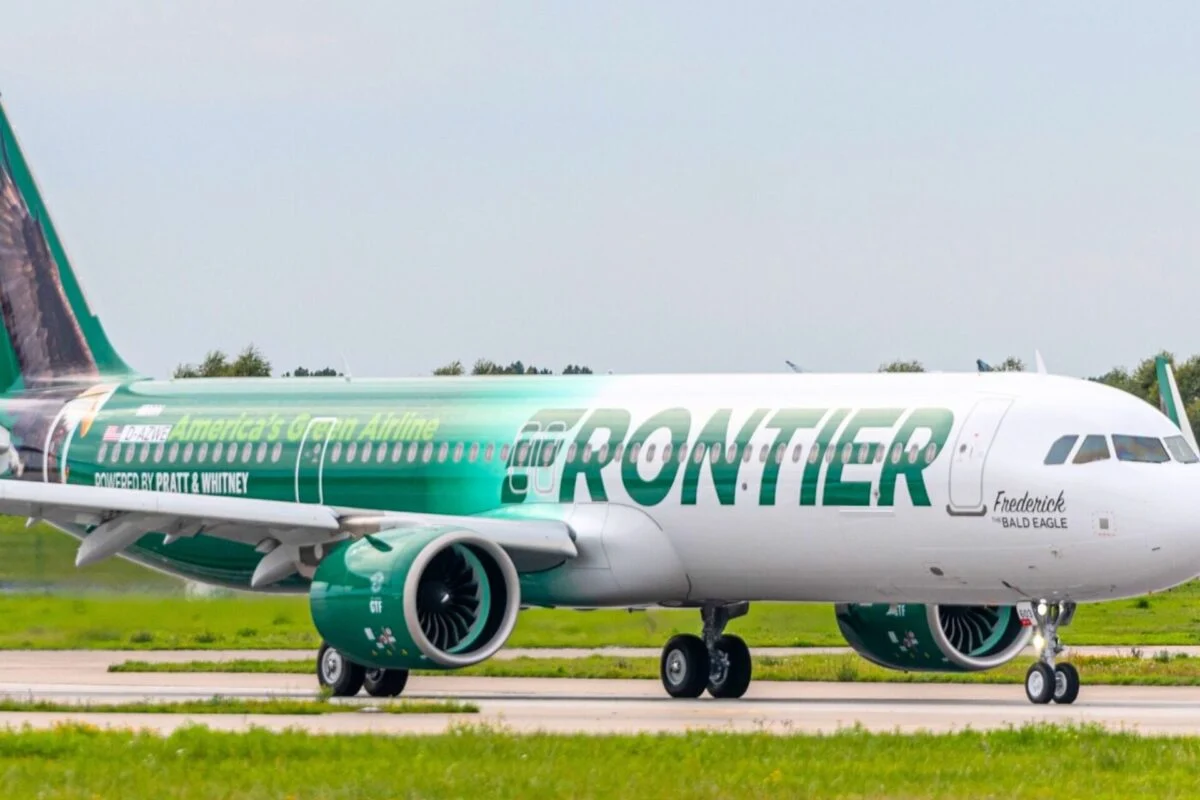
In a move that marks a significant milestone in its corporate history, Frontier Airlines, the Denver-based low-cost carrier, has officially announced its inaugural foray into the South American market. On September 10, 2026, the airline revealed its strategic plan to establish a direct connection between its primary hub at Orlando International Airport (MCO) and three key cities in Colombia: Bogotá, Medellín, and Cartagena.
This expansion represents a pivotal shift for the budget carrier, which has historically focused its international network on the Caribbean, Mexico, and Central America. By establishing a foothold in Colombia, Frontier is positioning itself to capture a burgeoning segment of travelers seeking affordable access to the Andean nation’s business hubs and coastal tourism hotspots.
Main Facts: The Colombian Expansion Strategy
The newly announced service will launch in stages throughout December 2026, pending final regulatory approvals from both U.S. and Colombian aviation authorities. The airline intends to utilize its versatile Airbus A320-family aircraft to facilitate these long-haul, low-cost operations.
At the core of the announcement is the integration of three distinct Colombian destinations, each serving a different traveler demographic:
- Bogotá: The capital city and a primary hub for international commerce and government.
- Medellín: A growing cultural and economic powerhouse known for its innovation and vibrant tourism sector.
- Cartagena: A premier Caribbean destination, celebrated for its colonial history and luxury resort offerings.
The flight schedule has been engineered to provide frequency and flexibility. Operations are set to commence with 14 weekly departures from Orlando, a figure that will scale to 15 weekly flights by early 2027 as the Bogotá route transitions to daily service.
Chronology of Service Launch
The rollout of these routes follows a meticulously planned timeline designed to coincide with the high-demand winter travel season.
December 2026: The Initial Launch
- December 10, 2026: Frontier initiates its first South American service with daily flights to Medellín.
- December 14, 2026: Service to Bogotá begins, initially operating on a six-times-weekly basis.
- December 19, 2026: Weekly service to the historic coastal city of Cartagena officially commences.
2027: Scaling and Normalization
- January 14, 2027: The start date for the airline’s promotional fare window, allowing passengers to capitalize on low-cost introductory pricing.
- March 6, 2027: A critical capacity increase for the Bogotá route, as the frequency shifts from six times weekly to daily operations.
- April 5, 2027: The conclusion of the initial promotional fare period, marking the transition of these routes into the airline’s standard pricing model.
Supporting Data and Economic Context
Frontier Airlines’ decision to enter the Colombian market is backed by robust data indicating a shift in passenger preferences. The choice of Orlando as the launch hub is no coincidence; Orlando serves as one of the most vital gateways between the United States and Latin America, bolstered by a significant Colombian-American diaspora and a massive influx of tourism.
Pricing Structure
To stimulate immediate interest, Frontier has released an aggressive introductory fare structure:
- Bogotá: Starting at $99 one-way.
- Cartagena: Starting at $129 one-way.
- Medellín: Starting at $169 one-way.
These fares are strictly tied to specific travel windows between January 14 and April 5, 2027, with a blackout period scheduled for the peak spring break window of March 23–30. Furthermore, the airline has placed a high premium on early conversion, requiring tickets to be purchased by September 16, 2026, to qualify for these promotional rates.
Operational Capacity
The airline’s reliance on the Airbus A320-family fleet—specifically the A320neo and A321neo variants—is central to this expansion. These aircraft offer the fuel efficiency required to make long-range, low-cost flights economically viable. By standardizing the fleet across these routes, Frontier maintains low operational costs, which are then passed down to the consumer in the form of lower base fares.
Official Responses and Corporate Strategy
The move has been framed by Frontier’s leadership as a response to market gaps. Tyri Squyres, Vice President of Public and Consumer Affairs at Frontier Airlines, highlighted the rationale behind the expansion in a statement released on the day of the announcement.
"We have identified a strong, unmet demand for low-cost travel options between Orlando and Colombia," Squyres noted. "Our expansion into South America is a logical evolution of our network, allowing us to bring our ‘Low Fares Done Right’ philosophy to a region that has been underserved by ultra-low-cost carriers."
Industry analysts observe that this move is also a defensive play. As legacy carriers and other low-cost competitors continue to fight for market share in the Caribbean and Central America, Frontier’s push into South America allows them to diversify their revenue streams and tap into a market that, while competitive, remains sensitive to price fluctuations.
Implications for the Aviation Market
The entry of an ultra-low-cost carrier (ULCC) into the Florida-Colombia corridor is expected to have a significant ripple effect on the competitive landscape.
Impact on Legacy Carriers
Major carriers currently operating direct flights between the U.S. and Colombia—such as Avianca, American Airlines, and JetBlue—may face pressure to adjust their pricing structures. While legacy carriers often rely on business travelers who prioritize loyalty programs and premium cabins, the "leisure" segment is highly price-sensitive. The arrival of $99 fares will almost certainly force competitors to implement more flexible pricing models for their economy seats.
Impact on Tourism and Trade
For Colombia, the arrival of Frontier is a major win for the tourism sector. Increased flight frequency, particularly from a high-traffic hub like Orlando, lowers the barrier to entry for American tourists. Cartagena, in particular, is expected to see an uptick in short-term vacation rentals and boutique hotel bookings, as the cost of transit is often the primary inhibitor for travelers considering a South American vacation.
Regulatory and Operational Risks
While the expansion is ambitious, it is not without risk. All three routes remain subject to government approval. The aviation regulatory environment in South America can be complex, and ensuring that landing rights and slot allocations are finalized on time is a primary focus for Frontier’s operations team. Additionally, fluctuations in fuel prices and currency exchange rates between the U.S. Dollar and the Colombian Peso could impact the profitability of these routes in the long term.
The "Hub-and-Spoke" Evolution
For Frontier, this expansion tests the efficacy of its "point-to-point" strategy on an international scale. By connecting Orlando—a hub with massive originating demand—directly to secondary and primary international markets, Frontier minimizes the complexity of connecting flights. If the Colombian routes prove successful, it is highly probable that the airline will look to replicate this model in other South American nations, such as Peru, Ecuador, or Brazil, in the coming years.
Conclusion
The announcement of Frontier Airlines’ service to Bogotá, Medellín, and Cartagena is more than just a list of new destinations; it is a signal of the airline’s maturation and its intent to compete on a continental scale. By leveraging its cost-efficient fleet and identifying gaps in the Orlando-Colombia corridor, the carrier is poised to reshape travel habits for thousands of passengers.
As the industry looks toward December 2026, all eyes will be on the regulatory process and the reception of these new routes. If the introductory fares are any indication, Frontier is prepared for a high-volume launch that could fundamentally alter the economics of travel between the United States and South America for years to come. The era of the "ultra-low-cost" bridge between North and South America has officially begun.
 Asro
Asro  Reynand Wu
  Evan Lee Salim