

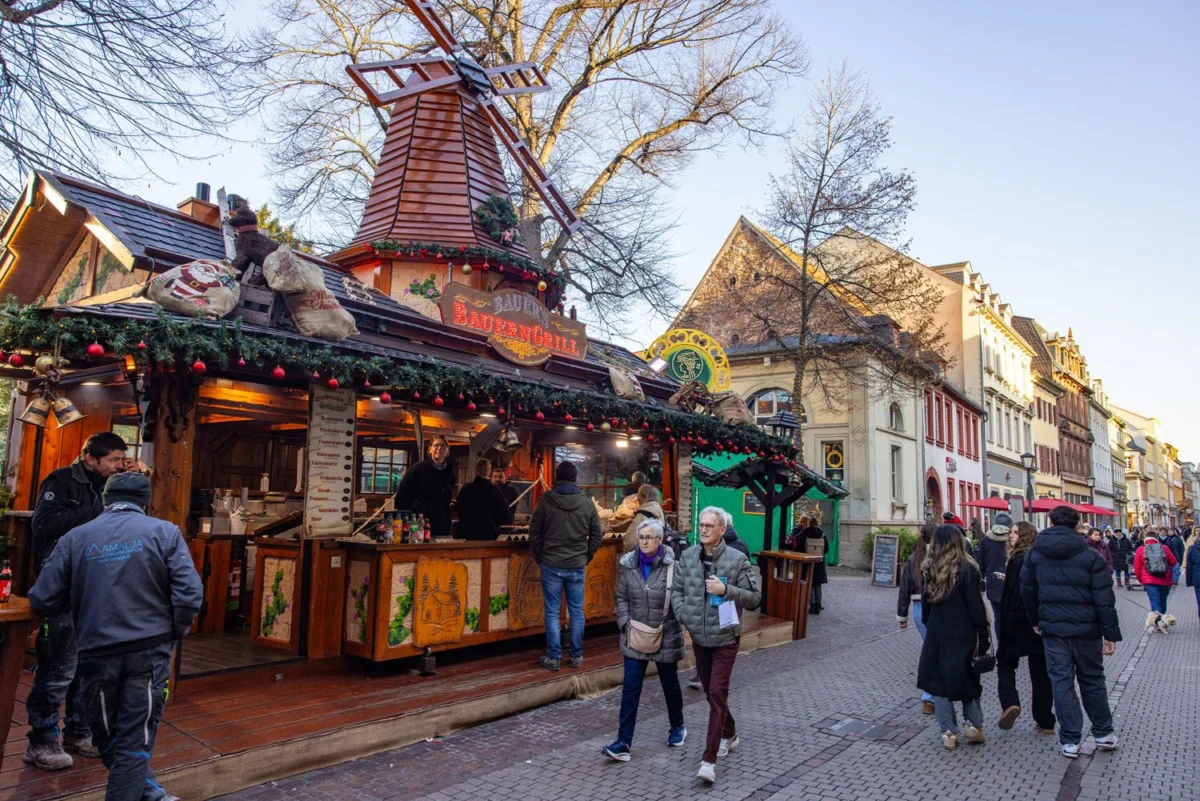
In the heart of Baden-Württemberg, nestled between the forested hills of the Odenwald and the gentle flow of the Neckar River, lies Heidelberg. While the city is world-renowned for its prestigious university and the dramatic, vine-covered ruins of its 16th-century castle, it transforms into something truly ethereal during the Advent season. The Heidelberg Christmas Market—often overlooked by travelers rushing toward the grand, bustling plazas of Cologne or Nuremberg—offers a sophisticated, intimate, and quintessentially romantic experience that defines the German holiday spirit.
Main Facts: The Spirit of the Season in Heidelberg
For the seasoned traveler, the allure of a German Christmas market lies in the balance between spectacle and soul. Heidelberg strikes this balance with effortless grace. Unlike the massive urban markets that can feel overwhelming, Heidelberg’s festive offerings are spread across a series of picturesque squares, each possessing its own unique character.
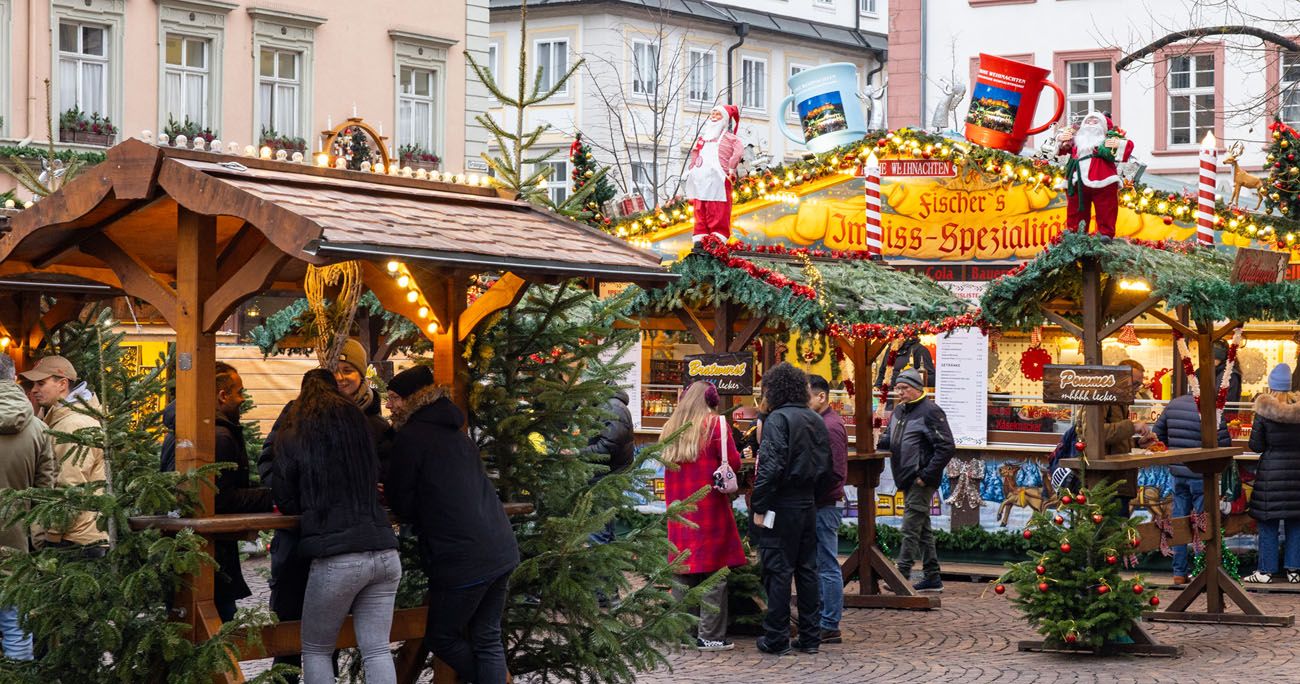
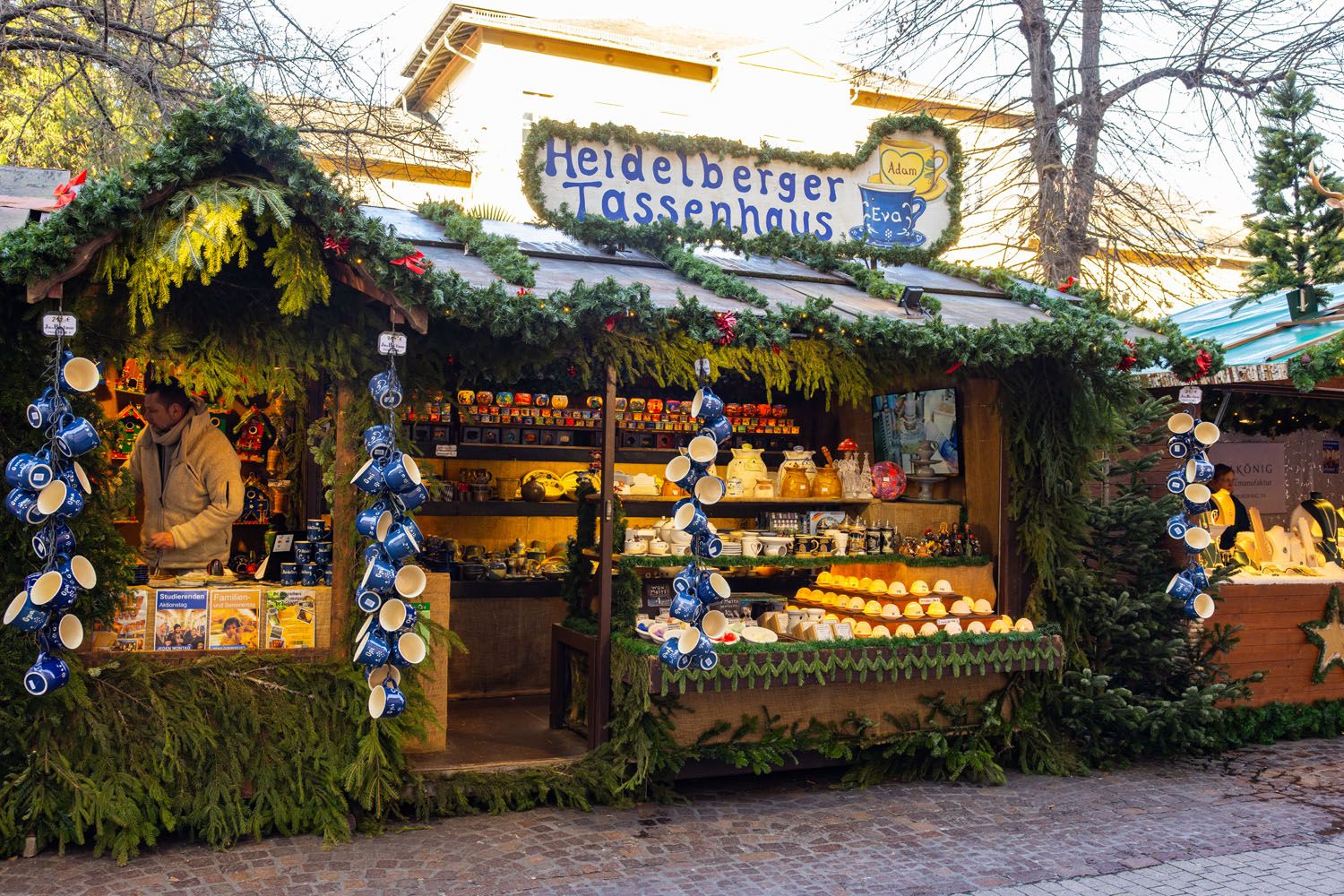
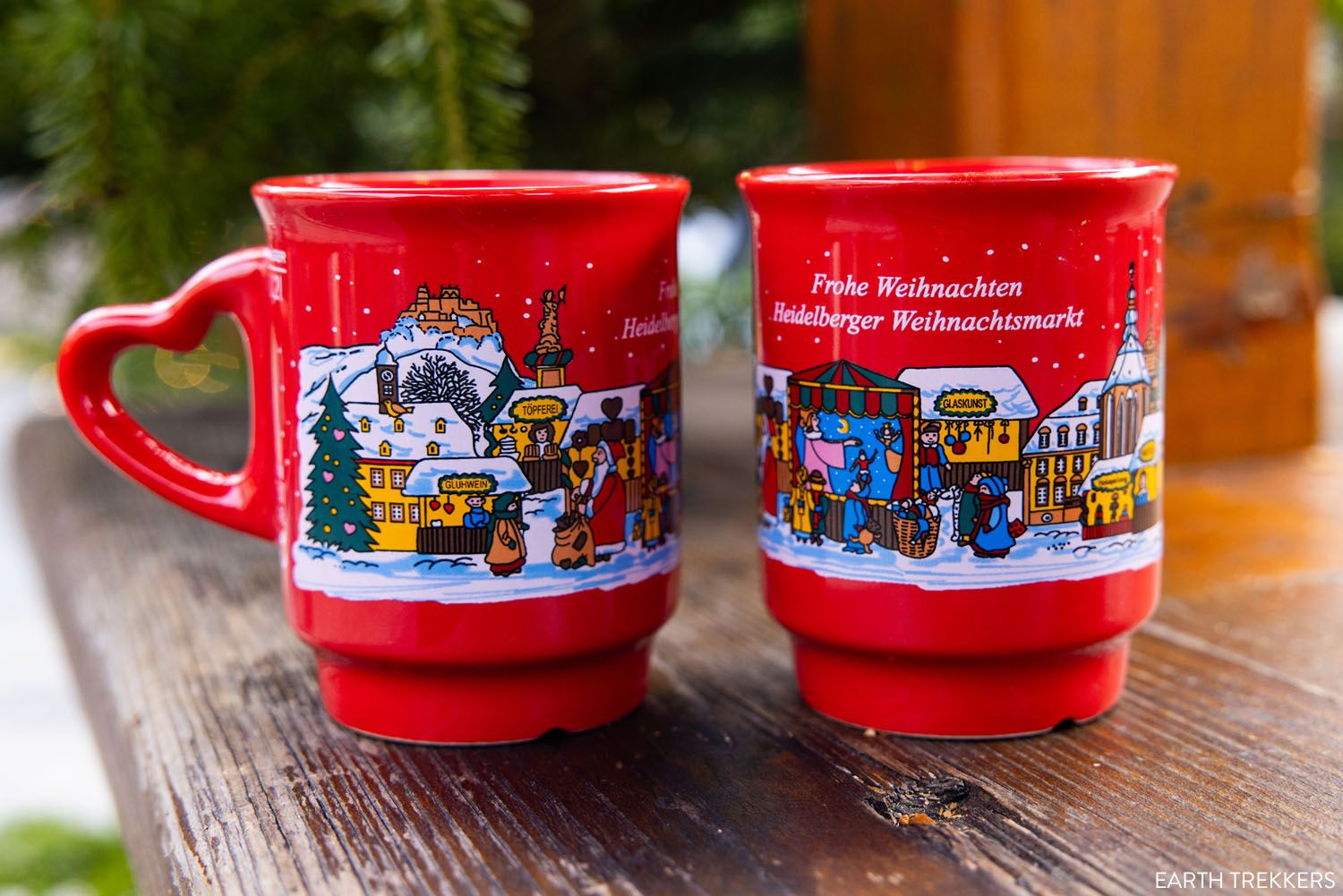
The market operates under a philosophy of "quality over quantity." Visitors will find an array of traditional wooden huts—Buden—selling hand-carved ornaments, artisanal candles, and the essential Glühwein (mulled wine) served in commemorative ceramic mugs.
2026 Season Overview:
- Dates: November 23 to December 22, 2026.
- Operating Hours: Sunday through Friday, 11:00 AM to 9:00 PM; Saturdays, 11:00 AM to 10:00 PM.
- Admission: Free of charge.
- Atmosphere: Romantic, historic, and distinctly local.
Chronology: Navigating the Market Squares
To truly appreciate the flow of the market, one must view it as a journey through the medieval heart of the city. We recommend a West-to-East trajectory, starting near the transit hub and ending at the iconic base of the castle ruins.
Bismarckplatz: The Gateway
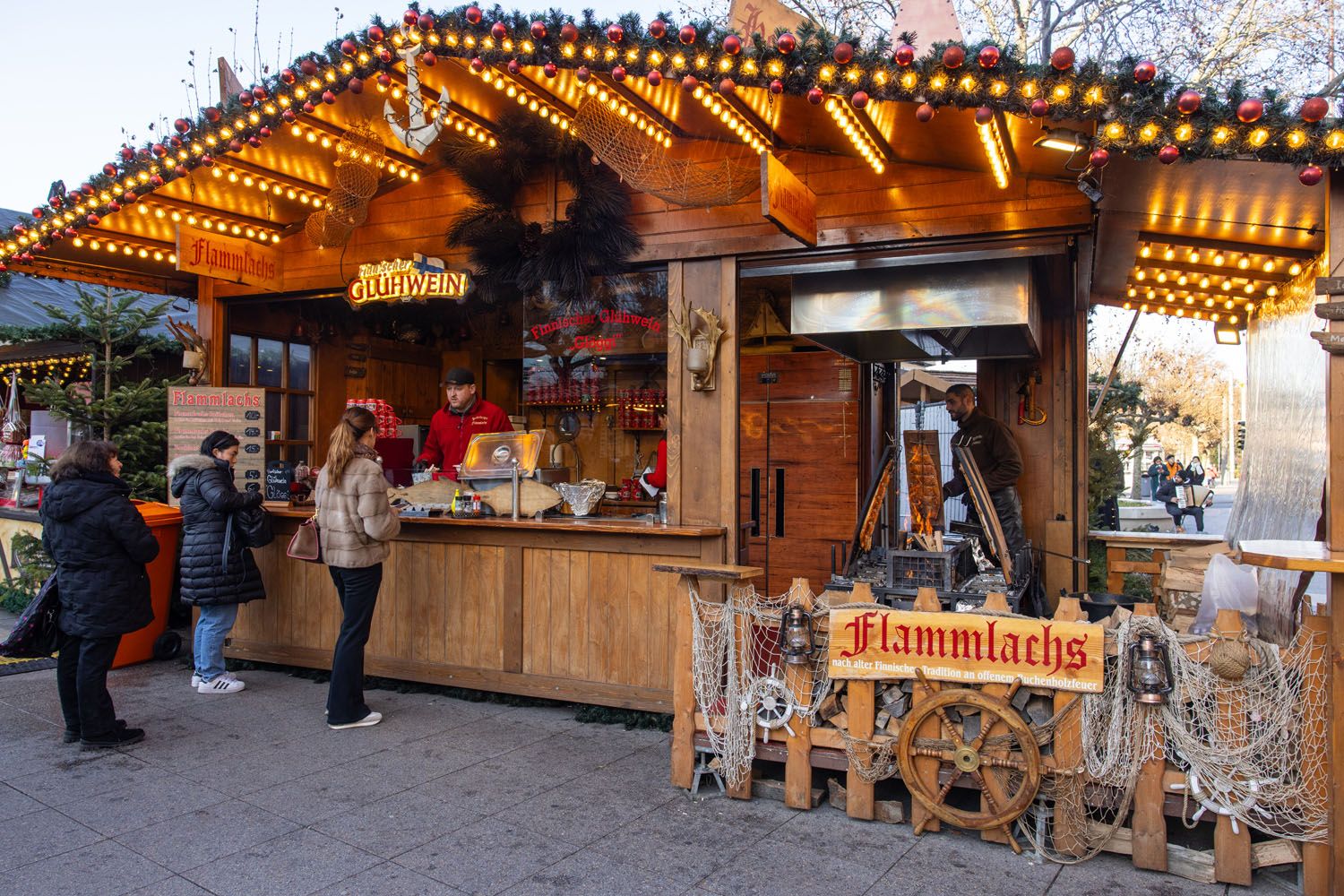
Your journey begins at Bismarckplatz. While it serves as the modern transit hub, the market here acts as a festive introduction. It features a smaller, more family-oriented setup, including a small Ferris wheel that provides a bird’s-eye view of the bustling square. While it lacks the dense historical architecture of the Old Town, it is the perfect spot for a quick bite of Flammlachs (roasted salmon) and a warming glass of wine before heading deeper into the historic center.
Anatomiegarten: A Slice of Authenticity
Moving toward the Hauptstraße—the city’s primary pedestrian artery—you will encounter the Anatomiegarten section. Situated near major shopping thoroughfares, this area strikes a wonderful contrast between modern life and traditional craftsmanship. The stalls here are renowned for high-quality, handmade goods, making it an ideal stop for those seeking unique holiday gifts that haven’t been mass-produced.
Universitätsplatz: The Heartbeat
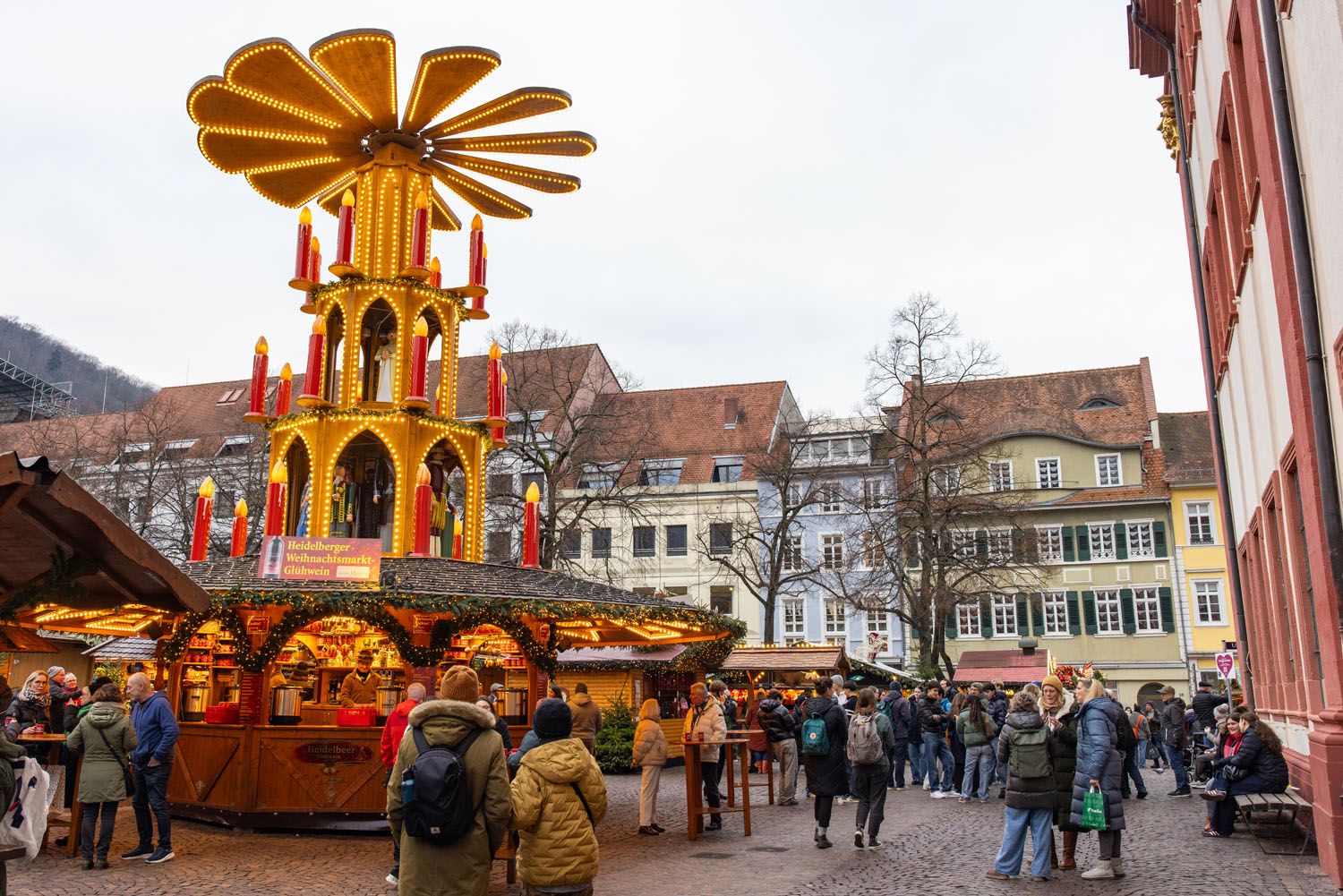
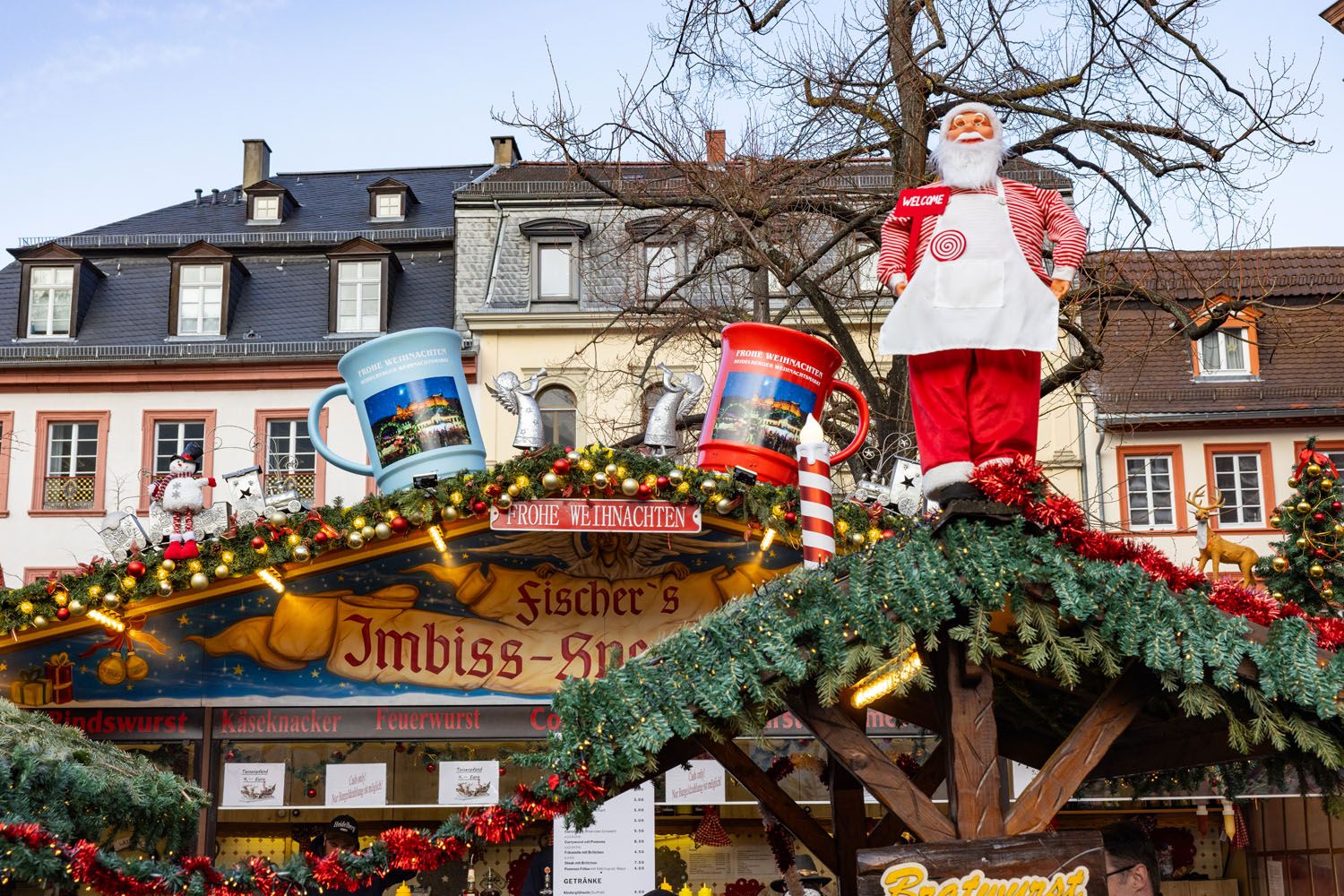
Universitätsplatz is the undisputed soul of the Heidelberg Christmas experience. Dozens of beautifully illuminated stalls congregate here, surrounded by the architectural gravitas of the university buildings. This is the place to indulge in the full gamut of German festive delicacies, from steaming bowls of Currywurst to freshly baked Lebkuchen. If your schedule is tight, this is the one location you cannot afford to miss.
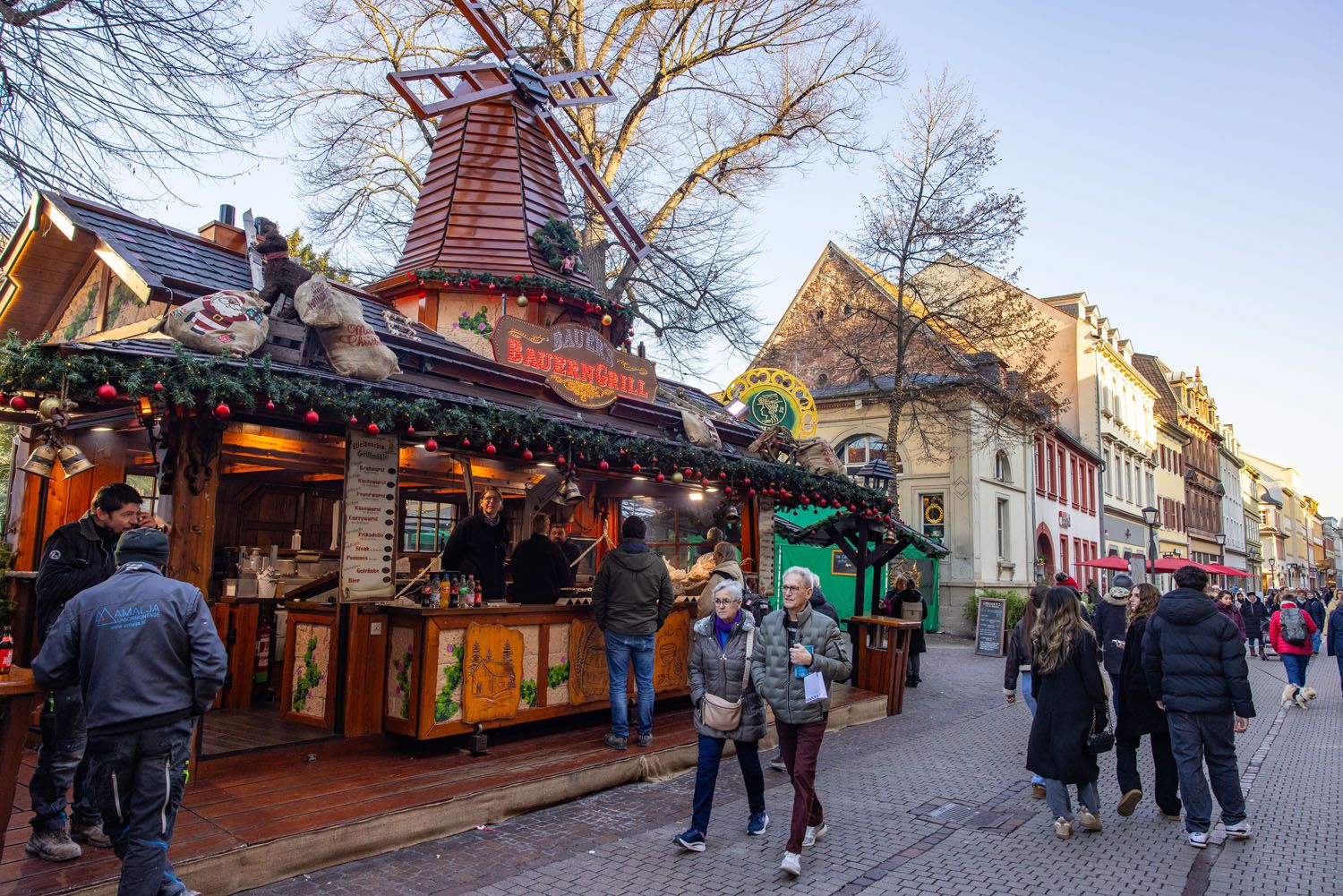
Marktplatz: The Scenic Runner-Up
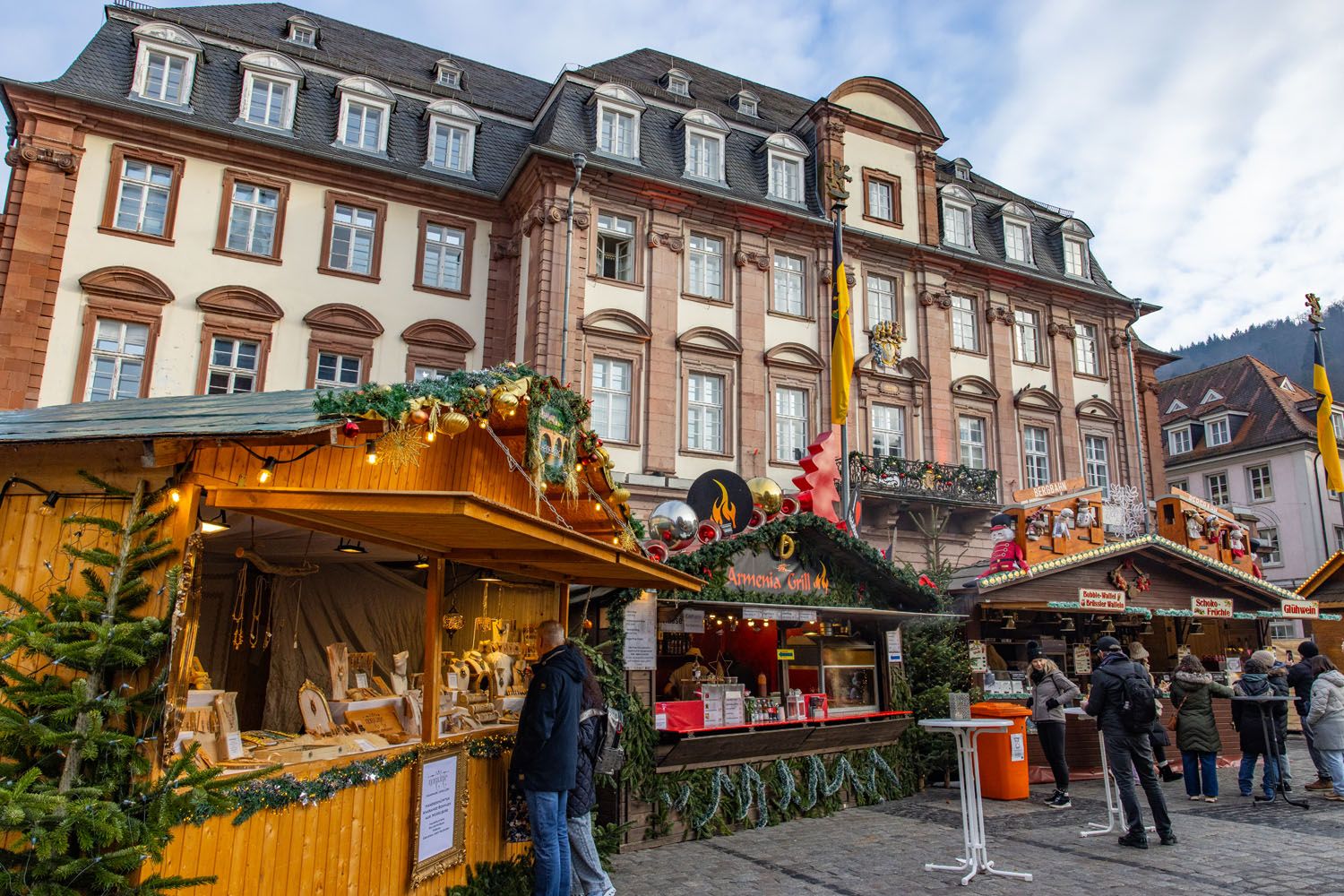
A mere five-minute walk east brings you to Marktplatz, where the market is set against the backdrop of the Heiliggeistkirche (Church of the Holy Spirit). The juxtaposition of the historic church’s spire against the glowing, wooden market stalls creates one of the most photogenic scenes in all of Germany. It is a slightly quieter, more contemplative space than the university square, perfect for an evening stroll.
The Outliers: Kornmarkt and Karlsplatz
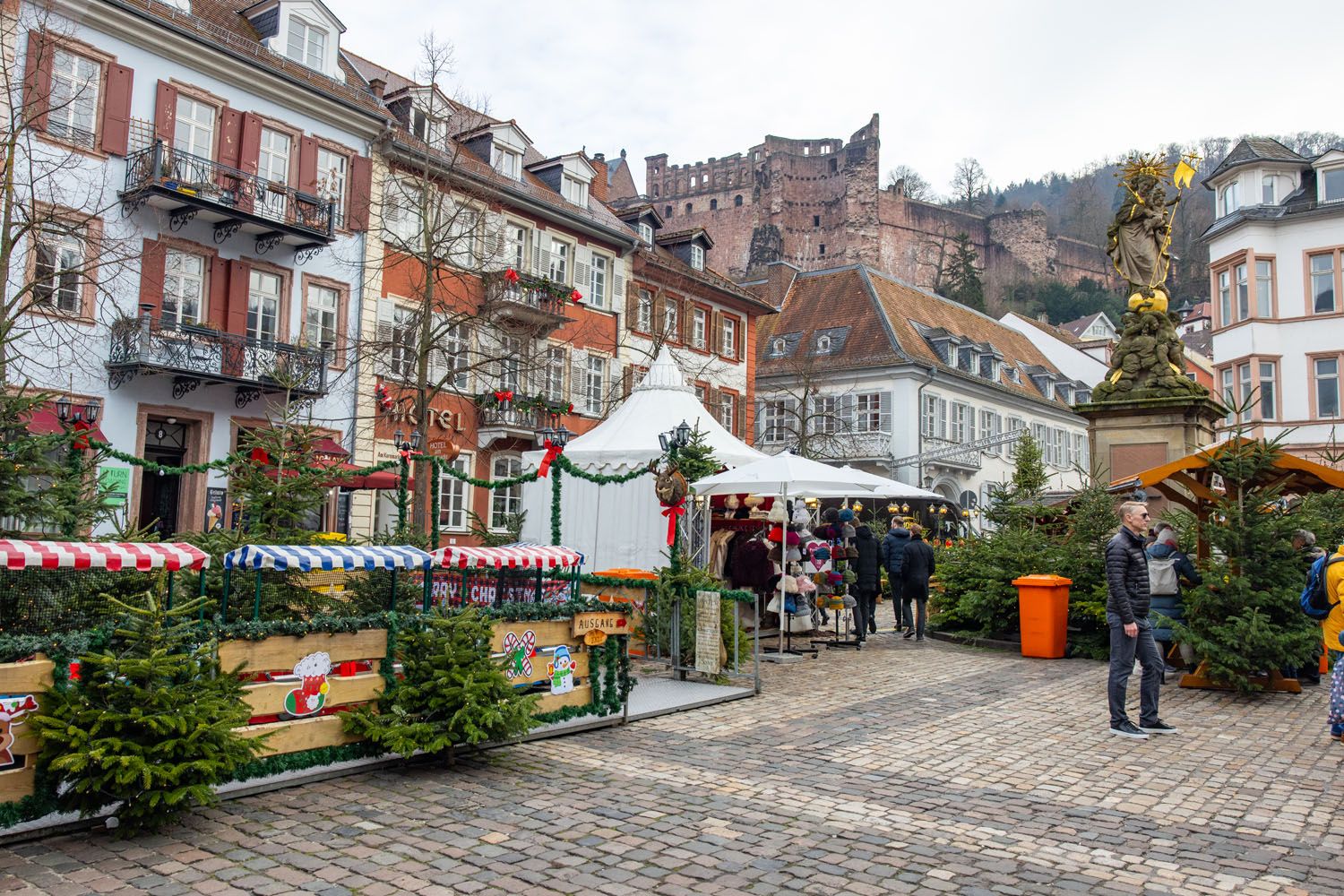
Kornmarkt and Karlsplatz represent the final, easternmost reach of the market. While Kornmarkt is often considered skippable due to its limited stall variety, Karlsplatz is a non-negotiable stop for one specific reason: the view. Situated directly beneath the towering, imposing silhouette of Heidelberg Castle, the market here offers a sense of scale and majesty that the other squares cannot replicate.
Supporting Data: Is It Worth the Trip?
In our extensive evaluation of over 20 Christmas markets across Germany—including the giants in Munich, Berlin, and Dresden—Heidelberg consistently ranks as a "hidden gem." However, it is important to manage expectations.
The "Worth It" Verdict:
- Yes, if: You are currently touring the Frankfurt or Stuttgart regions. Heidelberg serves as a perfect day trip that adds a layer of "small-town" intimacy to a larger metropolitan itinerary.
- No, if: You are looking for a singular, week-long destination. Heidelberg is compact; it is not designed to sustain a multi-day holiday experience compared to the sprawling markets of Nuremberg or the medieval immersion of Esslingen.
If you are a collector of experiences, we suggest balancing your visit with other nearby treasures. Cities like Stuttgart, with its lavishly decorated stalls, or the unique gorge-side market of Ravenna, provide a more intense holiday "thrill" that complements the quiet charm of Heidelberg.
Official Perspectives and Planning Insights
When planning a visit, logistics play a crucial role in maintaining that sense of holiday magic. The city’s official tourism board, Heidelberg Marketing, emphasizes that the market is designed to be accessible and pedestrian-friendly.
Transportation Strategies:
- By Rail: The most efficient method for the majority of travelers. The Heidelberg Hauptbahnhof is well-integrated into the Deutsche Bahn network. From the station, the Old Town is a 20-25 minute walk, though local trams offer a seamless alternative.
- By Car: While driving provides the flexibility to explore the surrounding Baden-Württemberg countryside, parking in the Old Town is notoriously difficult during peak season. We recommend utilizing the city’s designated parking garages rather than hunting for street-side spots.
The "Must-Do" Extension: The Castle
No visit to Heidelberg is complete without ascending to the Schloss Heidelberg. Whether you choose the funicular (starting near Kornmarkt) or the brisk walk up the hillside, the reward is an unparalleled panorama of the Neckar River and the twinkling city below. While the interior of the castle requires a guided tour, the courtyard and the castle walls—which are accessible independently—provide enough historical weight to fill a morning before the markets fully come to life in the afternoon.
Implications for Future Travel
The rise of "secondary city" tourism is a growing trend in European travel, and Heidelberg is a perfect case study. As major hubs like Cologne and Frankfurt become increasingly crowded, travelers are actively seeking locations that offer "authentic" experiences without the logistical headache of massive tourist bottlenecks.
Heidelberg’s implication for your itinerary is simple: it is a high-value, low-stress addition. It allows for a "slow travel" approach, where you can photograph the Alte Brücke (Old Bridge) at sunrise, spend four to five hours navigating the markets and the castle, and still return to a larger city like Frankfurt in time for an evening dinner.
Final Reflection
Our experience in Heidelberg—gaining an appreciation for the Brückenaffe (Bridge Monkey) statue, sipping Glühwein under the shadow of the castle, and wandering the narrow, cobblestone streets—confirmed that the best travel moments are often the ones found in the "underrated" gaps of a busy itinerary. Heidelberg doesn’t demand your attention with massive displays or deafening noise; it earns it through the quiet, consistent charm of a city that has been perfecting the art of the holiday season for centuries.
As you finalize your plans, remember that the true joy of the German Christmas market is not in checking off a list of stalls, but in the serendipity of the moment: the smell of roasted almonds, the sound of a distant brass band, and the biting cold of a December night made bearable by a warm ceramic mug in your hands. Heidelberg provides the perfect stage for exactly that.
 Nana Wu
  Raul Delapena Setiawan
  Iffa Jayyana