

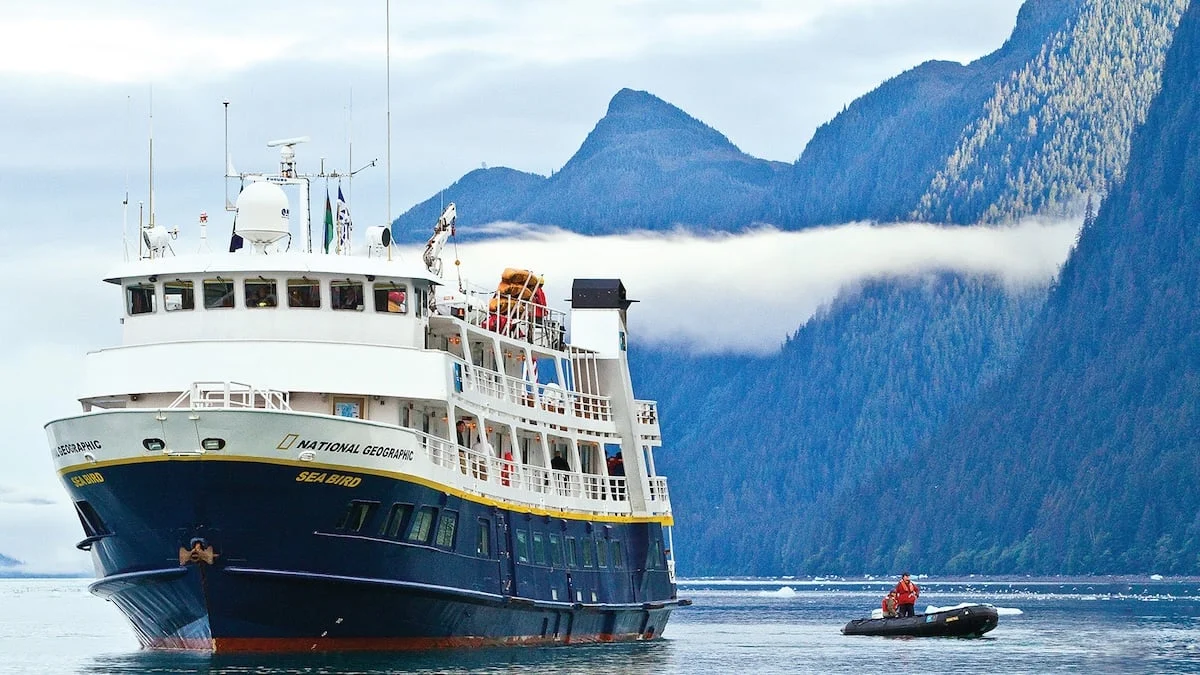
The U.S. Centers for Disease Control and Prevention (CDC) has received yet another report of a gastrointestinal illness outbreak aboard Lindblad Expeditions’ National Geographic Sea Bird, marking the fourth such incident in just two months. The vessel, which is currently operating in the pristine waters of the Alaskan Inside Passage, has become a focal point for health concerns as it struggles to contain an persistent, recurring pathogen that has impacted both passengers and crew members throughout the 2026 summer season.
The Current Situation: July 2026 Outbreak
According to the latest data released by the CDC’s Vessel Sanitation Program (VSP), the outbreak on the July 15, 2026, departure has reached a significant percentage of the ship’s small population. The voyage, a 5-night, one-way excursion from Juneau to Ketchikan, has seen eight passengers and five crew members report symptoms consistent with gastrointestinal distress, including acute diarrhea, vomiting, and abdominal cramping.
While the raw numbers—13 individuals in total—might appear manageable compared to the thousands of guests on mega-ships, the impact on this intimate vessel is disproportionately high. With a total guest count of 57 and a crew of 26, the current illness count represents 14% of the passenger manifest and 19% of the crew.
Despite these clinical reports, the causative agent behind this specific outbreak remains unconfirmed. Laboratory testing is ongoing, and while previous outbreaks on this vessel have been linked to norovirus, officials have not yet officially attributed the latest cluster to a specific virus or bacteria.
Escalating Mitigation Protocols
In response to the mounting reports, Lindblad Expeditions has implemented stringent onboard outbreak procedures. These measures are designed to curb the spread of the illness, which is highly transmissible in the confined quarters of an expedition vessel.
The ship has initiated rigorous cleaning and sanitizing schedules, focusing on high-touch surfaces and common areas. Furthermore, the line has enforced the isolation of both crew members and guests who exhibit symptoms. Perhaps most notably, the vessel has implemented a "pause in passenger operations." While the exact nature of this directive remains vague, it typically signifies a pivot in service delivery—likely moving away from self-service buffets to crew-served meals—to minimize the risk of cross-contamination.
The fact that these enhanced operations have been implemented during the current voyage indicates a potential escalation in the cruise line’s containment strategy. In earlier outbreaks earlier this year, such stringent pauses were not reported, suggesting that Lindblad is intensifying its efforts to break the chain of transmission that has plagued the ship for weeks.
Chronology of a Persistent Problem
The National Geographic Sea Bird is currently navigating a period of unprecedented health challenges. The pattern of illness suggests that the pathogen has established a foothold within the ship’s environment, complicating every voyage since late May.
- Late May – Early June: The first significant report involved the combined sailings of May 31 and June 5, resulting in 12 total cases and triggering a formal environmental assessment by the CDC.
- Late June: An outbreak was reported on the June 25 departure, marking the second consecutive month of documented health issues.
- Early July: Reports were filed for the July 10 voyage, continuing the trend.
- Mid-July: The current incident on the July 15 sailing marks the fourth official notification to federal health authorities.
This repetitive cycle has drawn intense scrutiny from health inspectors and industry observers alike. Under the CDC’s VSP, cruise ships are required to report outbreaks when the illness count exceeds 3% of the total soul count on board. For a small ship like the Sea Bird, which carries roughly 80 to 90 people total, the reporting threshold is extremely low. Even two sick passengers are enough to mandate a formal federal filing.
Satellite Data and Operational Disruptions
Operational realities have been starkly illustrated by recent satellite tracking data. As of Thursday, July 23, the National Geographic Sea Bird was identified as docked in Ketchikan, Alaska. This placement is irregular, as the vessel was originally scheduled to depart that port on Monday, July 20.
The vessel was meant to be conducting scenic cruising in the Wrangell Narrows and Sumner Strait throughout the week. The fact that the ship remains stationary suggests either a logistical delay related to deep cleaning efforts, a shift in itinerary to accommodate health-related quarantine needs, or a potential cancellation of planned excursions. As of this writing, Lindblad Expeditions has not issued a public statement addressing the delays or the underlying health concerns, and the line’s social media channels have remained silent regarding the Sea Bird since the outbreak cycle began.
Contextualizing the Risk: A Fleet in Transition
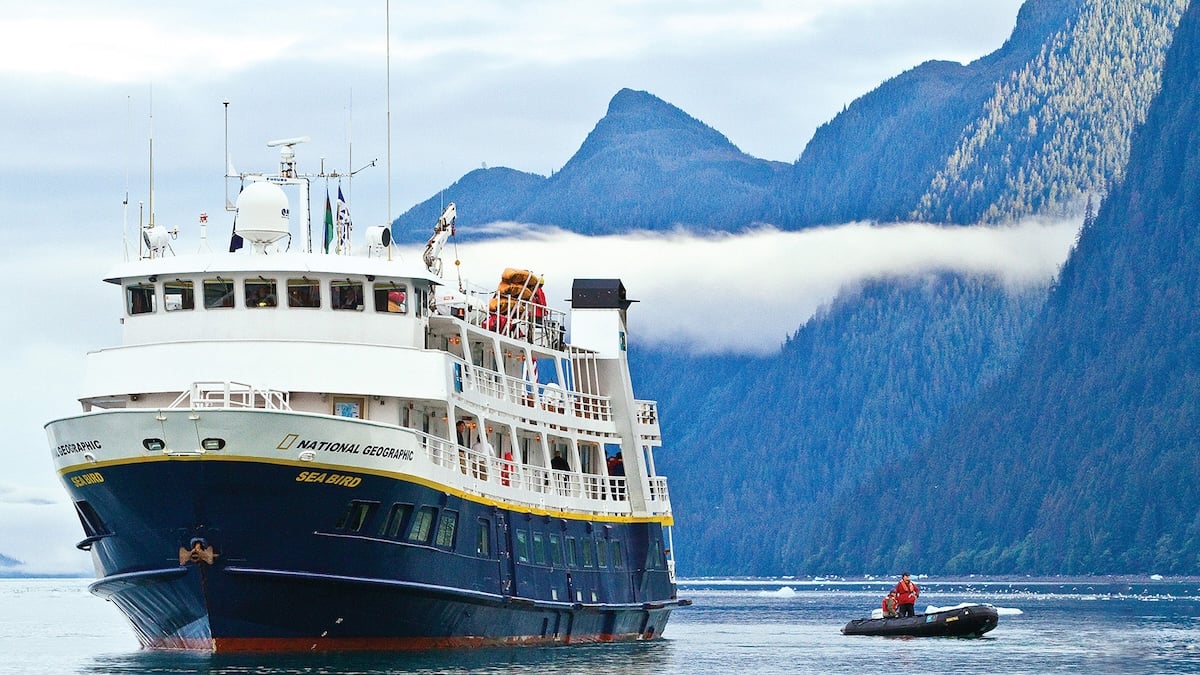
The National Geographic Sea Bird holds the distinction of being the oldest vessel in the Lindblad Expeditions fleet. It is currently operating its final season before a planned retirement this autumn. While the ship is cherished for its ability to navigate narrow fjords and reach intimate ports inaccessible to larger cruise ships, its age may present unique challenges regarding modern sanitation infrastructure and air filtration compared to newer, state-of-the-art vessels.
However, it is important to note that gastrointestinal outbreaks are a pervasive issue across the entire cruise industry, regardless of ship age or size. In March 2026, the Star Princess—one of the largest and newest ships in the Princess Cruises fleet—also faced a confirmed norovirus outbreak.
The CDC maintains that norovirus is the leading cause of gastrointestinal illness in the United States, with approximately 2,500 outbreaks occurring annually in settings ranging from nursing homes and hospitals to schools and restaurants. The highly contagious nature of the virus, which can survive on surfaces for days and withstand many common cleaning agents, makes it a formidable adversary in the close-contact environment of a ship.
Implications for the Cruise Industry
The situation aboard the National Geographic Sea Bird serves as a case study for the complexities of public health management in maritime travel.
1. Regulatory Scrutiny
The recurring nature of these outbreaks will almost certainly invite a more rigorous oversight process from the CDC’s Vessel Sanitation Program. Repeated failures to suppress an outbreak suggest that current protocols, while compliant with federal guidelines, may not be sufficient to fully eradicate the pathogen from the ship’s ecosystem.
2. Operational Impact
For the cruise line, the financial and reputational implications are significant. Beyond the cost of cleaning and potential compensation for affected guests, the negative publicity surrounding these outbreaks can deter prospective travelers. The "pause in passenger operations" represents a significant departure from the luxury expedition experience that Lindblad markets, as it inherently restricts the freedom and service levels that guests pay a premium for.
3. Guest Safety and Transparency
The industry-wide trend of transparency—often championed by the CDC—ensures that passengers are informed about potential risks. However, the lack of official communication from Lindblad regarding the specific steps taken to ensure the safety of upcoming sailings may create a vacuum of information that can lead to misinformation among travelers.
Conclusion: The Path Forward
As the National Geographic Sea Bird approaches its final months of service, the pressure to maintain a clean bill of health has never been higher. The repeated outbreaks are a stark reminder of the fragile balance between the adventure of expedition cruising and the necessity of rigorous public health standards.
While the illness is typically short-lived—with symptoms usually resolving within 1 to 3 days for most individuals—the collective impact on the ship’s operation and the reputation of the expedition line is significant. Whether the current pause in operations and enhanced cleaning protocols will be enough to stop the cycle remains to be seen. For now, passengers and industry analysts will be watching closely to see if the ship can complete its final season without further incident.
For those planning to travel on similar small-ship expeditions, the CDC continues to recommend frequent handwashing, adherence to onboard health briefings, and the immediate reporting of any symptoms to the ship’s medical staff. While cruise ships are monitored more closely than almost any other commercial environment for disease, the nature of the virus ensures that vigilance remains the best defense.
 Asep Darmawan
  Pevita Pearce
  Asro
Asro 