

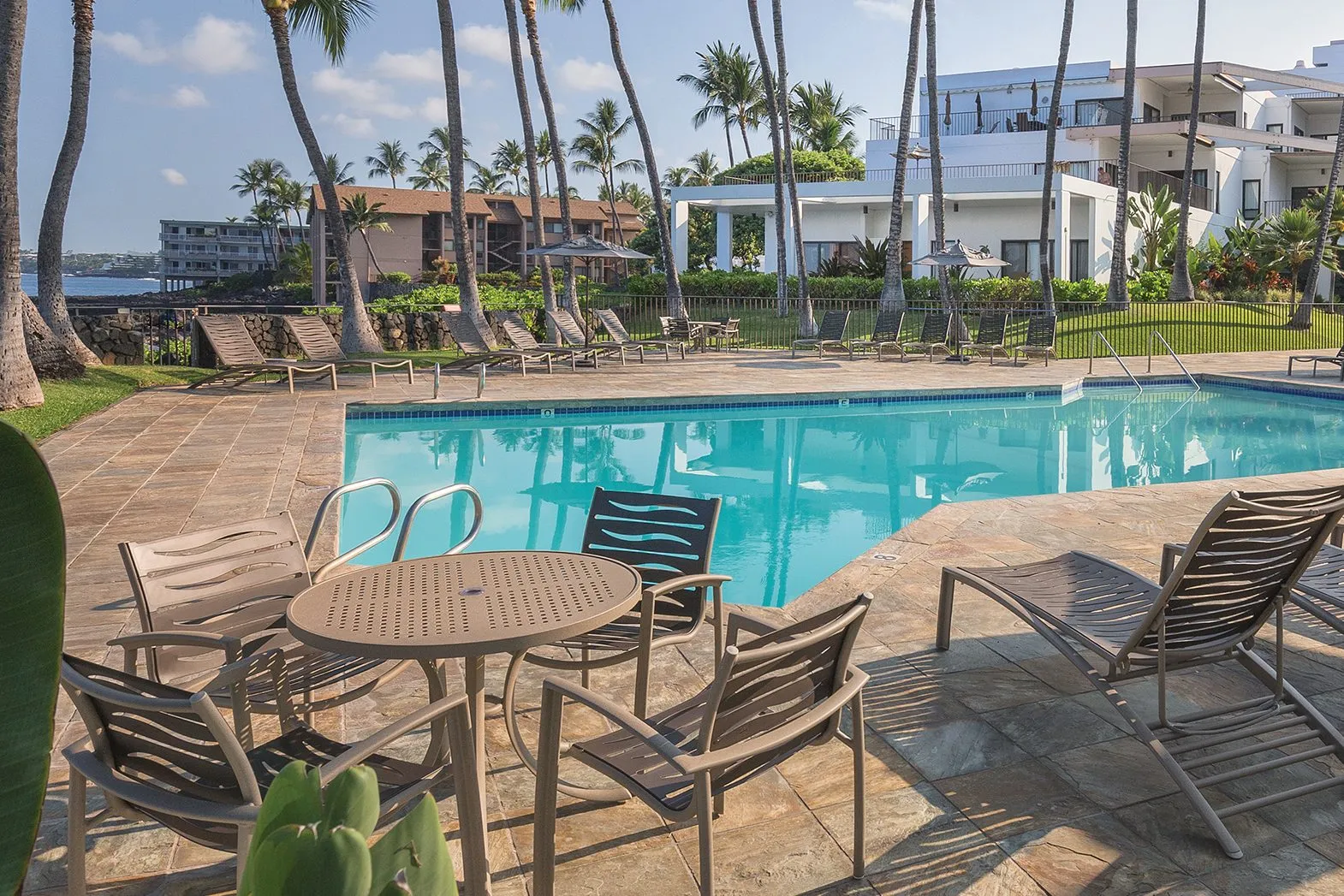
In a significant move to consolidate its footprint in the vacation ownership industry, Travel + Leisure Co. has officially announced the acquisition of Yes! Vacations and the pending purchase of Spinnaker Resorts. The transaction, totaling $343 million in upfront cash, marks one of the most aggressive portfolio expansions for the hospitality giant in recent years. By integrating these assets, Travel + Leisure Co. is not merely acquiring real estate; it is strategically securing high-demand inventory in premier travel markets, effectively neutralizing “white space” in its existing network.
The Core Facts: A $343 Million Growth Strategy
The acquisition strategy centers on the immediate integration of 23 resorts into Travel + Leisure’s already massive portfolio, which currently boasts over 280 properties globally. This infusion of assets is expected to be a force multiplier for the company’s core business model: the timeshare points-based system.
By acquiring Yes! Vacations and Spinnaker Resorts, Travel + Leisure Co. secures not only the physical resorts but also access to a loyal, pre-existing customer base. CEO Michael Brown confirmed during an earnings call on Wednesday that the deal brings more than 100,000 new timeshare owners into the company’s ecosystem. This represents a greater than 10% expansion of its total customer base, providing a significant boost to the company’s recurring revenue streams derived from annual maintenance fees and points-redemption activity.
Chronology of the Acquisition
The path to this acquisition was paved by a long-term assessment of market gaps. Over the past 24 months, Travel + Leisure Co. leadership identified a recurring trend: owners were increasingly seeking access to destinations where the company lacked adequate inventory.
- Q3-Q4 2023: Initial exploratory talks began with both Yes! Vacations and Spinnaker Resorts. The focus was on identifying portfolios that maintained high standards of guest satisfaction and operational efficiency.
- Early 2024: Due diligence processes were initiated. Travel + Leisure Co. executives conducted deep-dive audits into the maintenance standards, occupancy rates, and owner demographics of the target properties.
- Late Q2 2024: Definitive agreements were reached. The company opted for a combination of immediate acquisition (Yes! Vacations) and a structured transition (Spinnaker Resorts).
- Wednesday, Earnings Call: CEO Michael Brown officially disclosed the deal to investors, framing the acquisition as a "strategic fill" of the company’s geographic map.
Supporting Data: Why Inventory is King
To understand why Travel + Leisure Co. would deploy $343 million in capital, one must analyze the economics of the timeshare model. In this industry, the product is the "inventory"—the ability to guarantee a stay at a high-quality resort.
The "White Space" Strategy
The primary driver behind this investment is the concept of "white space." In market analytics, white space refers to geographic regions where a company has significant customer interest but zero or insufficient supply. Brown highlighted two specific locations that were previously inaccessible to a large portion of his owner base: Hilton Head, South Carolina, and Maui, Hawaii.
- Market Demand: Both Hilton Head and Maui are perennial favorites for luxury travelers. By adding these properties, Travel + Leisure Co. eliminates the friction of having to outsource inventory or turn away high-value owners during peak seasons.
- Operational Efficiency: Because Yes! Vacations and Spinnaker Resorts were already established as "well-run companies," the integration costs are expected to be lower than if Travel + Leisure were to build new properties from scratch. Building new resorts often involves years of regulatory hurdles, environmental impact studies, and construction risks. This acquisition allows for "instant scale."
The Customer Acquisition Engine
The addition of 100,000 owners is a transformative event for the company’s financial profile. Timeshare economics rely heavily on the Lifetime Value (LTV) of a customer. Owners pay an upfront fee to enter the network and then commit to annual maintenance fees, which cover the costs of running the resorts.
- Scale Advantage: With over 100,000 new members, the company gains a larger pool for cross-selling ancillary products, such as travel insurance, luxury rental upgrades, and points-acceleration programs.
- Retention Economics: Integrating these owners into the larger Travel + Leisure network—which operates under recognizable brands—provides those owners with a vastly larger menu of vacation options, theoretically reducing churn and increasing long-term engagement.
Official Responses and Executive Rationale
During the earnings call, CEO Michael Brown was clear that this was a targeted, disciplined purchase. He emphasized that the acquisition was not a "growth for growth’s sake" play, but rather a surgical approach to inventory management.
"Both of these companies are well-run companies that have resorts and destinations where we had white space," Brown stated. "Hilton Head and Maui are two locations that are highly demanded by our owner bases. By bringing them into the fold, we are immediately satisfying that pent-up demand."
When pressed by analysts regarding the cost of the acquisition, Brown noted that the "upfront cash" structure was a reflection of the high quality of the assets. The company is confident that the internal rate of return (IRR) on these properties will comfortably exceed their cost of capital, particularly given the strength of the U.S. domestic travel market.
Implications for the Timeshare Industry
The consolidation of Yes! Vacations and Spinnaker Resorts into Travel + Leisure Co. carries several broader implications for the hospitality and vacation ownership sectors.
1. The Era of Market Consolidation
The timeshare industry has long been fragmented, with numerous independent operators managing clusters of resorts. This move suggests that the "Big Players" (like Travel + Leisure, Marriott Vacations Worldwide, and Hilton Grand Vacations) are looking to absorb high-quality independent portfolios to insulate themselves from the high costs of new development. We can expect further M&A activity as mid-sized independent operators find it increasingly difficult to compete with the digital distribution and marketing scale of the industry giants.
2. The Points-Based Ecosystem
Timeshare owners today rarely "own" a deed to a specific room; they buy an annual allotment of points. This system requires a deep, diverse, and geographically dispersed network to function correctly. If a network is too small, owners become frustrated by lack of availability. By adding 23 resorts, Travel + Leisure Co. is increasing the utility of its points currency. A point is only as valuable as the vacation it can secure; by adding Maui and Hilton Head, the company has effectively increased the "purchasing power" of every point in its system.
3. Resilience in a High-Interest Environment
The fact that Travel + Leisure Co. is deploying $343 million in cash signals confidence in the resilience of the consumer. Despite inflation and concerns about interest rates, the luxury vacation market remains robust. The acquisition indicates that the company views vacation ownership not as a luxury that can be cut from household budgets, but as a "pre-paid" necessity for families who value consistent, high-quality travel experiences.
4. Competitive Moats
With this acquisition, Travel + Leisure Co. creates a wider "moat" around its business. By locking up supply in high-demand, high-barrier-to-entry markets like Maui, they prevent competitors from acquiring those same assets. This is a defensive move that doubles as an offensive growth strategy.
Future Outlook
As the integration process begins, all eyes will be on how effectively Travel + Leisure Co. transitions the new owners into its digital booking platforms. The success of this acquisition will be measured not just by the balance sheet, but by the satisfaction scores of the 100,000 new owners who are entering a new, much larger ecosystem.
If the transition is seamless, it will likely serve as a blueprint for future acquisitions. Travel + Leisure Co. has proven that it has the liquidity to act quickly when prime assets become available. As the travel landscape continues to evolve, the company’s ability to anticipate "white space" and move decisively to fill it will remain its most significant competitive advantage.
For now, the message to investors and owners alike is clear: Travel + Leisure Co. is positioning itself to be the dominant force in destination-based hospitality, leveraging scale to ensure that its members always have a place to go—even in the most sought-after corners of the world.
 Evan Lee Salim
  Nana Wu
  Pevita Pearce