

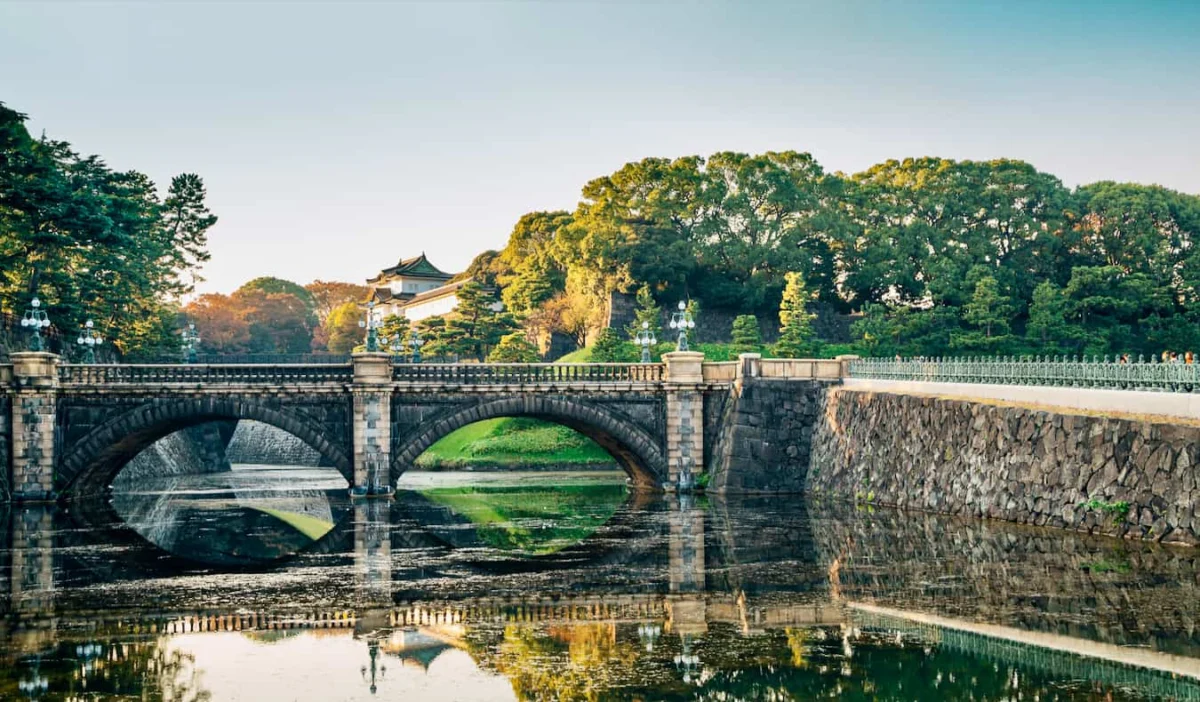
Tokyo is a paradox. It is a sprawling metropolis that functions with the precision of a Swiss watch, yet it remains a city of infinite layers—a labyrinth of quiet shrines, hidden culinary dens, and subcultures that operate far beneath the surface of its polished neon facade. Even after a decade of frequent visits, the Japanese capital continues to unveil itself in ways that feel both novel and profound.
While the traditional tourist trail—the Shibuya Crossing, the Meiji Jingu Shrine, and the bright lights of Akihabara—serves as an essential introduction, the true spirit of Tokyo is often found in the "in-between" spaces. Increasingly, discerning travelers are turning toward curated local experiences to bridge the gap between sightseeing and genuine cultural integration.
The Shift Toward Experiential Travel
The rise of platforms like Airbnb Experiences has fundamentally altered the travel landscape in Japan. Rather than following a scripted, impersonal itinerary, these sessions—often led by long-term residents or subject-matter experts—offer a "front-row seat" to the city’s intricate customs.
Data from the Japan National Tourism Organization (JNTO) suggests that the post-pandemic traveler is seeking higher "engagement density." They are less interested in passive consumption and more focused on hands-on learning—whether that involves the chemistry of fermentation in sake brewing or the historical nuances of the Edo period. While traditional tour companies remain a pillar of the industry—with firms like Arigato Travel setting the gold standard for high-end, structured culinary explorations—the agility and intimacy of local-led experiences have carved out a significant niche for the modern explorer.
Curated Immersion: A Chronology of Discovery
To navigate the overwhelming breadth of Tokyo, it is helpful to categorize experiences by their intent. From the morning stillness of a sushi workshop to the vibrant, chaotic energy of a Shinjuku izakaya, here is a curated guide to the most impactful ways to engage with the city.
1. Culinary Mastery: The Sushi-Making Workshop
The journey begins in the morning. Unlike the "tourist-trap" cooking classes that offer only a superficial overview, the most rewarding sushi experiences occur within the walls of authentic omakase restaurants.
- The Process: Participants work directly with a sushi master or their apprentice. The curriculum moves beyond mere aesthetics, focusing on the "why" of the craft: the specific moisture content of the rice, the seasonal selection of neta (toppings), and the delicate art of flavor balance.
- The Implication: This fosters a deep respect for the discipline required in Japanese cuisine, transforming a simple meal into a study of history and technique.
2. The Izakaya Circuit: Shibuya and Shinjuku
As the sun sets, Tokyo’s nightlife reveals its true character. Izakayas (Japanese pubs) are the social heart of the city, yet they are notoriously intimidating for outsiders due to complex ordering systems and social norms.
- Shibuya Nightlife: These tours act as a gateway, guiding guests through 3–4 hidden, non-touristy establishments. With the help of a local guide, the language barrier dissolves, allowing for meaningful interactions with locals.
- The Shinjuku Experience: In the narrow alleyways of Shinjuku, the focus shifts to sake sommelier-led tours. These sessions are critical for understanding the nuance of regional rice wines and learning how to navigate a Japanese menu with confidence.
3. Historical Depth: Walking the Edo Past
Tokyo is a city that frequently rebuilds itself, but fragments of history remain for those who know where to look. A deep-dive historical tour—often led by academic lecturers—serves as a necessary counterpoint to the city’s modernity.
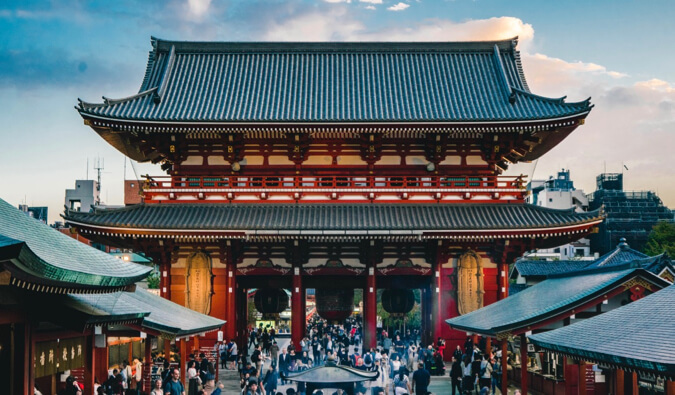
- Key Locations: A journey through the Nezu Shrine and the old streets of Yanaka offers a window into the Edo period and the Meiji Restoration.
- Cultural Context: Understanding how the samurai class transitioned into the modern era is essential to grasping the contemporary Japanese psyche.
4. The Craft of the Bean and Leaf
Tokyo’s coffee culture is a sophisticated blend of traditional kissaten (old-school tea houses) and third-wave specialty cafes.
- Coffee Culture Tour: By exploring the under-visited neighborhoods of Jimbocho and Kanda, visitors learn about the meticulous Japanese approach to brewing.
- Matcha Tea Ceremony: For a more meditative experience, a traditional tea ceremony provides a necessary respite from the city’s sensory overload. It is an exercise in mindfulness, teaching the participant to appreciate the fleeting nature of the present moment—a philosophy deeply rooted in Japanese culture.
5. Urban Landscapes: Street Art and Modernity
While Japan is often perceived as a country of strict conformity, a vibrant underground scene exists in its back alleys. A street art tour of Shibuya and Harajuku challenges these perceptions, showcasing the murals and installations that thrive in the hidden pockets of the city. It provides a rare glimpse into the contemporary creative spirit that defies the "orderly" narrative of Tokyo.
Supporting Data and The Local Perspective
According to industry reports, the demand for "hyper-local" tours has grown by approximately 30% over the last three years. The primary driver is the desire for authenticity; travelers are increasingly wary of "cookie-cutter" bus tours that isolate them from the very culture they aim to experience.
When asked about the importance of these experiences, local guides emphasize that their role is that of a "cultural translator." It is not just about showing a guest a bar or a shrine; it is about explaining the intent behind the actions. For example, understanding why one does not walk and eat, or why silence is valued on public transit, allows for a more harmonious experience for both the traveler and the local population.
The Logistical Framework: Planning Your Visit
A successful trip to Tokyo requires as much logistical foresight as it does cultural curiosity.
- Air Transit: Utilizing search engines like Skyscanner remains the most efficient way to navigate the complexities of international airfare.
- Accommodation: The choice of base is critical. For social travelers, Hostelworld offers the most expansive inventory of high-quality, boutique hostels. For those preferring traditional hotel stays, Booking.com remains the standard for competitive pricing and guesthouse variety.
- Transportation: The Japan Rail Pass is a vital asset for those planning to travel beyond the city limits. By offering fixed-rate, multi-day access to the Shinkansen network, it remains the most cost-effective way to traverse the country.
- Travel Security: Never underestimate the importance of comprehensive travel insurance. Coverage for medical emergencies, cancellations, and theft is not a luxury; it is a fundamental component of responsible travel.
Implications: The Future of Responsible Tourism
As Tokyo continues to attract record numbers of international visitors, the responsibility shifts toward the traveler to engage with the city respectfully. By choosing locally-led experiences, you are not merely purchasing a tour; you are investing in the local economy and facilitating a cross-cultural dialogue that benefits both the visitor and the host.
Tokyo is not a city that can be "checked off" a list. It is a living, breathing entity that rewards curiosity. Whether you are whisking matcha in a quiet tearoom or navigating the boisterous energy of a Shinjuku izakaya, the goal is to move past the superficial and find the threads of tradition and innovation that make this city truly incomparable.
Before embarking on your next journey, ensure your preparations are solid, your insurance is active, and your mind is open. Tokyo is waiting—but it is up to you to look past the neon and find its heart.
 Pevita Pearce
  Laily UPN