

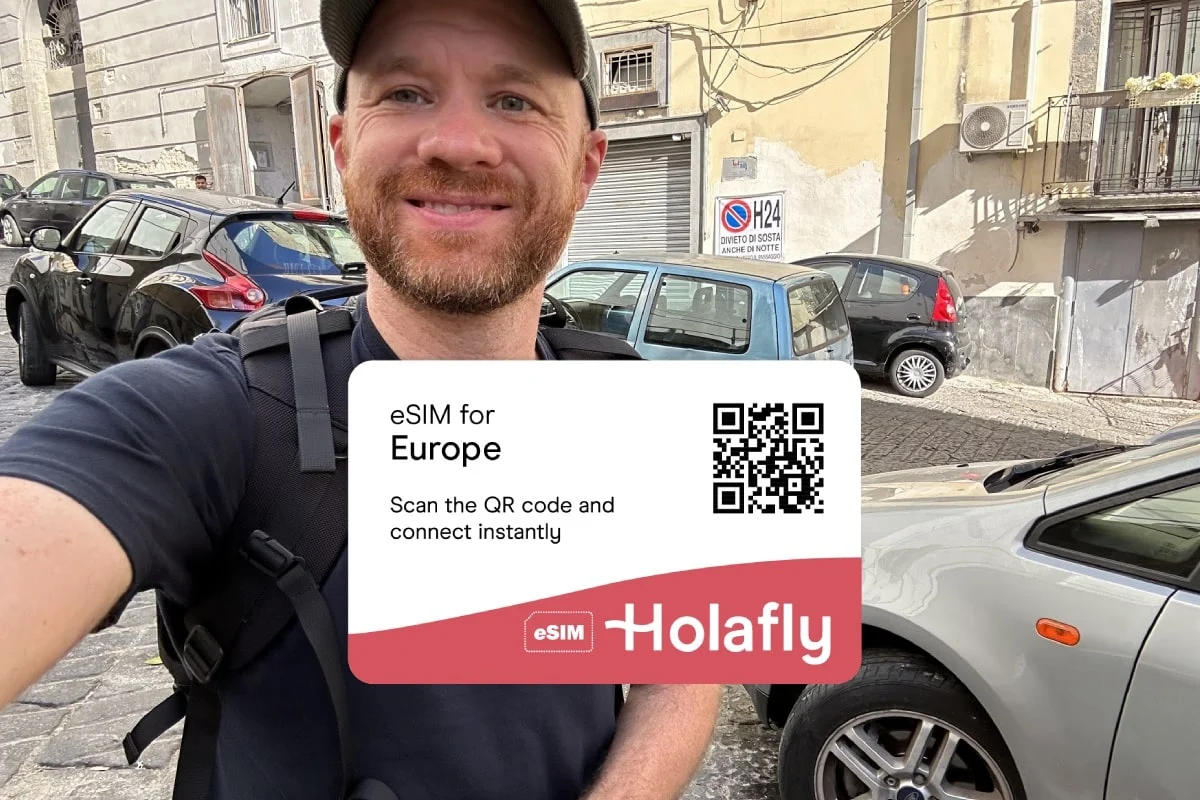
In an era where travel is increasingly digitized, the ability to maintain a reliable internet connection is no longer a luxury—it is a logistical necessity. From navigating foreign transit systems to accessing real-time translation tools and staying in touch with family, mobile data is the backbone of the modern travel experience. However, the days of hunting for physical SIM cards at kiosks or paying exorbitant daily roaming fees to domestic carriers are rapidly coming to an end. Enter the era of the eSIM.
Among the emerging players in this space is Holafly, a Dublin-based startup that has gained significant traction for its focus on unlimited data plans. But does the promise of "unlimited" connectivity hold up under the rigors of international travel, and how does the user experience compare to the industry standard? To answer these questions, I put Holafly to the test during a two-week intensive trip across Italy.
Main Facts: What is Holafly?
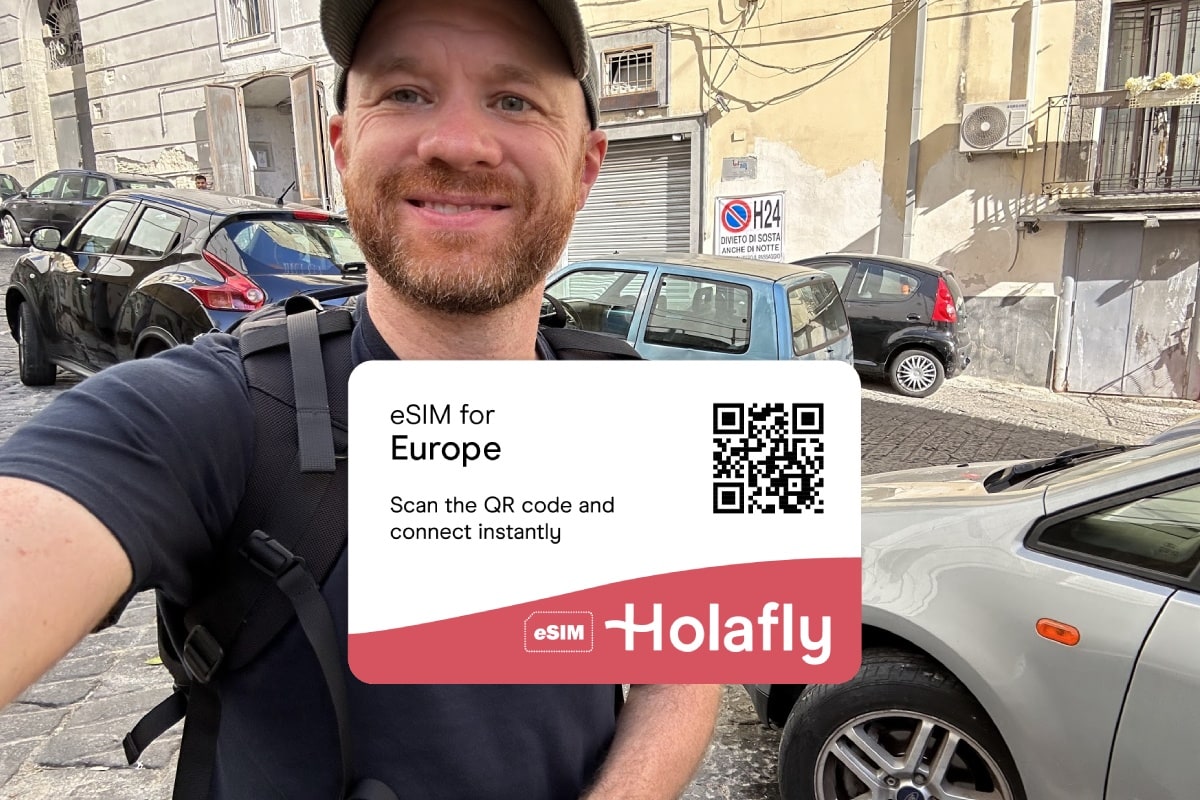
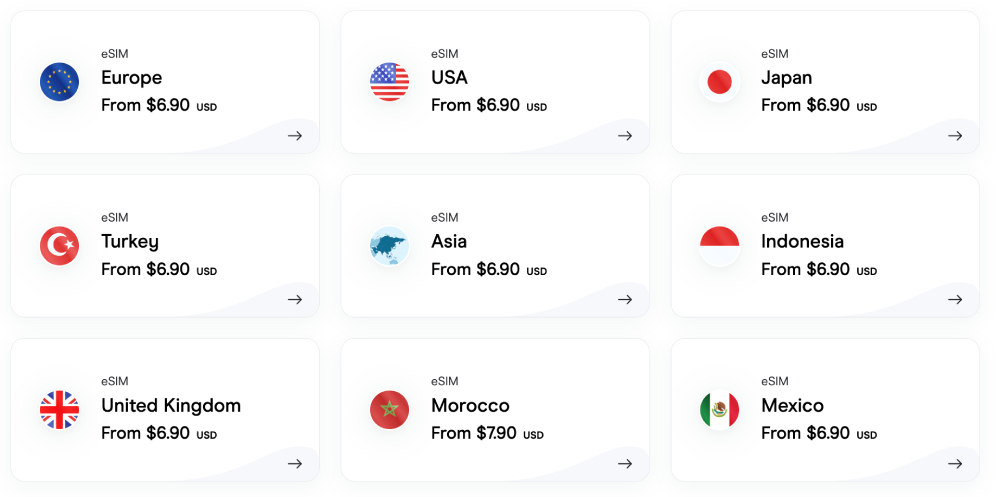
Holafly is an eSIM provider that facilitates mobile data access for travelers in over 200 destinations worldwide. Unlike traditional mobile virtual network operators (MVNOs) that might require a physical chip, Holafly utilizes eSIM technology—embedded SIM cards already present in modern smartphones—to deliver data plans directly to a user’s device.
Core Value Propositions
- Unlimited Data: One of Holafly’s primary differentiators is its commitment to unlimited data packages. This removes the "data anxiety" that often plagues travelers who worry about exceeding caps while using navigation or social media.
- Customizable Duration: Users can tailor their plans to their specific trip length, ranging from 1 to 90 days. This granular approach ensures travelers pay only for what they need, rather than purchasing rigid monthly subscriptions.
- Infrastructure Partners: Holafly does not operate its own cell towers. Instead, it enters into agreements with established local telecommunications giants (such as Wind Tre in Italy, SFR in France, and AT&T in the U.S.). This allows Holafly users to leverage existing, high-capacity infrastructure.
A Chronology of the Testing Process
To provide a comprehensive review, I conducted a controlled, real-world test using an iPhone 14 Pro during a 14-day sojourn through Italy, covering major urban centers and rural tourist sites.

Phase 1: Pre-Departure and Installation
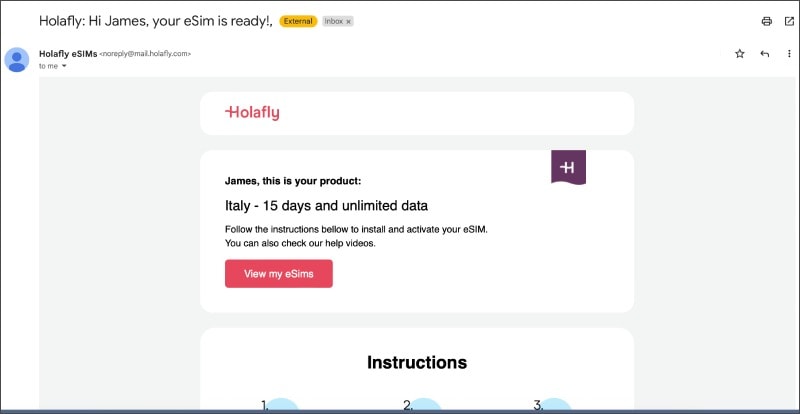
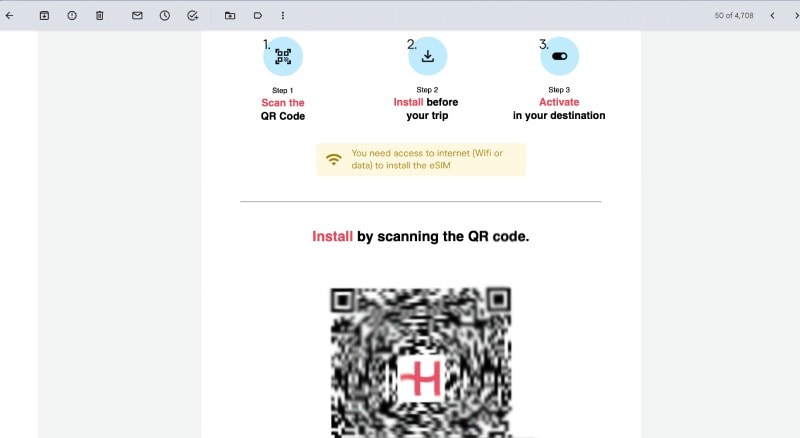
I purchased the 15-day unlimited data eSIM through the Holafly portal. The process was streamlined: upon payment, I received an email containing a QR code and activation instructions. Following the implementation of iOS 17.4, Apple’s native eSIM management tools have made this process nearly frictionless. I opted to install the eSIM profile while still at home but refrained from activating the service to ensure the "clock" on my 15-day plan did not start prematurely.
Phase 2: Deployment in Italy
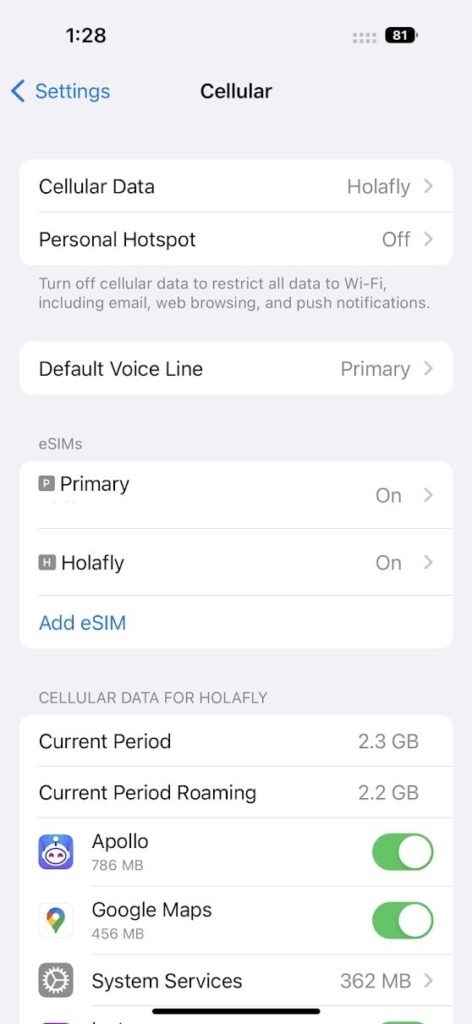
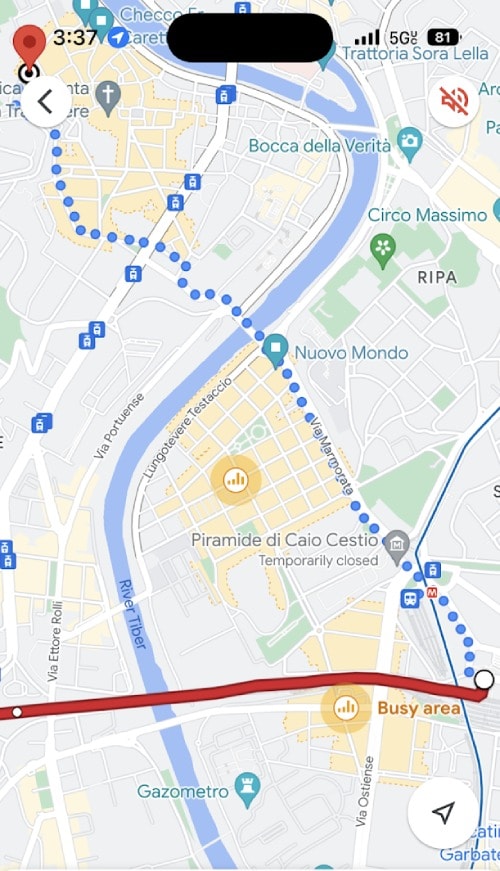
Upon landing in Rome, I toggled the eSIM to the "Active" state. The device identified the network (Wind Tre) almost instantly. Over the next two weeks, the service was subjected to various environments: the dense architecture of central Rome, the high-speed rail transit between cities, and the coastal geography of the island of Capri.
Phase 3: Monitoring and Evaluation
I intentionally utilized the connection for typical traveler tasks: constant GPS navigation, photo uploads to social media, messaging, and occasional video conferencing. Throughout the duration, I monitored for service drops, latency, and any signs of "throttling"—the practice where carriers intentionally slow down speeds for heavy users.
Supporting Data and Performance Metrics
The skepticism surrounding "unlimited" data is warranted; historically, many "unlimited" plans include hidden "fair use policies" that throttle bandwidth once a certain gigabyte threshold is crossed.
Speed and Reliability
During my tenure in Italy, I experienced consistent 5G connectivity in Rome and Naples. Even in more remote areas, such as the ruins of Pompeii or off the coast of Capri, the connection remained stable on LTE/4G bands.
- Average Speeds: While specific speeds fluctuate based on tower proximity, I found them sufficient for high-quality video calls and real-time map updates.
- Latency: There was no discernable lag during web browsing or navigation, which is often a point of failure for cheaper, low-priority data plans.
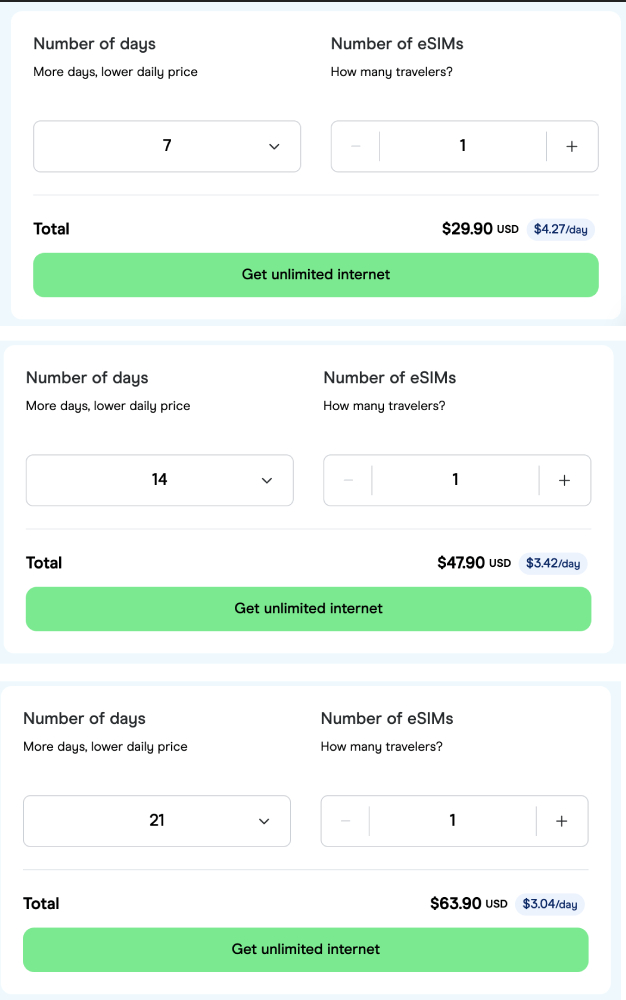
- Comparison to Domestic Roaming: Using my primary U.S. carrier’s international roaming plan, I have historically paid upwards of $10 per day for speeds that are often capped or degraded. By comparison, my Holafly plan cost approximately $3.39 per day, representing a massive reduction in travel overhead.
Official Perspective and Service Evolution
It is important to note that the mobile landscape is dynamic. In June 2023, Holafly introduced a feature providing a European phone number with 60 minutes of calling credit, catering to users who needed to make local restaurant reservations or contact local tour operators.
However, as of the summer of 2024, this service was discontinued. This change highlights a crucial aspect of using third-party data providers: services are subject to change based on carrier partnerships and regional regulations. Users should always check the "What’s Included" section of the website immediately prior to purchase to ensure they are getting the features they expect.
The "Throttling" Question
While Holafly advertises "unlimited" data, it is a technical reality that during periods of extreme network congestion, the local providers (like Wind Tre) prioritize their own direct subscribers over MVNO users. While I did not experience noticeable throttling, users planning to stream 4K video or perform massive cloud backups should remain aware that performance may dip in highly congested areas like crowded piazzas or large transit hubs.
Implications for the Modern Traveler
The shift toward eSIMs, as facilitated by companies like Holafly, carries several significant implications for the travel industry:
1. Cost Efficiency
For the savvy traveler, the cost of staying connected has plummeted. When comparing a $3/day plan to the $10-$15/day fees charged by major US carriers, the savings over a two-week trip can amount to over $100—often enough to cover several local meals or museum admissions.
2. Convenience and Security
The ability to purchase and install a plan before even boarding the plane provides immense peace of mind. There is no longer a need to spend the first hour of a vacation searching for a physical SIM card shop or worrying about the security of public Wi-Fi networks in airports.
3. The End of "Data Anxiety"
Unlimited plans change the way we travel. When data is metered, travelers often resort to "Wi-Fi hopping," which can lead to security risks and inefficient use of time. With unlimited data, the traveler is empowered to use the best available tools—like Google Maps or real-time translation—without constantly checking a data counter.
Final Verdict: Is Holafly Right for You?
After rigorous testing, I have concluded that Holafly represents one of the most effective solutions for travelers who prioritize ease of use and consistent connectivity. While no service is immune to the occasional quirk of international roaming, the balance of price, performance, and simplicity makes it a superior alternative to traditional roaming or the hassle of physical SIM cards.
Recommendations for Future Users:

- Wait to Activate: Do not activate the plan until you are physically present in your destination country.
- Verify Device Compatibility: Before purchasing, ensure your smartphone is carrier-unlocked and supports eSIM technology.
- Check Local Coverage: While Holafly covers over 200 destinations, verify which local network they partner with in your specific destination to ensure that network has good coverage in the regions you plan to visit.
Ultimately, travel is about removing barriers. By effectively bridging the digital divide between home and abroad, services like Holafly allow the modern explorer to focus on the journey rather than the technicalities of staying connected.
Disclaimer: The author may earn an affiliate commission on products or services purchased through links in this article. This does not influence the objectivity of the testing or the conclusions drawn.
 Pevita Pearce
  Dwi Wanna
  Azzam Bilal Chamdy