

Portugal has rapidly transformed into one of Europe’s premier travel destinations. With its sun-drenched coastlines, historic architecture, and vibrant culinary scene, the nation is attracting record numbers of visitors. To accommodate this influx, Portugal has refined its national rail network, Comboios de Portugal (CP), into a modern, efficient system capable of whisking travelers from the northern industrial hubs to the southern beaches with ease.
While train travel in Portugal is remarkably affordable compared to its neighbors, navigating the booking process can present challenges for international visitors. From deciphering local ticketing websites to understanding the nuances of high-speed versus regional transit, this guide provides a roadmap for securing the best tickets at the lowest prices.
The Essentials: Understanding the Portuguese Rail Network
At the heart of the country’s transit infrastructure is Comboios de Portugal (CP), the state-owned operator. While the official CP website is the primary hub for information, international travelers often report friction. Common issues include linguistic barriers, site instability, and difficulties processing foreign credit cards.
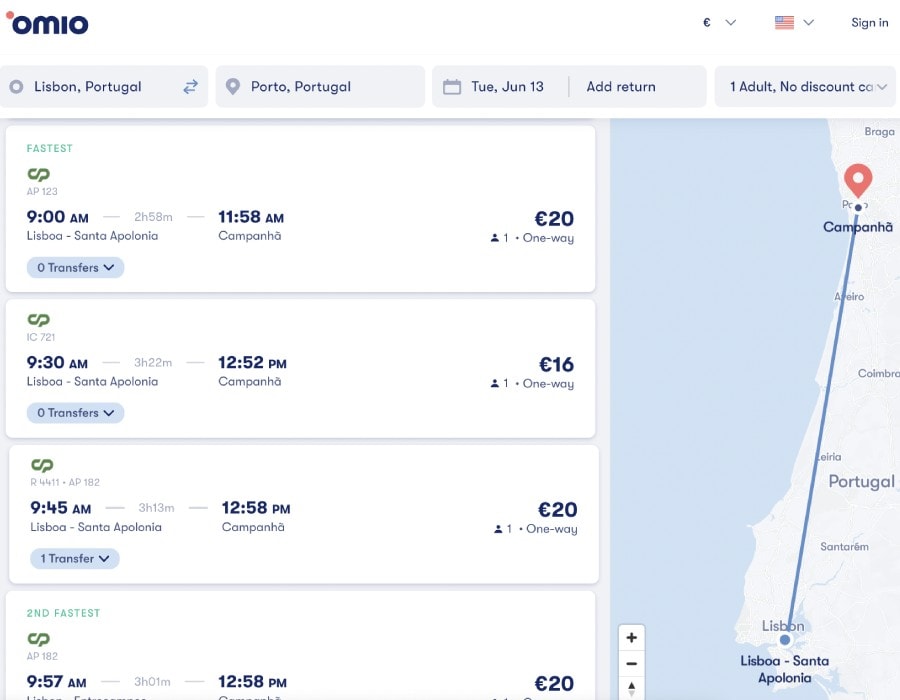
For the average tourist, third-party aggregators such as Omio and Trainline are often the preferred route. These platforms offer a streamlined, user-friendly interface that aggregates the same inventory as the official site while eliminating translation hurdles and payment processing errors. While these services may charge a nominal booking fee—typically between $1 and $3 per ticket—the peace of mind and reliability they provide often outweigh the small cost.
Chronology of Booking: When to Act
The golden rule of Portuguese rail travel is punctuality in planning. Tickets for long-distance, high-speed services generally become available for purchase 60 days prior to departure.
- Early Bird Savings: Pricing is dynamic. Booking at least two weeks in advance can secure significant discounts.
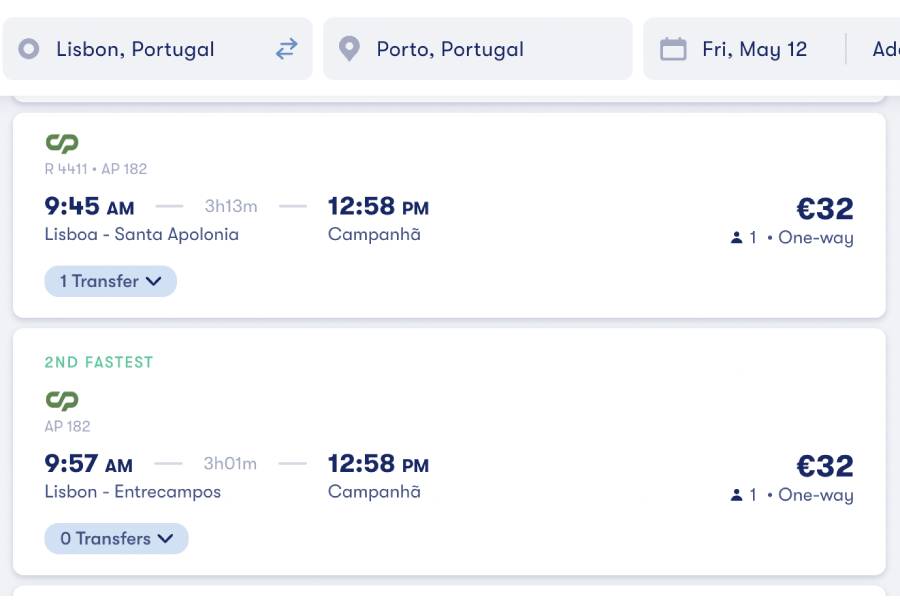
- The 5-Day Threshold: Tickets purchased five days before departure are often 50% cheaper than last-minute fares.
- The 8-Day Advantage: Securing your seat eight days in advance can yield savings of up to 60% off full-price fares.
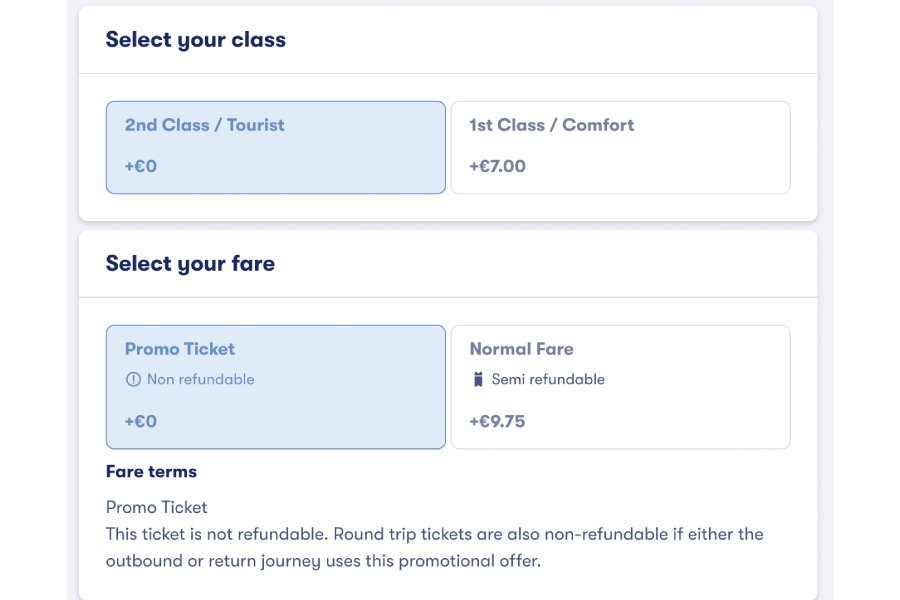
It is important to note that the most affordable tickets are classified as "promo fares." These are non-refundable and non-exchangeable, meaning travelers must be certain of their itineraries before clicking "purchase." Conversely, "normal fare" tickets offer more flexibility, allowing for cancellations or changes up to 15 minutes before departure, albeit at a higher premium.
Decoding the Train Types
Not all trains in Portugal serve the same purpose. Understanding the fleet is key to managing travel expectations and budget.
Alpha-Pendular (AP): The High-Speed Standard
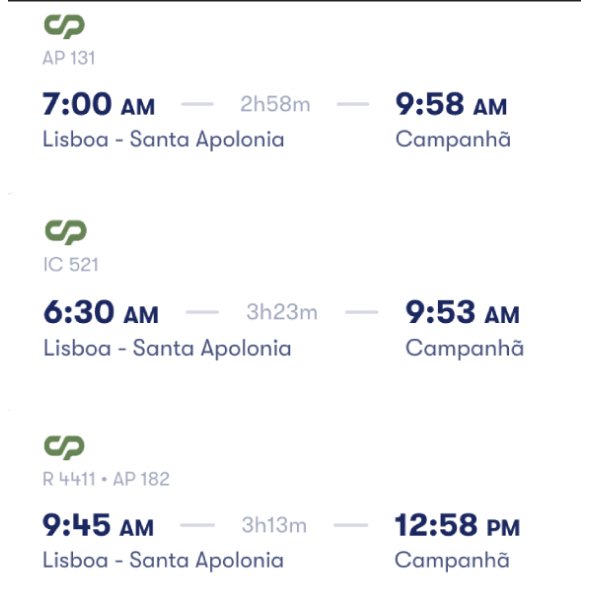
The Alpha-Pendular is the crown jewel of the CP fleet. Capable of reaching speeds of 125 mph, these tilting trains connect major urban centers like Lisbon, Porto, and Braga with minimal stops. They offer the most modern amenities and the shortest transit times, making them the gold standard for long-distance travel.
Intercidades (IC): The Reliable Workhorse
Intercidades (Intercity) trains are the primary long-distance alternative. While they are slightly older and less luxurious than the AP trains, they are perfectly reliable. Because they make more frequent stops, the journey time is naturally longer, but they remain an excellent balance of cost and comfort.
Regional, Interregional, and Urban (U) Trains
For those venturing into the smaller towns or navigating suburban commutes, the regional network is essential. These services prioritize connectivity over speed. Unlike long-distance routes, tickets for these services are fixed-price and generally cannot be purchased online, requiring a visit to the station kiosk or window.
Station Logistics and Ticketing
For those who prefer to buy tickets on the ground, the station remains a viable option, provided one understands the limitations.
The Automated Machine vs. The Ticket Window
Automated kiosks are available at most major stations and feature English language settings. They are the fastest way to secure a ticket, though they occasionally struggle with non-European credit cards. If a machine fails to accept your payment, proceed to the ticket window.
Pro-Tip: Be aware of operating hours. At smaller stations or during weekend shifts, ticket windows may not open until later in the morning. If you have an early departure, always aim to purchase your ticket the day before to avoid being stranded.
The Critical Importance of Validation
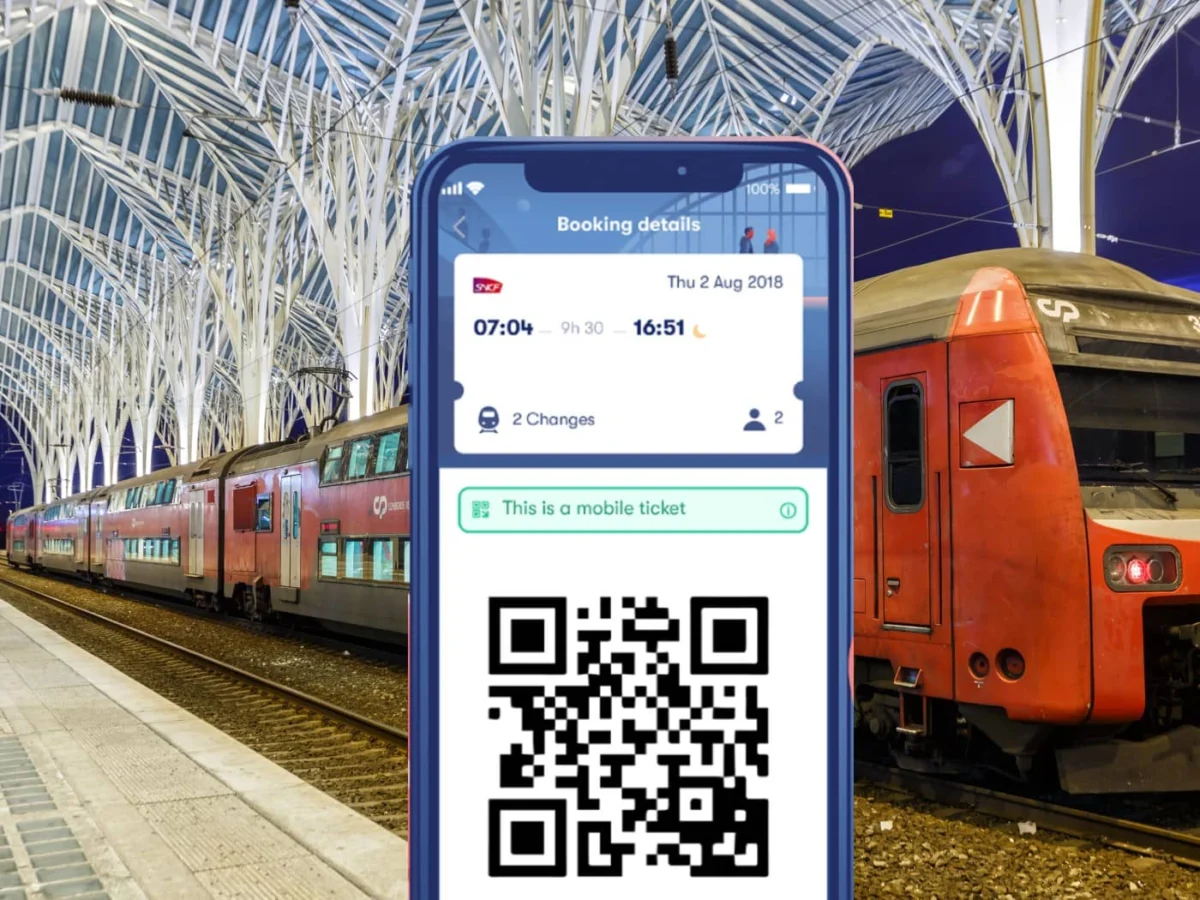
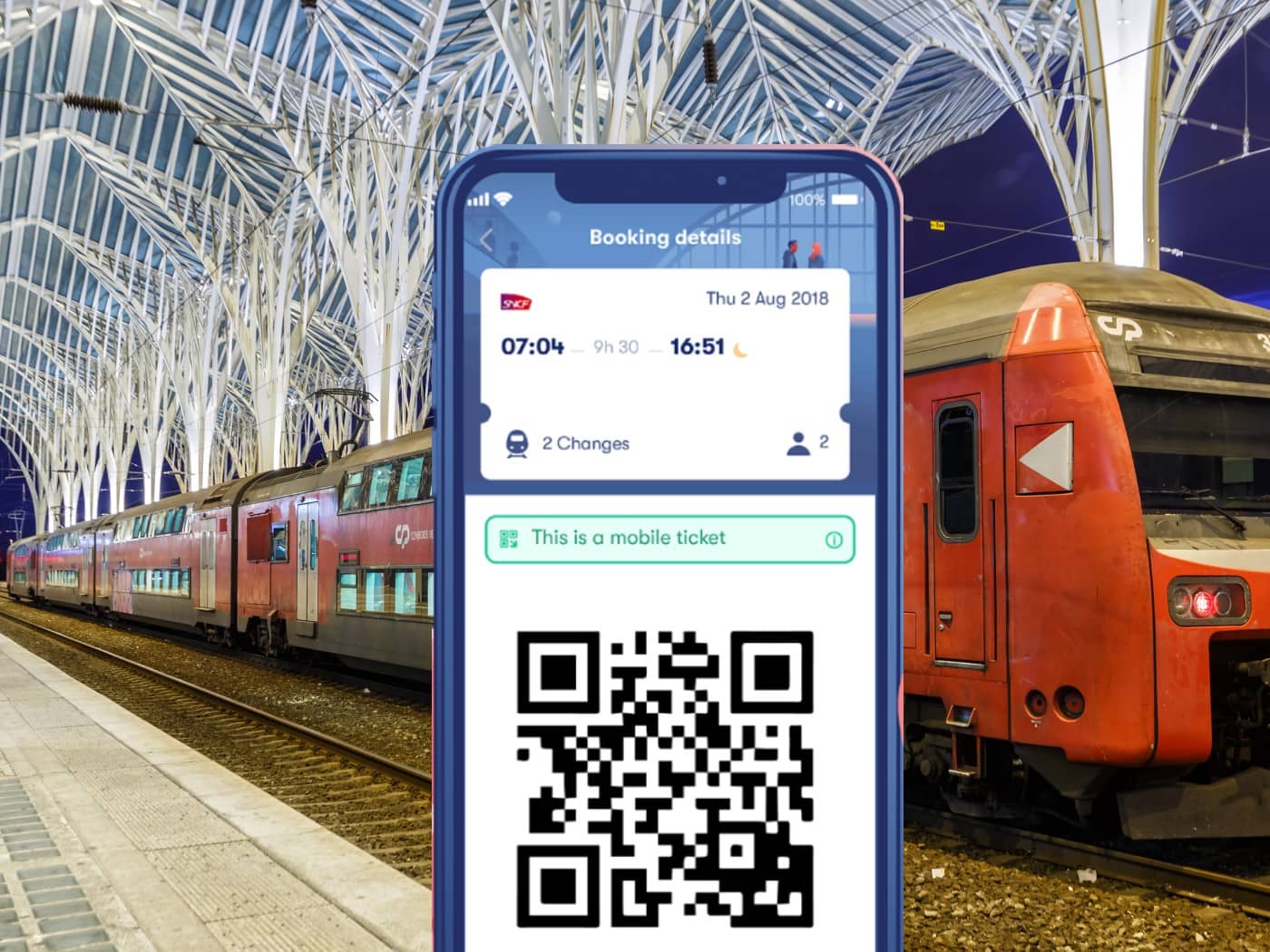
If you purchase a physical ticket from a station—specifically for shorter, regional routes—you must validate it before boarding. Look for the small, often wall-mounted machines on the platform. Failure to scan your ticket can result in a fine, regardless of your intent to pay. Conversely, electronic tickets (e-tickets) purchased through apps like Omio are typically pre-validated; simply present the QR code on your mobile device to the conductor when prompted.
Popular Routes and Travel Implications
For travelers mapping out a Portuguese itinerary, the following routes represent the most vital arteries of the country:
- Lisbon to Sintra: The quintessential day trip. With trains departing every 10–20 minutes, this local route is affordable (approx. €2.30 each way) and tickets are strictly available at the station.
- Lisbon to Porto: The backbone of Portuguese tourism. The AP train covers this in under three hours. Booking early is essential to avoid the steep price jumps associated with demand-based surge pricing.
- Lisbon to Braga: Serving the north, this route often requires a change in Porto. Travelers should prioritize direct trains to avoid long layovers.
- Lisbon to Faro: Connecting the capital to the Algarve. The three-hour journey is a scenic route that sees high demand during summer months, making advance booking a necessity.
Expert Advice for the Modern Traveler
Data Connectivity
Modern rail travel requires modern connectivity. Having high-speed data on your smartphone is crucial for accessing e-tickets, checking live departure updates, or rebooking in the event of a change. Whether you opt for a local SIM card or an eSIM, ensure your plan covers roaming within Portugal to maintain access to your travel apps.
Luggage and Comfort
Portuguese trains are generally accommodating regarding luggage. While there is no formal "weight limit," passengers are expected to manage their own belongings. Large storage racks are typically found at the ends of carriages, with smaller overhead racks for personal items.
The Culinary Experience
One of the distinct advantages of rail travel in Portugal is the lack of strict baggage and liquid restrictions. You are free to bring your own food and drink, including alcohol. For those who prefer to travel light, most high-speed trains feature a dedicated cafe or restaurant car, offering everything from fresh coffee to light meals.
International Connections
While Portugal is physically isolated from the rest of the Iberian Peninsula’s high-speed network, rail travel to Spain—specifically the Lisbon to Madrid route—is possible, though it is a significant commitment. Spanning roughly 14 hours, most travelers opt to fly this route. However, for those with a penchant for slow travel, the train remains a scenic, albeit time-consuming, option.
Conclusion: Why Train is Best
Choosing to travel by train in Portugal is not just a logistical decision; it is an experience. By bypassing the stress of car rentals and parking in historic, narrow-street cities, rail travel allows you to witness the changing landscape of the country—from the urban sprawl of Lisbon to the rolling hills of the central region and the golden beaches of the south.
By planning your routes, booking your tickets in advance through reliable platforms, and familiarizing yourself with the nuances of the AP and IC services, you ensure a seamless, cost-effective, and deeply enjoyable Portuguese adventure. Whether you are a solo backpacker or a family on holiday, the rails of Portugal are ready to take you exactly where you need to go.
 Ammar Sabilarrohman
  Dwi Wanna
  Azzam Bilal Chamdy