

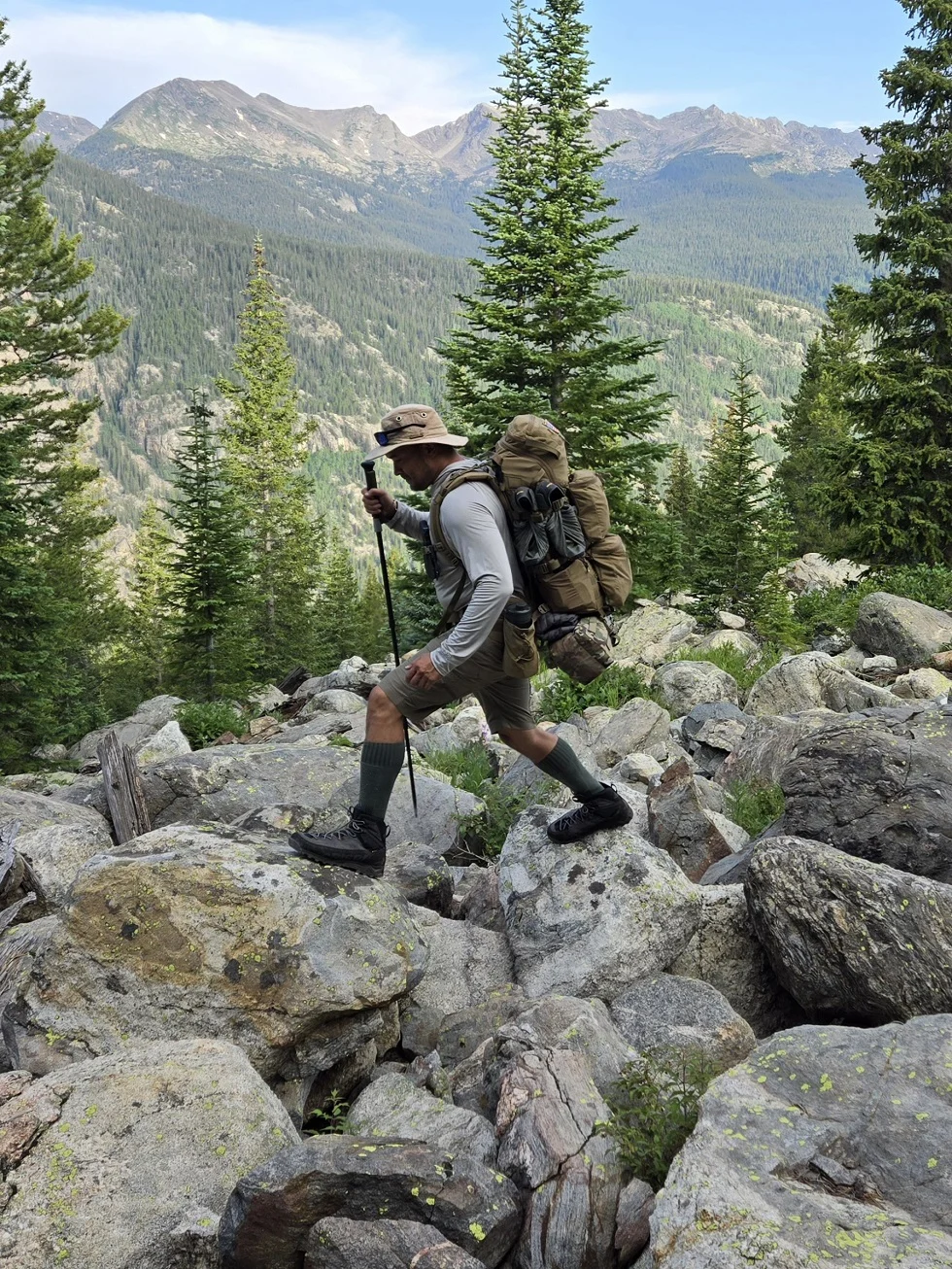
Most of us spend our time obsessed with gear. We scroll through forums, compare technical specifications, and debate the merits of a new backpack’s suspension system or the weight of a titanium stove. We treat the outdoors as a theater for our equipment, assuming that if we buy the right kit, the wilderness will grant us safe passage.
But for those who spend their lives leading others through rugged mountains, dense forests, and remote backcountry, the focus is rarely on the gear. It is on the people. Season after season, wilderness experts witness the same recurring human errors: the forgotten headlamp, the overloaded pack, and the dangerous, misplaced confidence that high-end equipment acts as a substitute for competence.
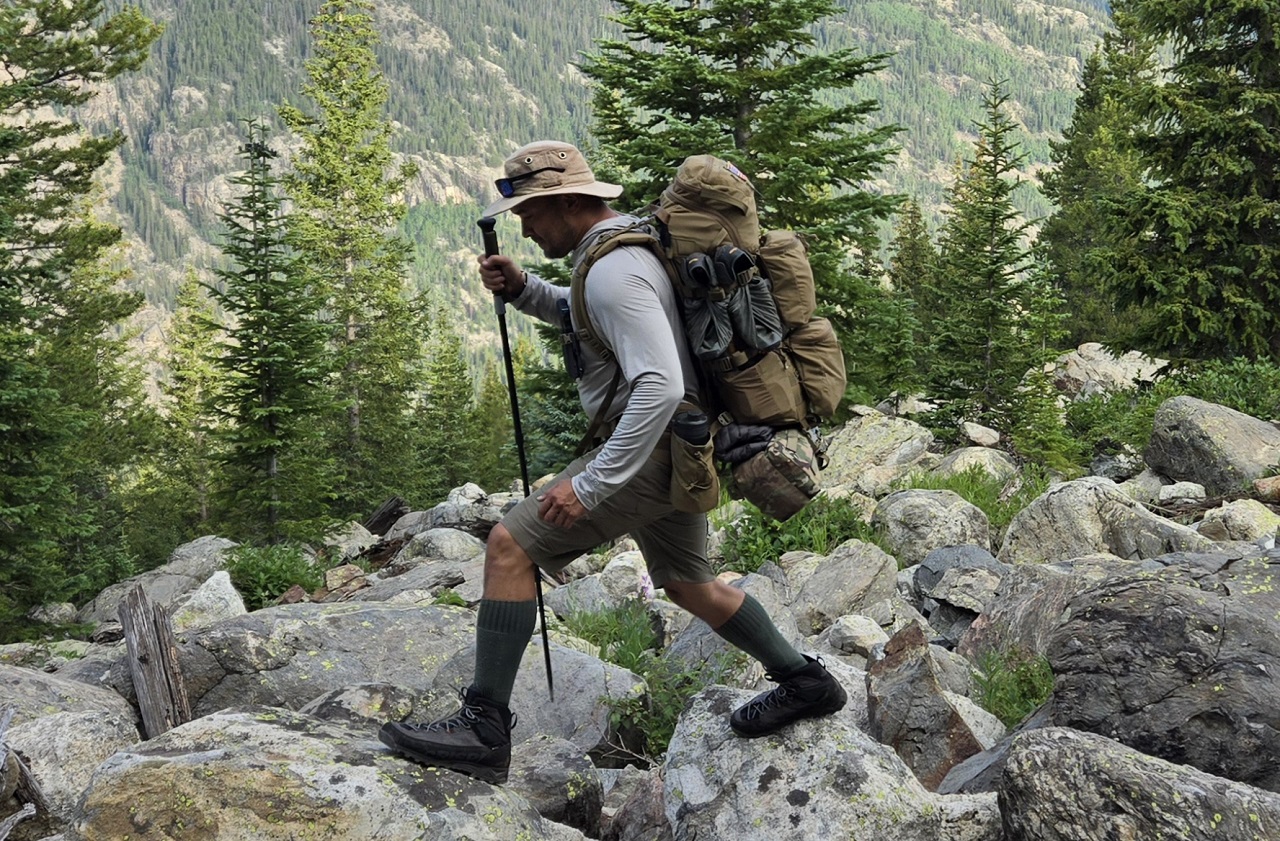
We spoke with three of the industry’s most respected voices—survival instructor Kevin Estela, mountain guide Ken Wylie, and safety researcher Ty Gagne—to understand what separates the truly prepared from those who are merely well-equipped. What we found had surprisingly little to do with what is inside your pack.
The Philosophy of Competence: A Conversation with Kevin Estela
Kevin Estela, a veteran survival educator, has watched thousands of students arrive at his courses with every imaginable piece of equipment. He notes that the common thread in his students isn’t the gear itself, but whether they understand what they are carrying and, more importantly, why.
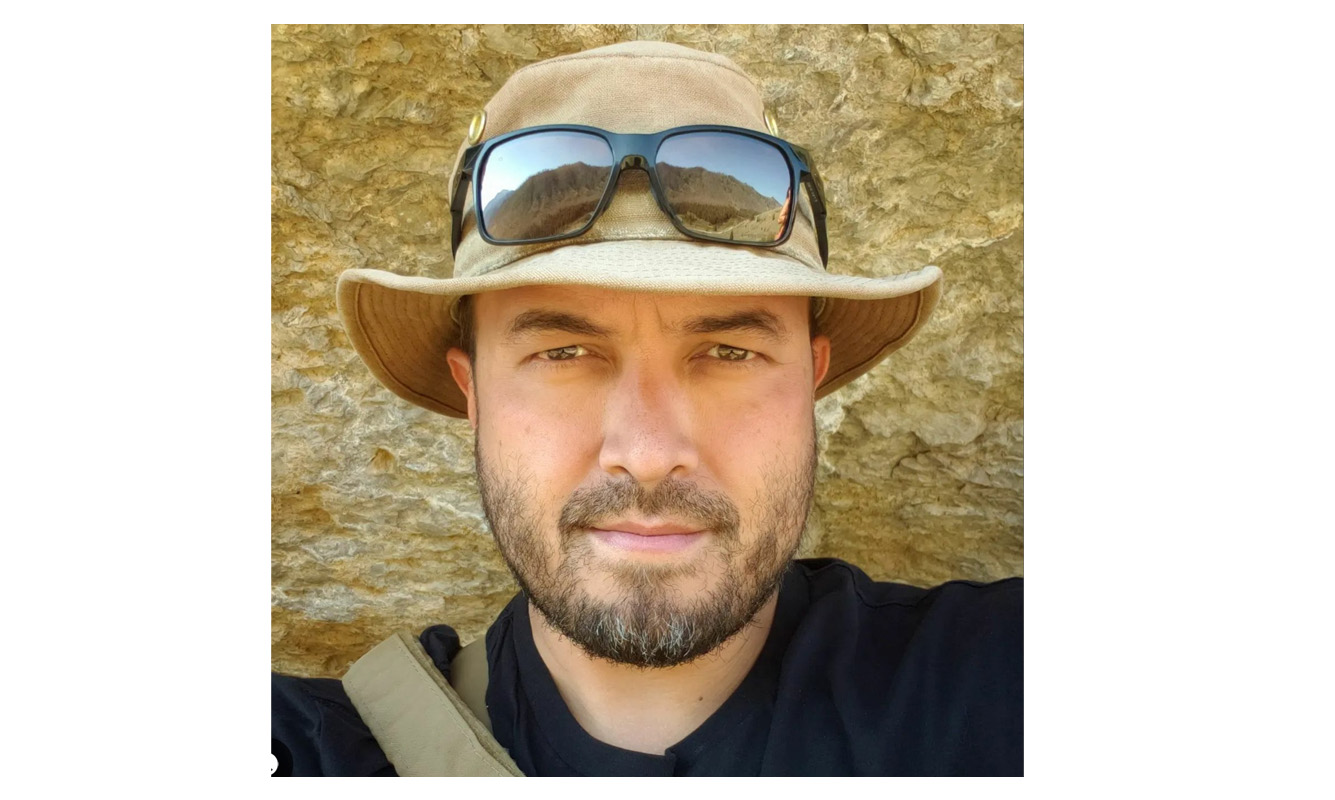
"Spend enough time teaching survival and you start recognizing mistakes before people have even shouldered their packs," Estela says. "Competence is king."
The Maintenance Gap
Estela points to a lack of basic maintenance as the primary cause of field failures. "People show up with brand-new boots they haven’t broken in, or they pull out a GPS unit that hasn’t been touched since last season, only to find the batteries have leaked or drained. Lack of maintenance causes problems all the time."
He also notes that many hikers fall into the trap of "gear-fetishism"—buying expensive, high-end tools that fail in the field. He cites the example of high-tech electronic lighters. "They work brilliantly in a controlled environment, but once moisture gets into the electronics, that $50 lighter is a paperweight. A $5 box of waterproof matches would have performed better."
The "Boring" Essentials
When asked what the most experienced people actually carry, Estela laughs. It’s not the latest tactical gadgetry. "A Swiss Army Knife and a lighter. If you have those, you’re already better prepared than most. It’s not about being tactical; it’s about having a tool that solves problems without attracting unnecessary attention."
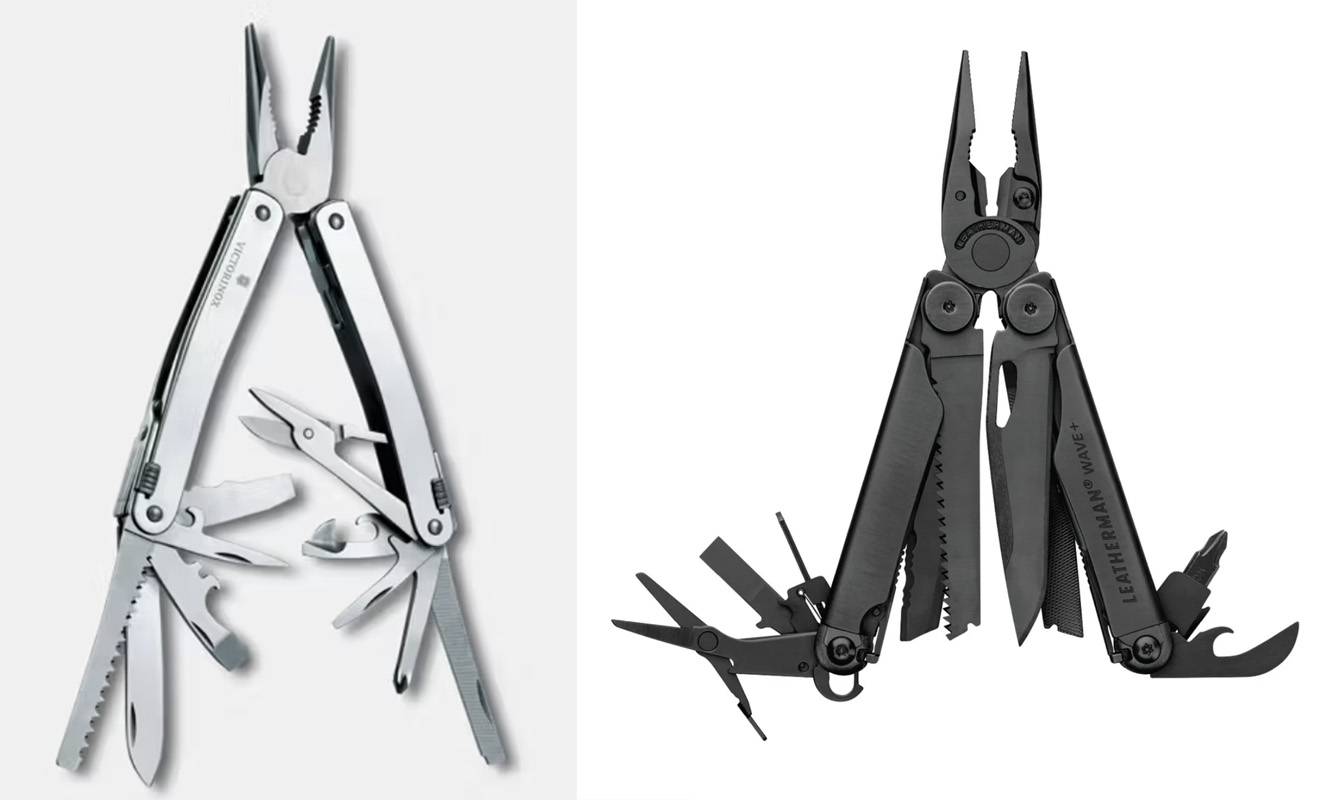
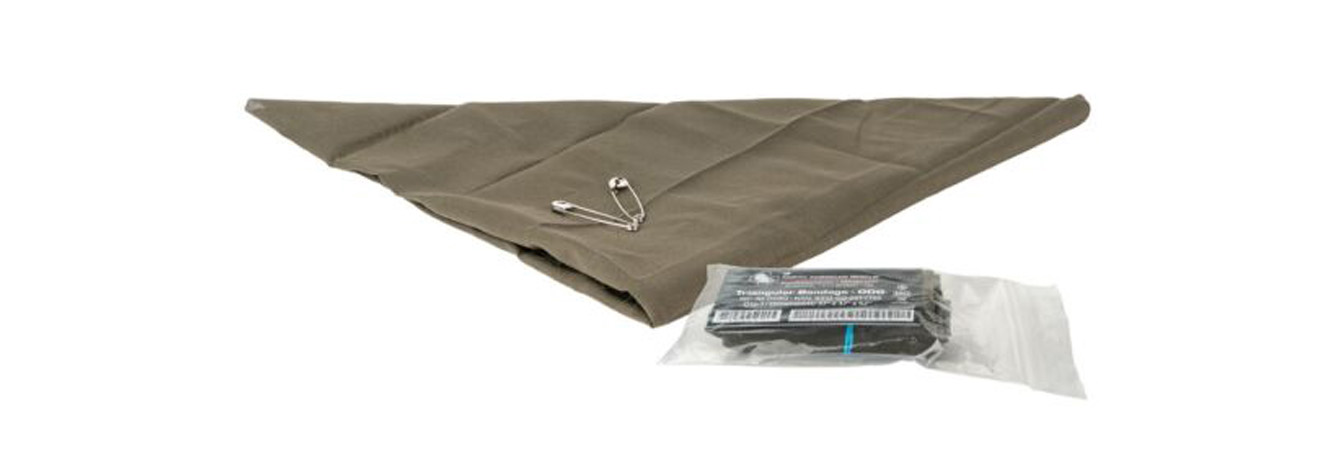
Estela also advocates for the humble bandana or triangular bandage. "It’s a flexible utility tool. You can use it to carry gear, protect your face, lift a hot pot, or handle first aid. My father has carried a handkerchief for eighty-seven years. It’s the ultimate piece of multi-functional gear."
The Psychology of Risk: Insights from Ken Wylie
Ken Wylie’s relationship with the outdoors was forever altered by a 2003 avalanche that nearly cost him his life. A veteran mountain guide and leadership coach, Wylie now focuses on the human side of risk—the invisible pressures that dictate how we make decisions in high-stakes environments.
The Danger of Technology
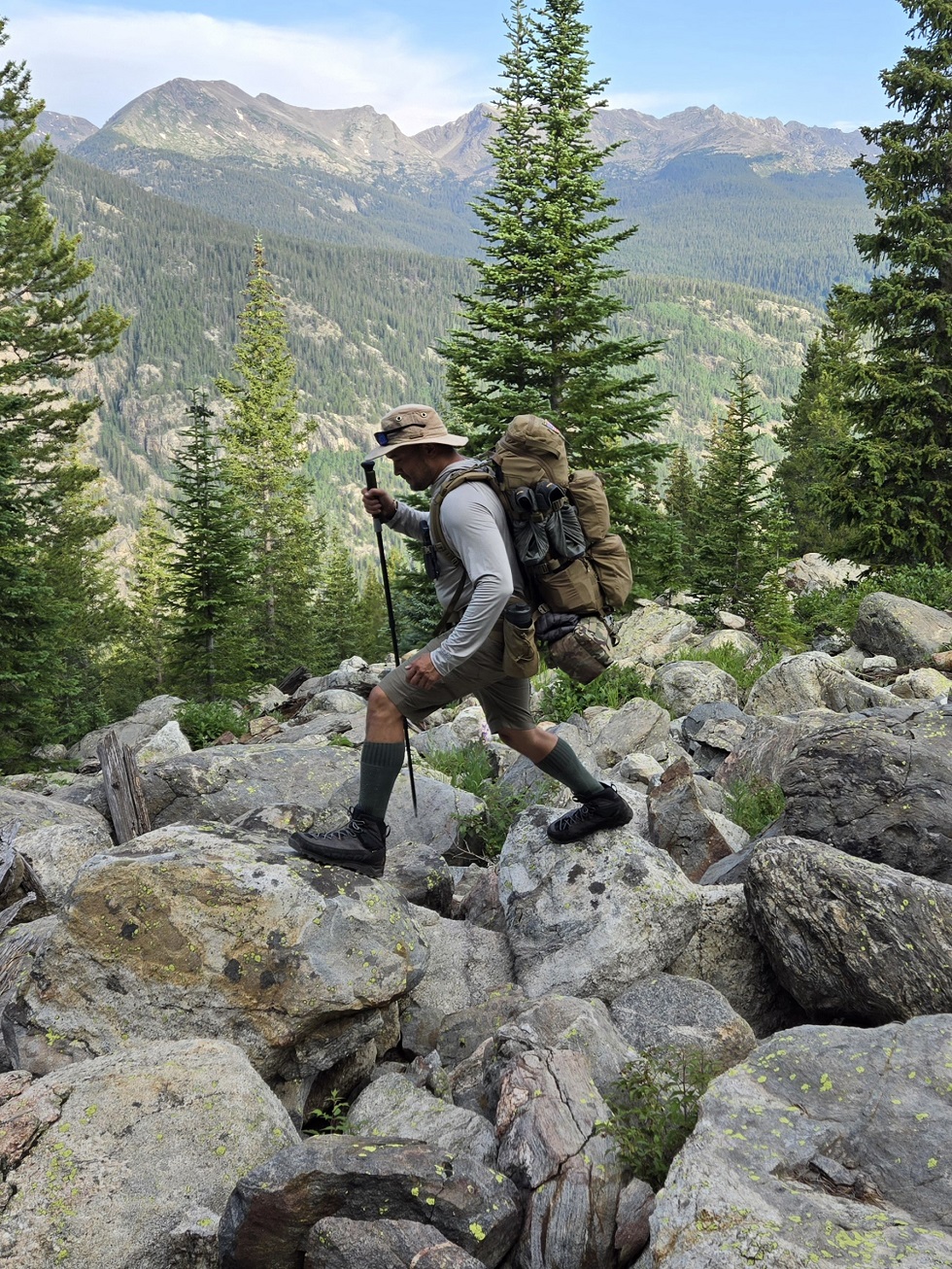
"Guides don’t just read terrain; after enough years, they start reading people too," Wylie explains. He argues that gear should expand human capability, not replace it. "The moment we start trusting the gear more than ourselves, we are in trouble. I’ve seen climbers with the best equipment in the world fail to solve a simple stove clog because they never learned how the device actually functions."
Wylie emphasizes that the worst gear decision is always using technology as a crutch for missing skills. "If you rely entirely on a GPS, you carry an extra fear: What if this stops working? When you develop the ability to navigate by the landscape, that fear vanishes."
The "Sweet Spot" of Courage
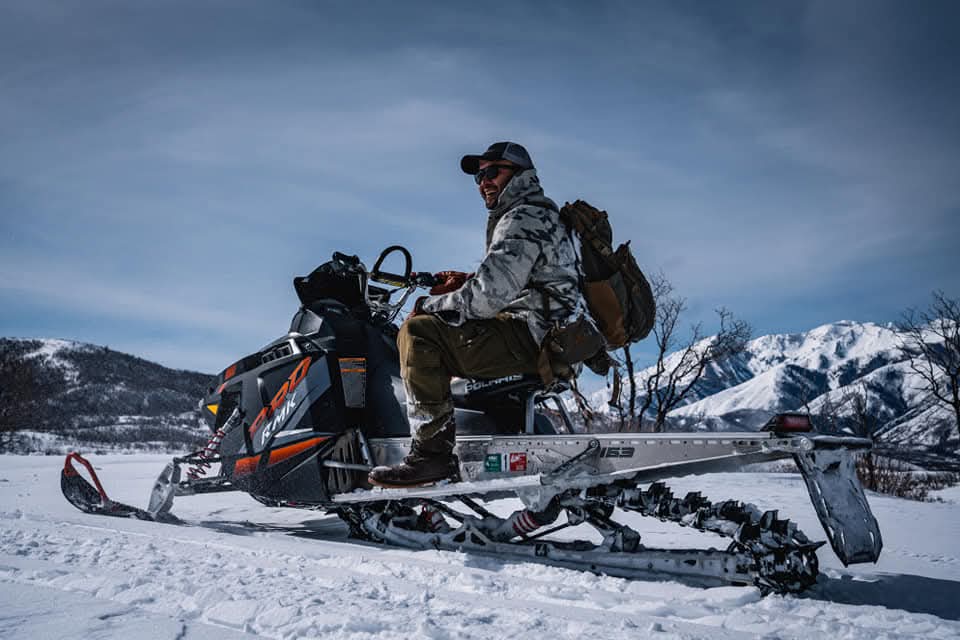
Wylie’s experience in the avalanche transformed his view of preparedness. "I wouldn’t be here today without my transceiver, probe, and shovel. But the equipment didn’t save me—my decision-making process was what led me into the danger zone in the first place."
He warns that modern explorers often mistake "courage" for "over-boldness." "You can be too courageous. The real work isn’t just buying the latest safety gear; it’s becoming the kind of person who makes rational, self-aware decisions when the adrenaline starts to spike."
Forensic Analysis: What the Data Says (Ty Gagne)
Ty Gagne, a mountain safety researcher and author, approaches the topic with a forensic lens. As the CEO of a public risk-management pool and a certified Wilderness First Responder, Gagne has studied hundreds of search-and-rescue (SAR) incidents to identify exactly where systems break down.
The Myth of Gear-Induced Safety
"The biggest misconception is that gear creates safety," Gagne states bluntly. "It doesn’t. Gear is one component of a system that includes knowledge, judgment, and situational awareness."
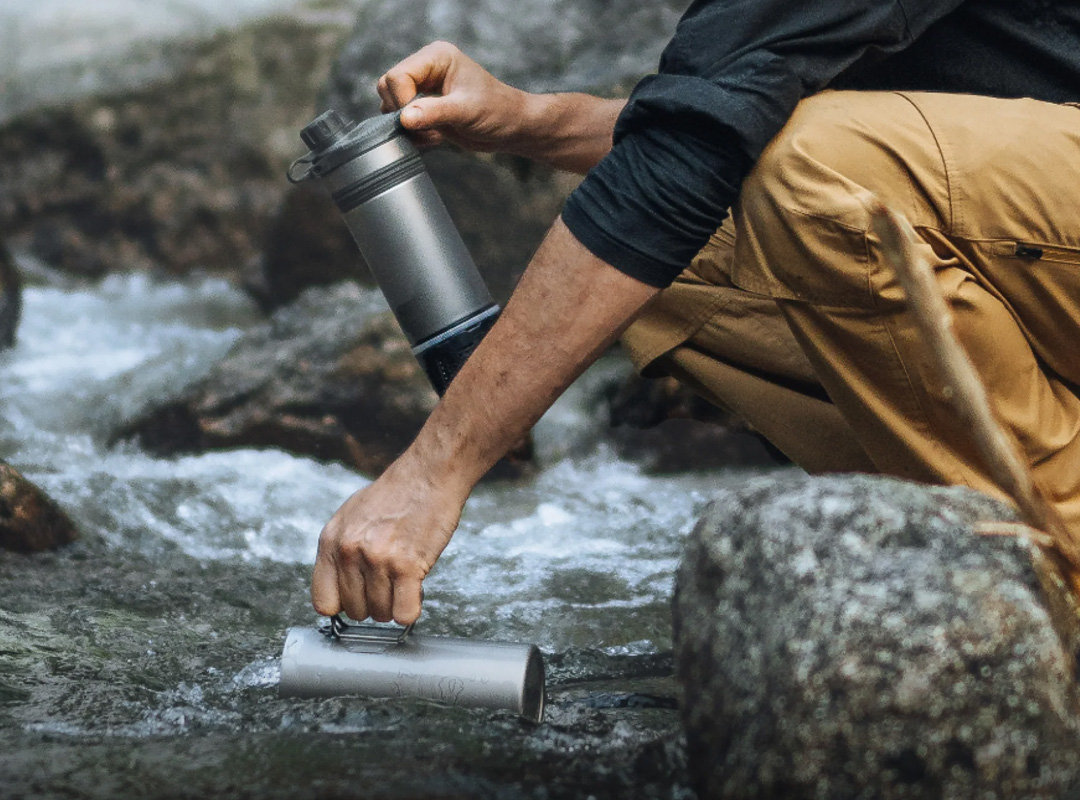
Gagne’s research into accident data reveals a startling statistic: True equipment failure accounts for only 1% to 3% of all backcountry incidents.
"The overwhelming majority of incidents are human factors," Gagne explains. "Exceeding physical ability, poor planning, inadequate nutrition, or navigational errors—these are the real killers. The gear is almost always fine; the failure is in how it was deployed."
The "Smart" Phone Trap
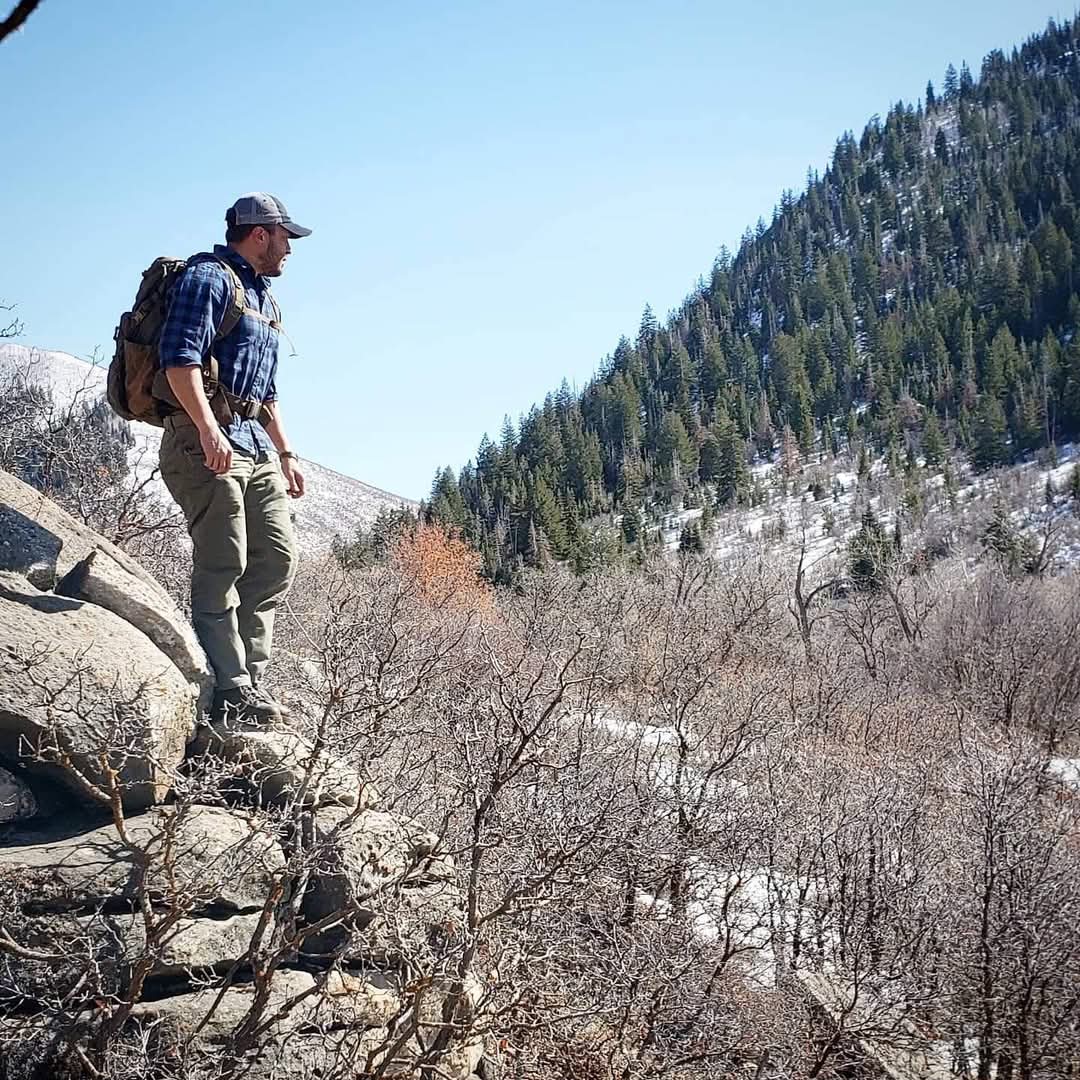
Gagne points to the smartphone as a double-edged sword. "We see so many SAR callouts in the White Mountains that begin with a dead phone battery. People use their phone for maps, communication, and lighting. When the battery dies, they lose their entire support system at once. Every convenience introduces another point of failure."
Synthesis: Putting It All Together
Chronology of Preparedness
The journey of the outdoorsman typically follows a predictable arc:
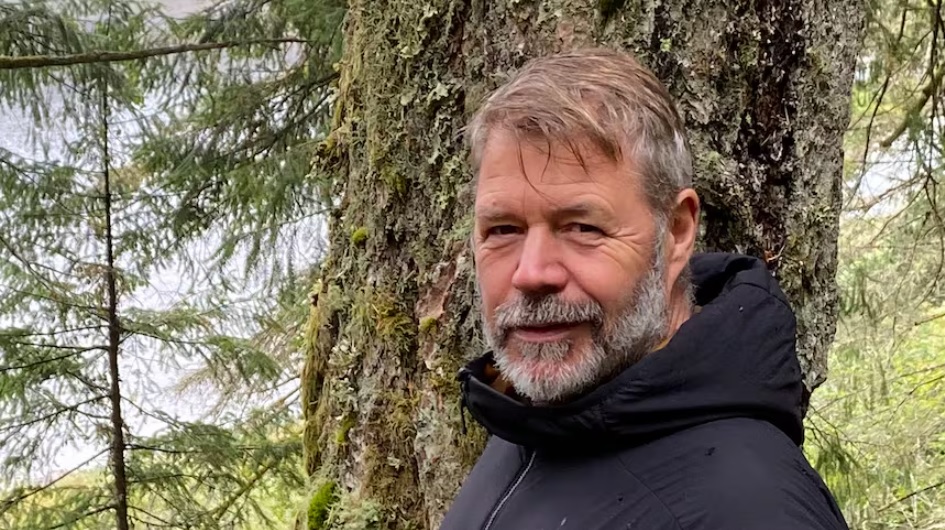
- The Novice Phase: Over-reliance on checklists, buying everything "just in case," and focusing on aesthetics over function.
- The Tech-Heavy Phase: An obsession with ultralight gear and high-tech solutions, often at the expense of developing foundational survival skills.
- The Mastery Phase: A return to simplicity. Experienced users begin to value reliability, repairability, and the "student’s mindset."
Key Implications for the Backcountry
The consensus among these experts is clear: you cannot buy your way out of a bad decision. While modern gear is objectively better than the equipment available even a decade ago, our reliance on it has made us more fragile in the face of unexpected change.
- Test Under Pressure: If you haven’t used a piece of gear in the rain, wind, or cold, you don’t actually own it—you’re just storing it.
- System Redundancy: Always have a analog backup for your digital tools. If your GPS fails, do you have a map and compass? If your headlamp dies, do you have a spare light source?
- The "Why" vs. The "What": Instead of asking "What gear do I need for this trip?" ask "What challenges will this trip present, and how will I solve them?"
Conclusion: The Ultimate Tool
After decades of guiding, teaching, and researching, the takeaway is not that gear is unimportant. It is that gear is secondary to the human engine.
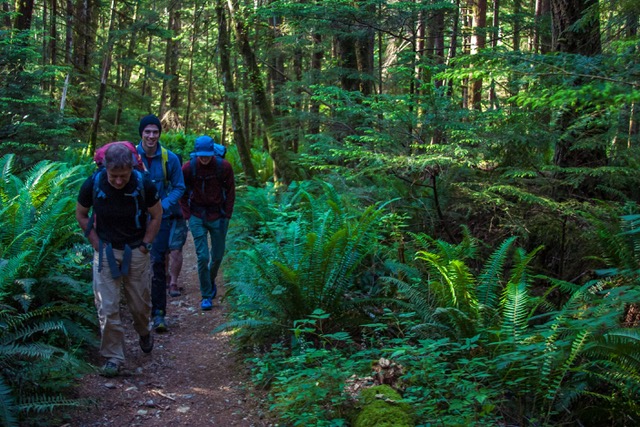
A high-end sleeping bag can keep you warm, but it cannot decide when to turn back when a storm front moves in. A top-tier GPS can show you the trail, but it cannot help you stay calm when you realize you are lost.
"The most valuable thing you carry into the wilderness isn’t found in your pack," Gagne concludes. "It’s the judgment, experience, and curiosity you bring with it."
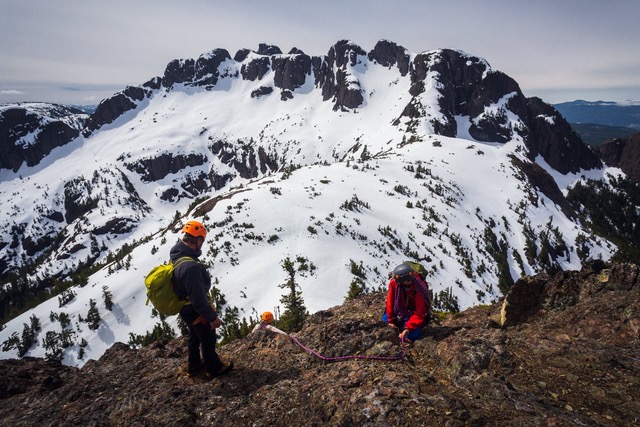
As you prepare for your next adventure, by all means, check your gear list. Ensure your boots are broken in, your batteries are fresh, and your layers are appropriate for the forecast. But once that is done, spend an equal amount of time sharpening your mind. The wilderness is not a place to test your gear; it is a place to test yourself. The equipment is merely the support cast; you are the lead actor. Act accordingly.
 Asep Darmawan
  Layla Zulfa
  Iffa Jayyana