

As the latest issue of Adventure Journal (AJ 42) arrives, it brings with it a curated selection of literature that challenges our traditional notions of wilderness, stewardship, and history. Moving beyond the standard tropes of outdoor adventure, this collection of six books invites readers to engage with the natural world through lenses of sociology, environmental science, indigenous history, and personal memoir.
Whether navigating the murky, carbon-rich depths of the world’s peatlands or examining the shifting cultural legacy of Yosemite, these works collectively argue for a more nuanced, inclusive, and profound relationship with the planet.
Main Facts: A Diverse Literary Portfolio
The books selected for AJ 42 span a vast intellectual territory. They are not merely stories of survival; they are examinations of the human condition in relation to the environment.
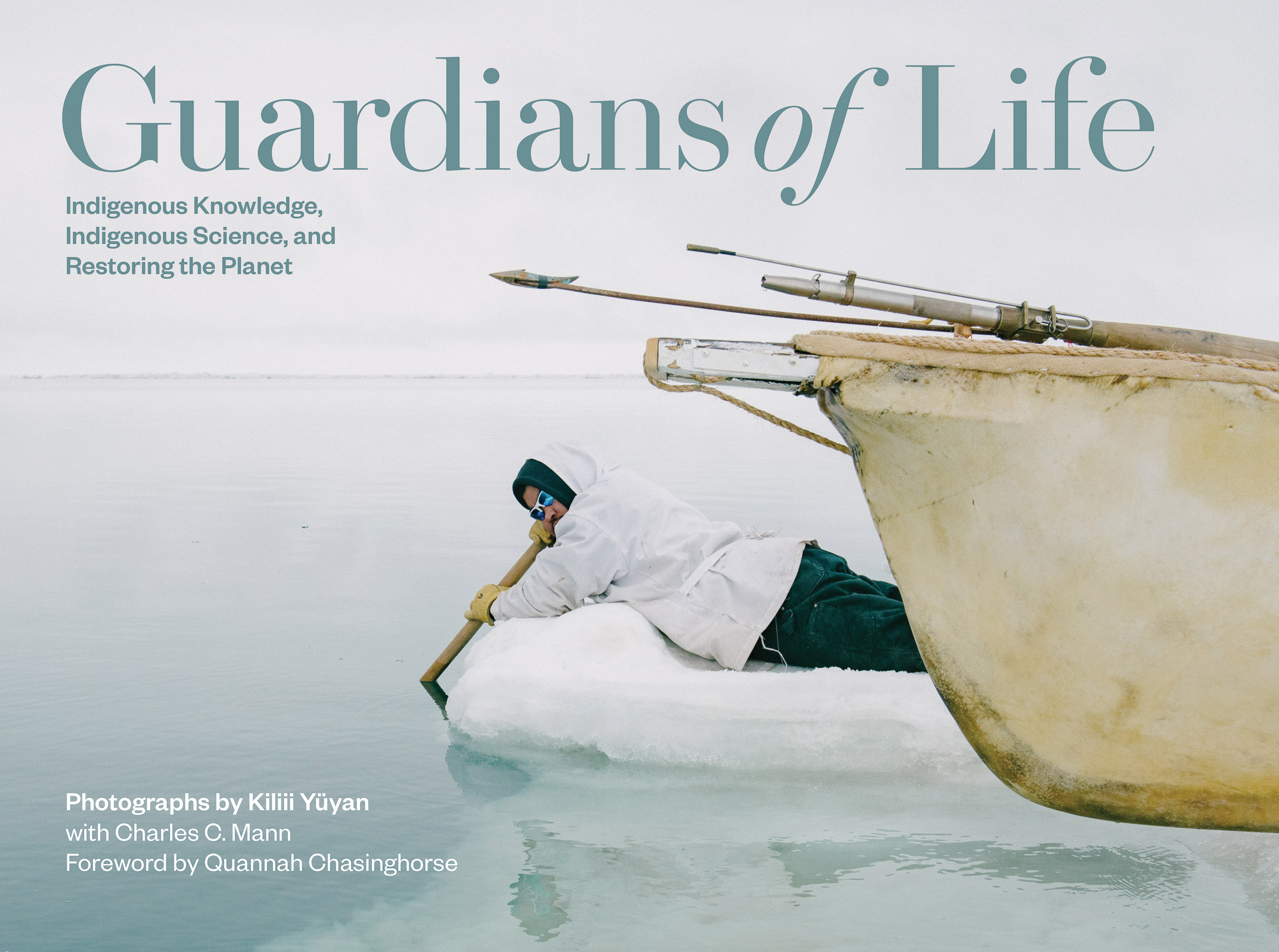
- Guardians of Life (Kiliii Yüyan): A photographic and narrative investigation into Indigenous environmental stewardship.
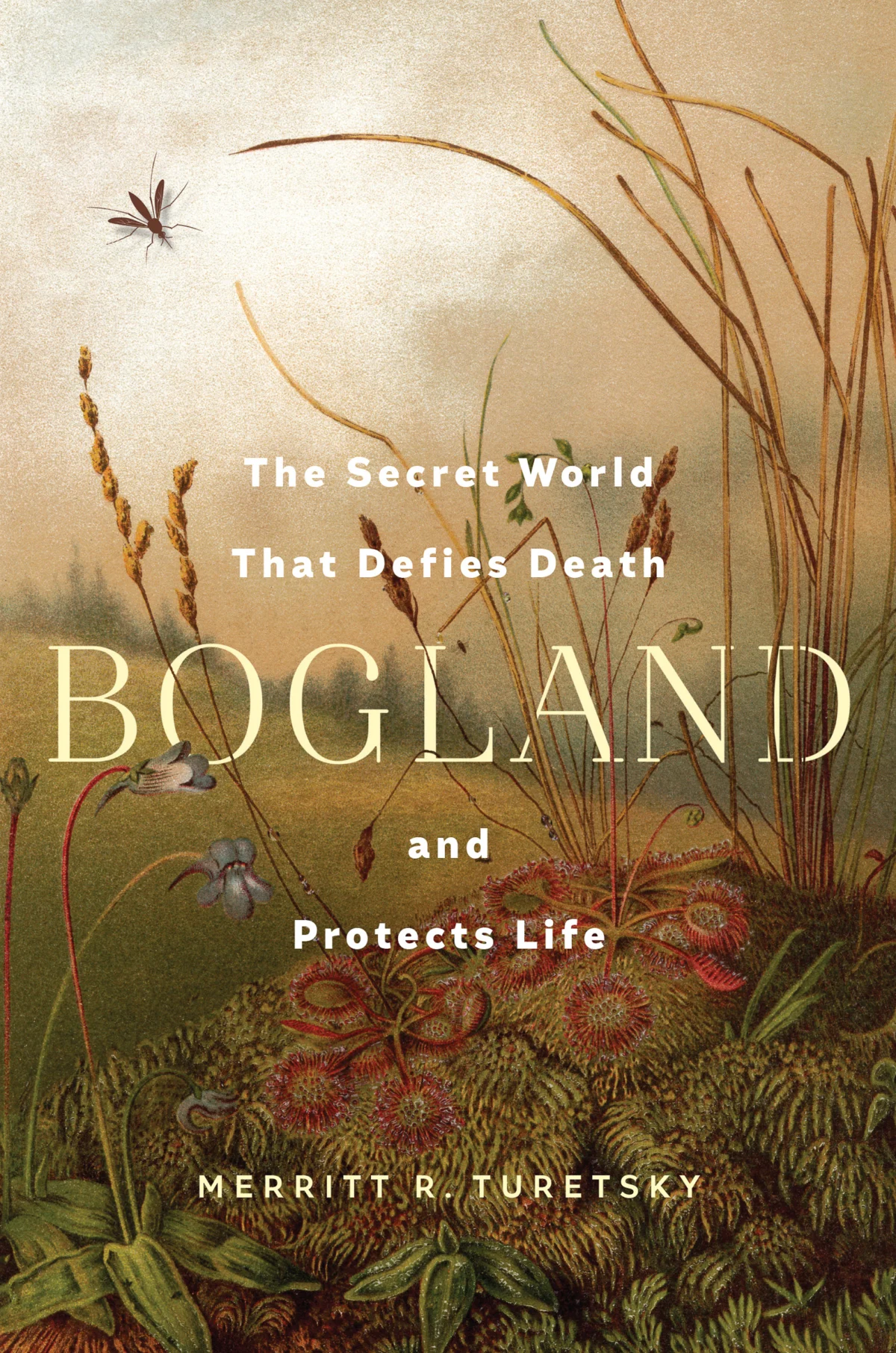
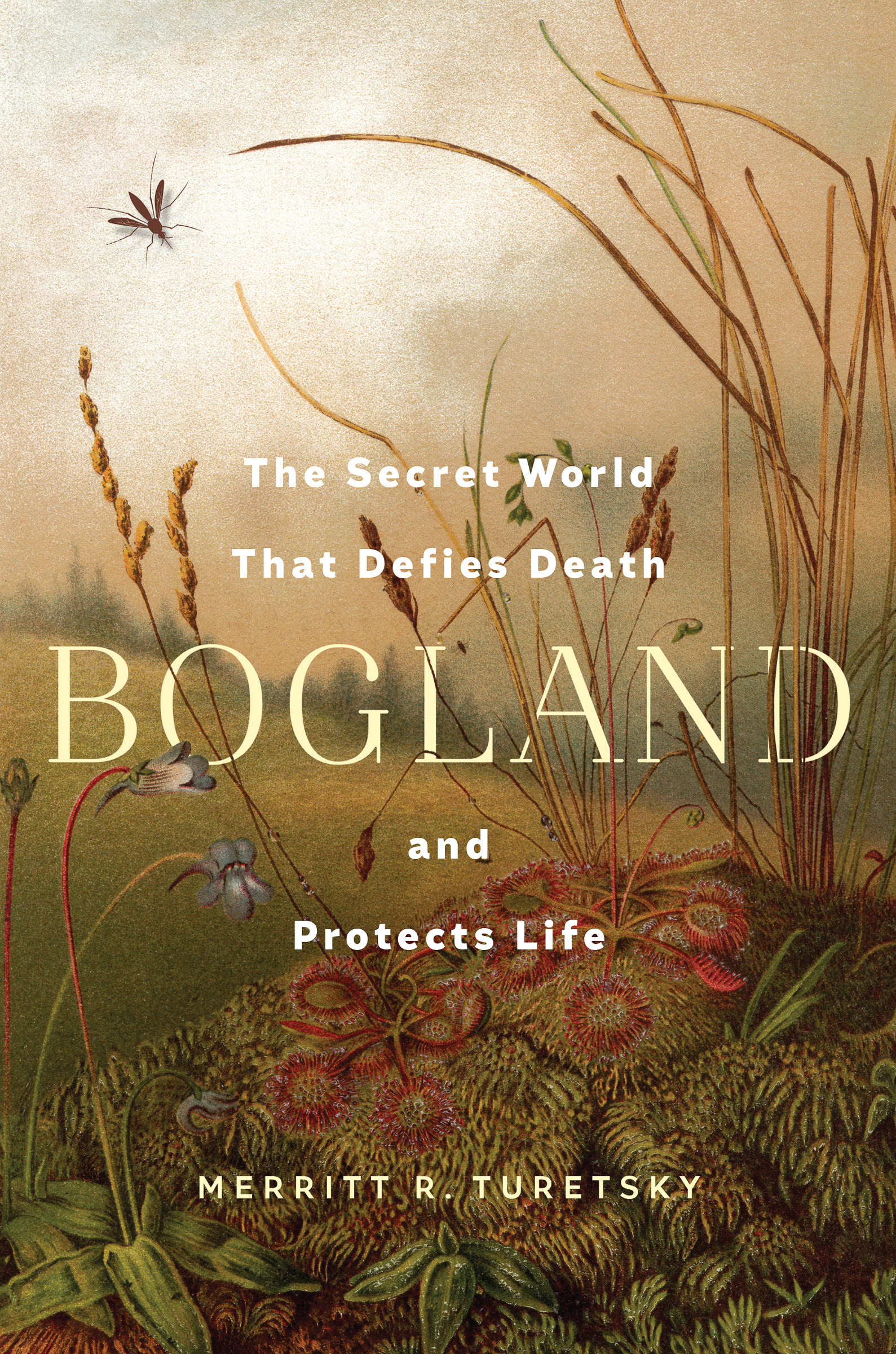
- Bogland (Merritt R. Turetsky): A scientific and humanizing look at the vital importance of wetlands.
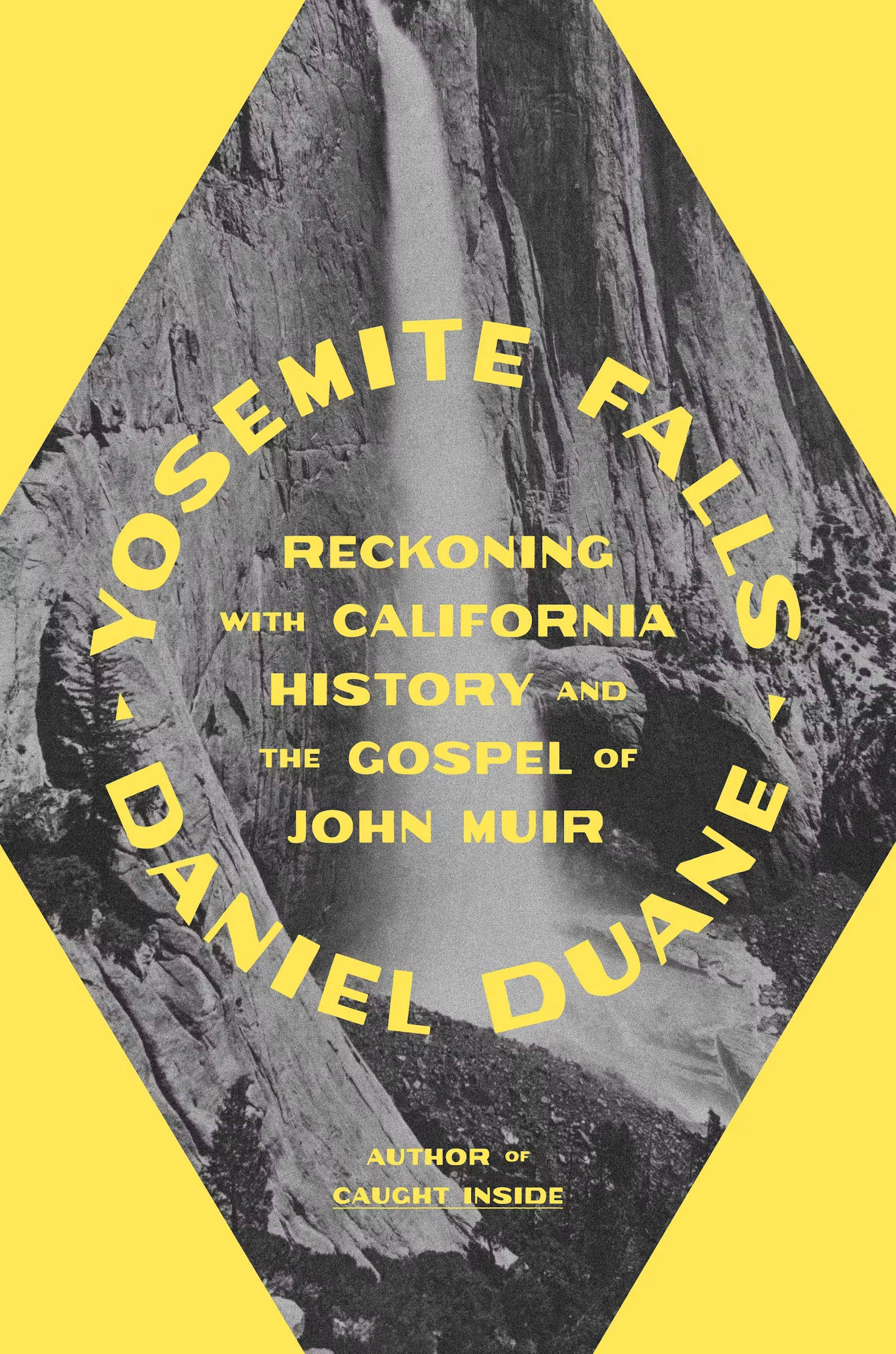
- Yosemite Falls (Daniel Duane): A memoir that deconstructs the iconic status of Yosemite while honoring its beauty.
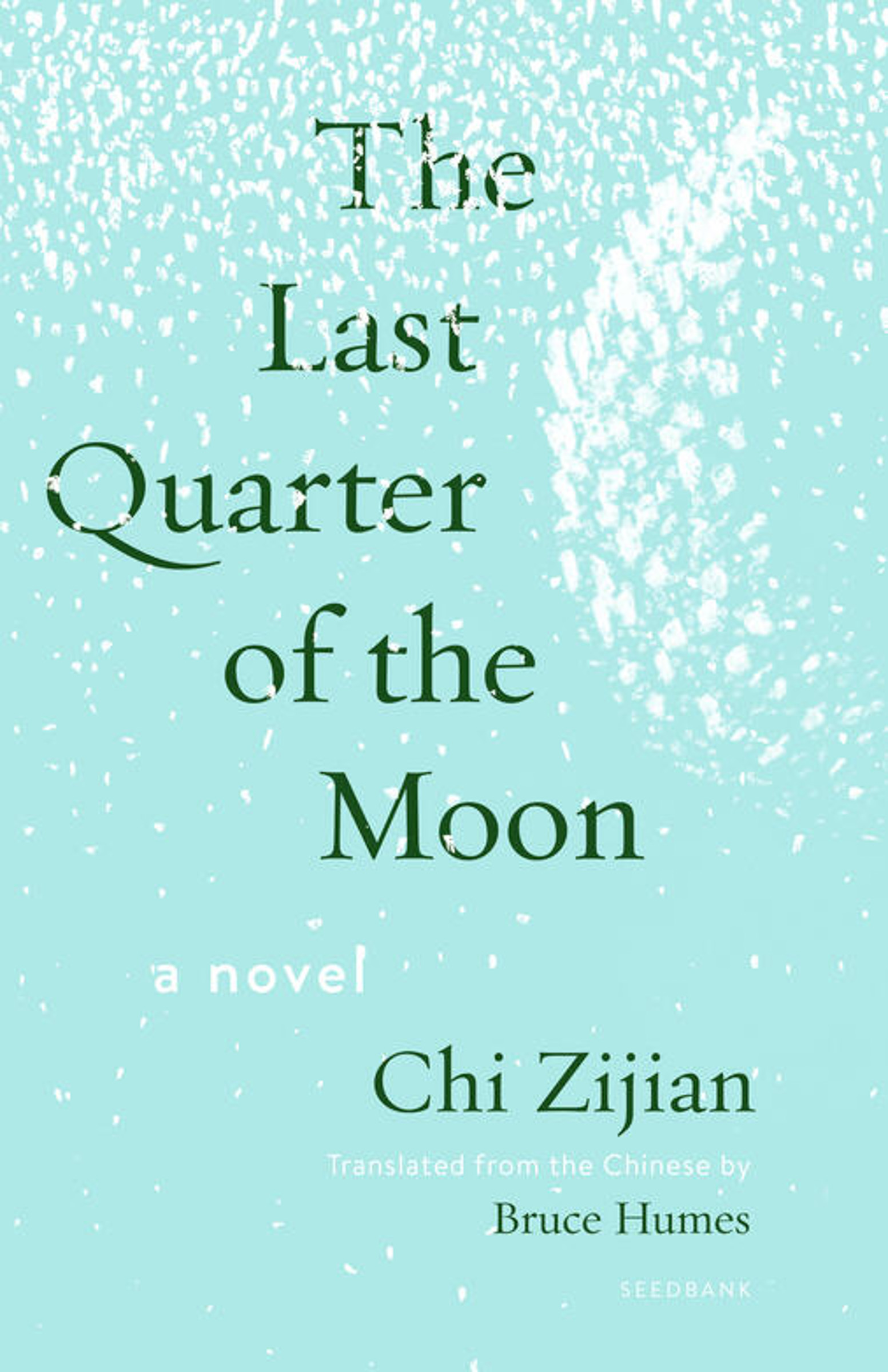
- The Last Quarter of the Moon (Chi Zijian): An elegiac novel chronicling the transition of the Evenki people.
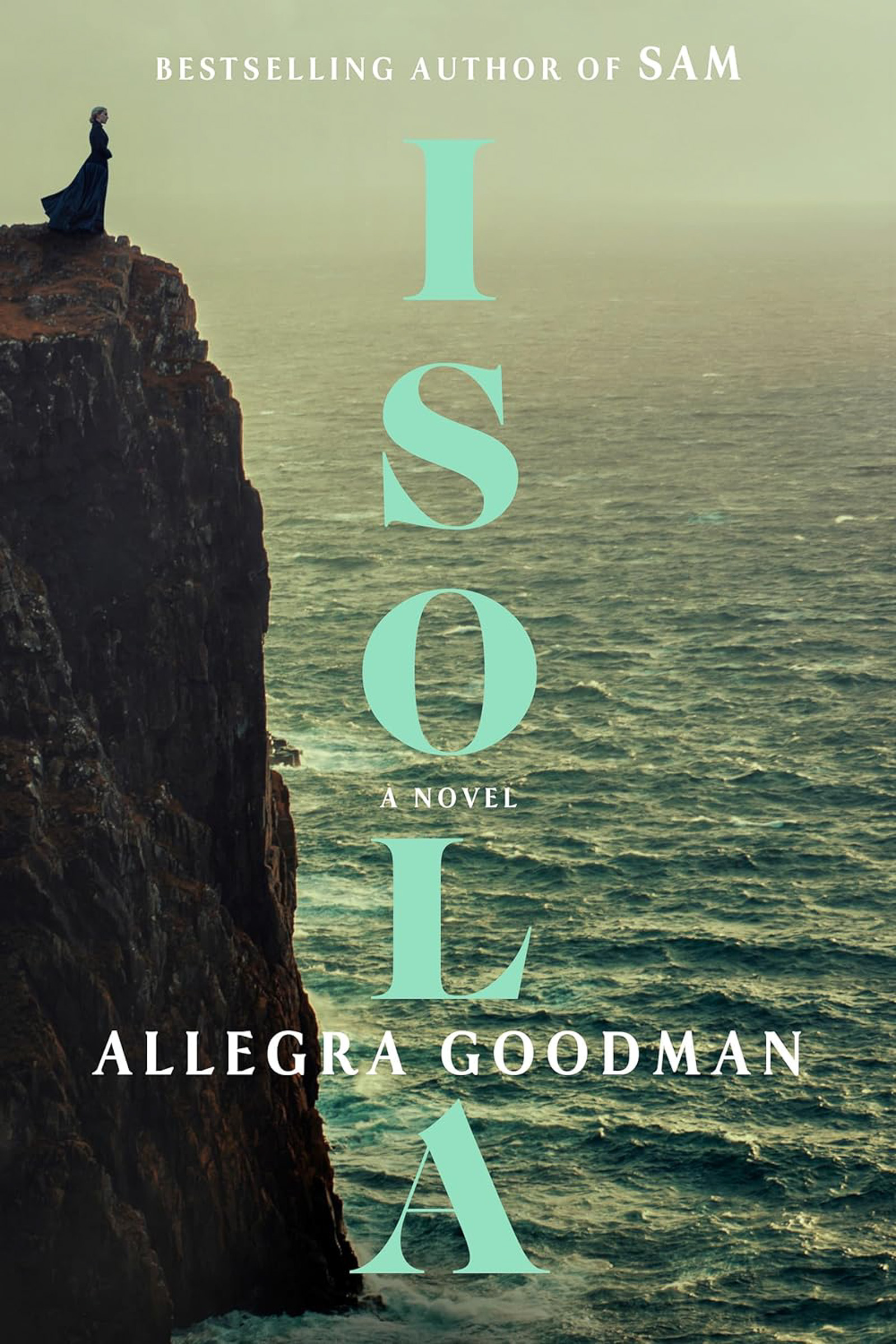
- Isola (Allegra Goodman): A historical narrative based on the harrowing true story of a 16th-century castaway.
- In Trees (Robert Moor): A philosophical and biological exploration of the world through the metaphor of tree growth.
Chronology of Human-Nature Interaction
To understand the scope of these works, one must look at the timeline of the human experiences they describe, which stretches from the 16th century to the present day.
- 1500s: The setting of Isola, a brutal era of colonization where social constraints and survival instincts collide on the islands of the Gulf of Saint Lawrence.
- 1977: A pivotal year in Guardians of Life, marking the ban of Iñupiat bowhead whale hunting—a turning point that led to a successful legal and ecological battle for sovereignty.
- 19th–20th Century: The historical backdrop of Yosemite Falls and The Last Quarter of the Moon, where the industrialization of nature and the displacement of indigenous populations are central themes.
- Present Day: The era of Bogland and In Trees, where climate change and modern scientific research force us to re-evaluate our role in the biosphere.
Supporting Data: The Case for Stewardship and Preservation
Each book provides compelling, often sobering data that underscores the urgency of their respective subjects.
The Power of Indigenous Land Management
In Guardians of Life, Kiliii Yüyan presents striking statistics: Indigenous territories currently encompass 37% of the world’s remaining natural lands. Perhaps more significantly, these areas contain roughly 80% of Earth’s biodiversity. The success of the Iñupiat in tripling the bowhead whale population after gaining management rights serves as a primary case study for the efficacy of traditional ecological knowledge.
The Carbon Sink Paradox
Merritt R. Turetsky’s Bogland highlights the hidden value of peatlands. Despite being frequently maligned as "wasteland," these areas cover only 3% of the planet’s surface yet hold an astounding 30% of global soil carbon. The data is clear: the preservation of these wetlands is not just an aesthetic or recreational choice—it is a critical front in the battle against climate change.
The Reckoning: Official and Cultural Responses
The literature featured in AJ 42 does not shy away from the darker facets of history. These authors act as mediators between the romanticized past and the complicated present.
Yosemite: Beyond the Postcard
Daniel Duane’s Yosemite Falls represents a significant shift in outdoor literature. Rather than offering a hagiography of the park’s early conservationists, Duane engages in a "reckoning." He acknowledges the dispossession of Indigenous peoples and the flawed nature of the "great men" who shaped the park. This reflects a growing trend in the outdoor community: the transition from viewing public lands as pristine, untouched shrines to recognizing them as sites of complex human history.
The Elegy of the Evenki
Chi Zijian’s The Last Quarter of the Moon serves as a cultural response to modernization. By documenting the final days of the Evenki reindeer herders as they are moved into government settlements, the book provides a raw, unflinching look at the cost of "progress." The author’s choice to tell the story from the perspective of an elderly woman who refuses to leave her ancestral way of life highlights the friction between state-mandated assimilation and cultural preservation.
Implications for the Future of Conservation
The common thread linking these six titles is the move toward a more integrated definition of "nature."
From Stewardship to Integration
The implications of Yüyan’s work are profound: environmental policy must move away from top-down management and toward a partnership with Indigenous peoples. The survival of global biodiversity may depend on our ability to relinquish control and trust the expertise of those who have maintained these landscapes for millennia.
Rethinking Our Biological Lens
Robert Moor’s In Trees suggests that our future understanding of the world might benefit from a change in perspective. By adopting "treethinking"—a slow, deep-rooted, and branching approach—Moor argues that we can better grasp the interconnectedness of evolution, race, and history. While the metaphor may at times be stretched to its limits, the core implication remains: our current, fast-paced, anthropocentric view of the world is insufficient for solving the complex crises we face.
The Persistence of the Human Spirit
Isola reminds us that history is often stranger and more harrowing than fiction. By grounding a story of extreme survival in the historical realities of the 16th century, Allegra Goodman critiques the rigid class and gender structures of the past. It serves as a reminder that the "adventure" in nature is often a byproduct of the societal systems we impose upon it.
Conclusion: A New Standard for Adventure Writing
The books featured in AJ 42 signify a maturation of the outdoor genre. We are moving beyond the "conquer the mountain" narrative toward a literature of inquiry, responsibility, and humility.
Whether it is through the lens of a camera capturing the intimate connection between the Iñupiat and the sea, or the scientific investigation of the carbon trapped beneath a bog, these authors are asking us to slow down. They are asking us to look at the "sneered-at" places, the erased histories, and the slow, branching wisdom of the forest.
For the modern reader, these books offer more than just a diversion; they offer a roadmap for how to inhabit the earth with greater awareness and integrity. As the pages of Adventure Journal continue to highlight these voices, it becomes clear that the most important adventures are no longer those that take us away from the world, but those that bring us closer to its fundamental truths.
As we look toward the future, the integration of these perspectives—Indigenous sovereignty, ecological preservation, and a critical view of our own history—will be the defining challenge of our time. In the meantime, these six books offer the necessary intellectual fuel for the journey ahead.
 Nana Muazin
  Azzam Bilal Chamdy
  Siti Muinah