

Main Facts
The luxury hospitality landscape in the Eternal City has expanded once again, with Hyatt’s lifestyle-forward brand making its heavily anticipated Italian debut. The newly unveiled Thompson Rome officially opened its doors, marking the brand’s first-ever venture into Italy. Situated in a meticulously refurbished 1940s landmark building, the 69-room property sits proudly on Via delle Botteghe Oscure, just a stone’s throw from Piazza Venezia and a mere 10-minute walk from the historic Pantheon.
Marrying post-war architectural heritage with contemporary luxury, Thompson Rome offers an intimate yet sophisticated urban sanctuary. The property features 49 rooms and 20 expansive suites, a trio of distinct culinary venues anchored by a Michelin-pedigreed chef, and a curated art collection that bridges mid-century Italian movements with modern aesthetics. Designed to capture the effortless style and vibrant culture of modern Romans, the hotel aims to function equally as a stylish haven for international travelers and a vibrant social hub for locals.
Chronology: From Post-War Landmark to Modern Sanctuary
The journey of the building housing Thompson Rome spans decades of architectural and cultural evolution, culminating in a delicate restoration project that preserves the past while looking firmly toward the future.

- The 1940s: The original landmark building is constructed during a period of significant architectural transition in Rome, eventually becoming a notable post-war structure in the historic heart of the city near the ancient Crypta Balbi.
- The Acquisition and Vision: Hyatt Hotels Corporation identifies the prime real estate on Via delle Botteghe Oscure as the ideal canvas for the brand’s Italian debut, setting a design mandate that honors the building’s mid-century origins.
- The Renovation Phase: During extensive interior overhauls, preservationists unearth hidden historical treasures, including a massive original marble staircase, alongside a striking sculptural wall and inlaid floor crafted by celebrated Italian creative Gio Pomodoro.
- Artistic Curation: Designers integrate historic pieces with works from 20th-century movements—specifically the Scuola Romana and the Scuola di Piazza del Popolo—drawing conceptual inspiration from the rich artistic history of the surrounding neighborhood.
- Opening Day: Thompson Rome officially swings open its heavy glass-and-metal doors, welcoming its first wave of global guests and introducing a dynamic new culinary and social destination to the Roman hotel scene.
Supporting Data: By the Numbers
To fully understand the scale, positioning, and offerings of Hyatt’s newest European flagship, a look at the property’s specifications reveals a boutique approach focused on exclusivity and design pedigree:
- Total Keys: 69 meticulously designed guest rooms and suites.
- Suite Count: 20 dedicated suites, catering to luxury travelers seeking extra space and private outdoor areas.
- Flagship Accommodation: The sprawling Thompson Suite, measuring in excess of 1,000 square feet.
- Location Coordinates: Positioned on Via delle Botteghe Oscure, adjacent to Piazza Venezia.
- Proximity to Landmarks: A 10-minute stroll to the Pantheon and situated directly next door to the culturally rich Crypta Balbi museum district.
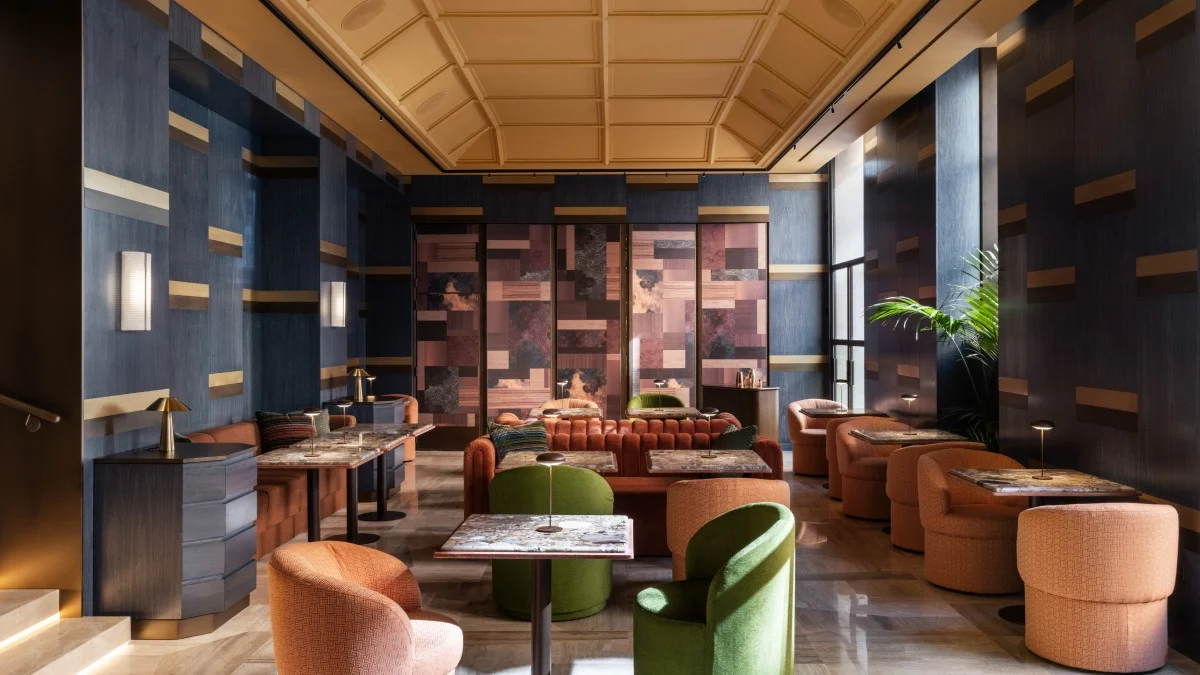
- Culinary Portfolio: Three distinct concepts, including the Lobby Lounge, Lyve Restaurant, and the Lyve Rooftop.
- Culinary Leadership: Headed by Chef Fabio Fioravanti, formerly of the legendary three-Michelin-starred Le Louis XV – Alain Ducasse in Paris.
Official Responses
The launch of Thompson Rome represents a major strategic milestone for Hyatt’s Lifestyle Group, which sought to create a property with a deep sense of place rather than a cookie-cutter luxury experience.
Amar Lalvani, Chief Creative Officer of Hyatt Hotels Corporation and president and creative director of Hyatt’s Lifestyle Group, emphasized the localized design philosophy in a press statement released at the opening.

"Rome has such a strong identity, so we wanted Thompson Rome to start with the city itself," Lalvani stated. "The building, the neighborhood, the food, the people, and the way Romans live all shaped the hotel. The goal was to create a Thompson that feels at home in Rome, a hotel travelers want to discover and Romans want to come back to."
This sentiment is reflected in every corner of the property, from the preservation of Gio Pomodoro’s structural artistry to the conscious choice to collaborate with local culinary and artistic talents. By leaning into the neighborhood’s historic identity as a magnet for scholars, artists, and international travelers, the leadership team successfully bridged the gap between historical reverence and contemporary hospitality demands.
Implications: The Evolution of Rome’s Luxury Hospitality Market
The arrival of Thompson Rome is more than just a brand milestone for Hyatt; it is a clear indicator of how the luxury hotel market in the Eternal City is evolving to meet the demands of modern, design-conscious travelers.

A Shift Toward Neighborhood-Centric Luxury
For decades, ultra-luxury accommodation in Rome was heavily concentrated around classic, monumental addresses like the Spanish Steps or Via Veneto. The opening of properties like Thompson Rome—situated in the historic heart near Piazza Venezia and the ancient Jewish Ghetto—highlights a decentralization of luxury. Travelers are increasingly seeking out neighborhoods that offer a more authentic, walkable, and locally integrated experience, moving away from tourist bubbles and toward areas where daily Roman life unfolds.
The Rise of Design-Forward, Mid-Century Modernism
While Rome is globally synonymous with antiquity and the Renaissance, the mid-20th century represents an equally vital, yet historically under-celebrated, layer of the city’s architectural identity. By centering its design around a 1940s landmark and incorporating post-century artists from the Scuola Romana, Thompson Rome establishes a fresh aesthetic precedent. It proves that luxury in Rome does not always have to mean gilded Baroque or neo-classical flourishes; it can be sleek, modernist, textural, and deeply connected to the post-war era.
Elevating the Local Social Scene
Perhaps the most significant implication of the new hotel is its deliberate ambition to attract Romans, not just international tourists. By bringing in culinary heavyweights like Chef Fabio Fioravanti—whose pedigree includes working under Alain Ducasse—and offering a dynamic rooftop and lounge circuit, the hotel positions itself as a natural gathering place for the city’s cultural elite. In a competitive market where new boutique properties frequently pop up, the true metric of success for a hotel like Thompson Rome will be its ability to become a permanent fixture in the social fabric of the city it calls home.
 Azzam Bilal Chamdy
 Evan Lee Salim
 Nana
