

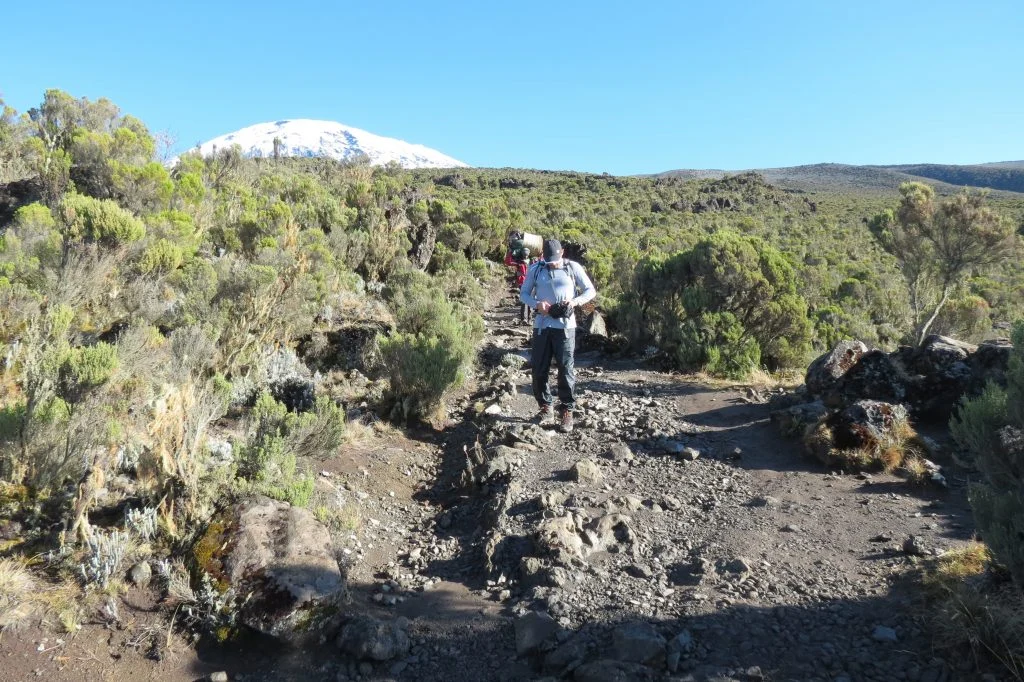
Mount Kilimanjaro, the "Roof of Africa," stands as a beacon for adventurers, mountaineers, and nature enthusiasts across the globe. Rising 5,895 meters above the plains of Tanzania, this dormant volcano is not merely a mountain; it is a profound journey through diverse ecological zones. Among the various paths to the summit, the Lemosho Route has emerged as the preferred choice for those seeking a blend of pristine wilderness, minimal congestion, and a superior probability of reaching the iconic Uhuru Peak.
Managed by expert local outfitters like Kilimanjaro Tanzanite Safaris, the Lemosho route is increasingly celebrated as the pinnacle of ecotourism in East Africa. By balancing physical challenge with environmental stewardship, this trail offers a transformative experience that lingers long after the descent.
The Lemosho Advantage: Why Choose This Path?
In the world of high-altitude trekking, success is often dictated by preparation and pace. While shorter, more aggressive routes exist, the Lemosho route distinguishes itself through its gentle, gradual ascent.
Low Traffic, High Rewards
One of the primary frustrations for climbers on popular routes like Marangu or Machame is the "bottleneck" effect. Lemosho, by contrast, starts on the western side of the mountain, approaching through the lush Londorosi forest. Because it is a longer, more remote trail, it sees significantly less foot traffic. This isolation allows trekkers to immerse themselves in the silence of the wilderness, making it a premier choice for photographic safaris and those who wish to experience the mountain in its most authentic state.
The Success Rate Paradox
Statistically, the Lemosho route boasts one of the highest summit success rates on the mountain. This is not a coincidence; it is a result of geography. The route provides an extended duration on the mountain, which is the single most critical factor in successful acclimatization. While a 7-day trek is a standard offering, industry experts and guides at Kilimanjaro Tanzanite Safaris strongly advocate for the 8-day itinerary. The additional time spent at intermediate altitudes allows the body to adapt to lower oxygen levels, drastically reducing the risks associated with altitude sickness and increasing the likelihood that every climber will stand beneath the glaciers at Uhuru Peak.
A Chronological Guide to the Lemosho Experience
Embarking on a Lemosho expedition is a meticulously planned endeavor. Whether opting for the 7-day or 8-day package, the journey follows a path of increasing beauty and complexity.
Days 1–3: The Approach and Plateau
The journey begins with a transit from Moshi or Arusha to the Londorosi Gate. A 4WD vehicle carries trekkers through the dense rainforest to the Lemosho Glades. The first day concludes at Mti Mkubwa (Big Tree) camp, nestled at 2,750 meters.
As you progress into the second and third days, the landscape shifts from dense forest to the giant heather moorland zone. The trek across the Shira Plateau is arguably the most scenic portion of the journey. For those on the 8-day itinerary, the Shira 2 camp serves as a critical acclimatization hub. Here, the gentle terrain allows for exploratory walks, helping the body "climb high and sleep low," a fundamental principle of high-altitude mountaineering.
Days 4–5: The Challenge of the Lava Tower and Karanga
By day four, the intensity increases. The trail leads toward the imposing Lava Tower, a geological marvel that tests the endurance of every climber. Following the descent into the Barranco Valley, trekkers are rewarded with stunning views of the Heim, Kersten, and Decken Glaciers.
The 8-day route provides a vital buffer by incorporating an overnight stay at the Karanga Camp. This additional night is the "secret weapon" for success; it provides the necessary recovery time before the final push to the base camp at Barafu Hut. At 4,600 meters, Barafu is a bleak, austere environment where the focus shifts entirely to mental preparation, hydration, and rest.
Day 6: The Summit Push
The "Summit Night" typically begins well before dawn. Navigating the scree slopes under the starlit sky, climbers reach the crater rim between the Rebmann and Ratzel Glaciers. The final hour of the trek leads to Uhuru Peak. The sight of the sun rising over the jagged peak of Mawenzi and the vast Serengeti plains below is a moment of profound emotional impact. The descent is swift, passing through Mweka camp, before finally reaching the forest edge on day seven.
Ecotourism and Environmental Stewardship
Mount Kilimanjaro is a fragile ecosystem. The rise of "ecotourism trekking" emphasizes that the mountain is not just a challenge to be conquered, but a natural heritage to be preserved.
Why Choose Eco-Conscious Operators?
Professional tour operators, particularly those certified as Destination Management Companies (DMCs) like Kilimanjaro Tanzanite Safaris, prioritize the "Leave No Trace" philosophy. This includes:
- Waste Management: Ensuring all non-biodegradable waste is removed from the mountain.
- Support for Local Communities: Ensuring fair wages for porters, guides, and cooks, which is the bedrock of ethical tourism.
- Safety Infrastructure: Providing emergency oxygen bottles and pulse oximeters to monitor health in real-time, ensuring that safety is never compromised for the sake of speed.
For those planning their trip, it is advised to support local outfits that have a proven track record of positive feedback on platforms like TripAdvisor. These organizations often offer specialized discounts for students, educational groups, and environmental researchers.
Implications for Future Trekkers: Practical Advice
Costs and Inclusions
When budgeting for an 8-day Lemosho adventure, trekkers should look for "all-inclusive" packages. A reputable quote will cover:
- Airport transfers (Kilimanjaro International Airport).
- All park fees and government taxes.
- Professional guide, porter, and cook services.
- Comprehensive meals and safe drinking water.
- AMREF Flying Doctor air rescue insurance.
It is equally important to understand what is not included. Flights to Tanzania, entry visas, personal climbing gear (which can be rented locally), and tips for the crew are standard out-of-pocket expenses.
Choosing the Right Base
While the climb is the focus, the pre-climb experience is equally important. Many travelers make the mistake of booking high-end hotels that lack a local connection. Instead, consider staying at recommended eco-resorts in Moshi. These lodges offer a more sustainable and immersive introduction to Tanzanian culture and provide a quiet environment to mentally prepare for the ascent.
Contacting the Experts
Planning a Kilimanjaro expedition requires coordination. Whether you are interested in the Lemosho trail, the Northern Circuit (9 days), or a combination of mountain trekking and a Serengeti safari, direct engagement with a local DMC is the most efficient path. By communicating directly with experts, you ensure that your itinerary is customized to your fitness level, interests, and environmental goals.
Conclusion
The Lemosho route is more than a trail; it is a symphony of landscapes, from the humid rainforests to the Arctic-like summit. It demands respect, preparation, and a commitment to the environment. For the modern adventurer, choosing the 8-day Lemosho route is the ultimate way to guarantee that your encounter with the "Roof of Africa" is safe, sustainable, and unforgettable.
As you prepare to lace up your boots, remember that the mountain rewards those who take their time. By choosing a path of slow, steady ascent, you are not just reaching for the summit—you are embarking on an experience that defines the very essence of human resilience and the awe-inspiring beauty of the natural world.
 Laily UPN
  Ammar Sabilarrohman
  Basiran