

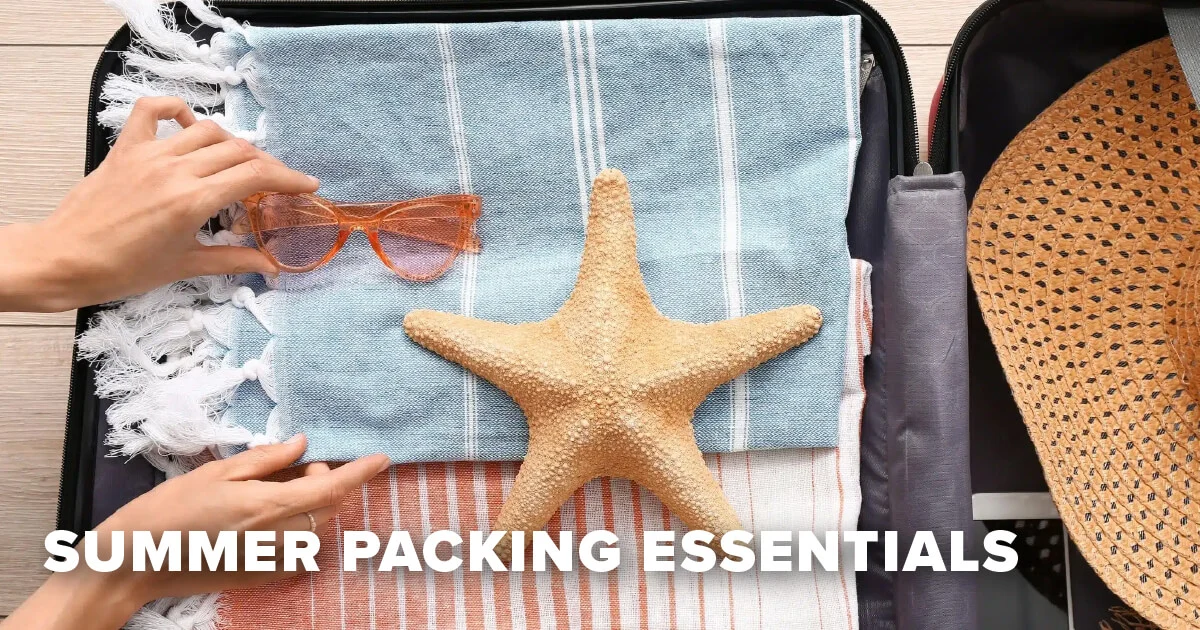
As the thermometer climbs and the allure of sun-drenched destinations begins to beckon, the annual ritual of planning a summer excursion commences. Whether you are leading a group of students on an educational tour, organizing a corporate retreat, or embarking on a long-awaited family vacation, the success of your journey often hinges on the meticulousness of your preparation.
Effective packing is more than a mere chore; it is a strategic logistical operation. By anticipating the environmental stressors of summer travel—from extreme heat and increased humidity to the logistical hurdles of transit—travelers can ensure their experience remains seamless. This guide outlines the essential components of a well-curated travel kit, designed to keep you organized, comfortable, and prepared for any eventuality.
The Logistics of Organization: Packing Cubes as a Foundation
The primary challenge in modern travel is maximizing limited space while maintaining order. The most effective tool in any traveler’s arsenal is the packing cube. These modular containers serve as portable drawers, allowing travelers to categorize items by type or by day.
Why Compression Matters
For those traveling with a carry-on or navigating tight spaces, compression packing cubes are indispensable. By utilizing a secondary zipper to expel excess air, these cubes reduce the volume of bulky items like sweaters or light jackets by up to 30%. This efficiency not only saves physical space in your luggage but also mitigates the risk of wrinkled clothing, allowing you to transition from the transit hub to your itinerary without the need for immediate garment care.
Physiological Resilience: Hydration and Sustenance
Summer travel is inherently more taxing on the human body due to heat-induced dehydration. Managing one’s internal climate is just as vital as managing external logistics.
The Reusable Imperative
The standard for modern, responsible travel is the reusable water bottle. Beyond the environmental benefits of reducing single-use plastic, a high-quality insulated bottle ensures that cold water remains accessible throughout the day. To optimize this, seasoned travelers often incorporate electrolyte drink mixes into their routine. These powders, rich in sodium, potassium, and magnesium, help replenish minerals lost through perspiration, preventing the fatigue and headaches often associated with long days of sightseeing in high temperatures.
Environmental Defense: Sun Protection Protocols
The American Academy of Dermatology (AAD) underscores that summer sun exposure requires a robust defense strategy. The goal is to minimize ultraviolet (UV) radiation damage, which is cumulative and can lead to long-term health complications.
Selection Criteria
When selecting sunscreen, the AAD advises a three-pronged approach:
- Broad Spectrum: Protection against both UVA and UVB rays.
- SPF 30 or Higher: A benchmark for sufficient barrier strength.
- Water Resistance: Essential for those engaging in active or aquatic pursuits.
Furthermore, application is a recurring process. Sunscreen should be reapplied every two hours, and immediately following any water immersion or intense physical exertion that causes sweating. The often-overlooked lip balm with SPF is equally critical; the skin on the lips is thin and highly susceptible to UV-induced drying and burning.
Adaptive Apparel: Dressing for the Elements
The intersection of style and utility is the hallmark of a smart traveler. A well-considered summer wardrobe balances breathability with protection.
Fabric Technology
Natural fibers such as linen and cotton are favored for their high breathability and moisture-wicking properties, which facilitate airflow and keep the skin cool. However, modern synthetic blends designed for moisture-wicking are also excellent for high-activity days.
The Multi-Layer Strategy
- Accessories: Wide-brimmed hats and polarized sunglasses provide necessary shade for the face and eyes, reducing strain and preventing heat exhaustion.
- The Evening Shift: Travel environments, particularly airplanes and hotels, are frequently over-conditioned. An outer layer, such as a light cardigan or windbreaker, paired with cozy socks, ensures that sudden drops in ambient temperature do not compromise your comfort.
Footwear and Physical Maintenance
Sore feet are a common, yet preventable, cause of travel fatigue. The choice of footwear should prioritize support and durability over aesthetic trends.
Preventing Friction
For those planning extensive walking tours, high-quality tennis shoes and supportive sandals are mandatory. However, even the best shoes can cause issues when feet swell in the heat. The inclusion of an anti-chafe balm or stick is a pro-tip for preventing blisters and skin irritation. These products create a protective barrier between skin and fabric, ensuring that you can explore your destination without the impediment of physical discomfort.
Digital and Analog Connectivity
Summer heat is a notorious adversary to lithium-ion batteries. Extreme temperatures can accelerate chemical degradation and cause phone batteries to drain significantly faster than in cooler conditions.
The Power Solution
A reliable portable charger is essential for maintaining navigation tools and communication capabilities. However, the travel experience is often enhanced by moments of disconnection. Whether you are waiting for a train or lounging on a beach, a good book—or a well-stocked e-reader—provides a necessary mental reprieve from the digital landscape.
Versatility in Storage
A common oversight is the lack of "flex space" in a suitcase. Experienced travelers suggest packing at least one small-to-medium-sized reusable tote. The utility of these bags is vast:
- Logistics: Storing damp or dirty laundry separate from clean items.
- Shopping: Providing an impromptu vessel for items purchased at local markets.
- Activity: Serving as a lightweight carrier for beach towels or pool accessories.
Safeguarding Valuables
For those near water, a mini dry bag is a non-negotiable accessory. These pouches protect electronics, passports, and currency from accidental splashes, sand, and humidity, offering peace of mind when the itinerary moves from the city center to the shoreline.
Supporting Data and Industry Insights
According to recent travel industry surveys, organized travelers report a 40% higher satisfaction rate with their trips compared to those who report "last-minute" or "haphazard" packing habits. The data suggests that stress reduction during the initial transit phase leads to a more relaxed experience throughout the duration of the trip.
Furthermore, environmental studies indicate that the shift toward reusable water bottles and dry bags among international travelers has contributed to a measurable decrease in waste management costs for popular tourist hubs.
Official Recommendations and Implications
The consensus among travel experts and medical professionals is clear: Preparation is the antidote to travel-related stress. By curating a kit that addresses physiological, environmental, and logistical needs, travelers are better equipped to handle the unpredictable nature of summer travel.
The implication of this preparation extends beyond comfort. It empowers the traveler to be present, to engage fully with their surroundings, and to minimize the downtime caused by preventable issues like sunburn, dehydration, or lost connectivity. As you prepare for your upcoming adventures, remember that the goal is not to pack as much as possible, but to pack the right things—those that allow you to focus on the journey itself rather than the contents of your bag.
Safe travels are, ultimately, the result of intentional planning. May your summer be filled with discovery, comfort, and the ease that comes from knowing you are truly prepared for whatever the road—or the sun—has in store.
This guide was prepared by the editorial team at Groups Today to assist travelers in navigating the logistical complexities of the summer season. Always check local weather forecasts and destination-specific requirements before departing.
 Raul Delapena Setiawan
  Sagoh
Sagoh  Nila Kartika Wati