

1. Main Facts: The Intersection of Agriculture and Active Tourism in the Grand Valley
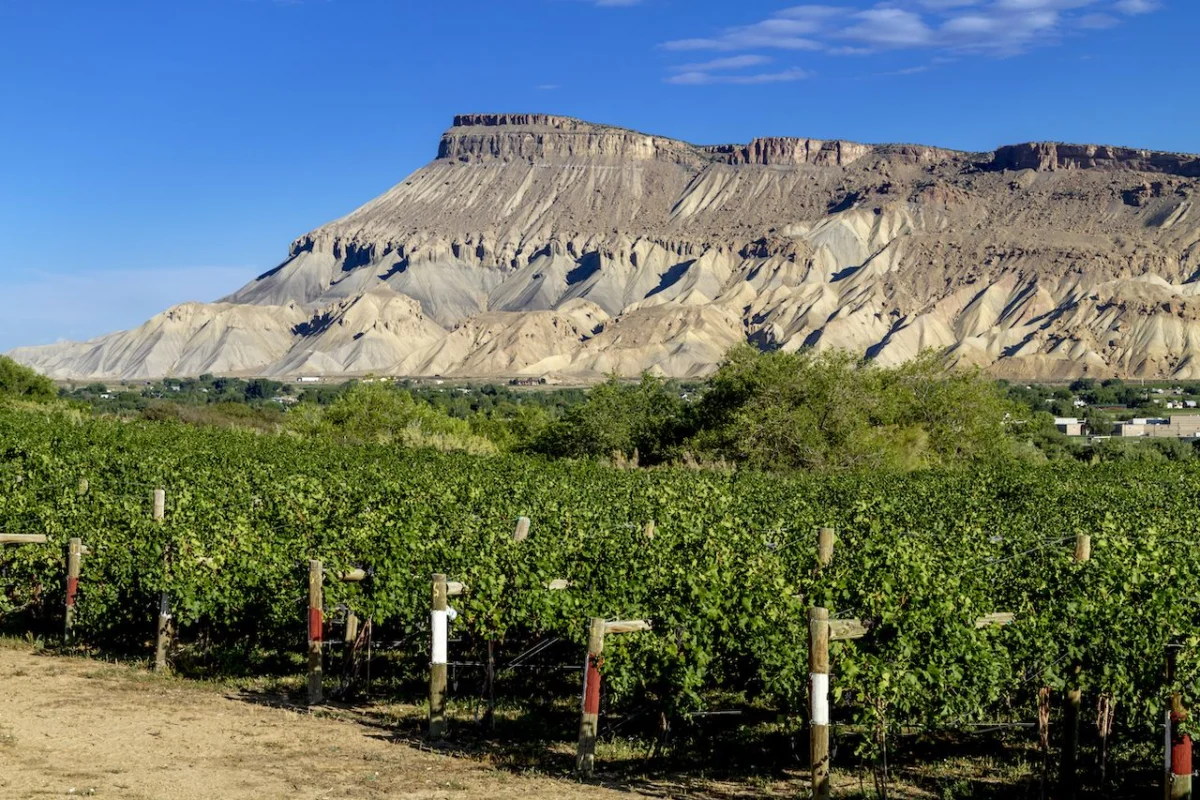
Nestled at the base of the dramatic Book Cliffs in Mesa County, Palisade, Colorado, has emerged as the epicentre of the state’s burgeoning viticultural industry. Located within the Grand Valley American Viticultural Area (AVA), the region’s unique microclimate—characterized by high-altitude sunlight, low humidity, and the famous "Million Dollar Breeze" that drafts down the canyon—creates ideal growing conditions for both stone fruits and wine grapes. Today, Palisade produces approximately 90 percent of Colorado’s wine grapes.
In recent years, the town has successfully synthesized its agricultural heritage with active outdoor recreation. The primary driver of this hybrid economy is cycle-based agritourism. By leveraging a flat valley floor, scenic rural byways, and a dense concentration of tasting rooms, Palisade has transformed the traditional wine-tasting experience into a carbon-neutral, self-guided adventure. Visitors navigate a network of paved agricultural roads known as the "Fruit & Wine Byway," stopping at boutique vineyards, orchards, and cideries. This integration of cycling and viticulture has not only diversified the local tourism portfolio but has also established a sustainable model for rural economic development.
2. Chronology: The Lifecycle of a Palisade Wine-and-Bike Excursion
To understand the operational flow of this agritourism ecosystem, one must trace the chronological progression of a typical visitor’s journey, from pre-arrival planning to the post-tour economic impact on local hospitality.
[Pre-Arrival: Digital Reservation]
       │
       ▼
[Morning: Gear Fitting & Safety Briefing at Palisade Cycle]
       │
       ▼
[Midday: Route Navigation & Hydration Management]
       │
       ▼
[Afternoon: Vineyard Visits & Local Gastronomy]
       │
       ▼
[Evening: Check-in at Historic B&Bs / Boutique Motels]
Phase 1: Pre-Arrival and Logistics
The journey begins well before visitors arrive in the Grand Valley. Due to high seasonal demand, travelers typically coordinate their equipment rentals weeks in advance. Local outfitters, primarily Palisade Cycle and Shuttle, manage inventory online to prevent bottlenecking at the physical shop located in the historic downtown district.
Phase 2: Morning Preparation and Safety Briefings
Upon arrival in Palisade, visitors report to the downtown depot to acquire their equipment. Here, staff conduct safety briefings and distribute physical maps curated by the Palisade Chamber of Commerce. This stage is critical for risk mitigation: outfitters assess rider capability, adjust equipment, and emphasize the physical challenges of high-altitude cycling.
Riders are strongly advised to equip themselves with hydration systems, such as CamelBaks, before departing. Because summer temperatures in the Grand Valley regularly exceed 95°F (35°C) and the elevation sits at 4,728 feet, the physiological toll of moderate exertion combined with alcohol consumption presents a notable safety risk. Hydration management is emphasized as the single most critical factor for a successful tour.
Phase 3: Route Execution
With gear secured, cyclists embark on one of three primary loops along the Fruit & Wine Byway. The routes are designed progressively, allowing riders to self-select their difficulty based on fitness levels and heat tolerance. The chronological flow of the ride is characterized by short bursts of cycling—rarely exceeding 10 minutes or one mile between stops—interspersed with structured rest periods at tasting rooms and public parks.
Phase 4: Evening Transition and Hospitality Integration
As the afternoon heat peaks and tasting rooms begin to close (typically between 5:00 PM and 6:00 PM), the flow of tourist traffic shifts back toward the downtown core. Cyclists return their equipment and transition to local lodging properties. This daily cycle feeds directly into Palisade’s hospitality sector, as visitors patronize local restaurants, craft breweries, and boutique accommodations, ensuring that tourism dollars are distributed evenly across multiple sectors of the local economy.
3. Supporting Data: Route Specifications, Logistics, and Geographic Coordinates
To maintain an organized and safe flow of tourist traffic, the Palisade Fruit & Wine Byway is structured into three distinct, signposted loops. Each offers varying degrees of physical difficulty, scenic vistas, and viticultural exposure.
| Route Name | Distance (Roundtrip) | Difficulty Level | Primary Attractions / Stops | Key Terrain Features |
|---|---|---|---|---|
| West Cruiser Loop | 7 miles | Easy / Flat | The Ordinary Fellow, Grand River Vineyards, Cliff Dweller Wine Co., Maison La Belle Vie, Riverbend Park | Flat, paved town roads; abundant shade under cottonwood trees. |
| East Cruiser Loop | Variable (Approx. 10 miles) | Moderate | Colterris, Bookcliff Vineyards, TerraVin Cellars | Parallel to US-6 and the Colorado River; scenic canyon vistas. |
| East Orchard Mesa Loop | 25 miles | Strenuous | Talbott’s Cider Company, Restoration Vineyards, Carlson Vineyards | Significant 10-minute climb up 38 Road to the mesa; agricultural grid. |
Financial and Logistical Specifications
- Standard Cruiser Rental: $45.00 per day.
- Electric Cruiser Rental: $55.00 per day (highly recommended for mitigating heat exhaustion and managing climbs).
- Ancillary Services: Pali-Tours offers alternative motorized transport, utilizing a open-air 6×6 military "duckie" vehicle. This service includes a "Water to Wine" package, combining morning rafting on the Colorado River with afternoon vineyard tours.
          [UTAH BORDER] ◄────────────────────────────── 29 to 36.3 miles ─────────────────────────────┐
                                                                                                     │
                                                                                                     ▼
 ┌───────────────────────┬───────────────────────┬───────────────────────┬───────────────────────┐
 │                       │                       │                       │                       │
 │                       │                       │                       │  36 3/10 Road         │
 │                       │                       │                       │                       │
 ├───────────────────────┼───────────────────────┼───────────────────────┼───────────────────────┤
 │                       │                       │                       │                       │
 │                       │                       │                       │                       │
 │                       │                       │                       │                       │
 ├───────────────────────┼───────────────────────┼───────────────────────┼───────────────────────┼ ── F ¼ Road (0.25 mi north of F)
 │                       │                       │                       │                       │
 │                       │                       │                       │                       │
 │                       │                       │                       │                       │
 └───────────────────────┴───────────────────────┴───────────────────────┴───────────────────────┴ ── F Road
                         ▲                       ▲                       ▲
                     28 Road                 29 Road                 30 Road

                     ◄─────────────────── 1.0 Mile intervals (North-South) ───────────────────►
The Mathematics of Palisade’s Grid System
Visitors navigating the East Orchard Mesa Loop will encounter a unique, highly precise street naming convention. Rather than names or sequential integers, roads are labeled with fractions and decimals (e.g., 36 3/10 Road or F ¼ Road).
This system is a geographic coordinate grid based on distance from the Colorado-Utah border:
- North-South Roads (Numbered): Represent the exact mileage east of the Utah state line. For example, 29 Road is precisely 29 miles east of the border. 36 3/10 Road is 36.3 miles east of the border. The distance between two whole-numbered roads (e.g., 28 Road and 29 Road) is exactly one mile.
- East-West Roads (Lettered): Represent one-mile intervals designated by letters of the alphabet. Fractional roads, such as F ¼ Road, indicate a position exactly one-quarter of a mile north of F Road, but three-quarters of a mile south of G Road.
Originally devised to simplify land surveying and parcel mapping for early agricultural homesteads, this system now serves as an exceptionally accurate navigation tool for cyclists.
4. Local Perspectives and Community Management
The delicate balance between agricultural operations and high-volume tourism requires active coordination between municipal authorities, business owners, and agriculturalists.
Local operators emphasize that while tourism is vital, Palisade remains a working agricultural community. Heavy machinery, tractors, and harvest trucks frequently share the narrow, two-lane rural roads with cyclists.
To address potential friction, the Palisade Chamber of Commerce and local vineyard owners have established clear guidelines for visitors. Key initiatives include:
- Visual Signage: Installing highly visible "Share the Road" signage along the Fruit & Wine Byway to alert both motorists and farm operators to the presence of slow-moving cyclists.
- Pedestrian Infrastructure: Establishing dedicated bike sidewalks on high-risk corridors, such as the steep ascent on 38 Road leading to East Orchard Mesa, ensuring cyclists have a safe refuge from passing traffic.
- Agricultural Respect: Educating visitors on the biosecurity and operational integrity of the vineyards. Tourists are reminded not to enter the rows of grapes without permission, as pests and pathogens can easily be transferred on shoes and bicycle tires.
Accommodation providers have also adapted to support this eco-tourism model. Properties like the Spoke and Vine Motel have integrated bicycle infrastructure directly into their business models, offering on-site rentals and secure storage. Meanwhile, historic venues like the Wine Country Inn (an 80-room Victorian-style estate adjacent to active vineyards) and the downtown Wine Valley Inn act as localized information hubs, reinforcing safety protocols and promoting local dining to ensure economic retention within the city limits.
5. Economic and Environmental Implications
The success of Palisade’s bike-and-wine tourism model carries profound implications for the broader Grand Valley region, serving as a blueprint for sustainable rural development.
┌────────────────────────────────────────────────────────────────────────┐
│                        SUSTAINABLE TOURISM LOOP                        │
└───────────────────────────────────┬────────────────────────────────────┘
                                    │
                                    ▼
┌────────────────────────────────────────────────────────────────────────┐
│                      Zero-Emission Transportation                      │
│   • Cyclists replace rental cars on rural byways.                      │
│   • Carbon emissions and traffic congestion are minimized.             │
└───────────────────────────────────┬────────────────────────────────────┘
                                    │
                                    ▼
┌────────────────────────────────────────────────────────────────────────┐
│                     Localized Economic Retention                       │
│   • Low-impact travel encourages slow tourism and longer stays.        │
│   • Direct-to-consumer sales boost winery profit margins.              │
└───────────────────────────────────┬────────────────────────────────────┘
                                    │
                                    ▼
┌────────────────────────────────────────────────────────────────────────┐
│                      Agricultural Preservation                         │
│   • Agritourism revenue makes farming economically viable.             │
│   • Greenbelts are preserved from suburban housing development.         │
└────────────────────────────────────────────────────────────────────────┘
Environmental Conservation
By incentivizing visitors to rent bicycles rather than drive cars between tasting rooms, Palisade dramatically reduces the carbon footprint associated with regional tourism. This zero-emission transit model mitigates traffic congestion on narrow rural roads, reduces noise pollution in tranquil agricultural zones, and decreases the demand for paved parking infrastructure at boutique wineries.
Economic Resilience and Agrarian Preservation
The economic impact of this model is highly concentrated and direct. In the wine industry, direct-to-consumer (DTC) sales through tasting rooms carry significantly higher profit margins than wholesale distribution. By bringing consumers directly to the farm gate via bicycle paths, small-scale winemakers can sustain profitable operations on relatively small acreages.
Furthermore, this steady stream of tourism revenue makes agricultural land conservation financially viable. In many Western valleys, rising land values put pressure on farmers to sell their properties to residential developers. The profitability of Palisade’s agritourism sector ensures that orchards and vineyards remain economically competitive, preserving the historic greenbelt of the Grand Valley for future generations.
 Ammar Sabilarrohman
  Raul Delapena Setiawan
  Nila Kartika Wati