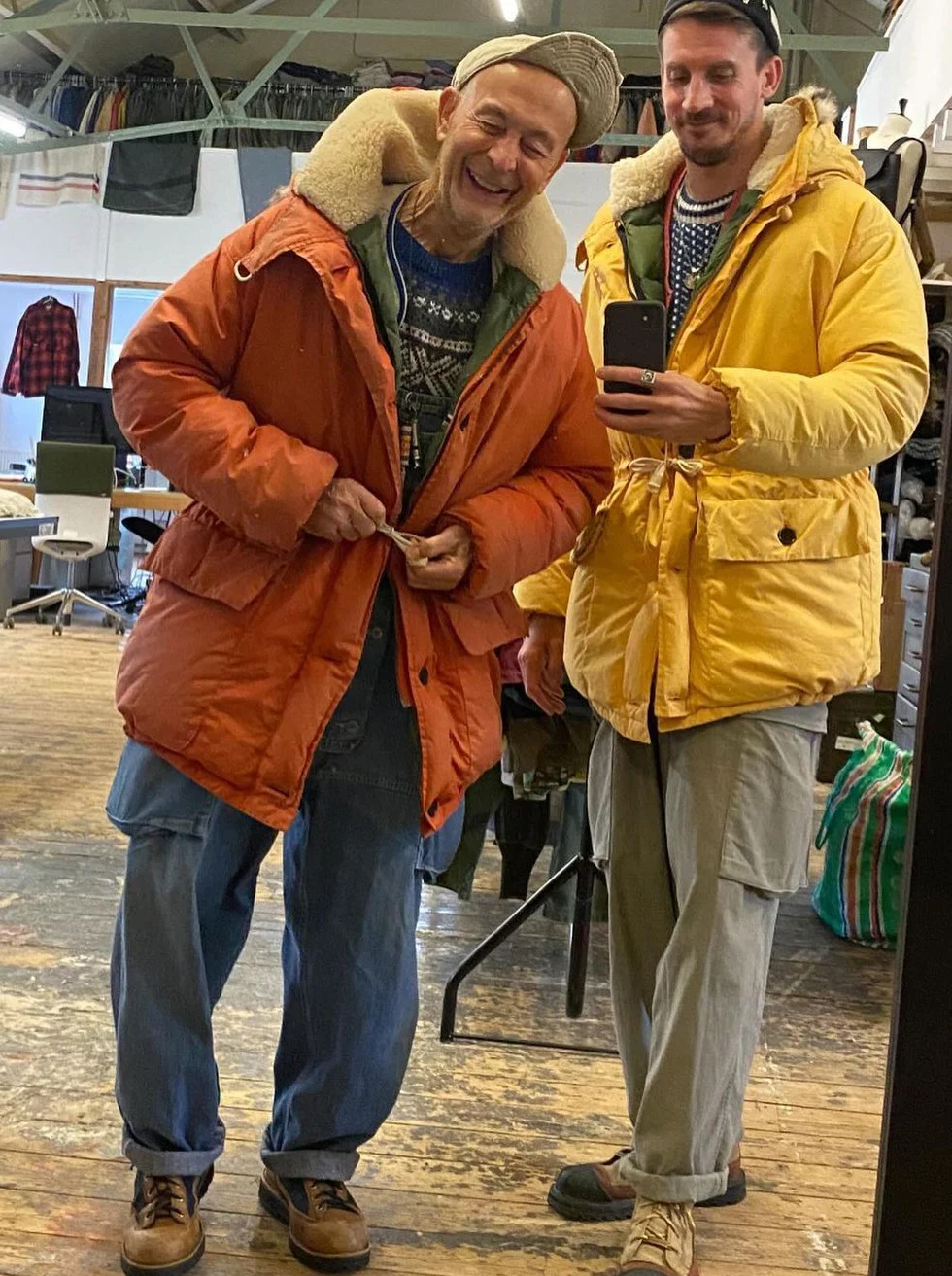
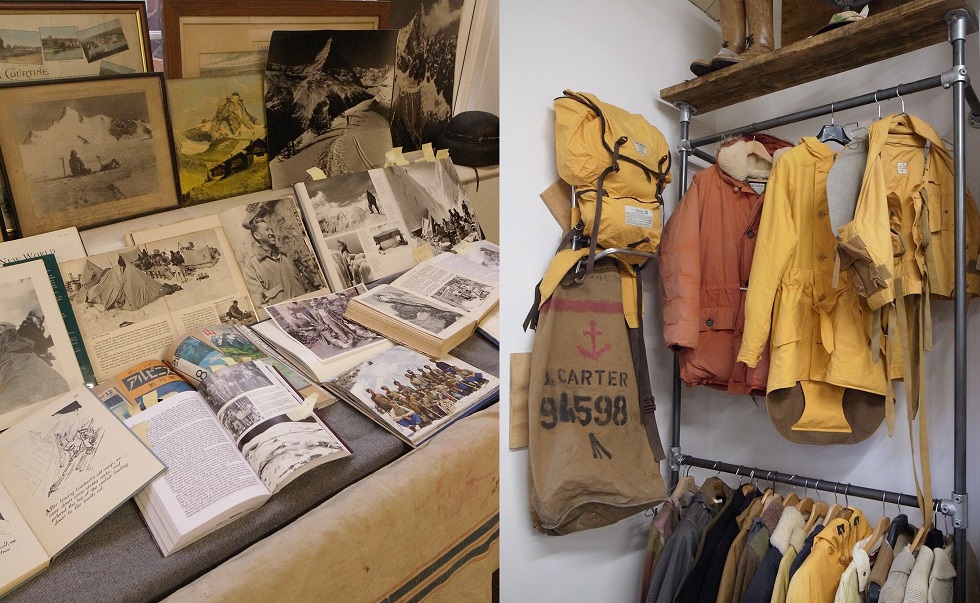
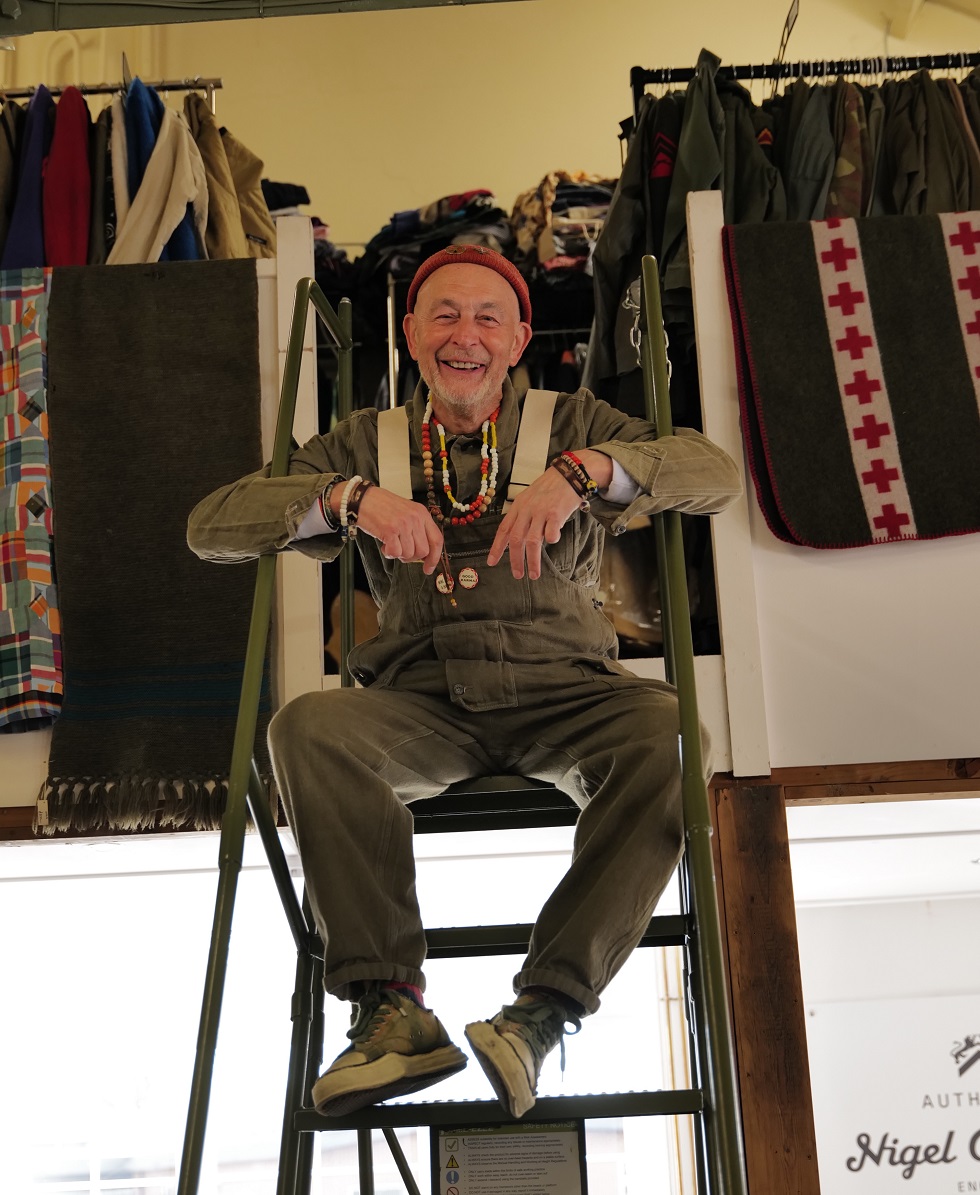
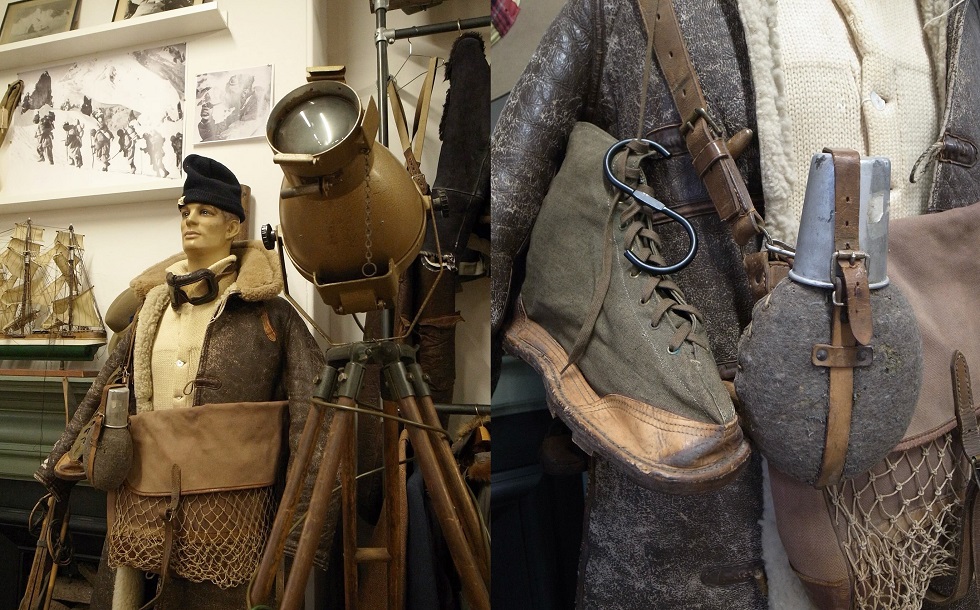
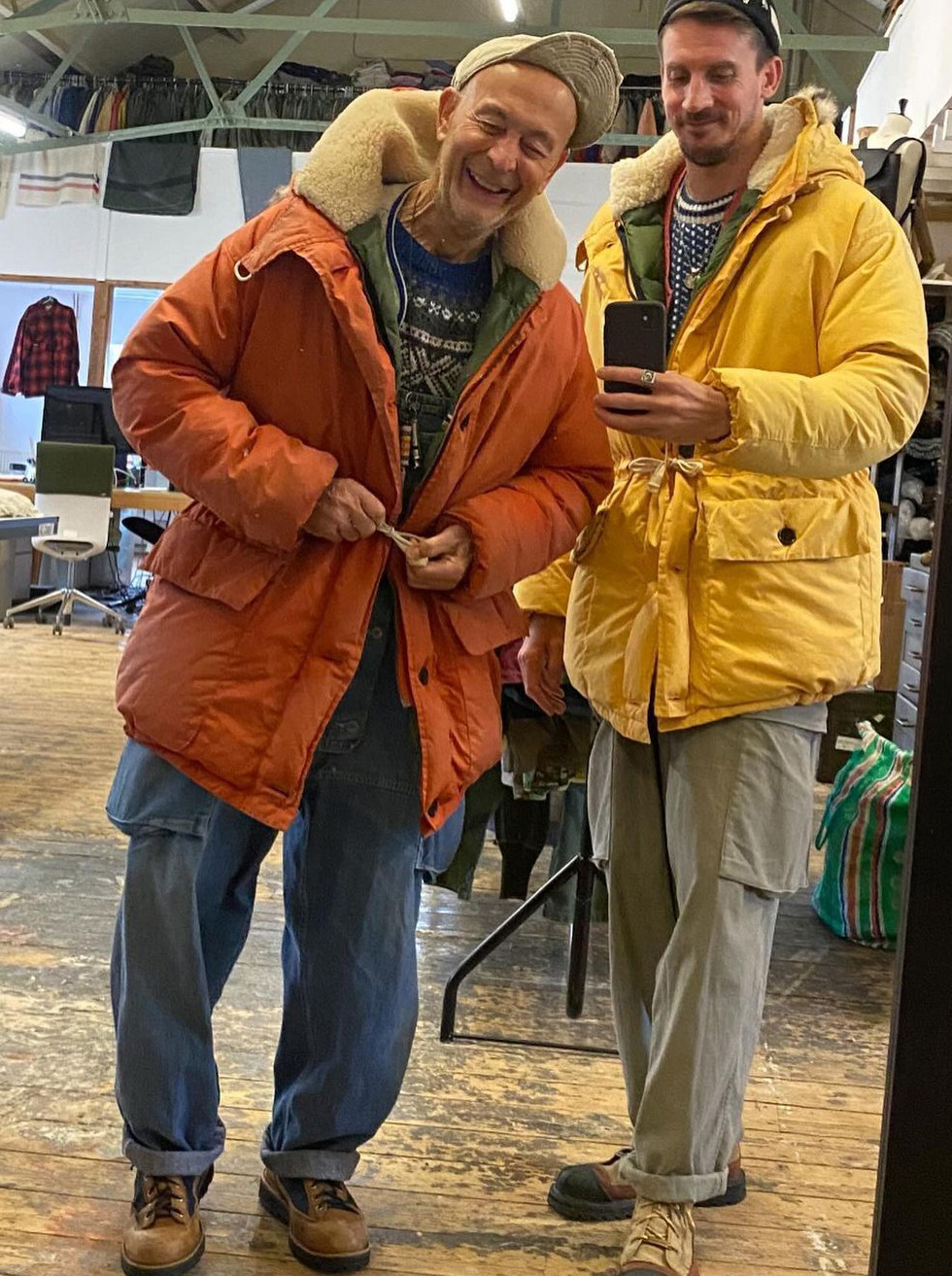
In a sun-drenched studio in Jesmond, Newcastle, there exists a physical manifestation of the last century of human endurance. It is a collection that defies the ephemeral nature of "fashion"—4,000 garments, including rare Second World War flight jackets, the weathered wool serge of Antarctic expeditions, the canvas smocks of Edwardian mountaineers, and the salt-crusted dungarees of North Sea dockers. Surrounding these artifacts are 3,000 books—field manuals, military diaries, and expedition logs.
Taken together, this is not merely a hoard; it is one of the most extraordinary private archives in the history of design. For nearly six decades, this library of human experience served as the mind, the method, and the soul of one man: Nigel Cabourn. On 11 June 2026, Cabourn passed away at his home in Jesmond following a recurrence of cancer. He was 76.
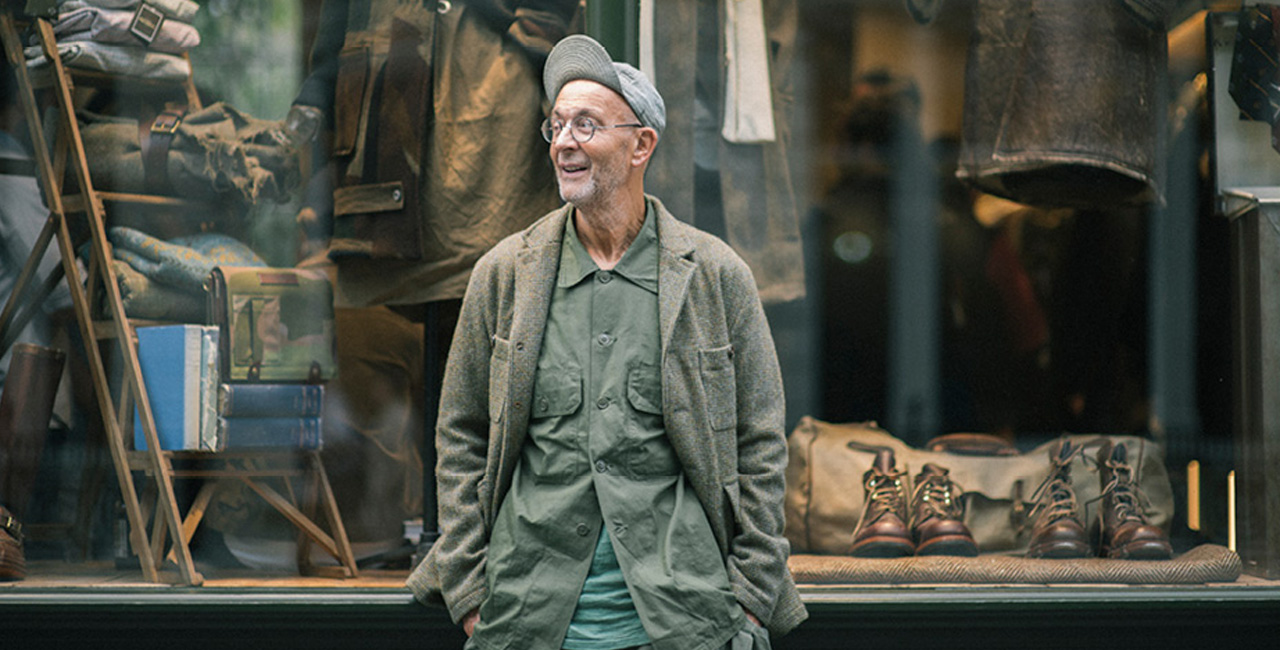
While he never sought the hollow glare of celebrity, Cabourn’s quiet, persistent influence has fundamentally altered the trajectory of menswear. He proved that the most modern ideas are often found in the deepest layers of the past.
A Postmaster’s Son: The Making of an Icon
Born on 7 October 1949, near Scunthorpe, Nigel Cabourn’s formative years were spent in Peterlee, a planned town in County Durham. The postwar architecture of the region—functional, brutal, and purposeful—imprinted a philosophy onto the young designer: things must work, and they must last. His father, a local postmaster, likely instilled a sense of order and reliability that would later define Cabourn’s rigorous approach to garment construction.
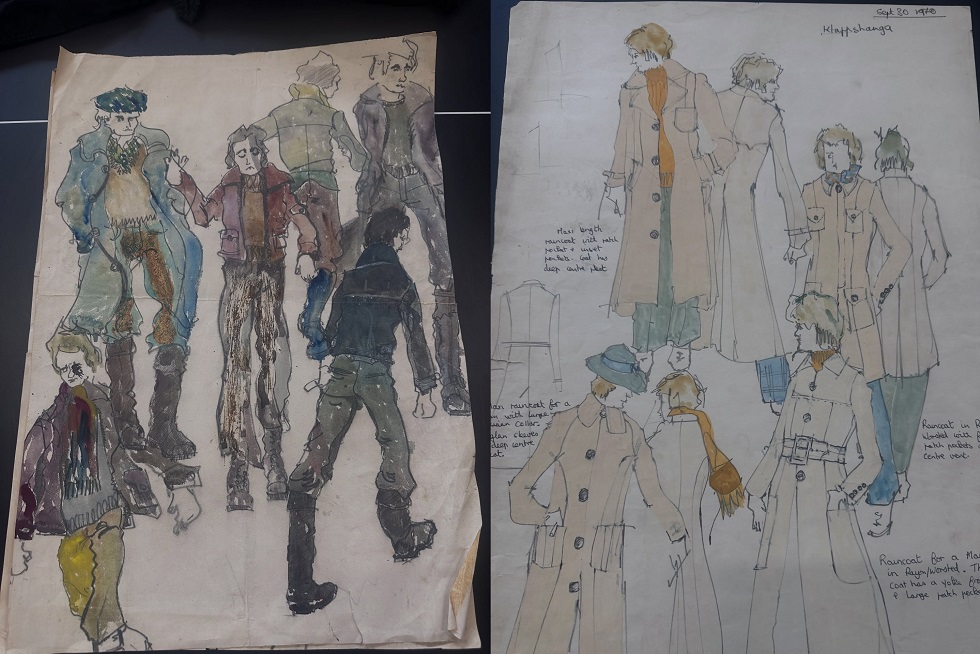
Cabourn’s entry into fashion is the stuff of industry legend. In 1967, he enrolled at the Newcastle College of Art and Industrial Design (now Northumbria University). While he reportedly attended on the advice of a friend who promised it was a "good place to meet girls," Cabourn stayed for four years because he fell in love with the mechanics of the craft. He graduated in 1971, rejecting the siren call of London’s high-fashion circles to remain in the North East. This decision to avoid the industry’s central hub was not an act of isolation, but an act of preservation; he refused to let the churn of seasonal trends dictate his creative pace.
Chronology: From ‘Cricket’ to a Global Empire
1969–1984: The Cricket Era
While still a student, Cabourn launched his first label, Cricket. It was a serious, measured, and highly tailored proposition that drew heavily on sporting and military heritage. As the 1970s progressed, the brand gained traction, culminating in a fateful 1979 encounter at the Paris menswear fair, Sehm.
There, Cabourn met Sam Sugure, a Japanese wholesaler who had previously championed the work of Margaret Howell. Sugure placed an order worth £250,000—a transformative sum that solidified Cabourn’s deep, reciprocal relationship with Japan. It was also during this period that a gift from a friend—a vintage military jacket—ignited the spark that would burn for the rest of his life. Though Cricket folded in 1984 due to cash flow pressures, Cabourn refused to quit. He reclaimed his name, rebranded, and pivoted to consult for heavyweights like Next, French Connection, and the Woodhouse chain. In 1985, he became the first menswear designer to be named "Designer of the Year" by Woman magazine.
1990s–2010s: The Cult of the Archive
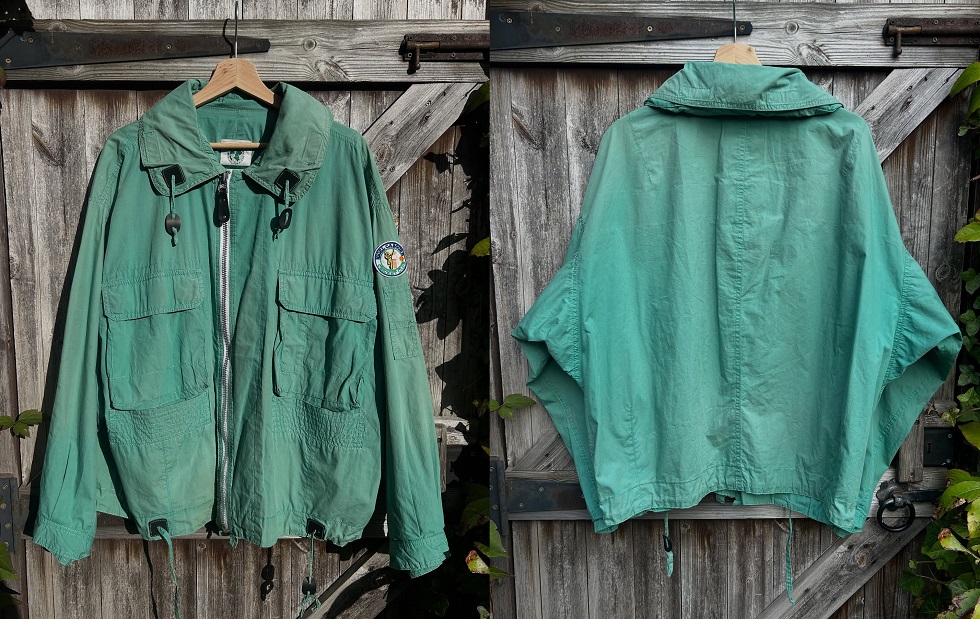
The 1990s marked the emergence of the "Archive" as the centerpiece of his practice. Cabourn became a hunter, frequenting flea markets and building a network of vintage specialists. He viewed an RAF Irvin jacket or a Shackleton-era anorak not as a costume, but as a technical blueprint. He spent years dissecting the engineering of collar placement for open-cockpit flying and the thermal properties of Ventile cotton.
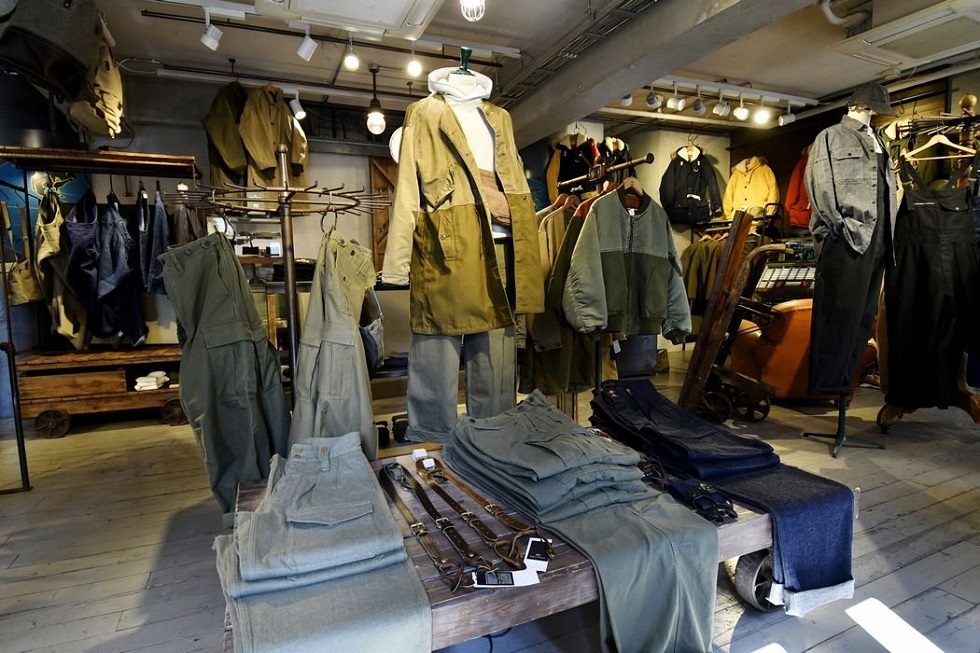
By 2009, this obsession manifested in the opening of the Army Gym flagship in Tokyo. The store became a pilgrimage site for menswear enthusiasts worldwide. At its peak, the Nigel Cabourn brand operated 26 global locations, with 16 in Japan, reflecting the Japanese market’s profound reverence for his commitment to provenance.
The Philosophy of Function: Mallory, Hillary, and the Mountains
Cabourn’s imagination was tethered to the heroic age of exploration. He was particularly drawn to George Mallory, who vanished on Everest in 1924, and Sir Edmund Hillary, who conquered it in 1953.
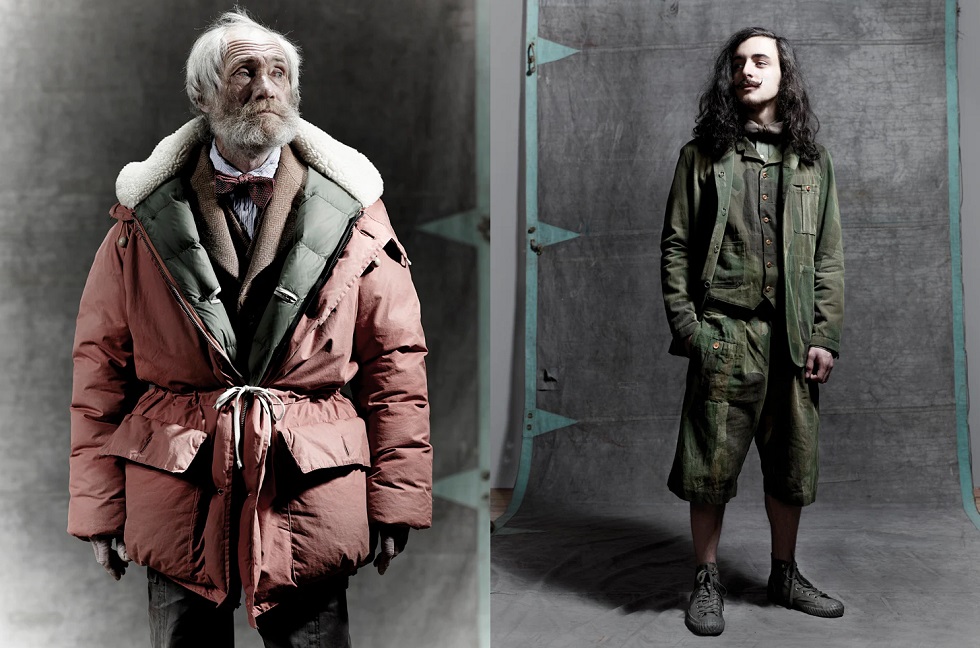
His most iconic creation, the Everest Parka, was never a trend-driven piece. Retailing at £3,100, it was an act of historical engineering, utilizing Ventile cotton—the same fabric that saved downed RAF pilots—and Harris Tweed woven in the Outer Hebrides. It was designed to survive the harshest environments on Earth, reflecting a designer who prioritized the longevity of the garment over the speed of the retail cycle.
Supporting Data: The Scale of Influence
Cabourn’s business model was as robust as his designs. With global turnover reaching approximately £10 million, he proved that a "fiercely independent" operation could thrive by ignoring the algorithmic pressures of modern digital fashion.
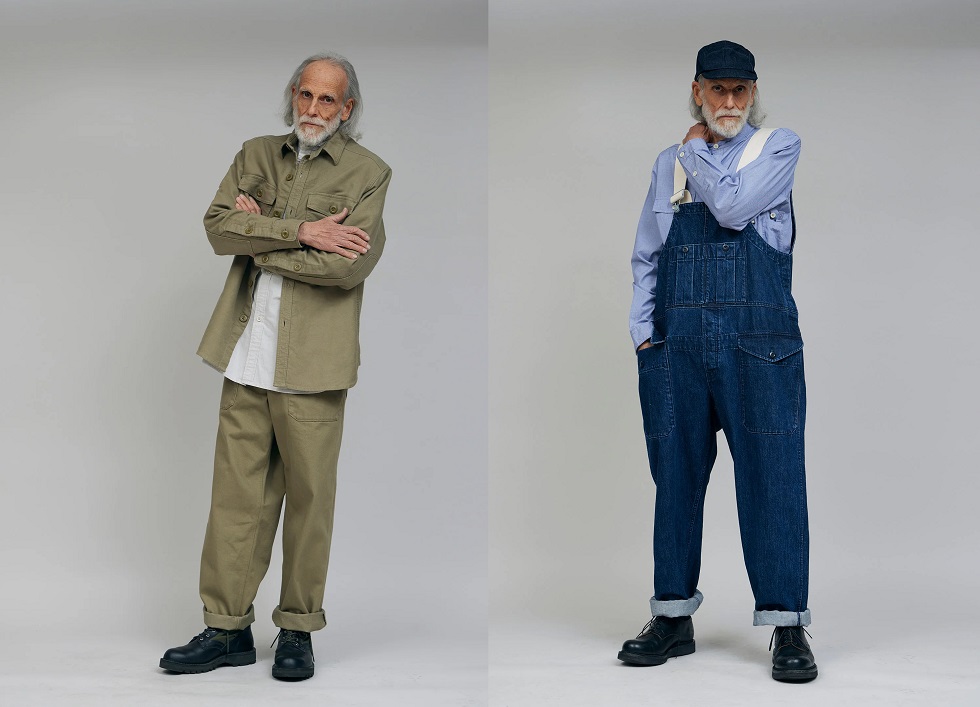
His collaborations—spanning brands as diverse as Filson, Converse, Fred Perry, and Umbro—served as conduits for his design DNA. However, his true impact is seen in the "heritage boom" of the 2010s. Labels such as Engineered Garments, Visvim, Orslow, and Kapital built their foundations on the categories Cabourn had established decades earlier. He normalized the concept of "workwear" as luxury, shifting the industry from a focus on the look of a garment to the logic behind its construction.
Official Responses and Reflections
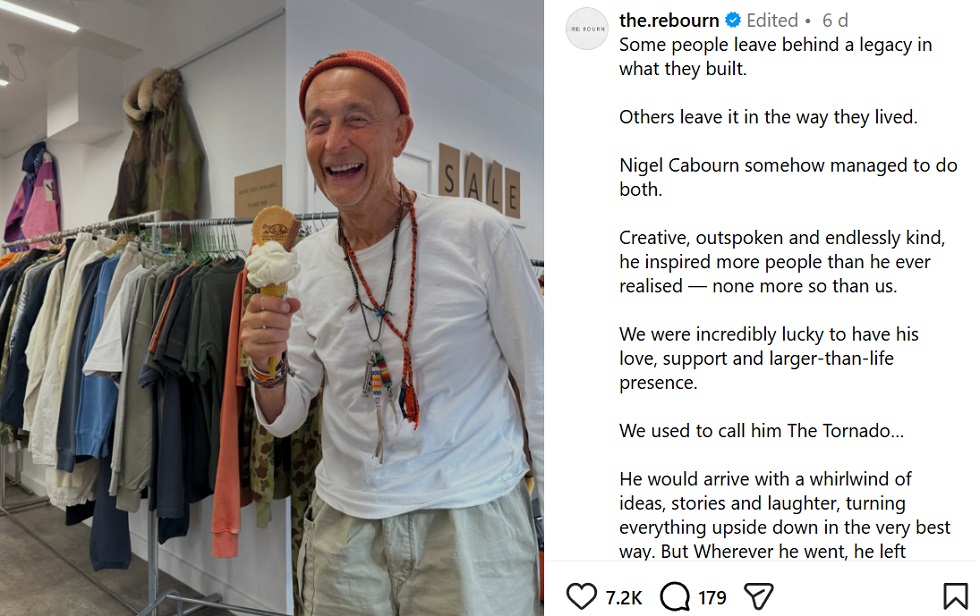
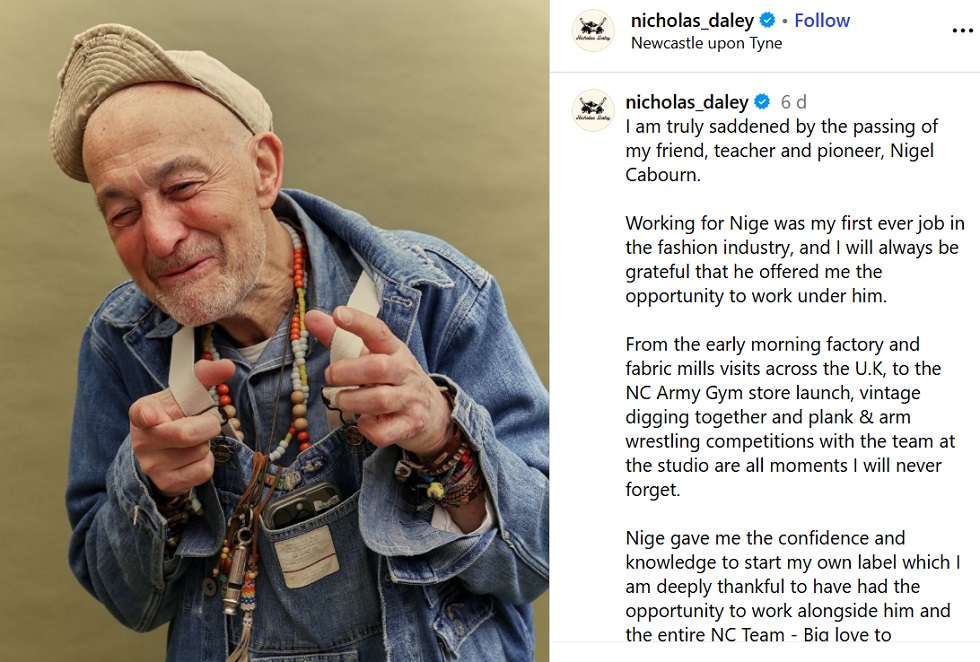
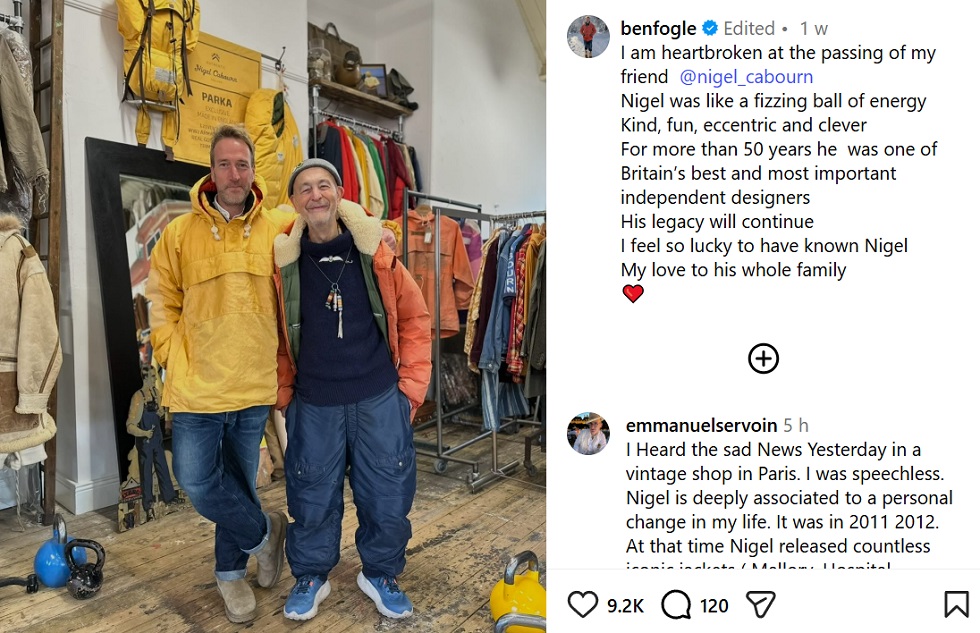
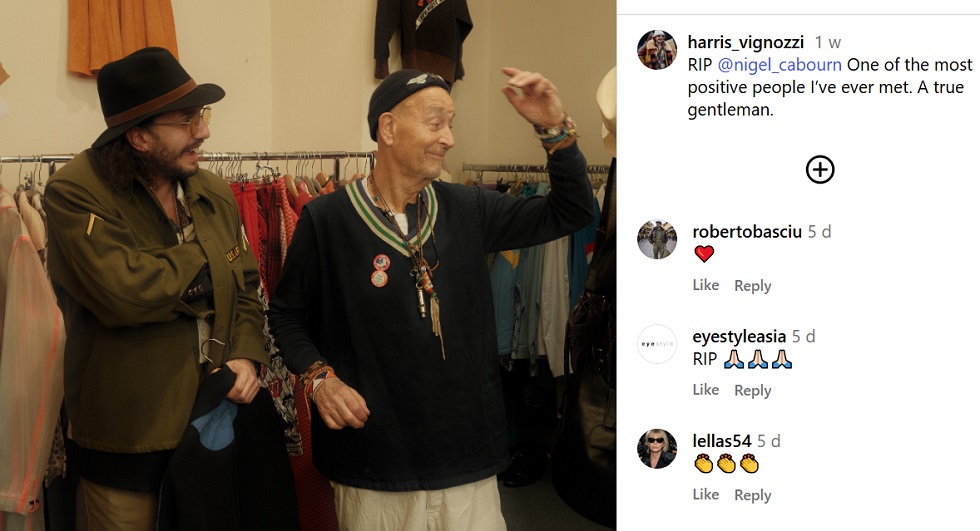
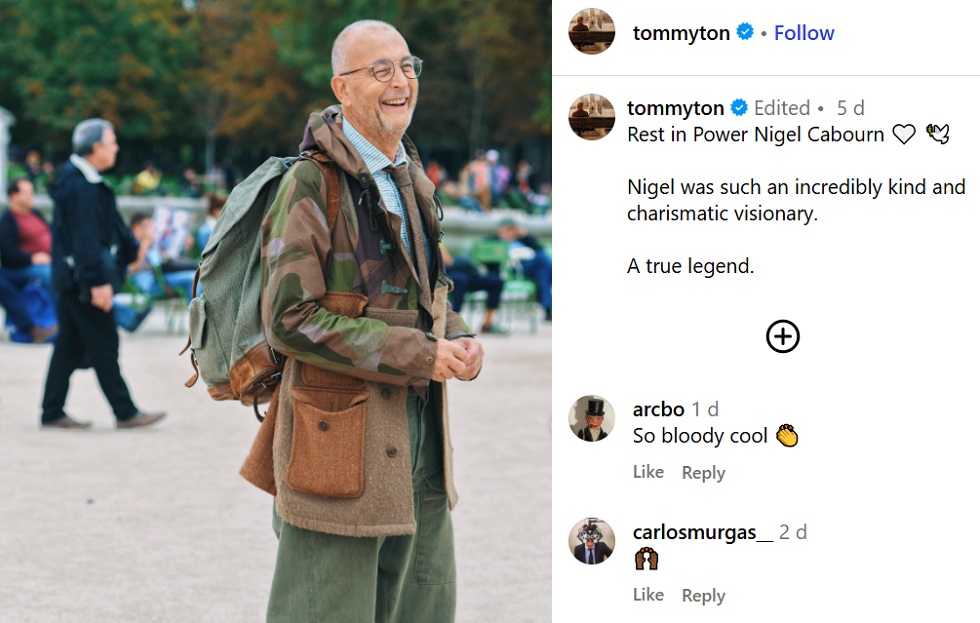
The industry’s response to his passing has been a testament to his character. He was remembered not just as a titan of design, but as a mentor and a friend.
Alec Farmer, Product Lead at Carryology and founder of Trakke, shared a poignant reflection on his time working with Cabourn:
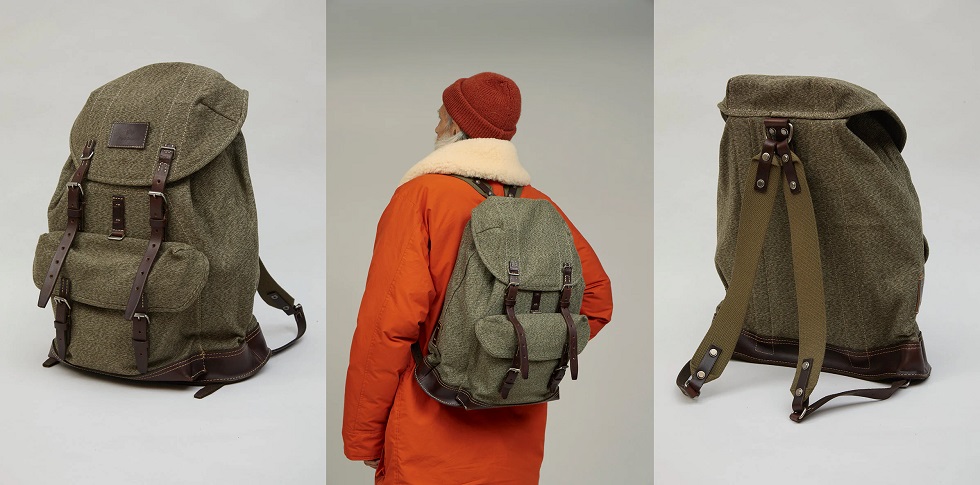
"Nigel was extremely charismatic. He had a boundless enthusiasm, a discerning eye for detail, and an infectious love for his work. We managed to find the exact same hardware used on an original Karrimor pack, still made in the same factory 50 years later. That was Nigel—he didn’t just want to reproduce a look; he wanted to reconstruct the history itself. Having him wear one of my packs was a highlight of my career."
Implications: The Legacy of Permission
The death of Nigel Cabourn leaves a void, yet the infrastructure of his life’s work remains. The archives in Jesmond are intact, and his brands—Authentic, Lybro, and Army Gym—continue to operate.
The greater implication of his life, however, is the "permission" he granted to a generation of creators. Cabourn demonstrated that a brand could be built on conviction rather than trends, on historical research rather than marketing algorithms. He showed that you don’t need to be in the center of the fashion world to define it; sometimes, the best way to move the industry forward is to stay rooted in the North East, surrounded by the ghosts of explorers, and simply ask: How does this work, and how can I make it better?
As he said in one of his final interviews: "I’m not a fashion designer. I’m a clothing designer. I’ve been lucky to do what I wanted to do, what I believed in."
Nigel Cabourn’s life was not a pursuit of fame, but a pursuit of excellence. He leaves behind a world where the clothes we wear are measured not by how fast they go out of style, but by how many stories they can tell. His archive remains a living, breathing testament to the idea that if you build something with honesty, it will never truly go out of fashion.


 Asep Darmawan
  Layla Zulfa
  Iffa Jayyana