

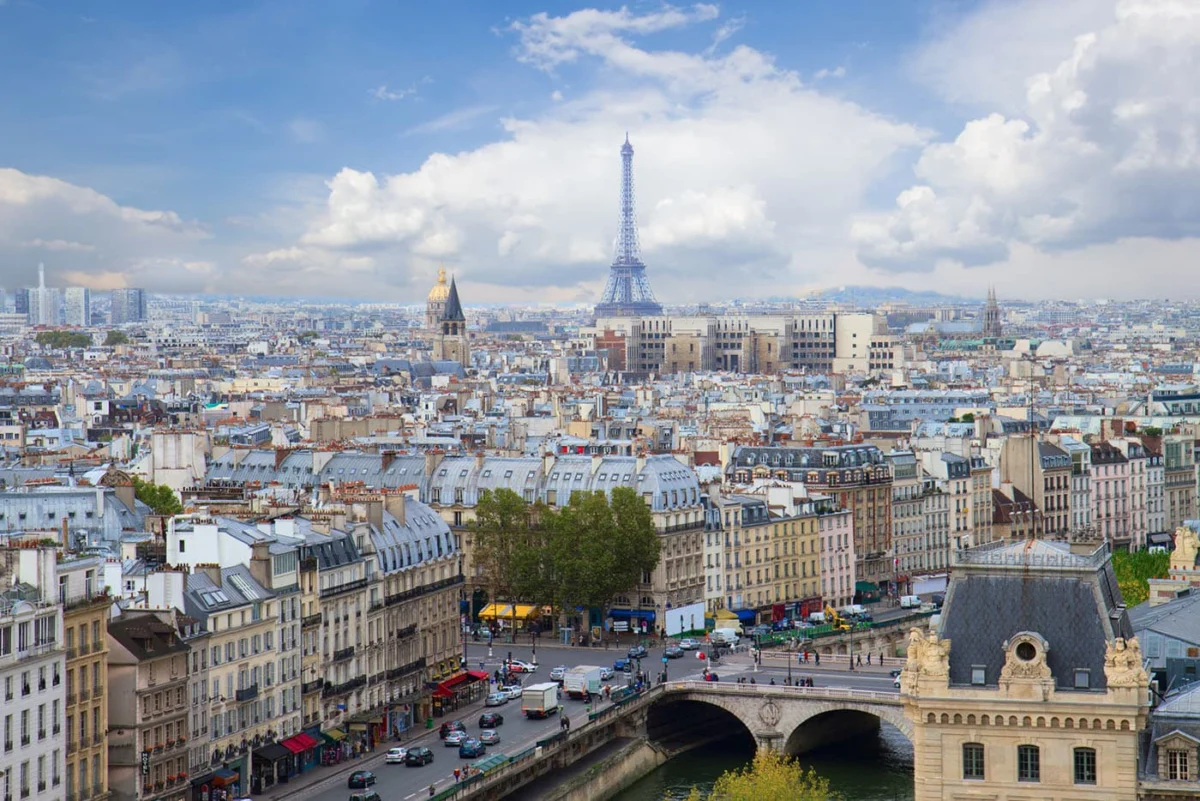
The European tourism sector has officially emerged from the shadow of the global pandemic, experiencing a monumental surge in international interest. In 2025, the continent welcomed over 793 million international arrivals, a figure that not only signifies a complete recovery but surpasses pre-pandemic benchmarks. As travelers flock back to iconic landmarks, the landscape of European urban tourism has shifted, with new leaders emerging and perennial favorites reinforcing their dominance.
This report examines the current state of European travel, drawing upon data from Euromonitor International, comprehensive global city studies, and official municipal tourism reports to provide a roadmap for the modern traveler.
The State of European Tourism: A 2025 Overview
The 2024–2025 period represents a transformative era for European tourism. After years of travel restrictions and economic uncertainty, the industry has seen a V-shaped recovery, fueled by a "revenge travel" phenomenon that has evolved into a sustainable, long-term desire for cultural exploration.
Euromonitor International’s latest analysis of the world’s top 100 city destinations highlights that while traditional powerhouses like Paris and London maintain their top-tier status, secondary cities and Eastern European hubs are rapidly gaining market share. This growth is supported by improved high-speed rail connectivity, the expansion of low-cost carrier networks, and the digitization of city-specific travel passes.
The Top-Tier Titans: Paris, London, and Rome
The hierarchy of European tourism is defined by cities that balance historical preservation with modern infrastructure.
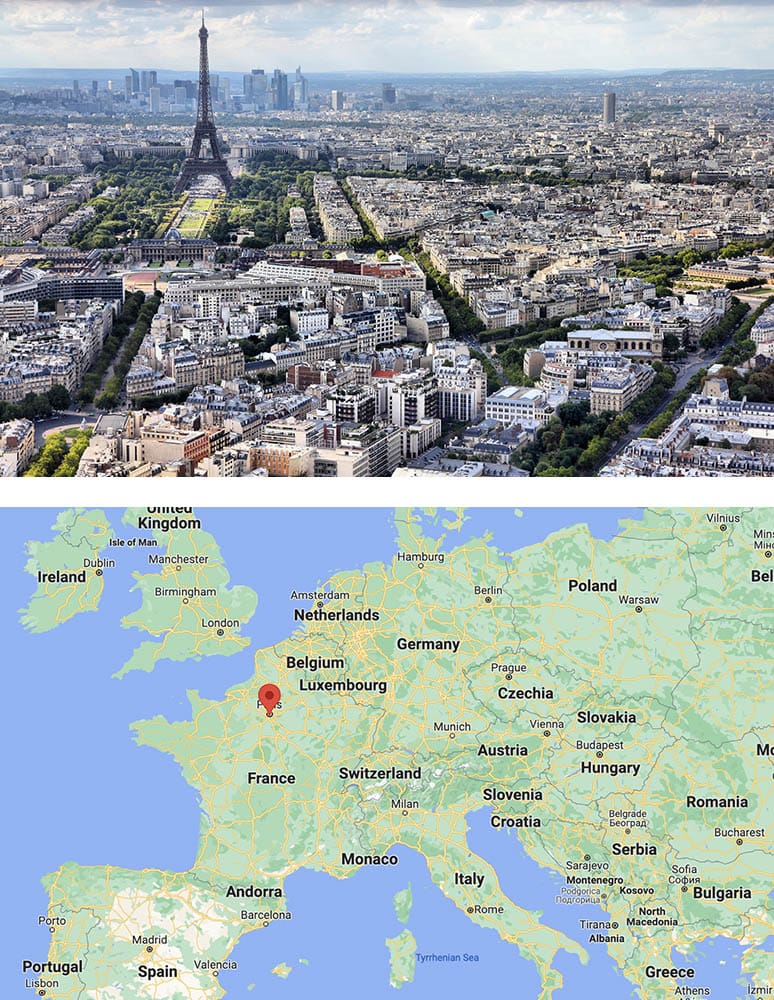
1. Paris, France (50 Million Annual Visitors)
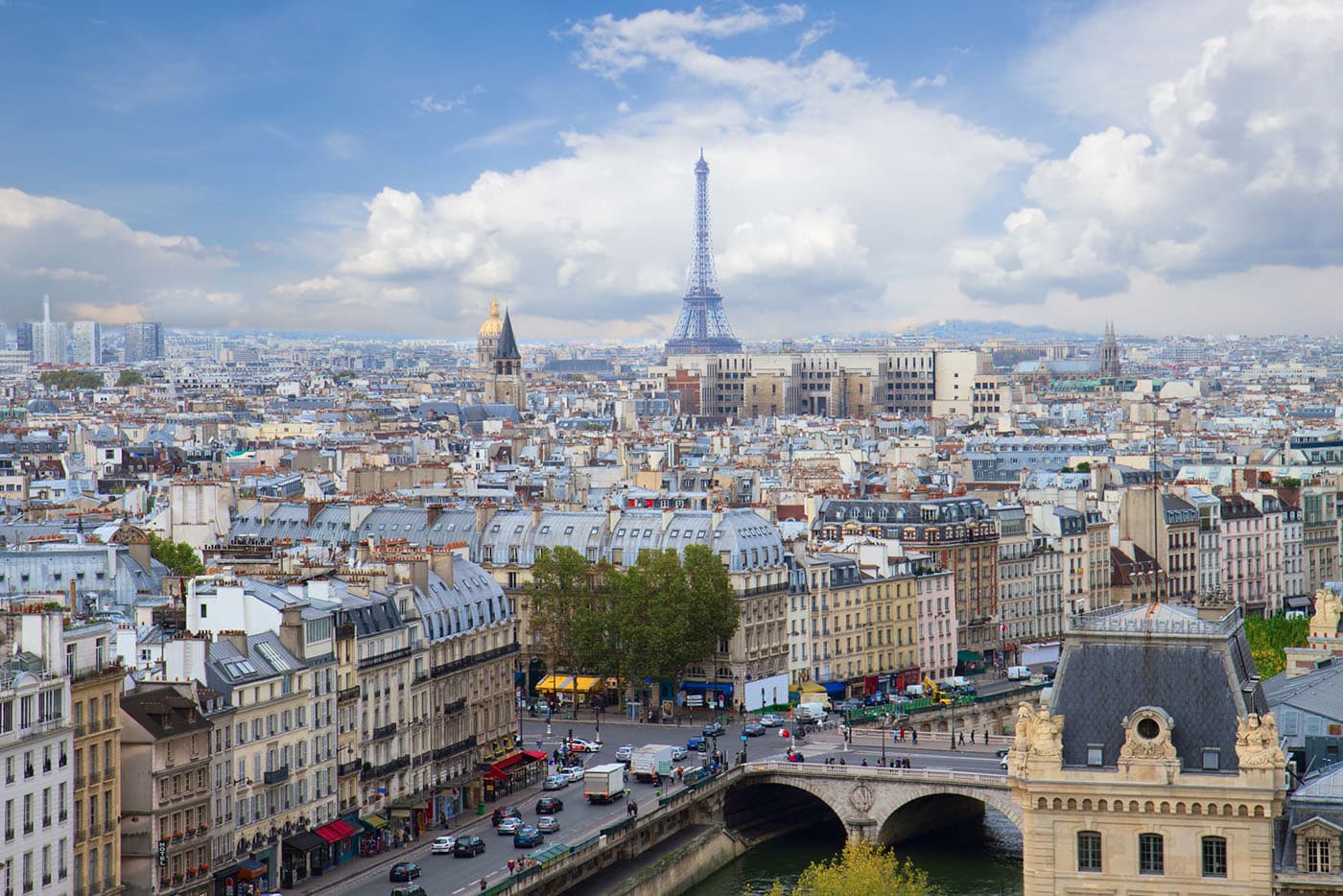
Paris has reclaimed its throne as the most visited city in Europe, narrowly surpassing London. The French capital’s success is attributed to its unparalleled density of cultural institutions—such as the Louvre and the Musée d’Orsay—and a robust, high-frequency Metro system. Beyond its traditional attractions, Paris has successfully leveraged its massive inventory of vacation rentals and boutique hotels to accommodate record-breaking numbers of tourists.
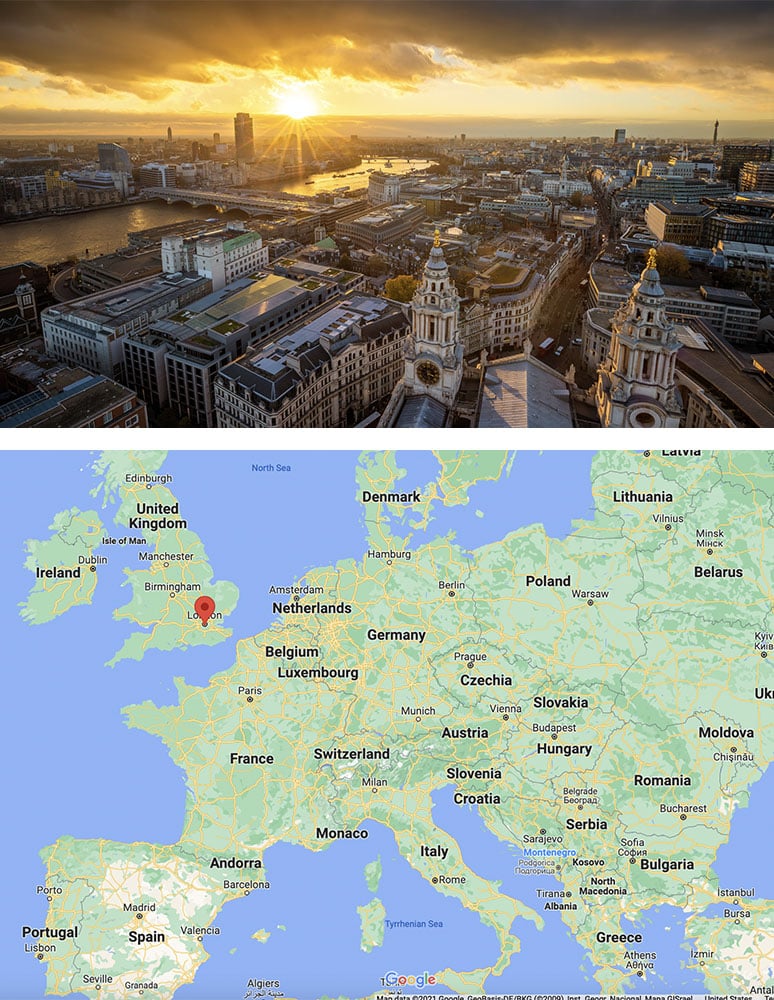
2. London, United Kingdom (40 Million Annual Visitors)
Despite being overtaken by Paris, London remains a global travel anchor. Its primary advantage lies in its connectivity; with multiple international airports serving as hubs for long-haul travel, London is the natural gateway for North American and Asian tourists entering Europe. The lack of a language barrier for many international visitors makes it the premier "soft landing" for first-time travelers to the continent.
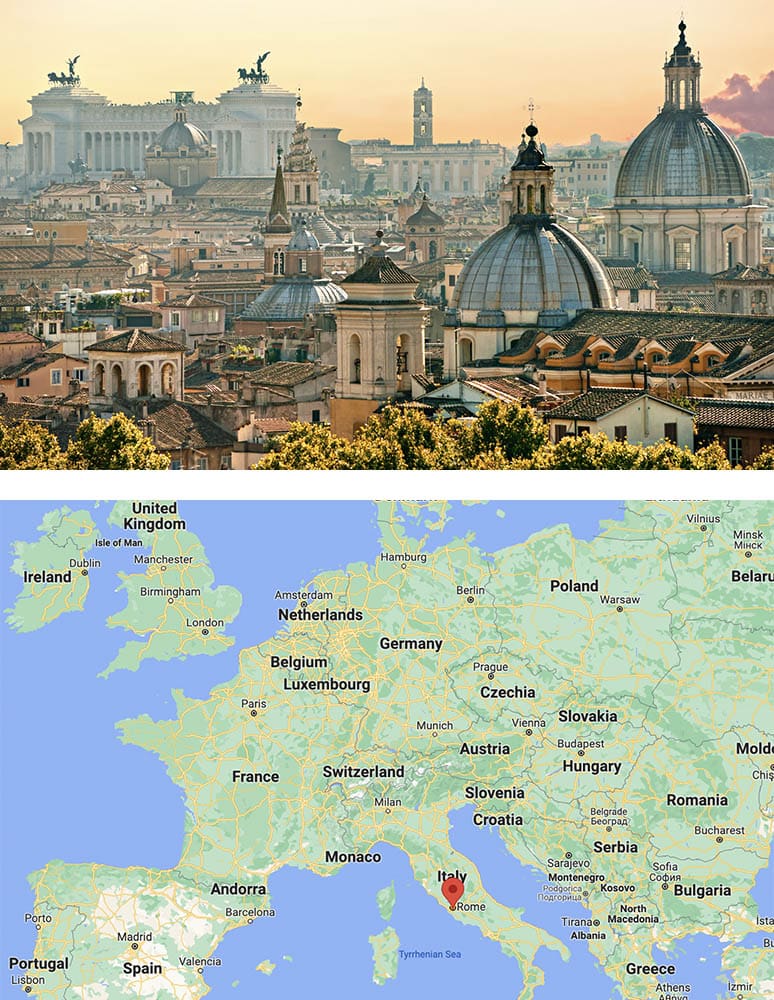
3. Rome, Italy (35 Million Annual Visitors)
Often cited as the world’s second most culturally and historically significant city, Rome continues to draw millions who seek a tangible connection to the ancient world. The Eternal City serves as the primary gateway to Italy, with its dense network of regional rail links allowing travelers to pivot quickly from the Colosseum to the rolling hills of Tuscany or the southern coast.
The Rise of "East Meets West" and Mediterranean Hubs
While the "Big Three" remain the pillars of European tourism, the rankings reveal a significant shift toward destinations that offer a mix of affordability and distinct cultural identity.
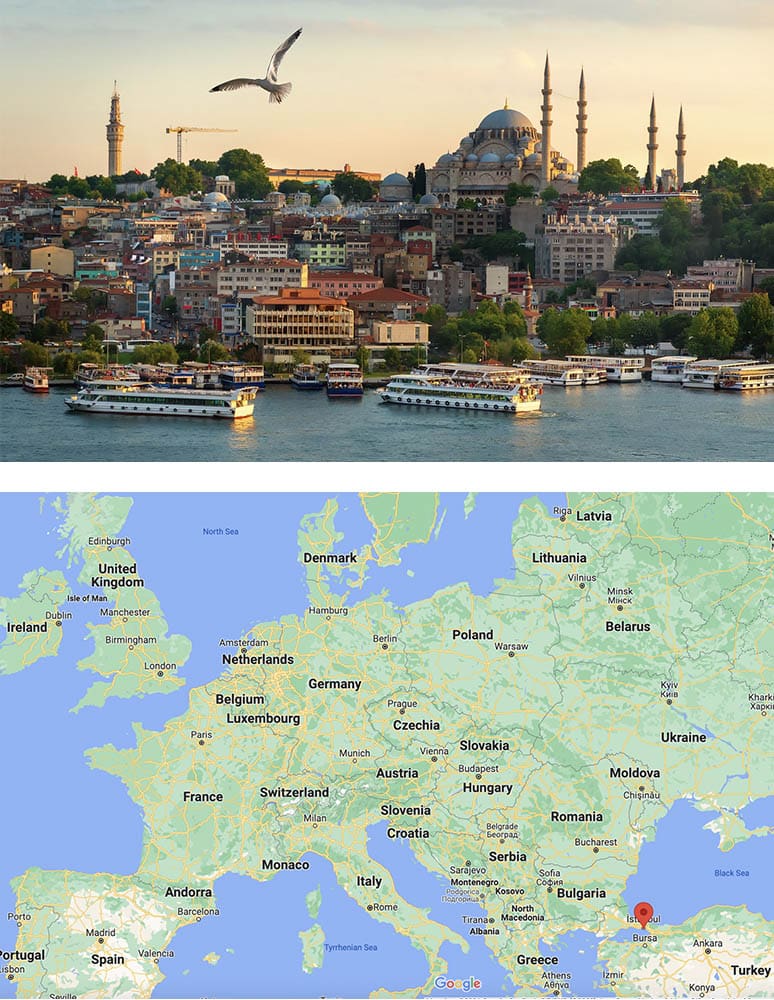
Istanbul, Turkey (20 Million Annual Visitors)
Istanbul’s trajectory is perhaps the most impressive. Having navigated a period of geopolitical volatility, the city has emerged as a powerhouse of tourism. Serving as a literal bridge between Europe and Asia, Istanbul appeals to a demographic seeking a unique blend of Byzantine history, Ottoman grandeur, and a burgeoning contemporary arts scene.
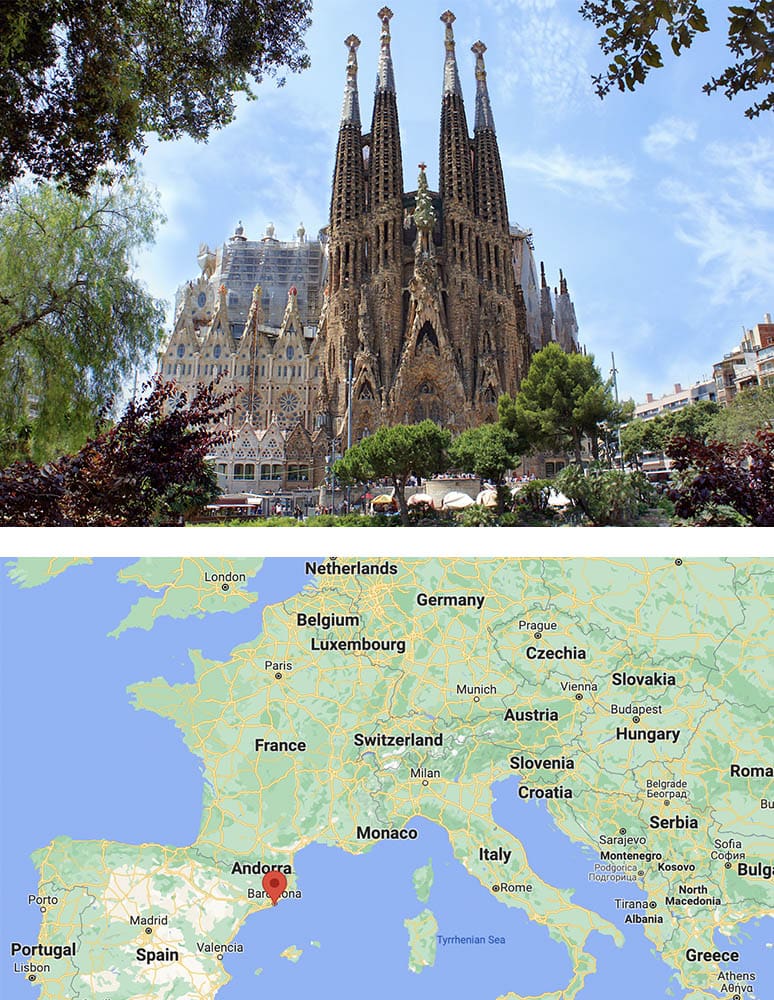
Barcelona, Spain (16 Million Annual Visitors)
Barcelona continues to command a massive share of the Mediterranean market. Its unique selling proposition—the fusion of Gaudí’s architectural wonders, urban beach culture, and a world-class nightlife scene—solidifies its position as an essential stop for both budget-conscious backpackers and luxury travelers.
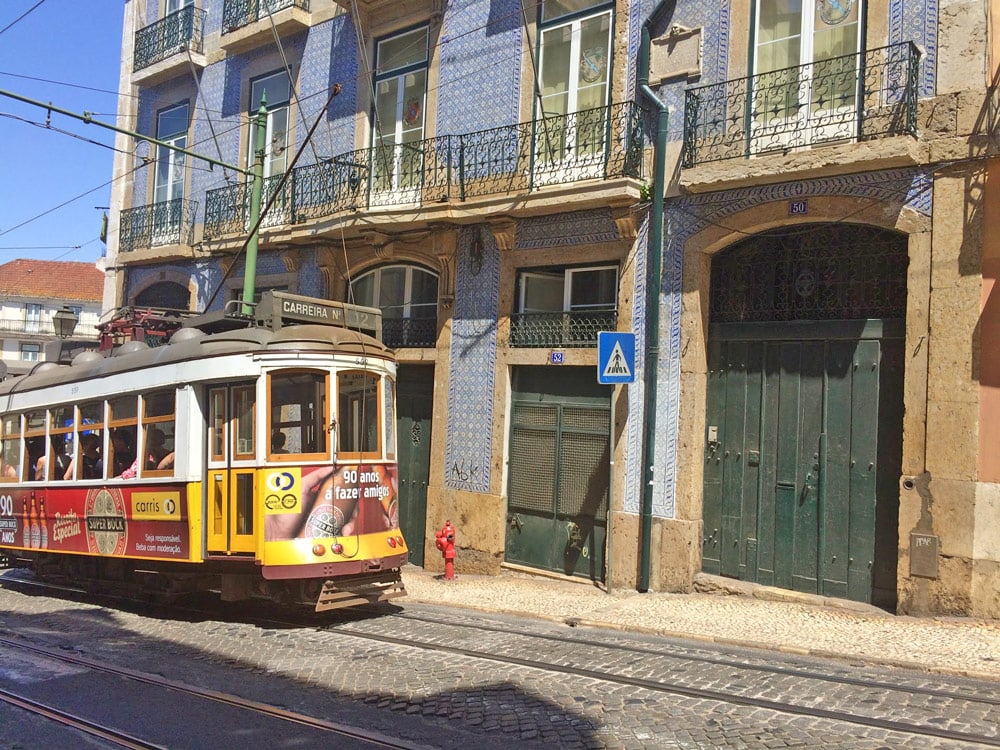
Lisbon, Portugal (14 Million Annual Visitors)
Lisbon has experienced a meteoric rise. Once considered a secondary European destination, it has become a "hot" city, favored for its coastal atmosphere, pastel-hued aesthetic, and relatively lower cost of living compared to Western European counterparts. Its appeal lies in its "gritty-chic" charm and the accessibility of its historic neighborhoods.
Challenges and Implications: The Over-Tourism Dilemma
The record-breaking arrival numbers of 2025 bring both economic prosperity and logistical strain. Municipalities are increasingly forced to grapple with the externalities of success.
The Impact on Infrastructure
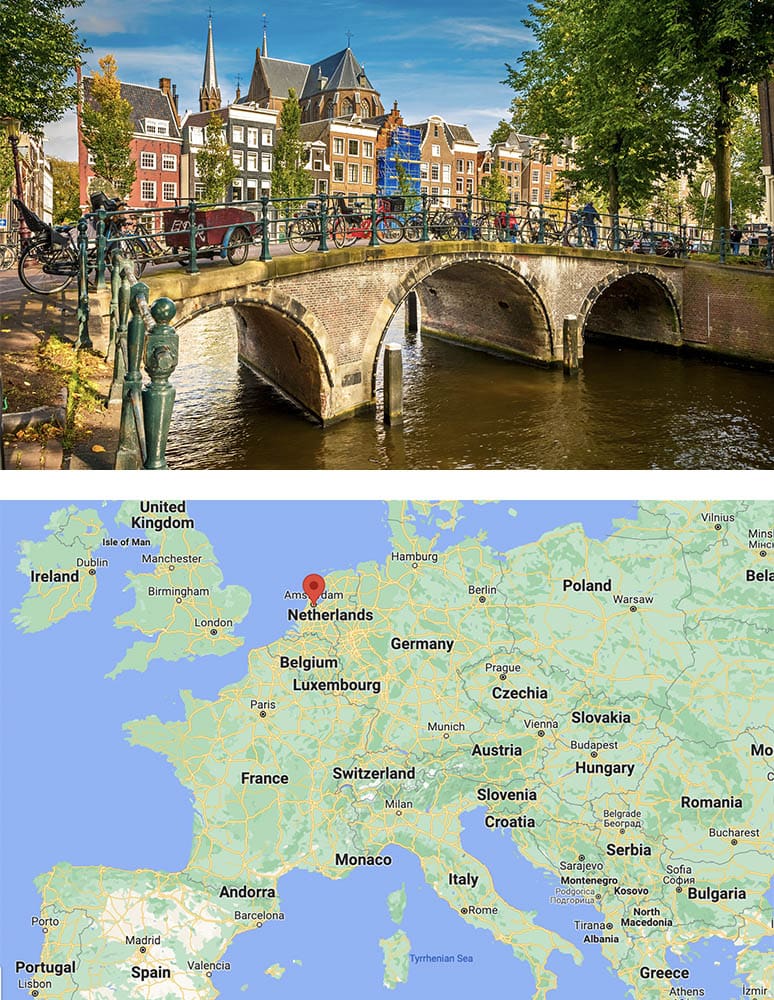
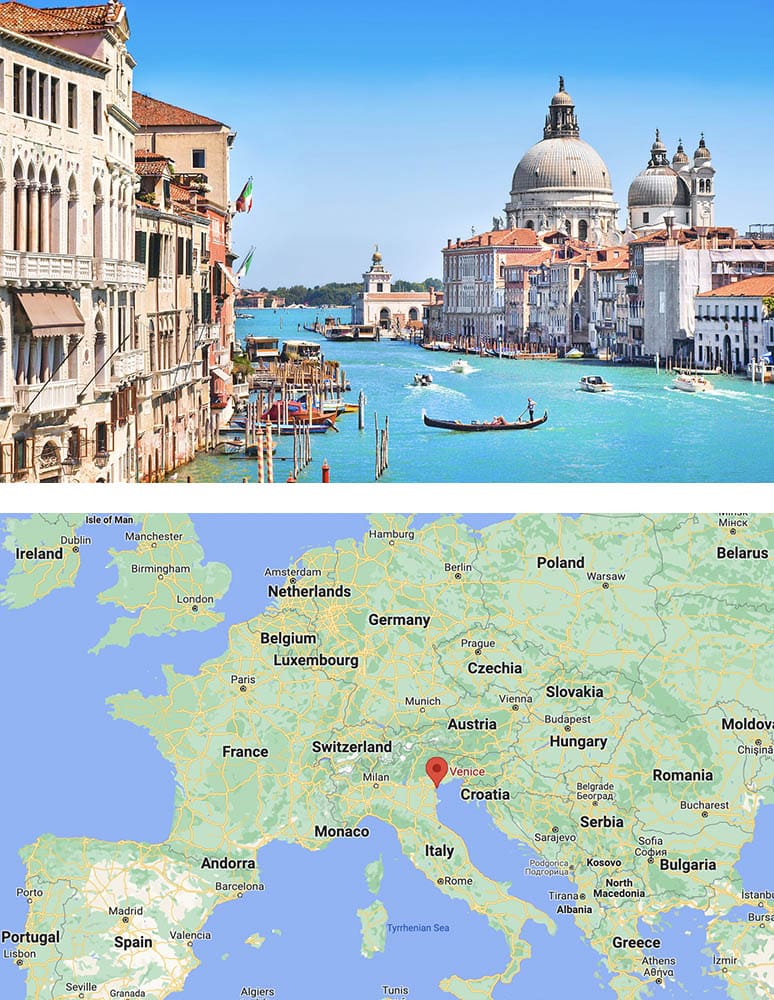
Cities like Amsterdam (8.9 million visitors) and Venice (5.6 million visitors) serve as cautionary tales. In Amsterdam, the density of tourism in the historic canal belt has led to debates regarding the limitation of vacation rentals and the promotion of off-season travel. Similarly, Venice, which faces the dual challenge of environmental fragility and extreme population density during peak cruise ship seasons, has implemented new strategies to encourage overnight stays, which distribute the economic benefits of tourism more evenly while reducing the impact of day-trippers.
Sustainability and the "Off-Season" Pivot
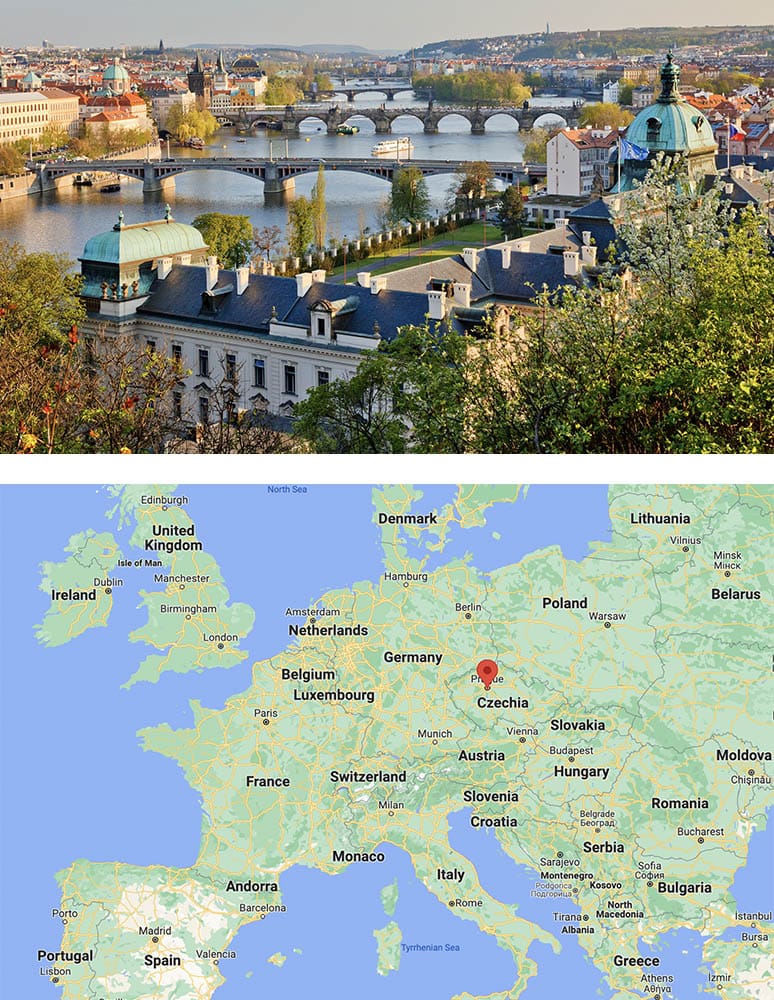
A recurring theme among local tourism boards in 2025 is the promotion of "second-tier" seasons. Cities like Prague (7.5 million visitors), which historically suffered from intense summer overcrowding, are now investing heavily in marketing campaigns for the shoulder months. The logic is clear: visitors who arrive in November or March enjoy a more authentic experience, and the city’s infrastructure avoids the "tipping point" of saturation that can degrade the quality of life for residents.
Economic and Strategic Considerations
For the modern traveler, the data suggests that strategy is essential. The cost of living in major hubs like London, Amsterdam, and Copenhagen remains high, pushing travelers toward cities with significant "value-add."
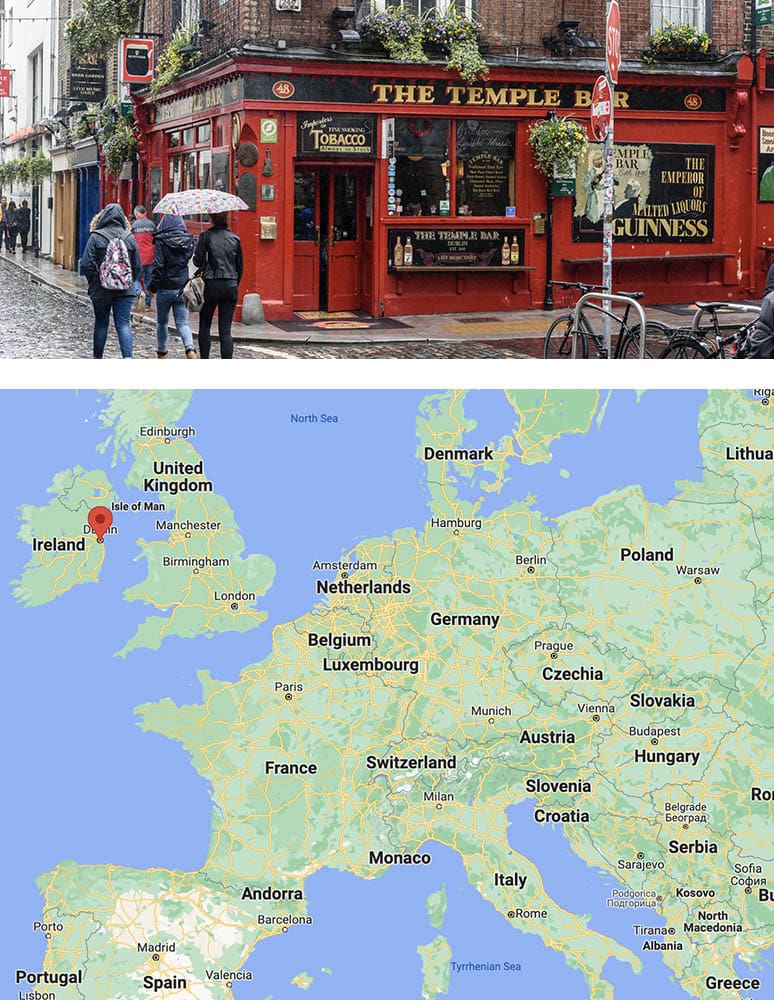
- Affordability: Cities such as Krakow (2.9 million) and Budapest (4 million) provide a high return on investment for travelers, offering world-class nightlife, deep history, and architectural beauty at a fraction of the cost of Western capitals.
- Logistics: The expansion of high-speed rail, particularly in the German-speaking regions (Munich, 4.2 million; Hamburg, 4 million), has created a "hub and spoke" model where travelers can visit a major city and easily conduct day trips to surrounding regions.
- The "Hidden Gem" Factor: Cities like Tallinn (4 million) and Seville (2 million) are gaining traction as travelers look to move beyond the traditional "must-see" lists, seeking instead unique cultural pockets that have yet to be fully commodified.
Conclusion: Planning for the Future
As we look toward the remainder of the decade, the European tourism sector is characterized by a paradox: it is more accessible than ever, yet more crowded than at any point in history. The key for the contemporary traveler is to leverage the data available. By understanding which cities are nearing capacity and which are providing the best value, one can curate a multi-city trip that is both economically sensible and culturally enriching.
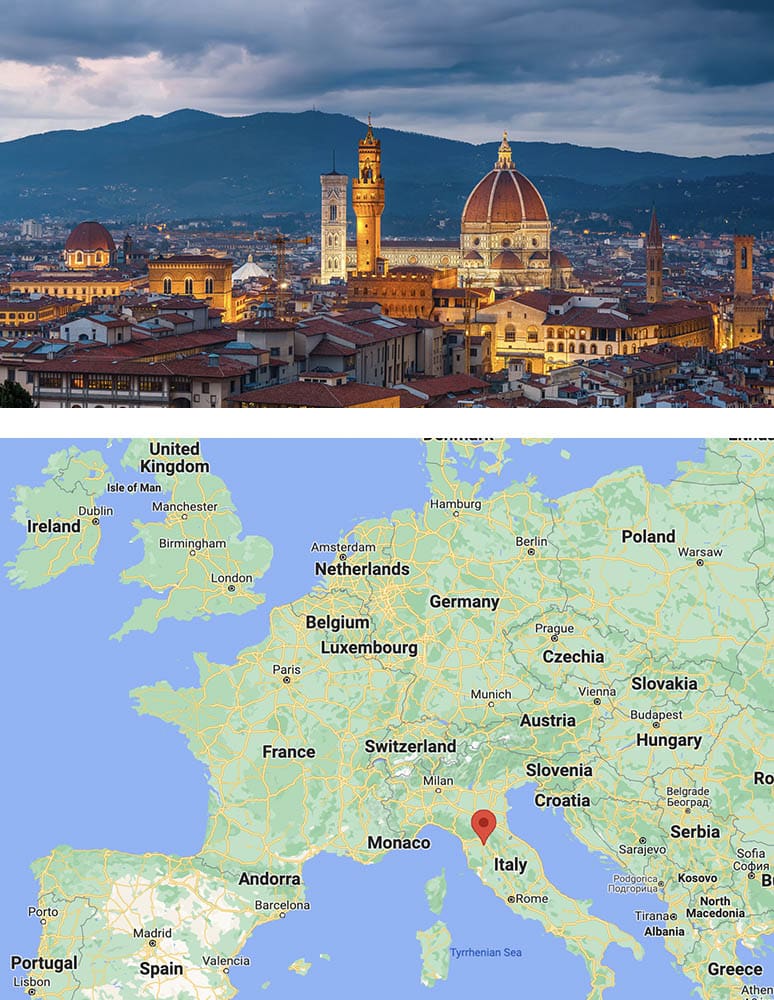
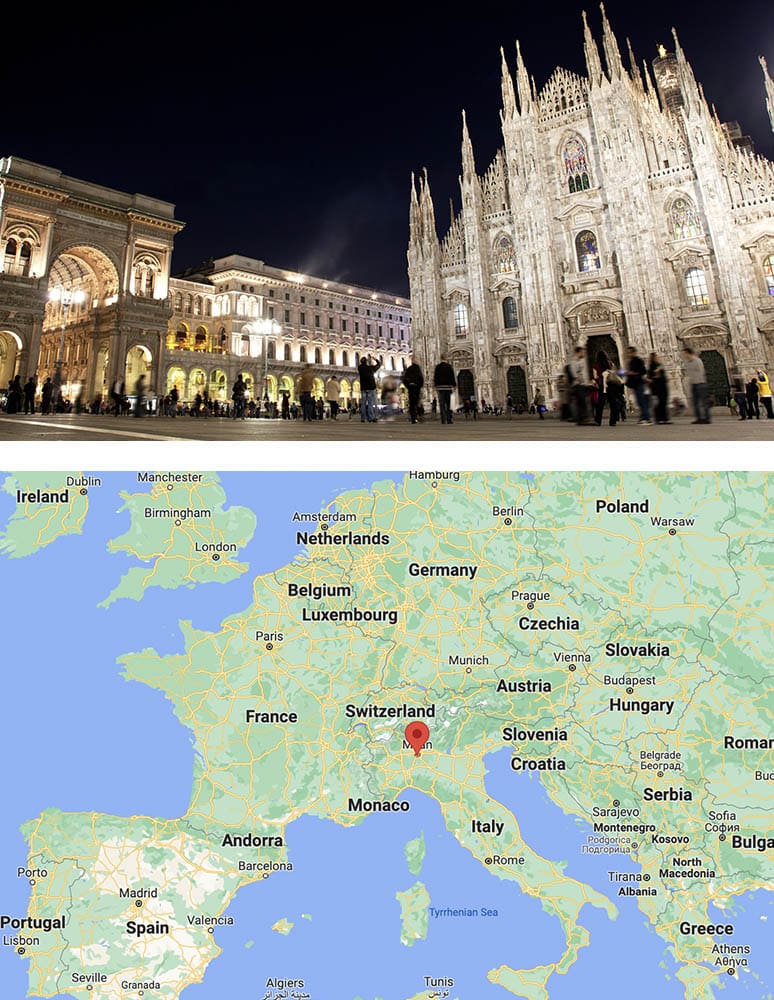
Whether it is the "Paris of the East" (Budapest), the "Fashion Capital" (Milan, 8.2 million), or the "Medieval Fairytale" (Bruges, 2.5 million), Europe remains a continent of infinite variety. However, success in 2025 requires more than just a flight ticket; it requires an awareness of the footprint we leave behind and a commitment to exploring the vibrant, yet often overlooked, corners of the continent.
Summary Table of Top 10 Cities (2025 Data)
| Rank | City | Annual Visitors |
|---|---|---|
| 1 | Paris, France | 50 Million |
| 2 | London, United Kingdom | 40 Million |
| 3 | Rome, Italy | 35 Million |
| 4 | Istanbul, Turkey | 20 Million |
| 5 | Barcelona, Spain | 16 Million |
| 6 | Lisbon, Portugal | 14 Million |
| 7 | Amsterdam, Netherlands | 8.9 Million |
| 8 | Milan, Italy | 8.2 Million |
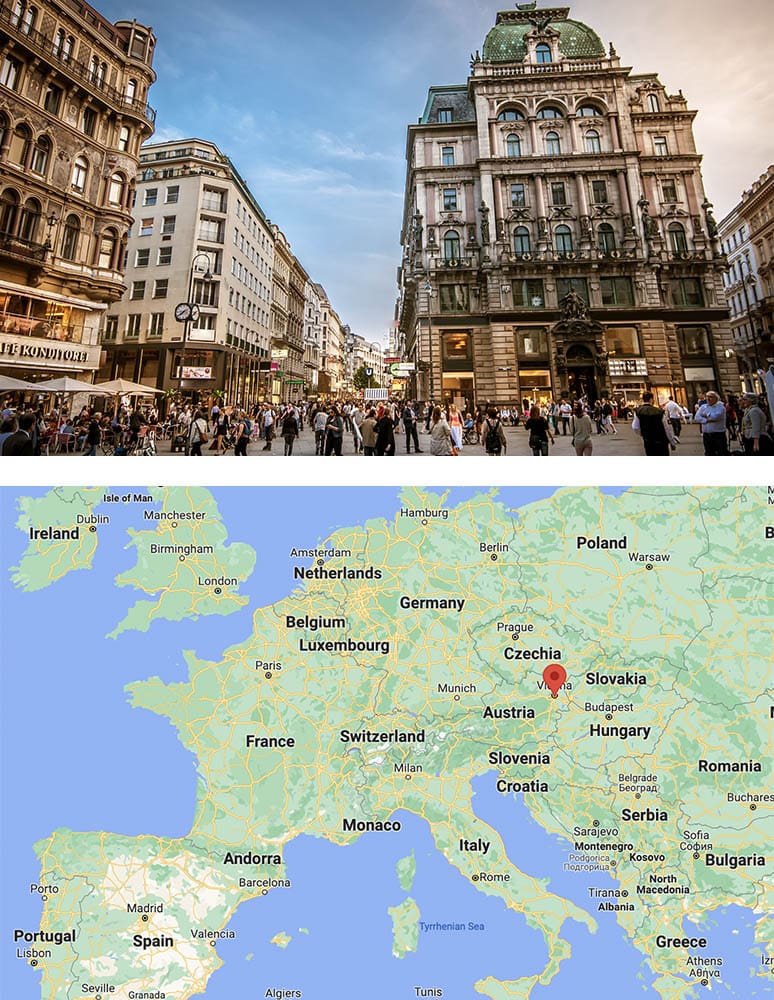
| 9 | Vienna, Austria | 8.2 Million |
| 10 | Prague, Czech Republic | 7.5 Million |
Note: This data is aggregated from municipal tourism offices and Euromonitor International. Visitor numbers include both domestic and international overnight stays.
 Pevita Pearce
  Dwi Wanna