

The historic city of Tokat, Turkey—a region defined by its rugged landscapes, 1,500-year-old architectural heritage, and deep-rooted agricultural traditions—is set to become the epicenter of global sustainable tourism. From July 27 to 31, 2021, the city will host the 16th Ecotourism and Sustainable Tourism Conference (ESTC), organized by The International Ecotourism Society (TIES). This prestigious event will gather global leaders, policymakers, and environmentalists to discuss the future of responsible travel.
A City at the Crossroads of Civilizations: Main Facts
Tokat, located at the vital intersection of the Black Sea and the Anatolian plateau, is a living museum. Its geographic positioning has historically served as a bridge between diverse cultures, providing a sanctuary for 14 distinct civilizations since the 5th century. This unique crossroads status has not only shaped its history but has fostered a distinct ecological diversity that makes it a prime candidate for the TIES conference.
The city’s climate, which transitions between the maritime influences of the Black Sea and the continental patterns of interior Anatolia, has resulted in a remarkably fertile region. With over 82 distinct varieties of cereals, vegetables, and fruits, Tokat is an agricultural powerhouse. This bounty is the cornerstone of its local economy and a major draw for culinary tourism, with the famous Tokat Kebab—prepared using local meats and garden-fresh produce—serving as the city’s gastronomic ambassador.
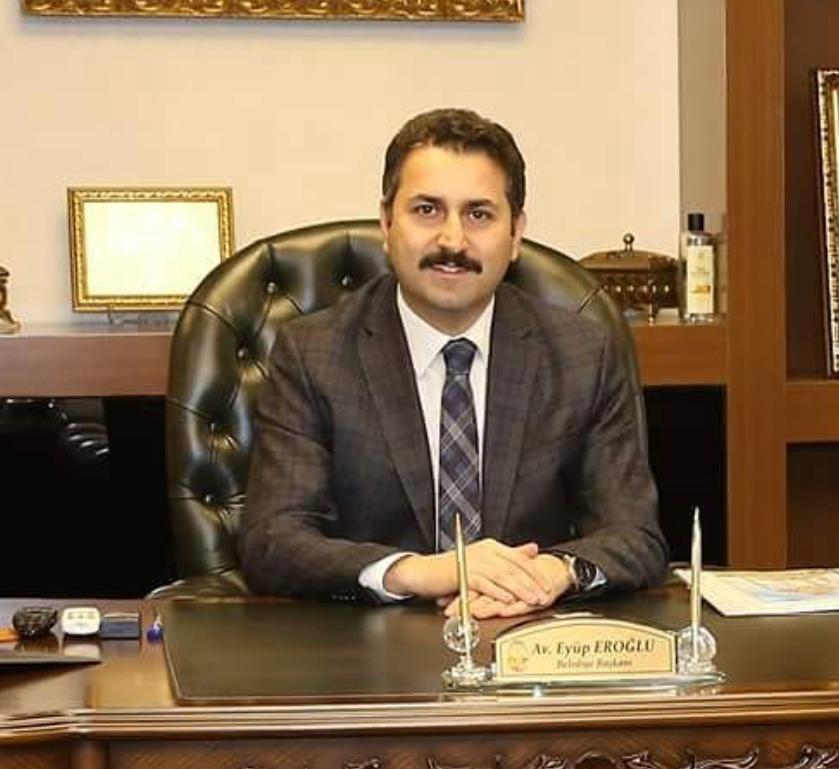
The Visionary Behind the Transformation: Mayor Eyüp Eroğlu
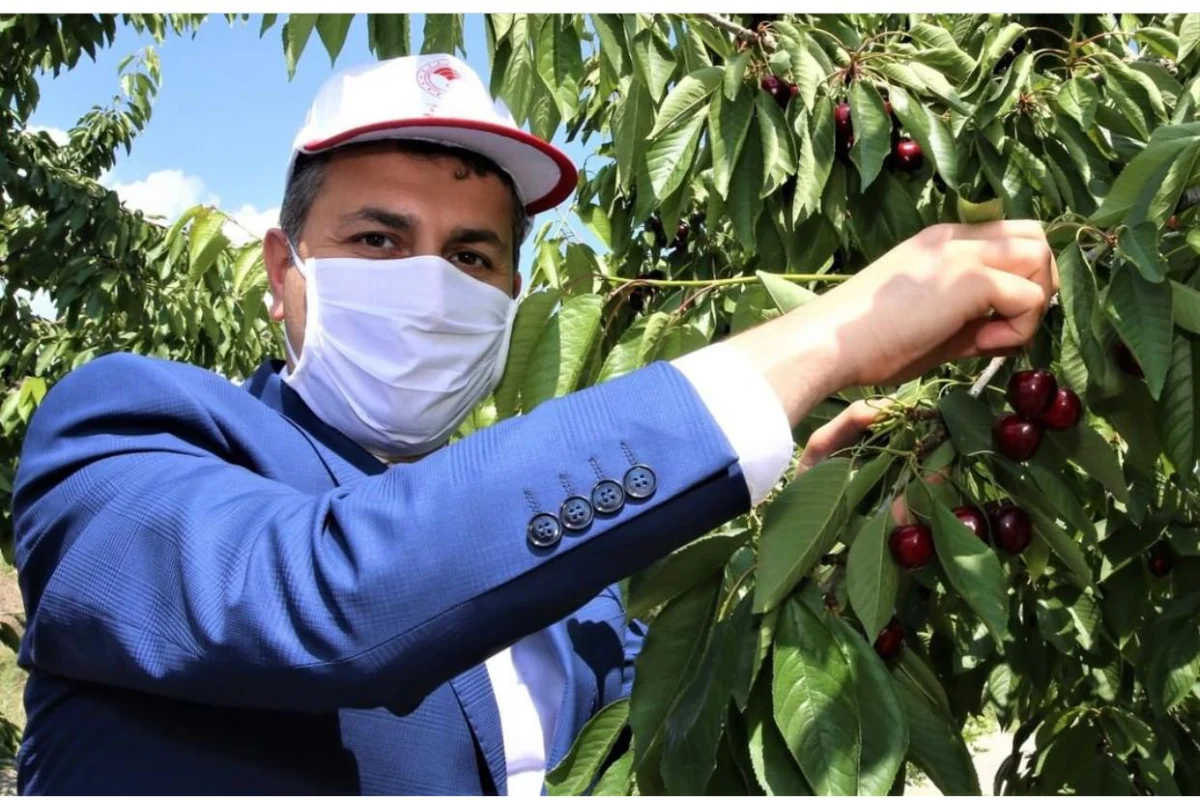
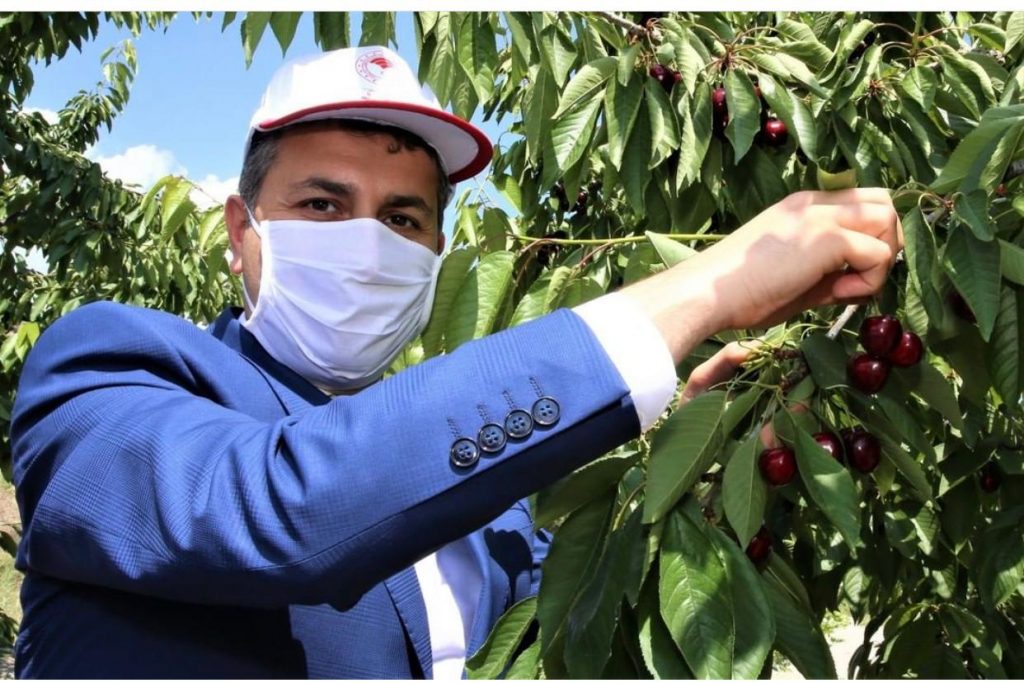
At the heart of Tokat’s recent modernization efforts is its mayor, Attorney Eyüp Eroğlu. As one of Turkey’s youngest and most proactive municipal leaders, Mayor Eroğlu has championed a vision that balances the preservation of ancient heritage with the demands of 21st-century sustainability.
In a recent interview, Mayor Eroğlu articulated his enthusiasm for the upcoming ESTC. "Tokat is a city where history is written in every stone," he noted. "However, we are not just a city of the past. We are positioning ourselves as a leader in sustainable development. Our goal is to represent our city on the international stage, ensuring that our growth remains in harmony with the environment."
Chronology: A Journey Toward Sustainability
Tokat’s path to becoming a global ecotourism hub did not happen overnight. The city’s strategic development follows a multi-year plan aimed at infrastructure improvement, cultural preservation, and environmental conservation:
- Ancient Foundations (5th Century – Present): The city developed under the watchful gaze of the Tokat Castle, a Byzantine-era fortification that remains a major landmark. Its survival through centuries of geopolitical change provides the narrative framework for modern tourism.
- Agricultural Diversification: Over the last decade, municipal initiatives have focused on protecting indigenous seed varieties and traditional farming methods, including the cultivation of world-renowned grape leaves and walnuts.
- Modernization (2014–2020): Under Mayor Eroğlu’s administration, the city accelerated its investment in ecological tourism infrastructure, including the restoration of historical sites and the promotion of green spaces.
- The Bid for TIES (2020–2021): After a rigorous selection process, TIES recognized Tokat’s potential, leading to the selection of the city as the host for the 16th ESTC.
- The Conference (July 27–31, 2021): The culmination of these efforts, where the world’s tourism experts will descend upon the city to exchange strategies for the future.
Supporting Data: The Ecological and Cultural Wealth
The appeal of Tokat is supported by empirical evidence of its biodiversity and resource management. The region’s varied elevation—ranging from river valleys to high mountain plateaus—creates a "micro-climate mosaic" that allows for a staggering variety of produce.
- Agricultural Diversity: The 82 varieties of crops include staple cereals and unique local products such as fenugreek and molasses, which are integral to the local economy.
- Cultural Heritage: The city houses numerous Ottoman and Seljuk structures. These are not merely decorative but serve as the backbone for cultural tourism, which TIES advocates as a sustainable alternative to mass tourism.
- Accessibility and Infrastructure: While maintaining its traditional character, the city has developed the necessary logistics to host international delegates, including sustainable transport options and eco-friendly hospitality venues.
Official Responses: Welcoming the Global Community
Mayor Eroğlu’s administration has made it clear that the city is ready to open its doors to the international community. "Tokat Municipality welcomes The International Ecotourism Society and its valuable guests," the Mayor stated. "We are eager to show the world our cultural legacy and our genuine Anatolian hospitality. We are confident that visitors will leave with unforgettable memories, having witnessed a society that values its roots as much as its future."
Regarding the logistical challenge of hosting a major event during a changing global landscape, the Mayor emphasized safety. "I am deeply impressed with the meticulous care TIES has taken to ensure the safety of ecotravelers and the people of Tokat. We have implemented strict protocols to ensure that our guests can focus entirely on the conference’s mission."
Implications: The Future of Ecotourism in Turkey
The selection of Tokat for the 16th ESTC carries significant weight for the broader Turkish tourism industry. By shifting the focus away from coastal resorts toward the interior, the conference highlights the untapped potential of inland Anatolia.
1. Economic Empowerment of Rural Regions
The conference acts as a catalyst for local businesses. By bringing international attention to Tokat’s agricultural products—such as its famous grape leaves and walnuts—the event provides a platform for small-scale farmers and artisans to reach global markets.
2. Preserving the "Living History"
Ecotourism is inherently tied to the preservation of local traditions. By prioritizing sustainable practices, the municipal government is signaling that it intends to protect its historic landmarks and biodiversity from the negative impacts of over-tourism. This serves as a model for other historic cities in the region.
3. A New Global Standard
The collaboration between TIES and the Tokat Municipality sets a precedent for how international organizations and local governments can partner to achieve sustainable development goals. The focus is not just on tourism volume, but on the quality and impact of that tourism on the local community.
Conclusion: An Invitation to Discovery
As July approaches, the anticipation in Tokat is palpable. The city is preparing to demonstrate that it is more than just a historical footnote—it is a modern, thriving destination that embodies the very essence of sustainability.
The International Ecotourism Society (TIES) encourages all interested professionals, environmentalists, and travelers to register for the conference. For those seeking to witness firsthand how a city can integrate 1,500 years of history with forward-thinking ecological stewardship, Tokat offers an unparalleled experience.
Delegates and attendees are encouraged to secure their spots early to participate in this landmark event. The registration process is currently open for those who wish to join the conversation on the future of our planet’s most vital industry.
Join us in Tokat. Experience the intersection of ancient Anatolian heritage and the future of global sustainability. Register here to secure your participation in the 16th ESTC.
 Laily UPN
  Ammar Sabilarrohman
  Basiran