

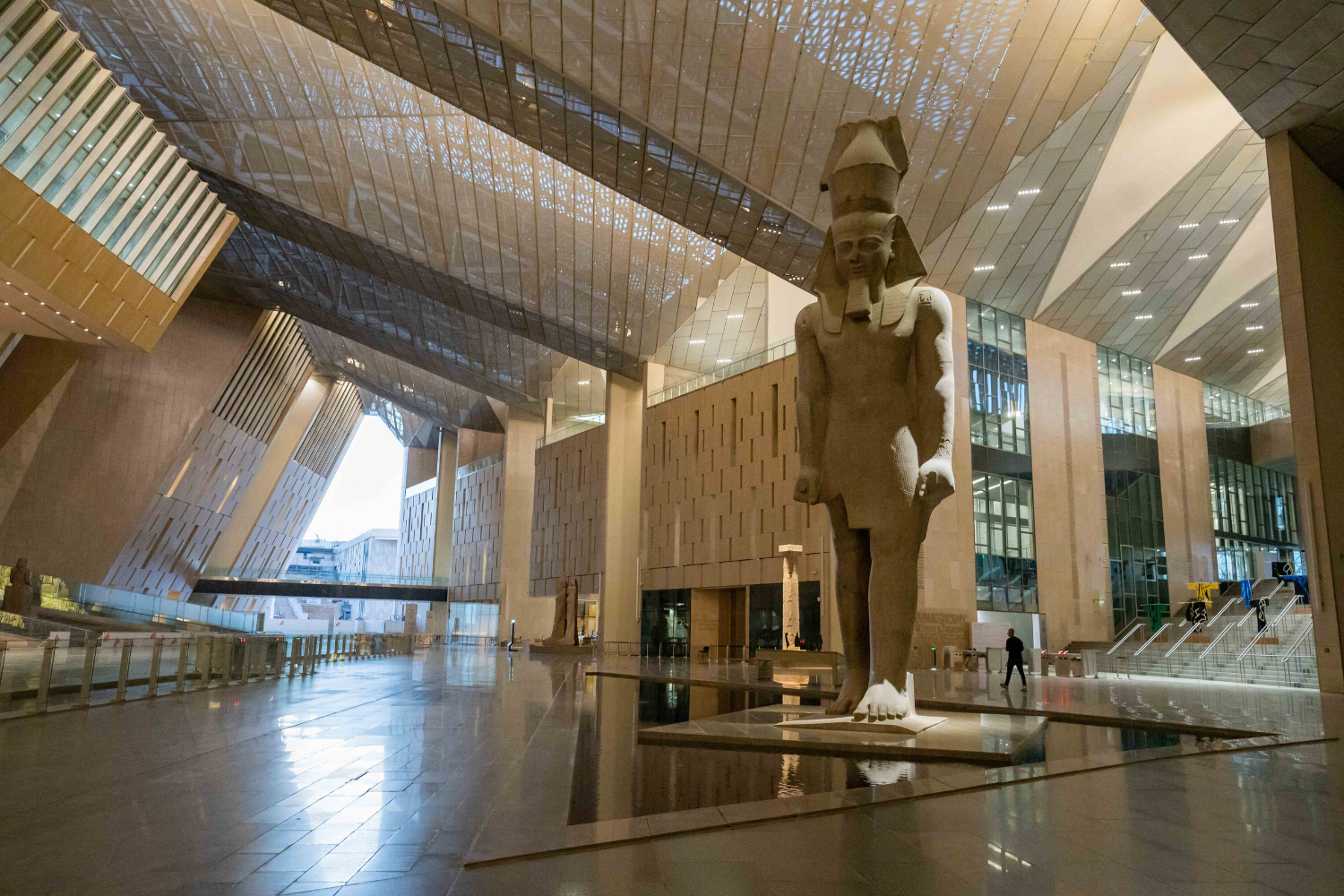
Egypt, a land whose identity is inextricably linked to the sands of antiquity and the lifeblood of the Nile, is currently orchestrating a profound transformation in its national tourism strategy. For decades, the Egyptian Tourism Authority (ETA) measured success through the sheer scale of foot traffic—the endless queues at the Giza Plateau and the steady flow of tour buses snaking through Luxor. However, a new directive is emerging from Cairo: the era of "growth at any cost" is being supplanted by a philosophy of "value over volume."
As the country eyes a target of $36 billion to $40 billion in annual tourism receipts by 2030—a near doubling of the current $18.6 billion—the government is pivoting its marketing machine. The message is clear: Egypt no longer wants to be merely a stopover; it intends to be a premium, high-spend destination that incentivizes longer stays and higher individual expenditures.
The Strategic Shift: From Quantity to Quality
The Egyptian Tourism Authority (ETA) recently signaled this departure from traditional metrics in an official statement that underscored a maturing national agenda. "Arrivals have driven the story for years, and the country remains on track to reach 30 million visitors annually by 2030," the statement noted. "The next target is value."
This shift is not a rejection of visitor numbers, but a recontextualization of them. By moving the goalposts from headcount to revenue per visitor, Egypt is aiming to alleviate the infrastructure pressures caused by mass tourism while maximizing the economic impact of every traveler who crosses its borders. This involves diversifying the tourism product—moving away from the "hit-and-run" sightseeing circuit toward curated, high-end experiences that encourage visitors to linger in the country for weeks rather than days.
Chronology of Growth: A Recent History of Egyptian Tourism
To understand the current ambition, one must look at the recent trajectory of Egypt’s tourism sector, which has displayed remarkable resilience despite regional geopolitical volatility.
- 2023–2024: Following the post-pandemic recovery, Egypt saw a robust surge in demand. The government intensified its marketing campaigns, focusing on the upcoming opening of the Grand Egyptian Museum (GEM) as a global centerpiece.
- 2025: A landmark year in terms of volume, with Egypt welcoming approximately 19 million international visitors. This period solidified the country’s status as a top-tier global destination, though it also highlighted the strain on existing hospitality infrastructure.
- 2026 (Year-to-Date): The growth trend persists, albeit at a more sustainable pace. In the first nine months of 2026, Egypt recorded 14.4 million international arrivals, a 4% increase year-over-year.
- 2026 (Forecast): BMI, a Fitch Solutions company, projects the year will close with roughly 20.19 million visitors. This steady growth provides the stable foundation necessary for the government to begin layering in the "premium" components of their new strategy.
Supporting Data: By the Numbers
The economic mathematics of Egypt’s 2030 vision are ambitious. To reach the $36–$40 billion threshold, the country must fundamentally alter the spending patterns of its average visitor.
| Metric | Current Status (Approx.) | 2030 Target |
|---|---|---|
| Annual Tourism Revenue | $18.6 Billion | $36–$40 Billion |
| Annual Visitor Count | 19–20 Million | 30 Million |
| Revenue per Visitor | ~$900–$1,000 | ~$1,200–$1,300 |
The data suggests that while visitor counts are expected to grow by roughly 50% from 2025 levels, the revenue is expected to grow by more than 100%. This gap is where the "value" strategy lives. By promoting luxury Nile cruises, high-end boutique properties in the Siwa Oasis, and gastronomy-focused travel, Egypt aims to capture a more affluent demographic that remains immune to minor economic fluctuations and seeks deep, immersive cultural experiences.
Official Responses and Policy Directions
Government officials and tourism industry leaders have been vocal about the necessity of this shift. According to the Ministry of Tourism and Antiquities, the "premium" pivot is designed to decentralize tourism.
"We have spent years ensuring the world knows Egypt is open," a ministry spokesperson noted during a recent briefing. "Now, we are ensuring that when they arrive, they have the opportunity to engage with the modern, diverse face of Egypt—the wellness retreats of the Red Sea, the historical heritage of the Delta, and the luxury maritime experiences on the Nile."
The strategy focuses on three pillars of diversification:
- Maritime Luxury: Moving beyond the crowded, large-scale cruise ships, the ETA is promoting dahabiya sailing boats—traditional, shallow-draft wooden vessels that offer a private, slow-travel experience along the Nile. These experiences command a significantly higher price point and cater to a discerning, eco-conscious market.
- Boutique Hospitality: There is an aggressive push to incentivize the development of smaller, high-end boutique hotels that emphasize architecture, local culture, and high-touch service, rather than the standardized, large-chain resorts that have dominated the coastlines.
- Thematic Tourism: Egypt is actively marketing "niche" travel, including wellness retreats, culinary tourism (gastro-tourism), and specialized historical tours that cater to academic or private groups looking for an experience far removed from the mass-market package tour.
Implications: The Road to 2030
The transition to a high-value model is not without its risks. For one, moving toward a luxury-focused model requires a significant overhaul of service standards, hospitality training, and infrastructure.
The Infrastructure Challenge
To justify higher prices, Egypt must deliver a seamless experience. This includes modernizing regional airports, improving transport connectivity between historic sites, and ensuring that the quality of service matches the "premium" label. The completion of the Grand Egyptian Museum acts as the anchor for this, providing a world-class facility that signals to the global market that Egypt is ready to compete with the Louvre or the British Museum.
Economic Impact
If successful, the ripple effects will be transformative. Increased revenue per visitor means that the local economy—from artisans and chefs to private guides and boutique hoteliers—will benefit from a more sustainable form of tourism. It reduces the "over-tourism" footprint in fragile archaeological sites while ensuring that the sector contributes a larger share to the national GDP.
Geopolitical Resilience
Egypt’s tourism sector has historically been vulnerable to regional instability. By shifting the target demographic to higher-end, "experience-driven" travelers, the country may become more resilient. These travelers often plan their trips further in advance, are less sensitive to small price changes, and are more interested in the cultural depth of the destination than the lower-cost, impulse-travel market.
Conclusion: A New Chapter for the Pharaohs’ Land
As Egypt moves toward 2030, the narrative of its tourism industry is evolving from a tale of volume to one of prestige. The goal is to transform the visitor’s journey from a checklist of ancient monuments into an exploration of a modern, vibrant, and multifaceted nation.
While the target of $40 billion is ambitious, the current data suggests that the foundation is being laid effectively. By leveraging its unparalleled cultural capital and pivoting toward a luxury-integrated model, Egypt is betting that the world’s most discerning travelers are ready for a new way to experience one of the oldest civilizations on earth. The challenge remains in the execution—ensuring that as the price point rises, the authentic, mystical allure of Egypt remains the heart of the experience.
For the Egyptian Tourism Authority, the message is simple: Egypt is no longer just a destination you visit; it is a destination you invest your time in. And for the next decade, that investment is set to be the primary engine of the nation’s economic future.
 Dwi Wanna
 Layla Zulfa
 Jia Lissa
