

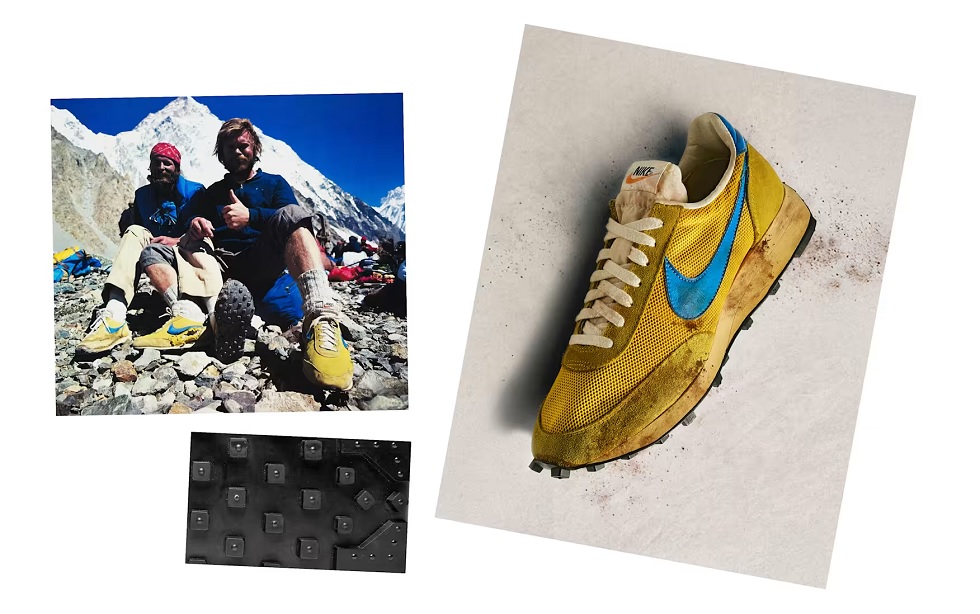
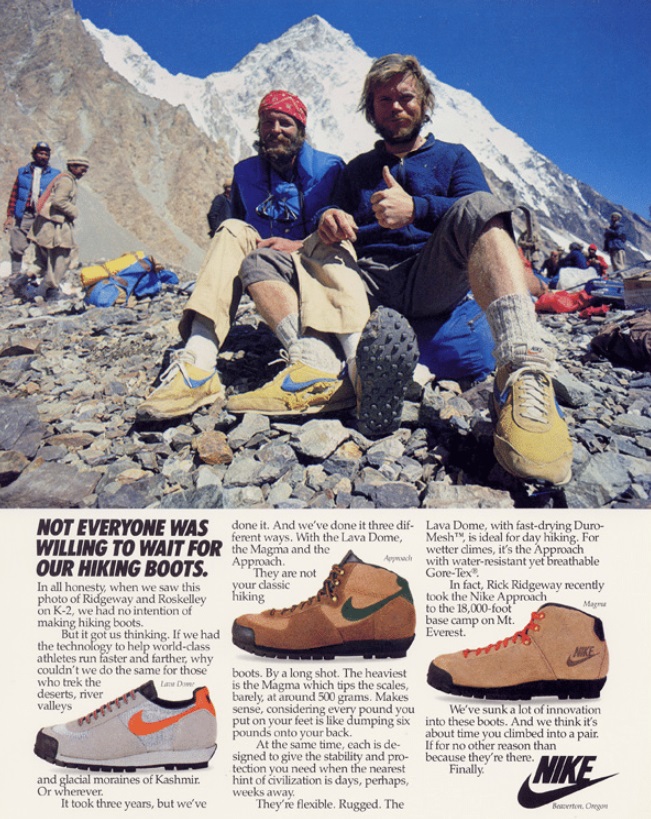
There is a photograph that explains Nike ACG better than any marketing lookbook ever could. It captures two men at the foot of K2, their faces gaunt after 68 grueling days on the mountain, snow-streaked ridgelines looming behind them. On their feet are a pair of yellow Nike running shoes, shredded and held together by sheer willpower and adhesive. One of the men offers a thumb to the camera—a gesture of survival, not victory.
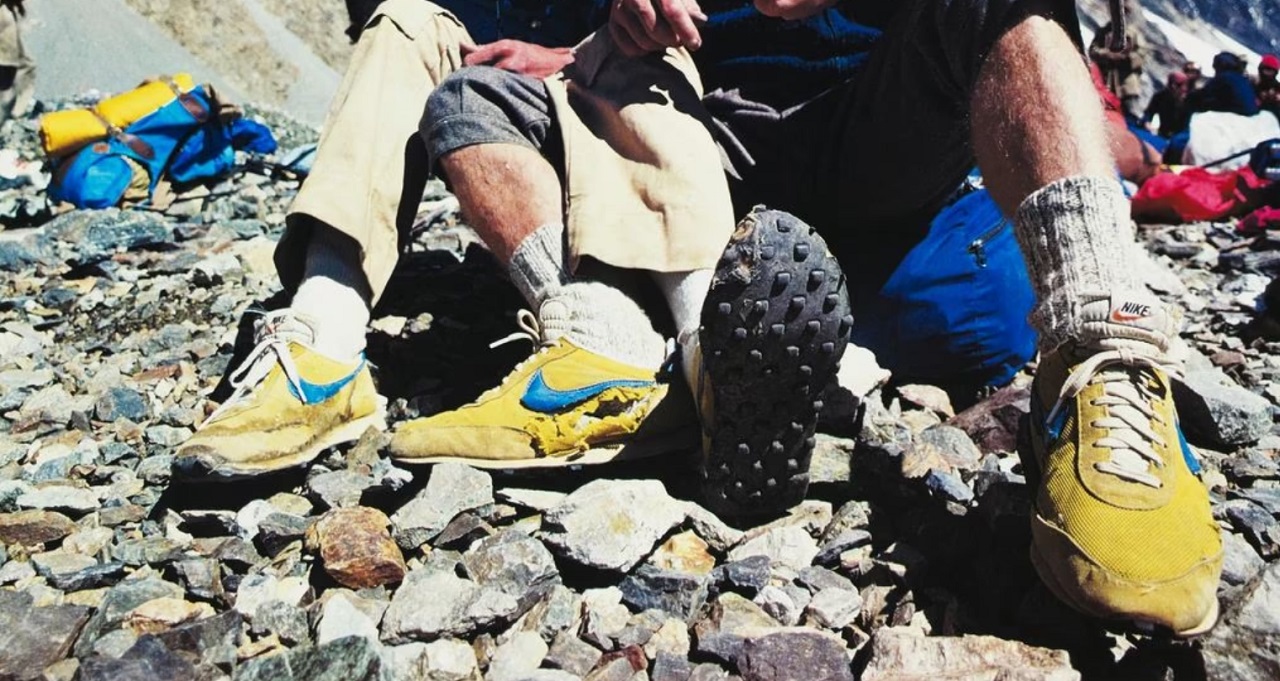
Those shoes were a last-minute addition for the 110-mile approach to base camp, a gift from a fledgling Oregon company that had no business being in the outdoor industry. That was 1978. Those battered sneakers were the accidental genesis of a cult brand—a label that would go on to define, inspire, and eventually vanish into the fog of corporate restructuring. Now, in 2026, Nike ACG is attempting the hardest climb of its existence: earning its way back into the heart of the outdoor community.
A Gift for the Walk In: The Origins of a Legend
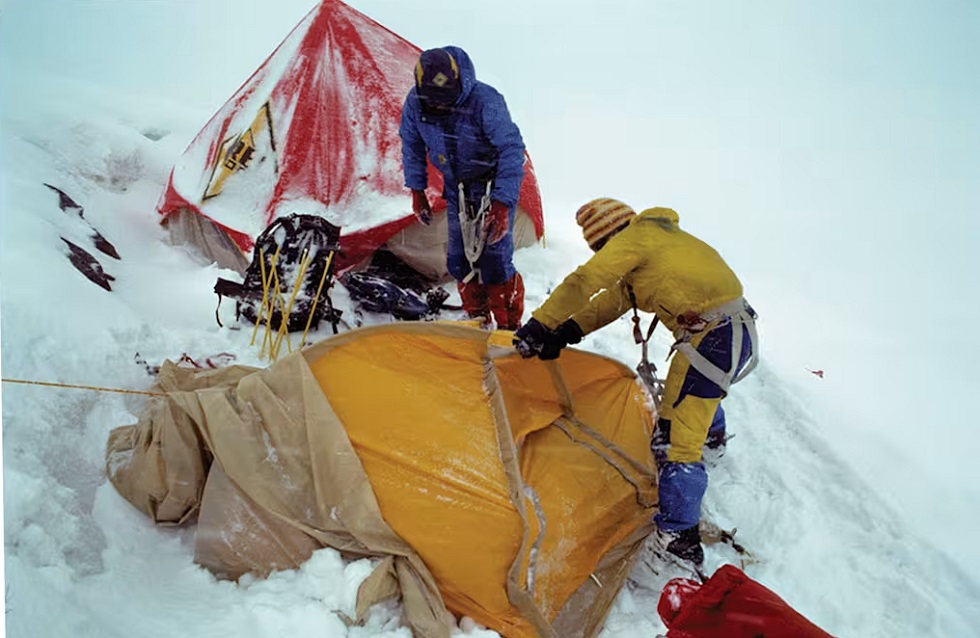
By 1978, K2 had been conquered exactly twice. It was a peak so formidable that American climbers had failed four times since 1938, leading to the derogatory moniker, "The American Mountain." Jim Whittaker, the first American to summit Everest, led the 1978 attempt. Among his team were Rick Ridgeway and John Roskelley.
Before the high-altitude heroics began, there was the 110-mile trek to base camp. Nike, then a growing but far from flush brand, provided the team with lightweight "Long Distance Vector" (LDV) running shoes. Designed by Bill Bowerman and orthopedist Dennis Vixie, these shoes were a radical departure from the heavy, stiff leather boots that were the industry standard. They were light, breathable, and—most importantly—they worked. By the time the expedition reached base camp, the shoes were in tatters, yet they had performed brilliantly on the boulder-strewn approach.
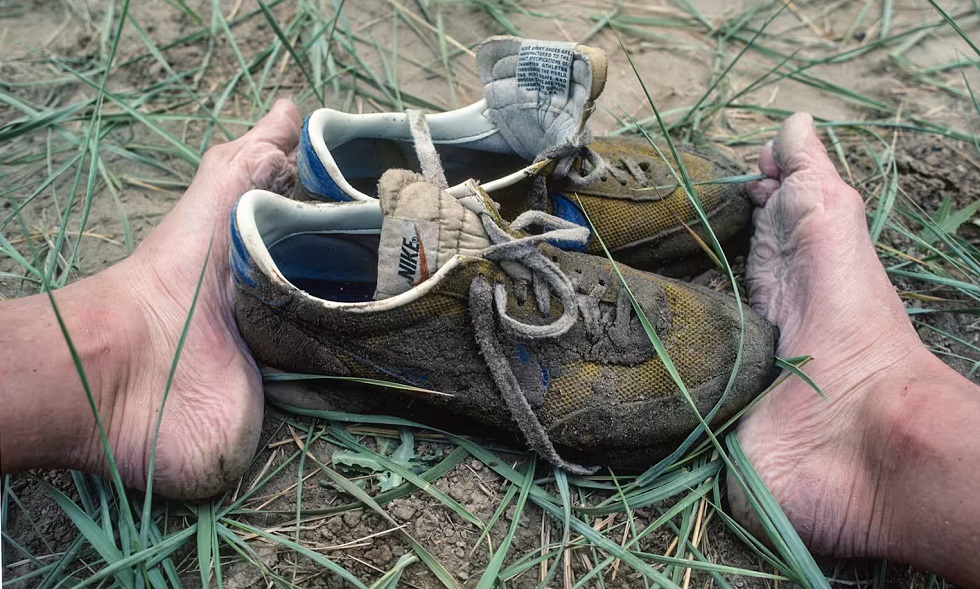
When Ridgeway and Roskelley returned home, they mailed their destroyed LDVs back to Beaverton with a simple, three-point brief: make the sole tougher, make the upper more rugged, and whatever you do, keep it light. Nobody at Nike knew it at the time, but they had just received the first product specification for what would become All Conditions Gear.
Chronology: From Trailblazers to Techwear Icons
The trajectory of ACG is a study in creative evolution. By the early 1980s, Nike had translated the LDV’s success into the Lava Dome, the Approach, and the Magma. These shoes were pioneering; they argued that lightweight footwear could survive where only heavy boots were supposed to tread.
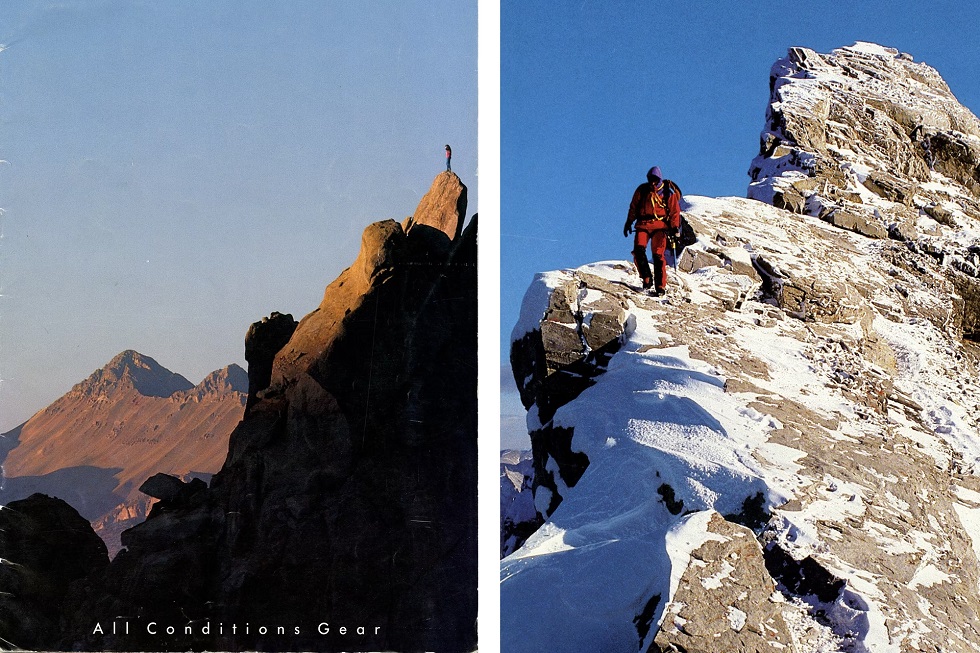
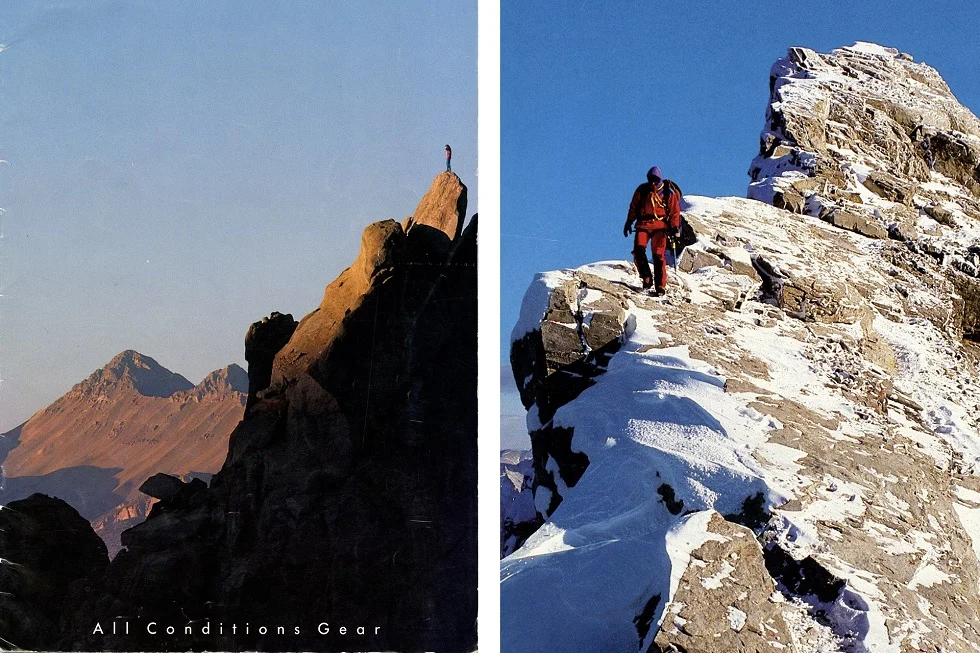
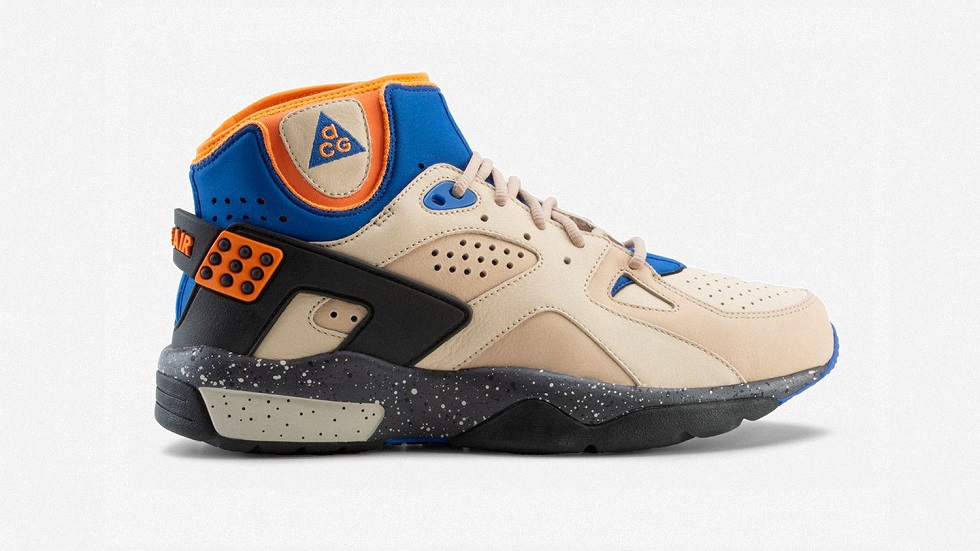
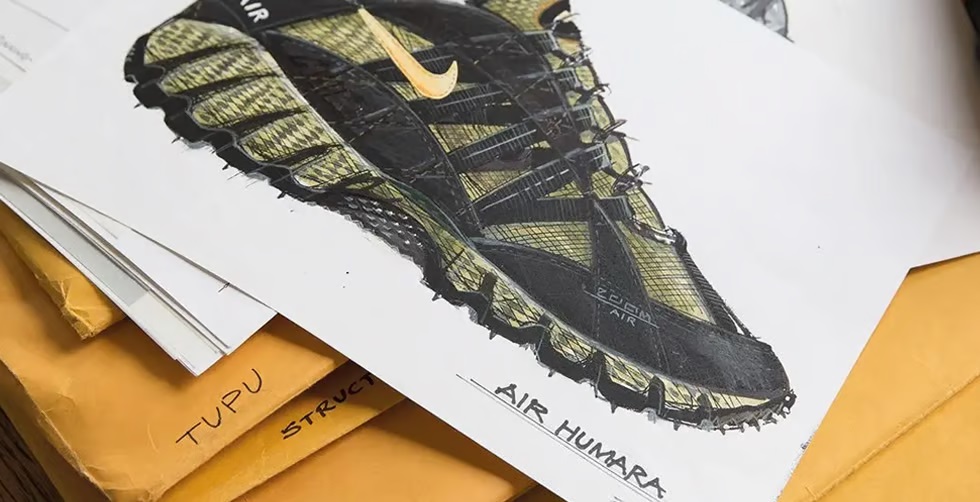
In 1989, ACG became an official, fully integrated line. The brand’s identity was defined by a self-aware, adventurous spirit, captured in early campaigns like the 1989 shoot at Moab’s Castleton Tower. The 1990s marked the brand’s creative zenith. Tinker Hatfield’s 1991 Air Mowabb, with its neoprene bootie and speckled midsole, became a design icon. The Air Deschutz, Air Moc, and Air Humara followed, cementing ACG as a playground for Nike’s most experimental designers.
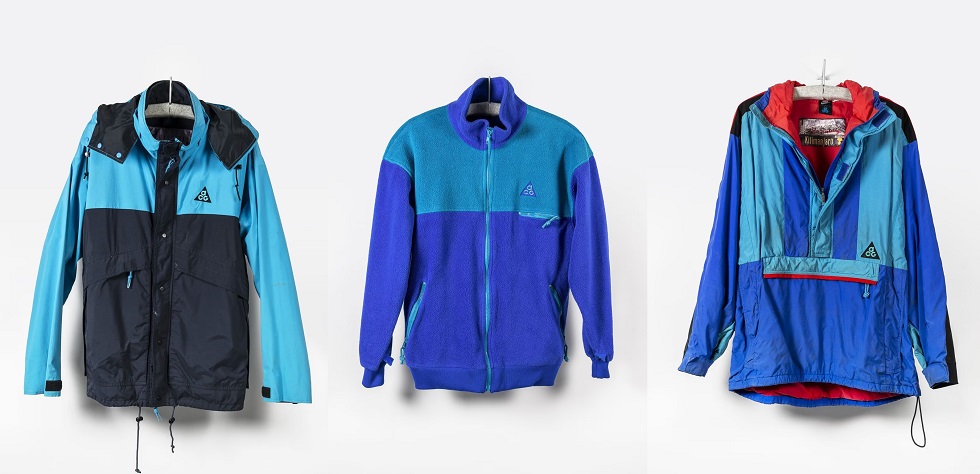
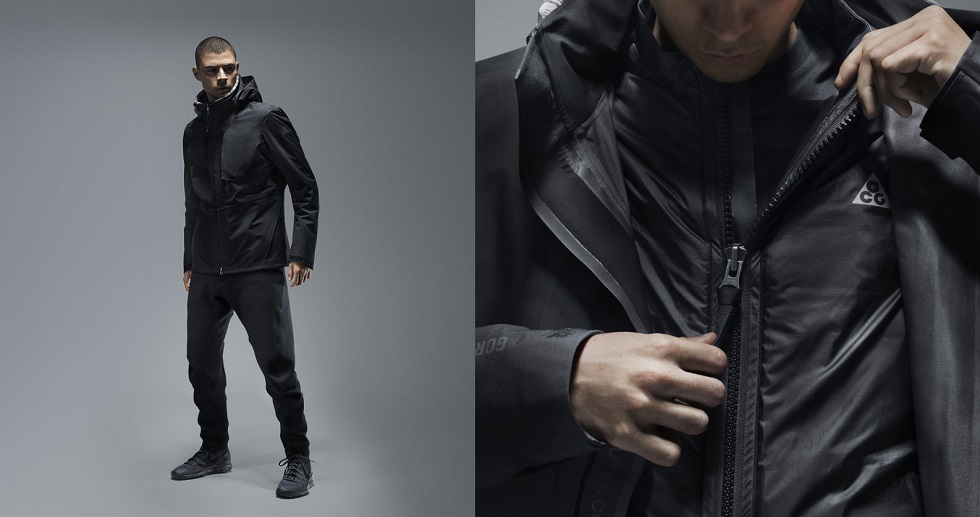
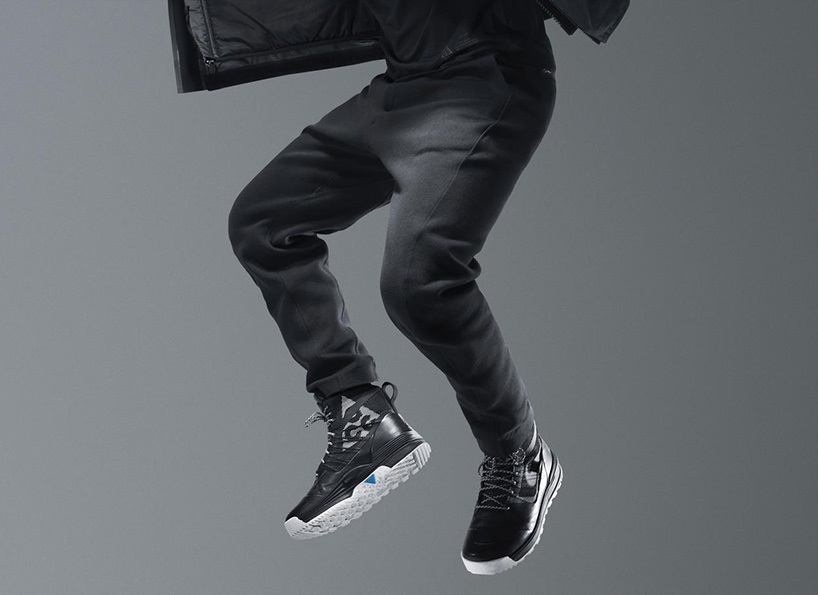
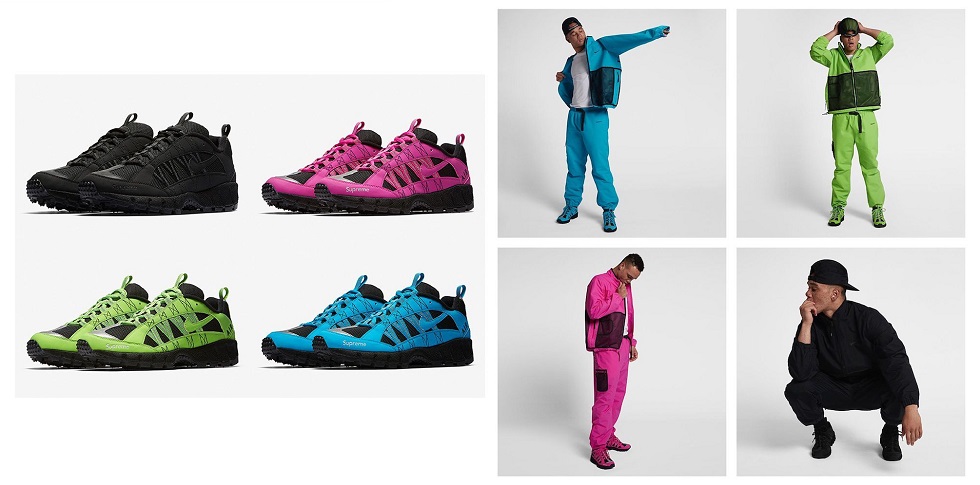
However, the brand’s versatility eventually led to a shift in perception. As ACG gear became a staple on urban streets, the line between "outdoor performance" and "streetwear" blurred. By 2008, the brand had largely lost its focus. The 2014 resurrection under Acronym co-founder Errolson Hugh shifted the narrative toward "sport utility for the city." It was a brilliant, highly influential era that defined techwear for a generation, yet it arguably distanced the brand further from its wild, mountain-climbing roots.
The Undefended Ground: Market Realities and Strategic Shifts
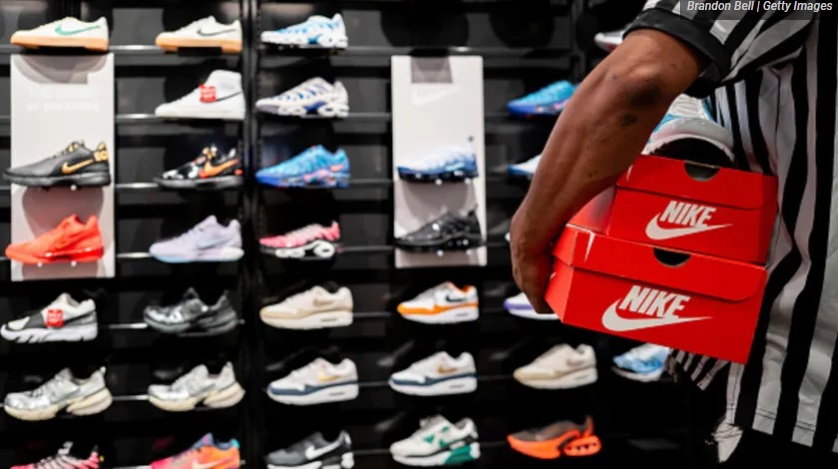
While ACG navigated the nuances of fashion, the parent company was drifting. In 2020, Nike pivoted toward a "Direct-to-Consumer" model, pulling products from trusted wholesale partners. While the strategy aimed to increase margins, it inadvertently created a vacuum.
"When you pull your best product off the shelf, someone else comes in and fills those shelves," explains retail analyst Stacey Widlitz. Brands like On, Hoka, and Salomon seized the opportunity, building deep credibility within the booming trail-running community. By the summer of 2024, the fallout was undeniable: Nike’s market value plummeted by $28 billion, and leadership changes were inevitable.
With Elliott Hill returning as CEO in late 2024, the mandate became clear: put sport—and the wholesale relationships that support it—back at the center of the organization. For ACG, this meant the "streetwear" experiment had to be balanced by a return to the mountain.
Reclaiming the Trail: The 2026 Relaunch
On February 2, 2026, Nike reintroduced ACG as a dedicated outdoor-performance brand. Under VP and GM Scott LeClair, the mission was a "recommitment to all conditions," absorbing the Nike Trail effort to create a unified powerhouse.
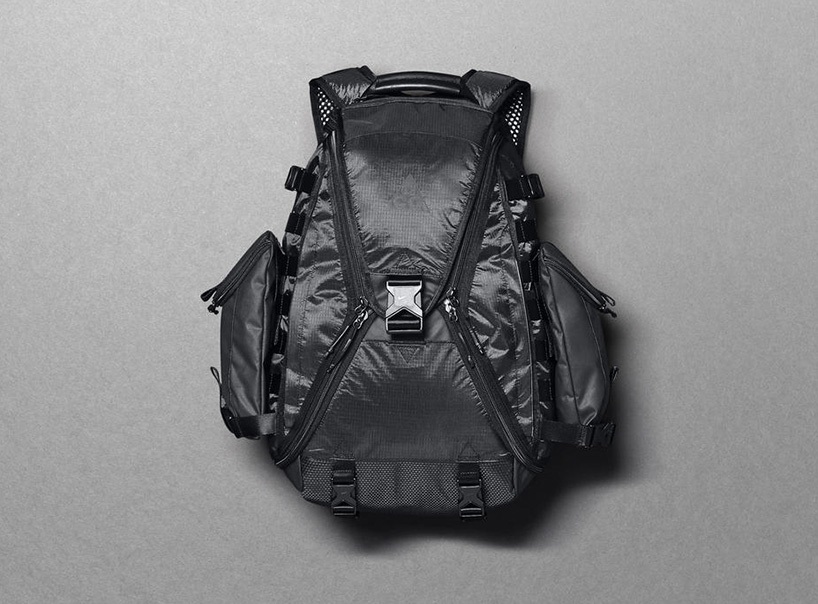
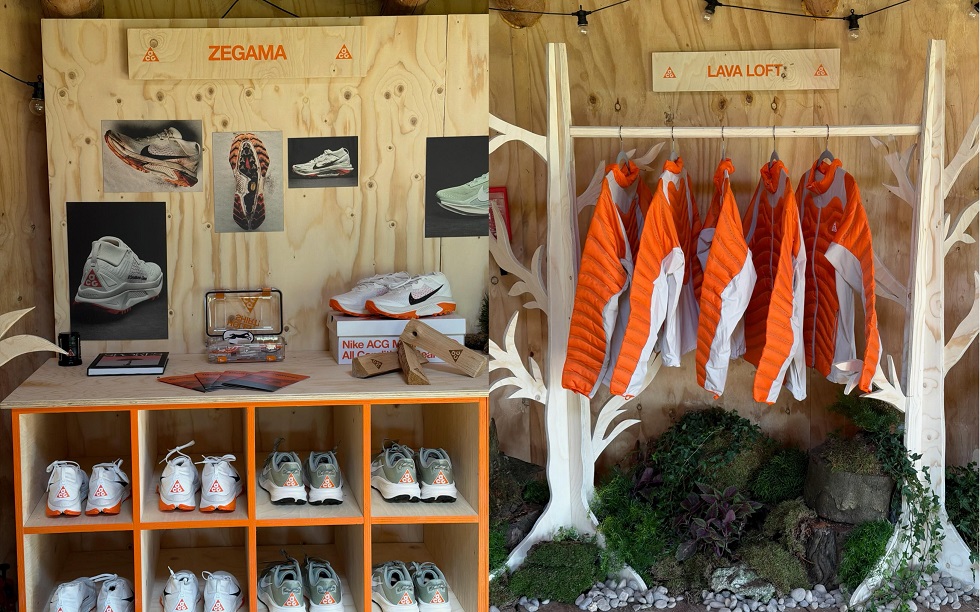
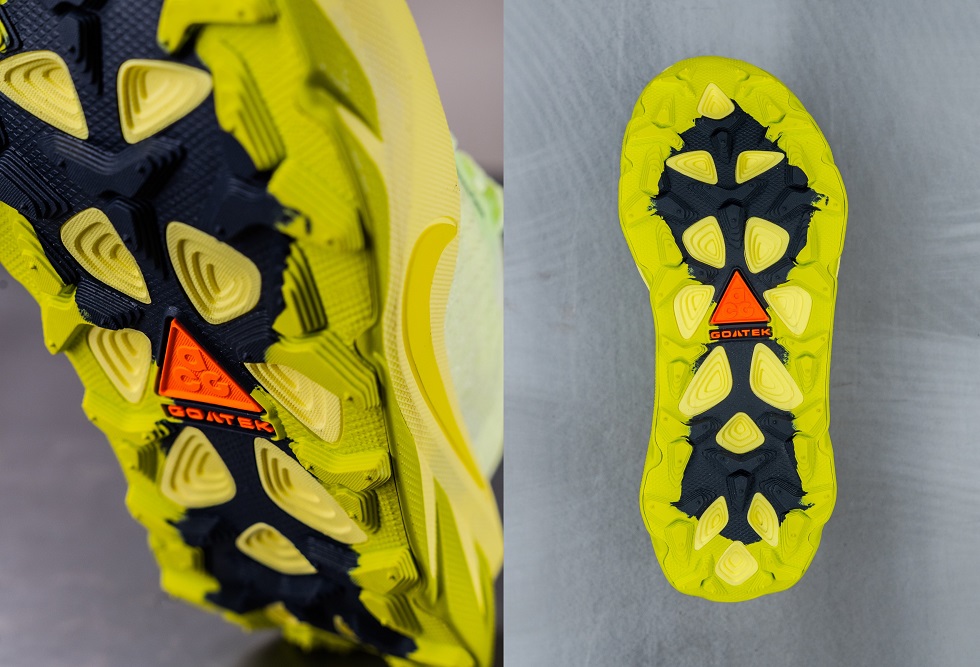
The new product lineup is aggressive. From the flagship Ultrafly and Zegama trail shoes to the technical GOAT pack vests and the innovative Picklejus shoe, the brand is betting on proprietary technology. The introduction of GOATEK—a new outsole compound designed to reduce reliance on third-party manufacturers like Vibram—signifies a move toward total vertical integration of outdoor performance.
The Human Element: Testing in the Wild
The modern ACG testing department now spans the globe, with 29 elite athletes from Japan, Korea, and the U.S. Their process is intentionally analog. Testers receive unmarked, prototype shoes—often cobbled together by hand—and are tasked with evaluating them based purely on feel and stability. It is a return to the "ruined shoes in a box" ethos of 1978.
The Implications: Is Credibility Earned or Bought?
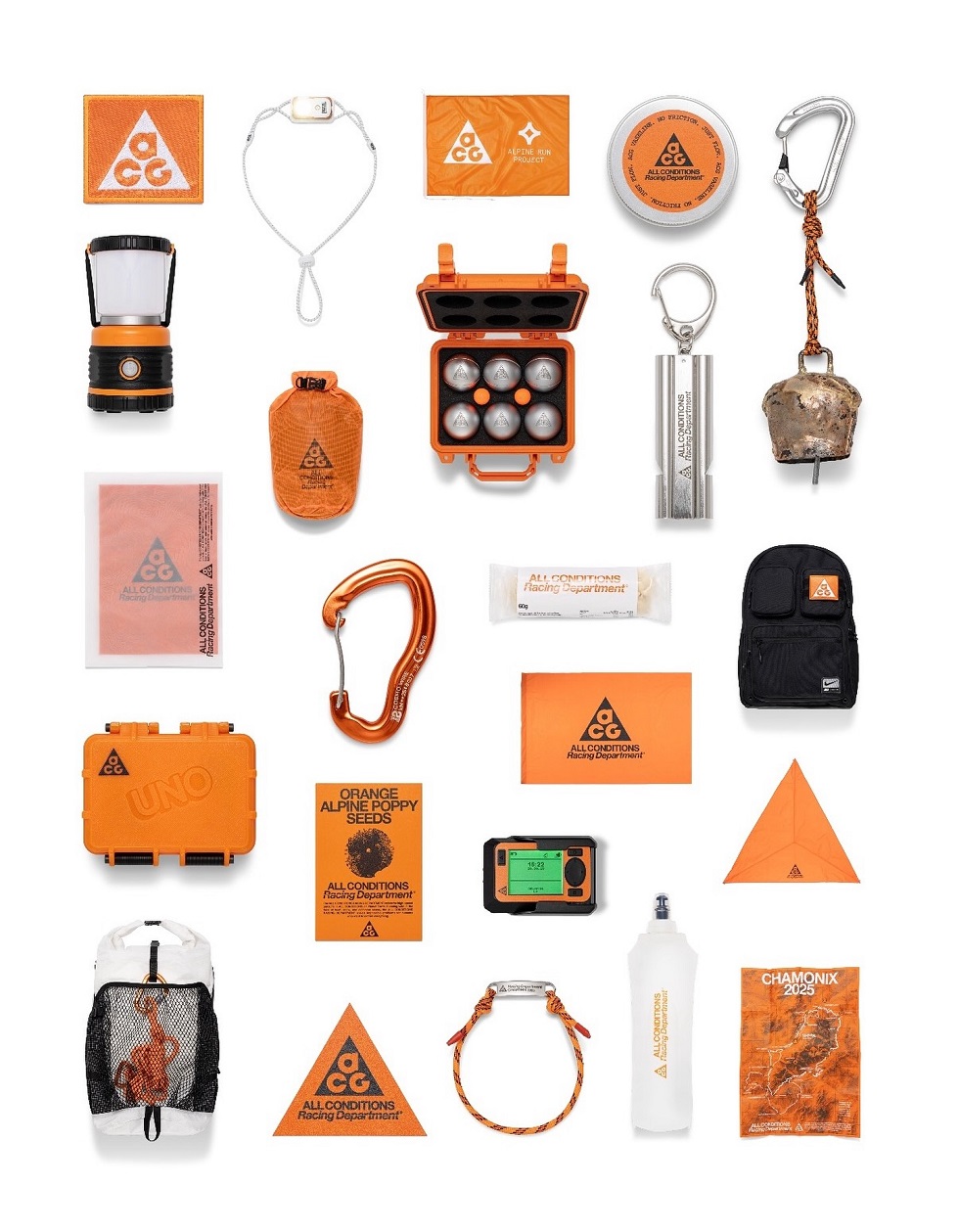
The brand’s recent activation, the "All Conditions Express," was a spectacle of modern marketing. By transforming an Italian train into a mobile gear lab and mountain refuge, Nike attempted to bridge the gap between high-fashion luxury and trail utility.
However, the outdoor community remains skeptical. "Trail running has a long memory," notes industry observer Cole Townsend. Critics point out that while the marketing is brilliant, the products must still outperform the established giants of the trail. The intentional omission of the word "Nike" from some recent ACG branding is a double-edged sword: it separates the outdoor mission from the corporate image, but it also raises questions about whether the brand is hiding its identity or attempting to curate a "pure" outdoor persona.
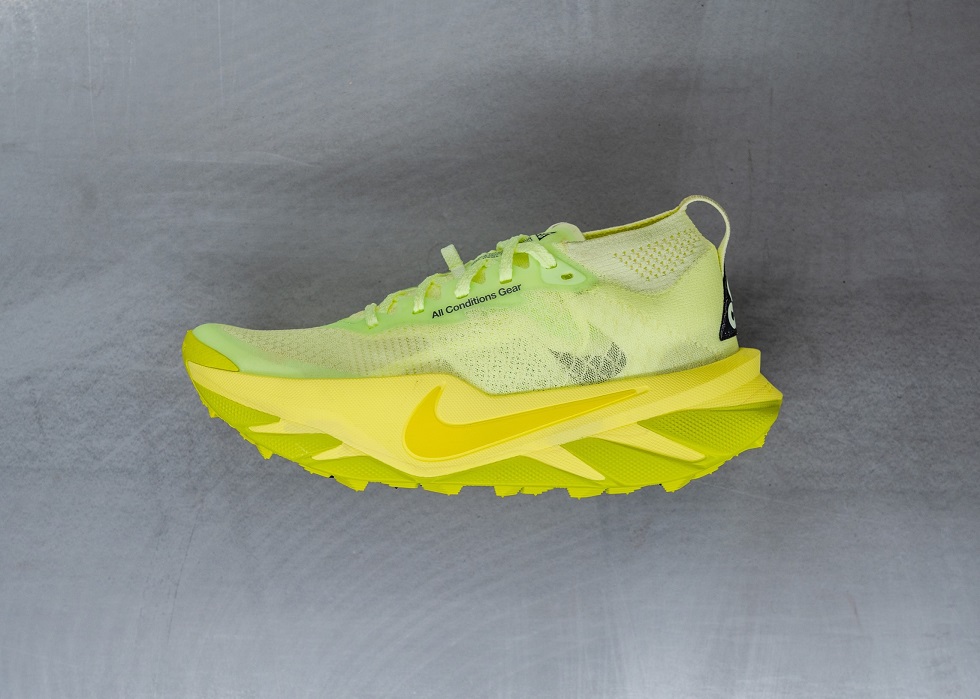
The tension persists. While ACG continues to release high-fashion collaborations with the likes of Cactus Plant Flea Market, it is simultaneously pouring $150,000 into the Broken Arrow Skyrace prize purse. It is a dual-track strategy: one foot in the high-fashion world of Milan and the other on the rugged ridgelines of the Orobic Alps.
The Road Ahead: Why the Origin Story Matters
What Nike ACG has today—which no amount of marketing budget can manufacture—is a genuine origin story. It is the story of a "gift for the walk in" that transformed into an industry-defining philosophy.
The brand’s superpower was always its refusal to recognize the borders between running, hiking, and everyday life. Today, those borders have vanished for everyone. The challenge for ACG is no longer about proving it can make a cool shoe; it is about proving it can be a partner to the athlete who spends 100 miles in the dark, far from the nearest store.
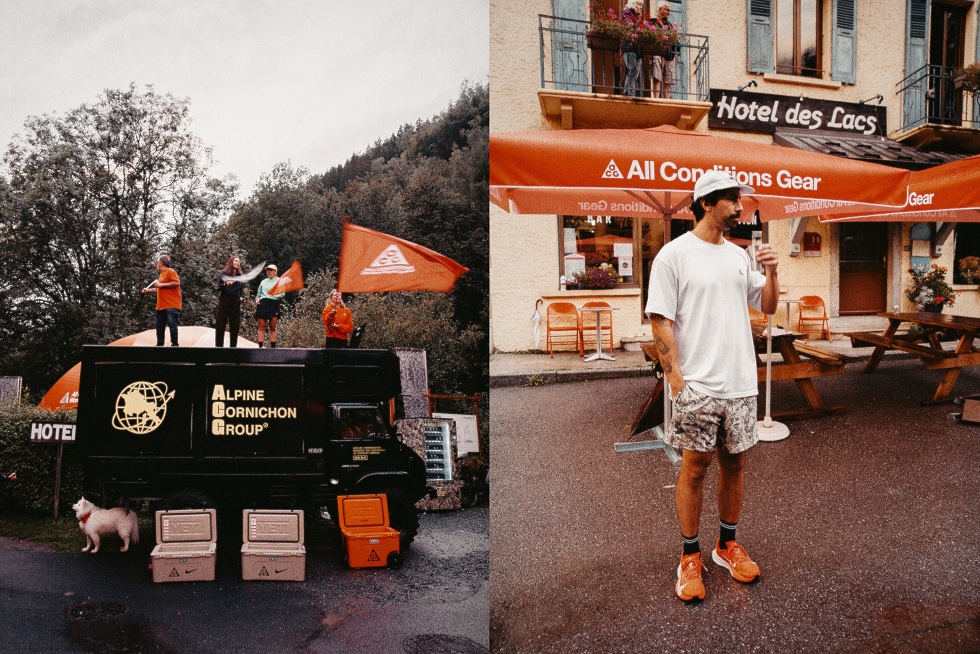
Trust on the trail will not be built by orange trains or high-budget events in major cities. It will be built exactly how it started in 1978: on foot, through miles of grit, and by listening to the people who actually break the gear. If ACG can successfully pivot from being a fashion-adjacent label back to a genuine partner for the explorer, it may well find its way back to the summit. But as any mountaineer knows, the summit is only half the journey. The return is where the real character is forged.
 Neng Nana
 Dwi Wanna
