

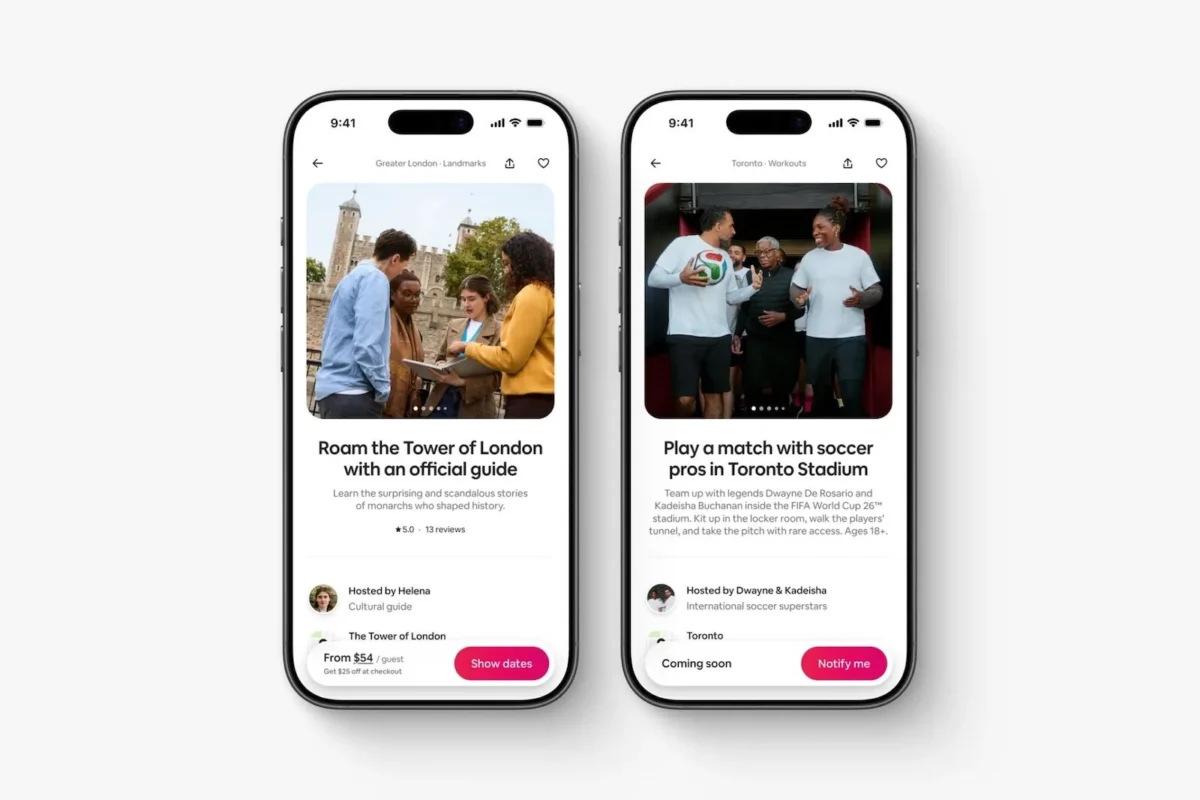
In a significant pivot from its origins as a simple marketplace for short-term rentals, Airbnb has unveiled its Fall 2026 Release, a comprehensive update that fundamentally alters how users discover, book, and experience travel. By integrating a "social layer" into the app and embedding artificial intelligence throughout the search and booking journey, the company is attempting to shift the platform from a transactional utility to a curated, community-driven travel ecosystem.
Main Facts: The New Social and AI Frontiers
The centerpiece of the 2026 update is the introduction of a robust social architecture. Airbnb is no longer a solitary browsing experience; it is evolving into a collaborative network. Users can now build a social circle within the app, inviting family, friends, and past travel companions to connect.
Once these connections are established, the app generates a personalized "Travel Map." This interactive feature allows users to visualize where their friends have stayed, view the specific experiences they booked, and read the reviews they left behind. This creates a "trust-based" recommendation engine, effectively replacing anonymous online reviews with the curated advice of one’s own inner circle.
Simultaneously, Airbnb is rolling out a massive AI integration. Starting in the United States, the search interface has been overhauled to process natural language—both typed and spoken. The AI does more than just match keywords; it understands intent. For instance, a search for "baby-friendly" will automatically filter for properties offering cribs, high chairs, and proximity to playgrounds. The system will also generate AI-summarized highlights for every listing, allowing users to quickly parse the "vibe" and amenities of a home without scrolling through exhaustive descriptions.
Chronology: How We Got Here
To understand the magnitude of this release, one must look at the trajectory of Airbnb’s development over the last decade.
- 2008–2015: The Growth Phase. Airbnb focused on scaling inventory and establishing trust through verification and basic review systems.
- 2016–2020: The Professionalization Phase. The company introduced "Airbnb Plus" and "Experiences," moving toward standardized quality and curated local activities.
- 2021–2024: The Flexibility Phase. Following the pandemic, Airbnb shifted toward "flexible search," encouraging users to discover destinations based on aesthetic or interest rather than just specific dates or locations.
- 2025: The Integration Phase. Airbnb began experimenting with concierge-style services, testing partnerships for cleaning and grocery delivery.
- 2026: The Social-AI Era. The current update represents the culmination of these efforts, moving from a marketplace of listings to a platform of "travel curation."
Supporting Data and Expanded Services
The 2026 release is not merely about software; it is about expanding the "Service Economy" that Airbnb facilitates. Through the end of the year, the platform is rolling out several key partnerships designed to remove the friction from travel:
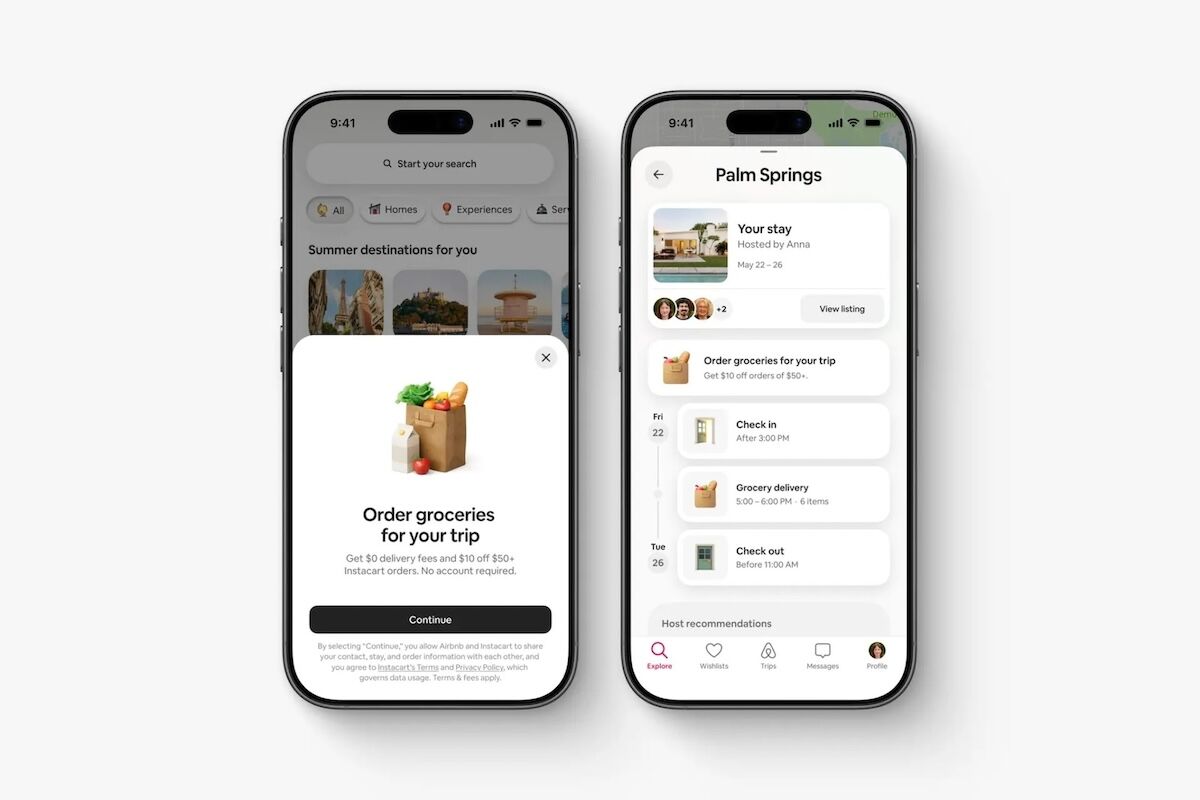
- Laundry and Logistics: Through a partnership with Rinse, guests in select US cities can now schedule laundry pickups and deliveries directly through the Airbnb app, complete with next-day rush services.
- The "Family-First" Initiative: Starting this November, BabyQuip will allow guests to rent and have delivered high-end baby gear—cribs, strollers, and monitors—directly to their Airbnb. Guests using the service through the app will receive a 10 percent discount, and the items will be set up prior to arrival.
- Global Food Expansion: Grocery delivery is becoming a standard feature across Europe, with select major cities also gaining integrated restaurant meal delivery.
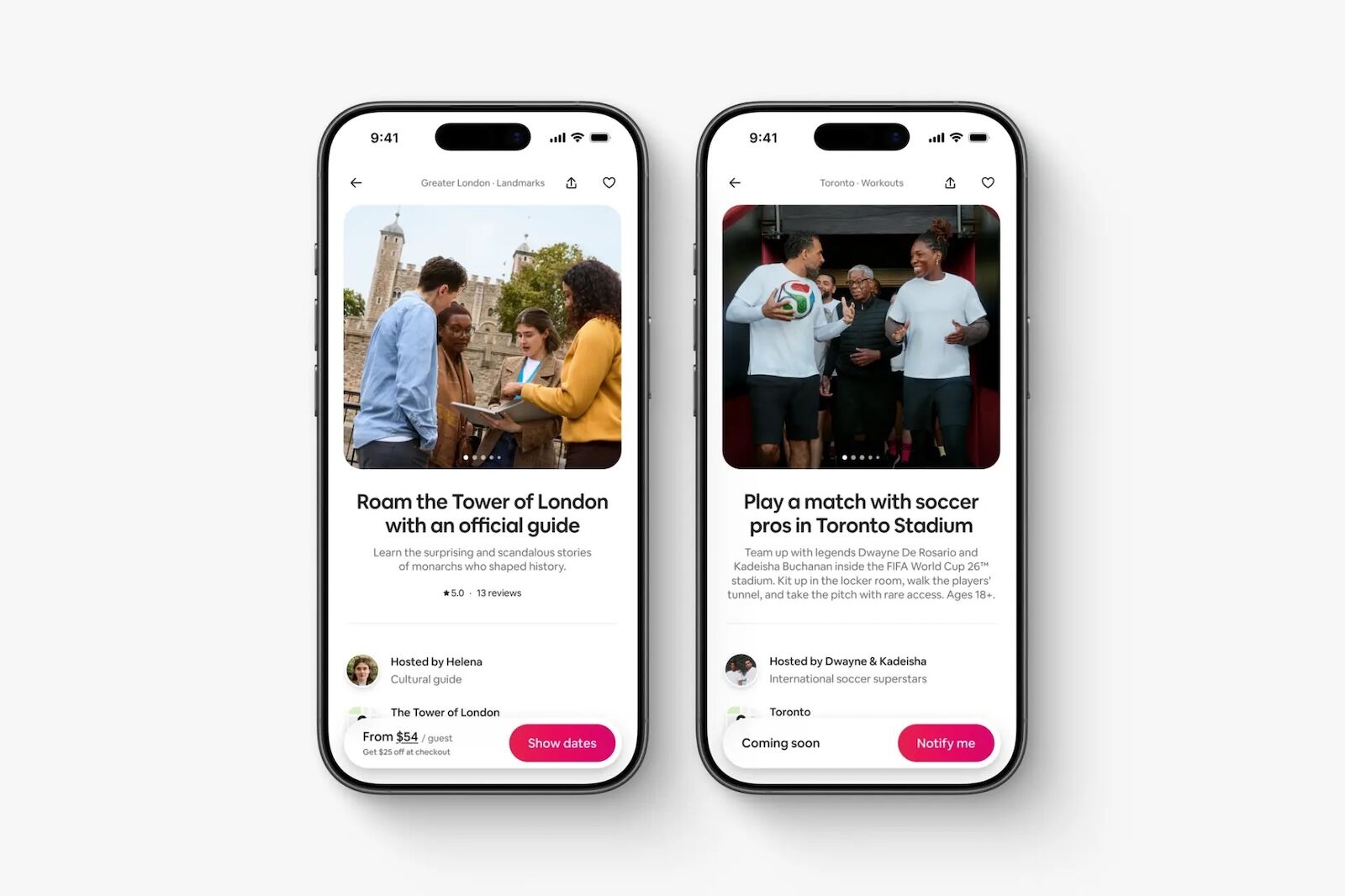
- Specialized Equipment: Recognizing that travel is often purpose-driven, Airbnb is adding local partnerships for niche gear, such as ski equipment rentals in the French Alps and boat charters in South Florida.
For hosts, the update provides a suite of administrative tools designed to save time. These include a multi-listing calendar, 3D floor plan generation, one-tap dynamic pricing models, and AI-driven summaries that break down complex earnings reports into actionable insights.
Official Responses and Strategic Vision
In internal communications, Airbnb leadership has emphasized that these changes are designed to solve the "choice paralysis" that plagues modern travel planning. "Travel is inherently social," a company representative stated during the release briefing. "We’ve spent years making it easier to book a room, but we haven’t made it easier to decide where to go. By leaning on the people you trust and the power of AI to synthesize information, we are helping travelers cut through the noise."
The company has been careful to address privacy concerns regarding the new social features. Users maintain granular control over their data. The settings allow travelers to toggle which trips appear on their map, the level of detail visible to friends, and the ability to hide, remove, or block connections at any time. This "privacy-by-design" approach is a direct response to the increasing scrutiny surrounding digital social sharing.
Implications for the Travel Industry
The implications of this update are far-reaching, both for competitors and the broader hospitality sector.
1. The Death of the "Generic" Search
By prioritizing natural language and social recommendation, Airbnb is challenging traditional OTAs (Online Travel Agencies) like Expedia or Booking.com, which have historically relied on structured, data-heavy search filters. If users can simply ask their app, "Where did Sarah go for her anniversary that had a great kitchen and nearby hiking?" the need for traditional search parameters diminishes significantly.
2. The Professionalization of the Host
The new tools for hosts—specifically 3D floor plans and AI-driven dynamic pricing—raise the barrier to entry for casual hosts while rewarding those who leverage technology. This effectively creates a "pro-host" tier that may lead to more consistent quality across the platform, potentially putting more pressure on boutique hotels.
3. Privacy and the "Social Graph"
While the social map feature is innovative, it creates a new "social graph" for Airbnb. This data—where people go, who they travel with, and what they spend—is incredibly valuable. While Airbnb has promised strict privacy controls, the move suggests the company is positioning itself to be a primary player in the "lifestyle data" sector.
4. The Shift Toward "Concierge Travel"
By integrating services like BabyQuip and Rinse, Airbnb is blurring the line between a rental property and a full-service hotel. Guests are no longer just renting a bedroom; they are buying into a managed experience. This reduces the "chore" aspect of vacationing, potentially increasing the length of stays, as travelers feel more comfortable in long-term setups when essential services are just a click away.
Looking Ahead: The Future of the Airbnb Ecosystem
As the rollout continues through late 2026, the industry will be watching to see how user adoption plays out. Will travelers embrace the social map, or will it feel like an unnecessary intrusion into their private itineraries? Will the AI search prove accurate, or will it hallucinate amenities that don’t exist?
If successful, Airbnb will have effectively transformed itself into a "Super App" for travel. By combining social proof, AI discovery, and logistical concierge services, the company is attempting to own every stage of the travel journey—from the initial spark of an idea to the final check-out.
For the average traveler, the world is becoming smaller and more accessible, provided they are willing to let the algorithm and their friends guide the way. The 2026 Fall Release is not just a software update; it is a declaration that the future of travel is hyper-personalized, deeply social, and effortlessly managed. Whether this heralds a new golden age of frictionless exploration remains to be seen, but one thing is certain: the way we book our next trip will never be the same.
 Laily UPN
 Ali Ikhwan
