

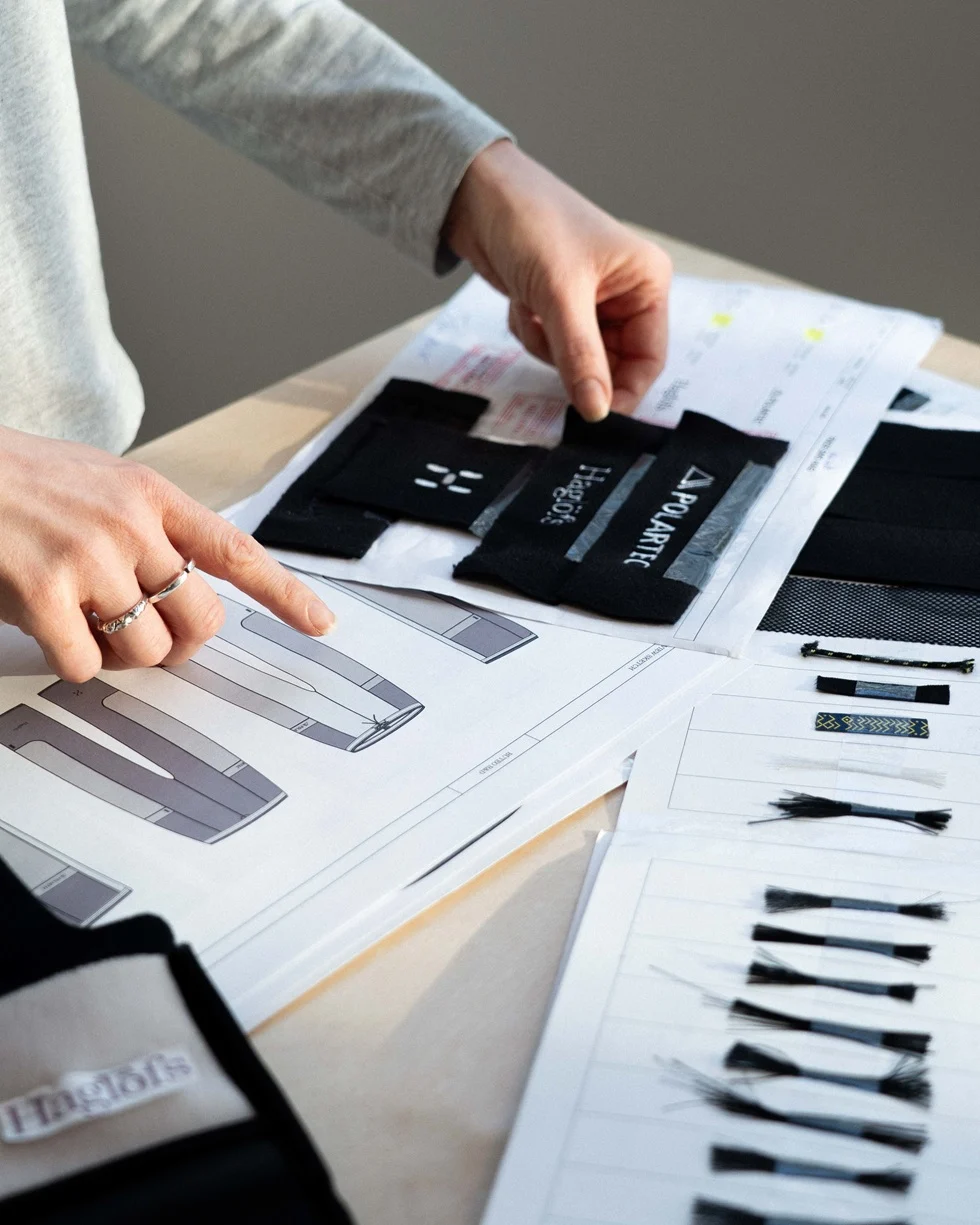
There is a problem hiding in plain sight in every outdoor gear store on the planet. It is a quiet, chromatic crisis that has gone largely unremarked upon, despite its massive scale. Walk the fleece aisle of any well-stocked retailer, and you will see it. It is the color black.
Dozens of versions of "black" hang side-by-side on racks, each one marginally different from the next in ways that only become visible when you hold two swatches together under high-intensity, color-corrected light. To the average consumer, a black fleece is a black fleece. But to the supply chain, these garments represent a fractured, inefficient, and environmentally taxing reality.
This is not merely a matter of aesthetic nuance; it is a systemic failure of industrial coordination. Haglöfs, in partnership with fabric innovator Polartec, has decided to pull back the curtain on this absurdity with the introduction of "Standard Issue Black™."
The Main Facts: The Anatomy of an Invisible Problem
The core issue lies in the fragmentation of textile production. Historically, every outdoor brand—from the industry titans to the boutique labels—has commissioned its own proprietary dye runs for synthetic fabrics. When a brand decides to create a black fleece jacket, they approach a mill, define their specific shade of black, and place a minimum order quantity (MOQ) to satisfy their seasonal collection.
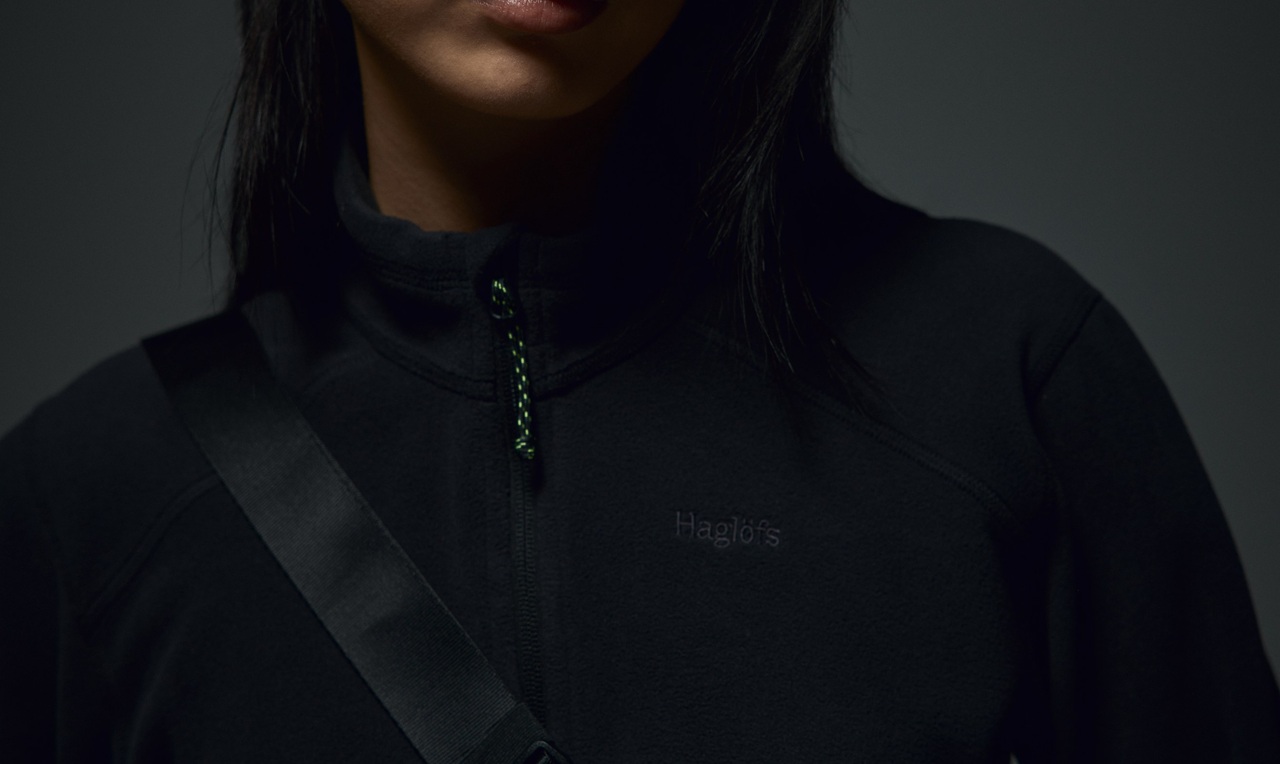
The result? Hundreds of brands are independently commissioning thousands of distinct dye batches, each requiring its own recipe development, chemical mix, energy-intensive heating cycles, and massive water consumption.
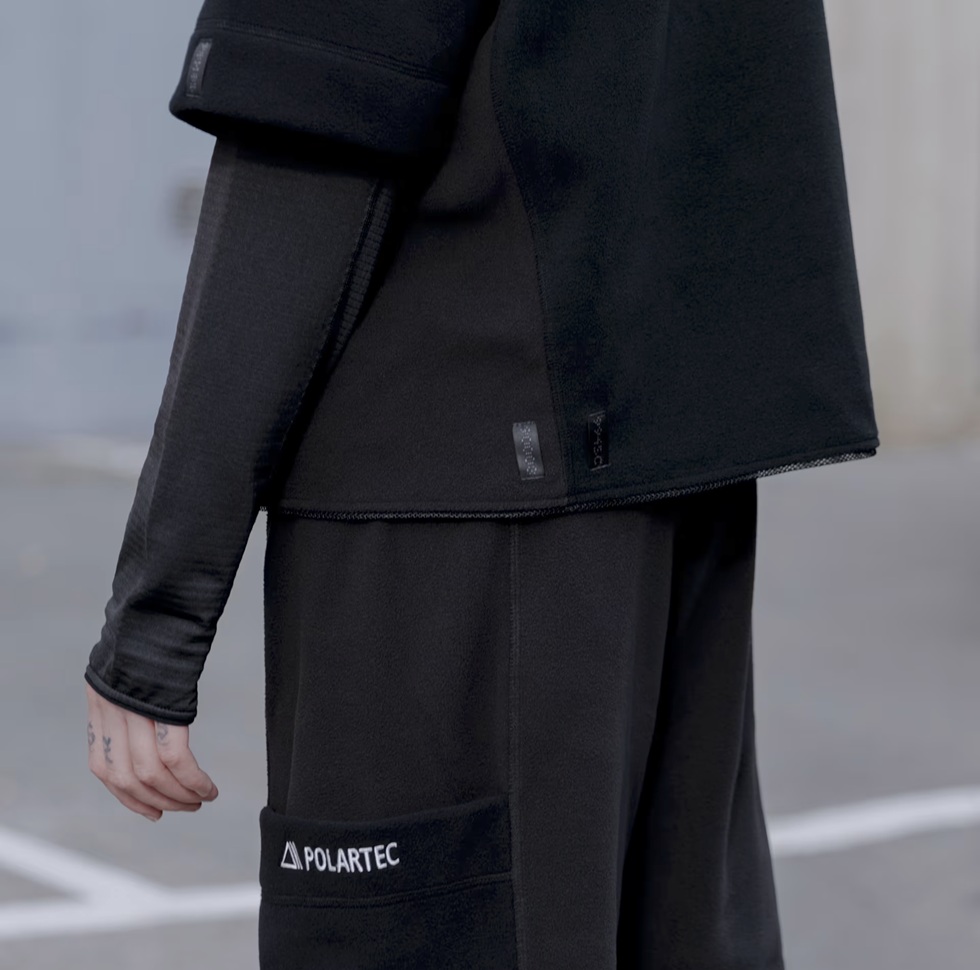
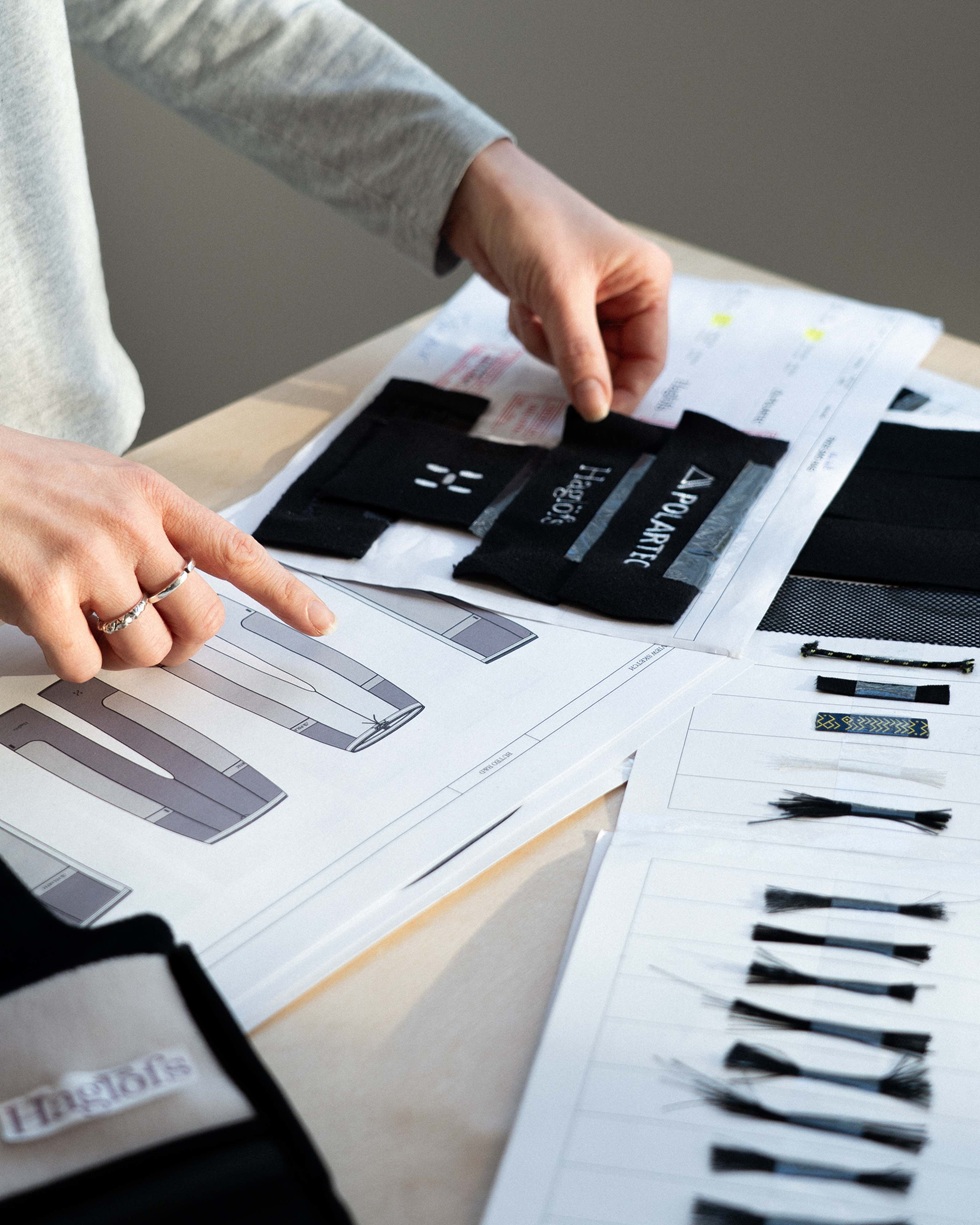
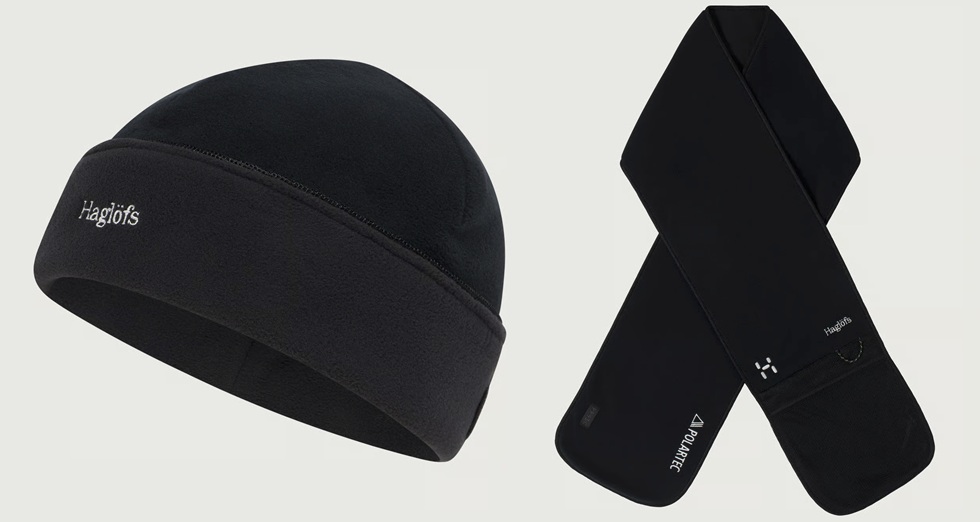
The "Black Capsule" collection, released by Haglöfs as a visual manifesto, makes the problem literal. By creating garments from leftover, mismatched black Polartec fleece scraps, they’ve highlighted that these fabrics—all technically "black"—are actually a chaotic mosaic of varying dye recipes. Each panel is tagged with a batch number, a cold, hard reminder of the redundant, carbon-heavy infrastructure required to produce a color that is, for all intents and purposes, identical across the board.
A Chronology of Inefficiency
To understand how the outdoor industry arrived at this point, one must look at the evolution of synthetic manufacturing over the last forty years.
- 1980s–1990s: The rise of synthetic fleece as the industry standard. As polyester became the backbone of the mid-layer, brands focused on "differentiation" through proprietary colors, even in the black spectrum.
- 2000s: Global supply chain expansion. The proliferation of dye houses allowed brands to chase lower costs, further decentralizing dye recipes and increasing the number of individual "black" shades in the market.
- 2023–2025: Sustainability reporting mandates (such as the EU’s CSRD) began to force brands to quantify their Scope 3 emissions. It was during this period that Haglöfs and Polartec began crunching the numbers on dye-house water and energy usage.
- 2026: The launch of the Black Capsule Project. Haglöfs turns their findings into a physical product, proving that the industry is wasting resources on redundant chemical processes.
- Late 2026–2027: The commercial rollout of Standard Issue Black™ via the Buteo Mid II Jacket, marking the first time a major manufacturer has moved from a "proof of concept" to an industry-wide, scalable supply chain solution.
The Chemistry of Waste: Supporting Data
Why is black so much worse than other colors? The answer lies in the molecular nature of polyester.
Unlike cotton or wool, which are hydrophilic and accept dye relatively easily, polyester is hydrophobic. To color it, manufacturers use "disperse dyes"—a class of chemicals that require high-temperature, high-pressure aqueous baths (often exceeding 130°C) to force the pigment into the synthetic fiber structure.
The process is inherently energy-intensive. Achieving a "true" black requires the layering of multiple dye molecules, each necessitating its own fixation cycle. According to industry environmental data, the textile industry is responsible for roughly 20% of global industrial water pollution. Depending on the efficiency of the facility, a single kilogram of dyed polyester can consume between 30 and 150 liters of water.
Haglöfs’ internal assessment of the Standard Issue Black™ initiative suggests that by consolidating these fragmented batches into a single, massive, shared production run, the industry could achieve:
- A >50% reduction in water usage per kilogram of fabric.
- At least a 20% reduction in energy consumption compared to traditional, boutique-batch piece dyeing.
While these figures are company-supplied, they align with well-established principles of industrial chemistry and mass production. By replacing "dozens of small, redundant fires" with "one large, efficient furnace," the mathematical benefit is undeniable.
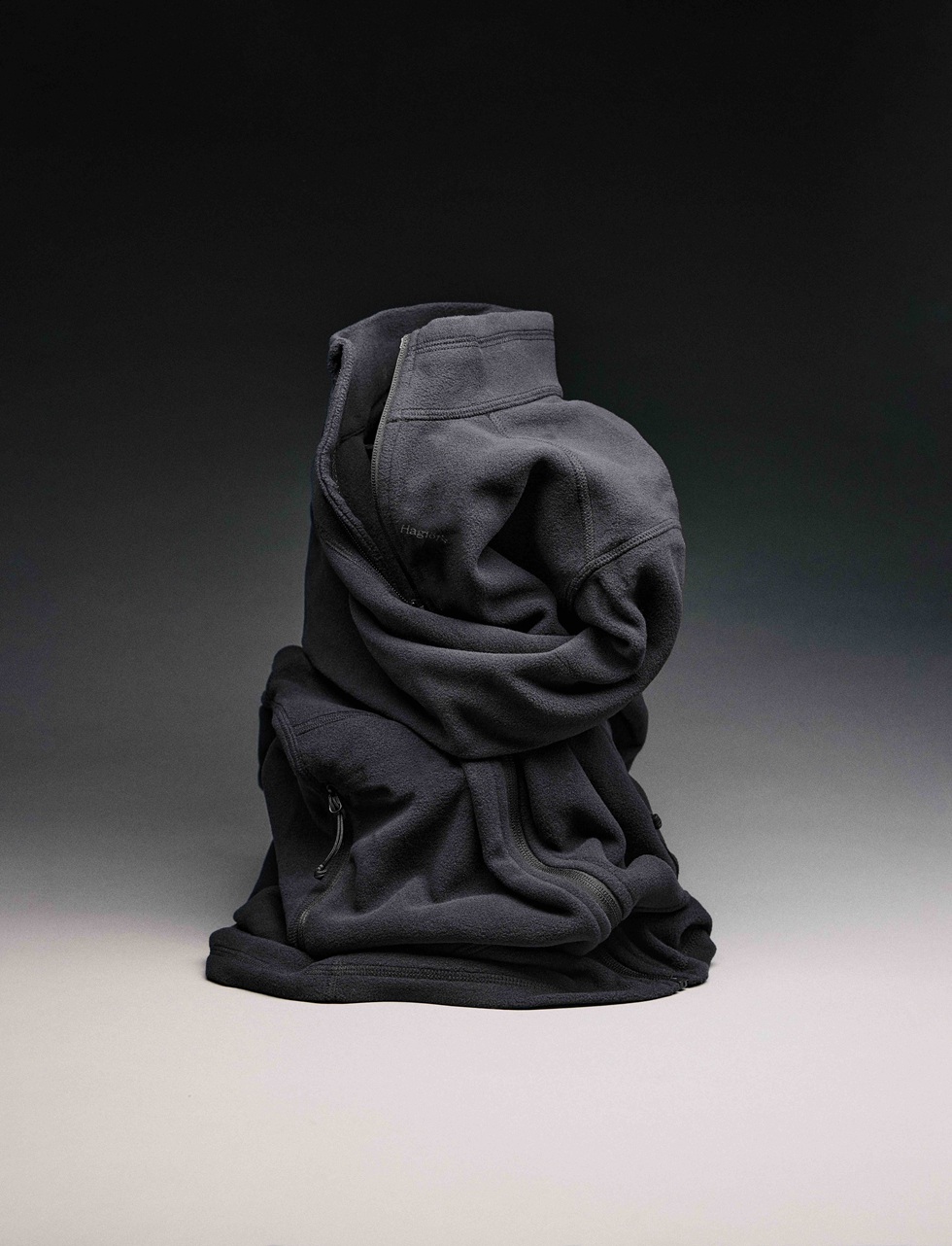
Official Responses: The Philosophy of the Standard
Eva Weiss, Head of Design and R&D at Haglöfs, has been the primary architect of this shift. Her perspective challenges the traditional design dogma that proprietary colors are essential for brand identity.
"Standardization doesn’t have to limit creativity," Weiss stated during the project’s launch. "With the right framework, it gives us the freedom to work together in the same creative direction and make a bigger impact. Having one defined black simplifies the design process, and brands could still differentiate themselves through other colors, cuts, and design elements."
The comparison to the YKK zipper is, perhaps, the most compelling argument from the design team. Decades ago, the industry standardized on a few select zipper systems. This did not make every jacket look the same; it simply made them all functional. By treating black as a "utility" rather than a "design choice," Haglöfs is arguing that the industry can reallocate its creative energy toward more meaningful innovations, such as circularity, repairability, and material durability.
Implications: The Road to Industry Adoption
The success of Standard Issue Black™ faces a significant hurdle: institutional inertia. In the outdoor sector, "green premiums"—the cost of implementing sustainable solutions—are often passed to the consumer or absorbed by the brand, leading to a hesitation to disrupt established supply chains.
However, the Haglöfs/Polartec model is fundamentally different because it is economically neutral. There is no proprietary lock-in and no licensing fee. It is, effectively, an open-source standard for color.
The Creative Obstacle
Critics within the design community argue that the "black" on a high-end technical shell should be distinct. They fear that if every brand uses the same shade, the "premium" feel of a $500 jacket might be diluted. Yet, this argument ignores the reality that black-on-black branding and tonal variations are already so subtle that they are often indistinguishable to the human eye under normal outdoor conditions.
The Power of Volume
The Buteo Mid II Jacket is not a limited-edition art piece; it is a high-volume product. This is a strategic choice by Haglöfs. By putting Standard Issue Black™ into their best-selling items, they are proving that sustainability can be scaled. If a competitor sees that they can reduce their energy bill and water waste without compromising their product’s marketability, the economic incentive to adopt the standard becomes overwhelming.
The "Machine" Mentality
The outdoor industry is currently caught in a cycle of "doing more of the same." The machine keeps running because it is comfortable. The shift to a universal black represents a transition from a "competition of consumption" to a "collaboration of efficiency."
The question remains: will the rest of the industry follow? If the goal is to reduce the massive environmental footprint of the gear we use to explore the natural world, then the answer is not a new fabric, a new recycling technology, or a new carbon credit. The answer is, quite simply, to stop doing the same thing fifty different ways.
Standard Issue Black™ is not just a color; it is a test of whether the outdoor industry is capable of collective intelligence. The Buteo Mid II Jacket is the first data point in that test. As the FW26 season progresses, the industry will be watching to see if the standard is adopted, or if the "black hole" of redundant dyeing continues to consume water and energy in the name of a difference that nobody can see.
 rifanmuazin
 Dwi Wanna
