

The city of Tokat, an archaeological jewel nestled in the heart of the Anatolian plateau, is set to command the attention of the global environmental community this summer. From July 27th to 31st, 2021, the city will host the 16th Ecotourism and Sustainable Tourism Conference (ESTC), organized by The International Ecotourism Society (TIES). This event represents a significant milestone for a city that has served as a crossroads for civilizations for over 1,500 years, offering a compelling case study on how ancient heritage can be harmoniously integrated into modern, sustainable tourism frameworks.
The Intersection of History and Sustainability: An Overview
Tokat, a city defined by its dramatic topography and transitional climate, sits at the geographic nexus of the Black Sea region and the Anatolian interior. This strategic location has fostered a unique ecological and cultural environment that has sustained 14 different civilizations since the 5th century.
The upcoming ESTC is not merely a conference; it is a declaration of intent for the municipality. Under the leadership of its young and forward-thinking mayor, Attorney Eyüp Eroğlu, Tokat is positioning itself as a premier destination for travelers who prioritize ecological integrity and cultural authenticity. The choice of Tokat as a host site underscores a broader global trend: the move away from mass tourism toward high-value, low-impact travel that respects the host community’s natural and social fabric.
A Chronology of Civilization and Development
To understand the significance of Tokat as an ecotourism hub, one must first look at the layers of time that define its landscape.
- 5th Century Origins: The foundations of Tokat were laid in late antiquity, serving as a vital node for trade routes connecting the Mediterranean to the Silk Road.
- The Medieval Flourish: Throughout the Seljuk and Ottoman periods, the city’s architecture reached its zenith, with the Tokat Castle serving as an impenetrable guardian of the region’s prosperity.
- The Modern Transition (2010–2020): Over the last decade, Tokat has undergone a silent revolution, shifting its local economy toward sustainable agricultural practices and the preservation of its biodiversity.
- The Announcement (February 2021): The International Ecotourism Society officially named Tokat the host city for the 16th ESTC, marking the city’s debut on the global stage of sustainable tourism policy.
- July 2021: The five-day conference window serves as the culmination of years of municipal planning, infrastructure upgrades, and cultural promotion.
The Mayor’s Vision: A New Era for Anatolian Tourism
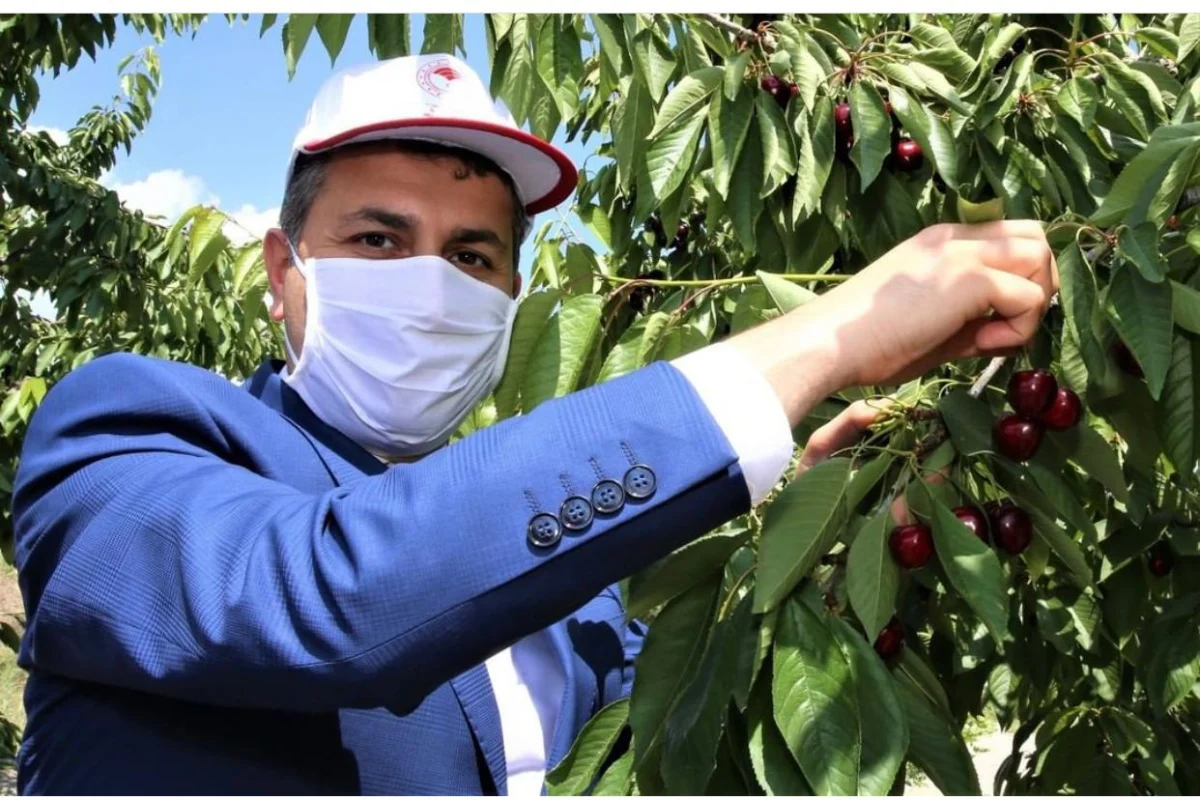
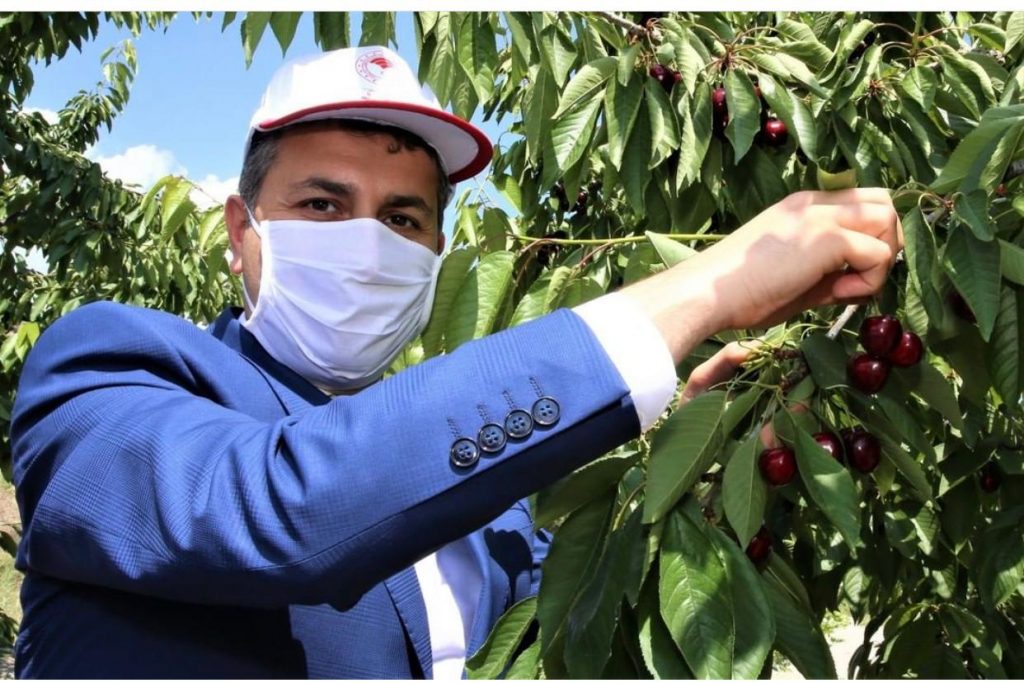
In a recent interview, Mayor Eyüp Eroğlu provided deep insight into the city’s readiness to welcome international delegates. As one of Turkey’s youngest municipal leaders, Mayor Eroğlu has gained a reputation for his hands-on approach to urban development, frequently photographed participating in the local harvest, which highlights the city’s connection to its land.
"Along with Tokat’s friendly local people and their welcoming outlook, the Tokat Municipality will make every effort to develop our city’s tourism to be represented in the international arena," Mayor Eroğlu stated. "We will accomplish this in a sustainable way, ensuring that the legacy of our ancestors is not consumed, but celebrated and preserved."
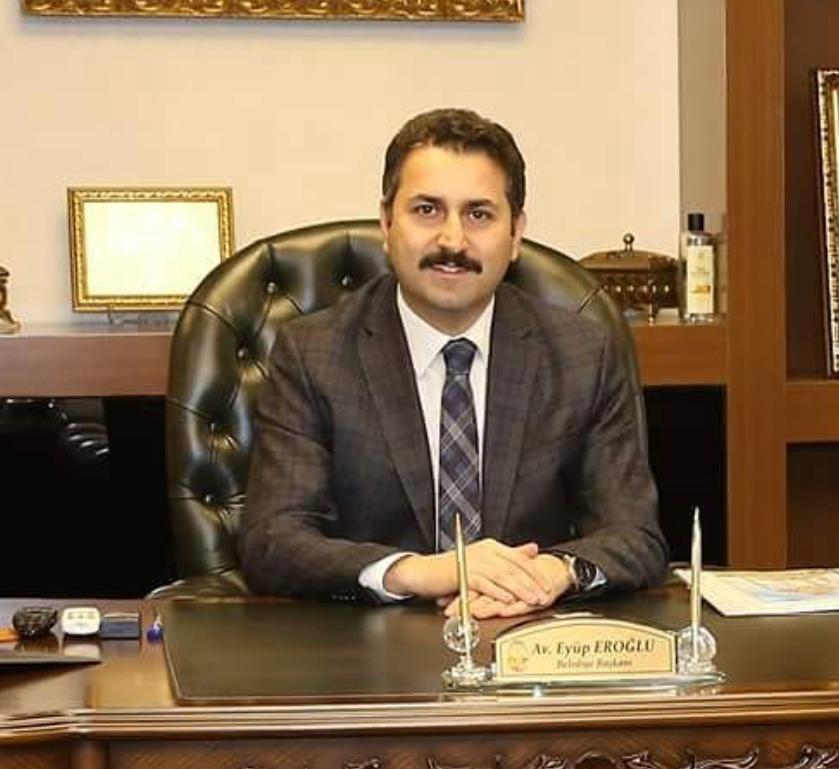
For Eroğlu, sustainability is not a modern buzzword but a continuation of the local tradition of land stewardship. The city’s ability to maintain 82 varieties of crops—from cereals to orchard fruits—is a testament to the resilience of the local ecosystem, a quality he is eager to showcase to the world’s leading ecotourism experts.
Supporting Data: The Biodiversity and Gastronomy of Tokat
Tokat is a biodiversity hotspot. The region’s elevation and microclimates allow for an agricultural output that is rare in both quality and variety. This ecological richness has direct implications for the tourism sector, specifically in the realm of "gastrotourism."
Agricultural Diversity
The city boasts a thriving agricultural sector, characterized by:
- Primary Crops: 82 distinct varieties of cereals, vegetables, and fruit.
- The "Tokat Advantage": The transitional climate between the moist Black Sea and the arid Anatolian plateau creates a unique environment for specialized crops.
- Local Specialties: The region is world-renowned for its grape leaves, molasses, walnuts, and high-quality fenugreek.
The Gastronomic Legacy
At the heart of the local food culture is the Tokat Kebab, a dish that requires centuries-old techniques, utilizing specific local vegetables and fire-roasting methods that have been passed down through generations. For the conference attendees, this represents an opportunity to experience "slow food" in its most authentic context, reinforcing the concept that tourism, when done correctly, supports local farmers and maintains traditional knowledge.
Official Responses and Strategic Implications
The partnership between TIES and the Tokat Municipality carries significant weight for the regional economy. By hosting the 16th ESTC, Tokat is signaling its intention to join the ranks of internationally recognized eco-destinations.
Ensuring Safety in a Post-Pandemic World
Addressing the logistical complexities of the 2021 landscape, Mayor Eroğlu emphasized the rigorous safety standards being implemented for the conference. "I am impressed with the care TIES has taken to ensure the safety of ecotravelers and the community of Tokat," the Mayor noted. The municipality has coordinated with health authorities to ensure that while the event remains open and engaging, it adheres to the highest global health protocols.
Implications for the Future of Turkish Tourism
The implications of this conference extend far beyond the five-day event. For Turkey, Tokat represents a model for the "secondary city"—destinations that are rich in history and culture but have been overshadowed by the coastal resort-heavy tourism model. By redirecting interest toward the interior, the Turkish government and local stakeholders hope to alleviate the ecological pressures on coastal areas while revitalizing the economic vitality of Anatolian towns.
Conclusion: An Invitation to Experience the Heart of Anatolia
As the conference approaches, the sentiment in Tokat is one of pride and anticipation. The city is ready to open its gates, offering its historic castle, its lush valleys, and its warm, welcoming people to a community of travelers who value the planet as much as the experience.
"We hope to have the opportunity to show the world our cultural legacy and conference hospitality," says Mayor Eroğlu. "We are sure that ecotourists and travelers will collect many unforgettable memories in Tokat, and witness our true Anatolian heritage."
The International Ecotourism Society invites all stakeholders, researchers, and conscious travelers to register for the 16th ESTC. By participating, delegates are not just attending a conference; they are contributing to the preservation of a 1,500-year-old story, ensuring that Tokat remains a beacon of sustainable development for generations to come.
Interested delegates and professionals are encouraged to register through the official TIES conference portal to secure their place at this landmark event.
 Laily UPN
  rifanmuazin
  Raul Delapena Setiawan