

September 22, 2026 — In the high-stakes world of travel technology, the difference between a promising prototype and a market-leading enterprise often comes down to a single, well-timed conversation. For early-stage founders, navigating the complex landscape of hotel operations, sustainability mandates, and travel management is a daunting endeavor. However, a recent success story involving the sustainability analytics firm AlÅ Index and industry veteran Steve Reynolds underscores a growing trend: the shift toward curated, community-led acceleration.
As the travel industry accelerates its transition toward data-driven sustainability, firms like AlÅ Index are finding that the "cold reach-out" model is rapidly being replaced by high-trust ecosystems. By leveraging the Travel Tech Association’s Start-Up Membership, AlÅ Index has not only secured high-level advisory support but has fundamentally transformed its growth trajectory.
The Catalyst: A Strategic Reconnection
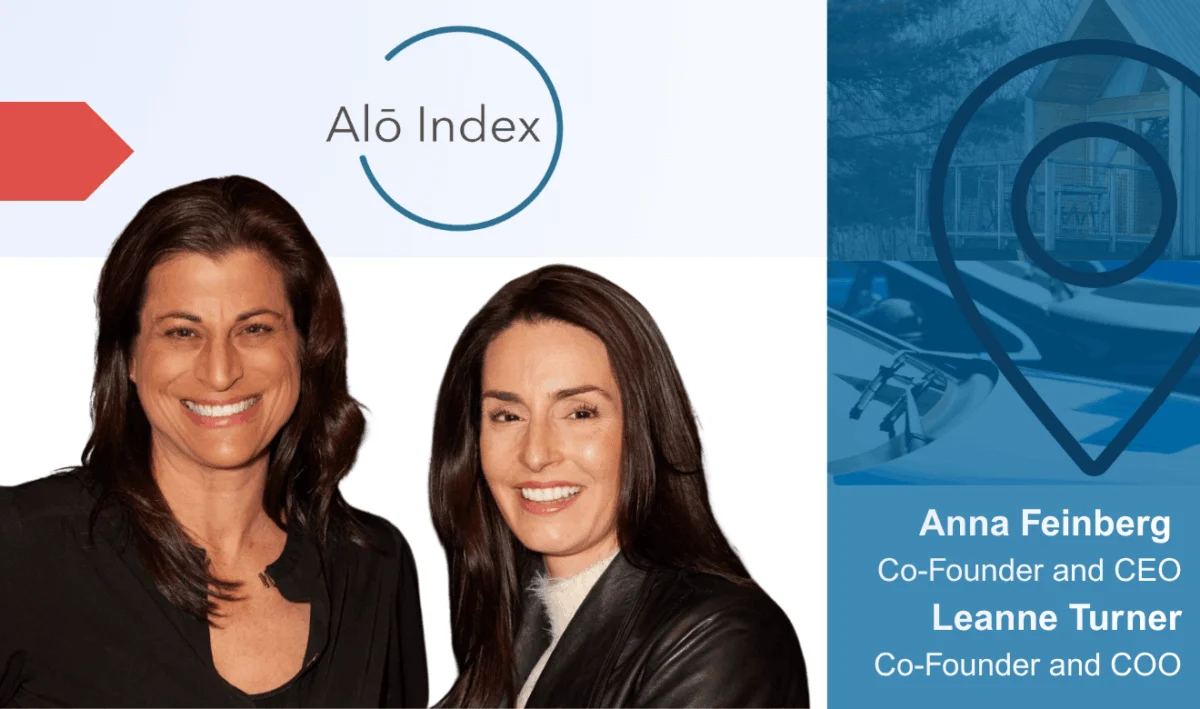
The journey of AlÅ Index—co-founded by CEO Anna Feinberg and COO Leanne Turner—is emblematic of the modern "green-tech" travel startup. The company provides a critical service: helping hotels translate complex sustainability data into measurable business value. By simplifying how this data is collected, organized, and shared with stakeholders—from travel managers to event planners—they are helping the hospitality sector meet the increasing demand for corporate environmental transparency.
Despite a robust product and a clear market need, Feinberg and Turner recognized that the path to scaling required more than just technical innovation; it required deep-seated industry expertise and high-level validation.
The turning point occurred during the Travel Tech July Start-Up Meet-Up. It was there that the founders reconnected with Steve Reynolds, a luminary in the travel technology space and the founder of Tripbam. While their paths had crossed previously in the industry, the environment of the Travel Tech event provided a different catalyst.
"Better than a warm intro," Feinberg noted in a recent interview. "It provided credibility that we are an active startup in this group, and Steve brought deep hotel background in the area where we work."
The Anatomy of an Advisory Partnership
Following the July event, the initial conversation evolved into a series of strategic deep dives. The alignment was immediate. Reynolds, whose career has been defined by his ability to disrupt and optimize hotel sourcing and travel management, saw in AlÅ Index a solution to one of the industry’s most pressing "blind spots": the fragmentation of sustainability data.
The outcome of these follow-up discussions was both swift and significant: Steve Reynolds officially joined the AlÅ Index advisory board. This appointment is not merely a symbolic gesture; it represents a strategic alignment of mentorship and market execution. As the company navigates the current RFP season and eyes expansion into the complex meetings and events sector, having a seasoned veteran like Reynolds provides a "force multiplier" effect.
For a startup, an advisory board member of Reynolds’ caliber serves three primary functions:
- Market Validation: Signaling to potential investors and enterprise clients that the company is vetted by industry leaders.
- Operational Strategy: Helping the founders avoid "founder traps"—common pitfalls in product-market fit that can derail early-stage companies.
- Network Access: Opening doors that would otherwise remain closed to smaller, emerging entities.
The Role of Industry Ecosystems
The experience of AlÅ Index sheds light on the broader, often invisible infrastructure that supports innovation in the travel sector. The Travel Tech Association’s Start-Up Membership Program is designed specifically to dismantle the "island" effect that plagues many entrepreneurs.
Why "The Island" Is Dangerous
Startup founders often operate in silos, working in isolation while attempting to solve massive industry problems. This isolation can lead to product development that lacks the necessary nuance of the industry it serves.
"When you’re a startup founder, you can either be alone on an island, or you can be surrounded by really helpful, thoughtful, engaged people who are doing the same thing you’re doing," Feinberg explained. "These have been a lifesaver for us. I can’t overstate the value."
The Multi-Layered Benefit of Membership
The membership provides more than just networking; it offers a structured approach to growth. The key pillars of this ecosystem include:
- Actionable Intelligence: Access to regulatory updates and market trends that impact how travel technology is deployed globally.
- Peer-to-Peer Knowledge Sharing: A safe space for founders to discuss the "nitty-gritty" of operations, from talent acquisition to navigating venture capital markets.
- Cross-Sector Exposure: By bringing together diverse players—from legacy enterprise firms to emerging innovators—the membership creates an environment where cross-pollination of ideas is the norm rather than the exception.
Chronology of an Emerging Partnership
To understand the speed at which this relationship developed, one must look at the timeline of the recent summer months:
- Early July: AlÅ Index continues to gain traction in the hotel sector, focusing on the integration of sustainability metrics into the RFP (Request for Proposal) process.
- Mid-July: The Travel Tech Start-Up Meet-Up takes place. The environment is engineered to foster high-quality, low-friction introductions between founders and industry leaders.
- Late July: Follow-up meetings are held between Feinberg and Reynolds. The conversations move from "getting to know you" to deep-dive sessions on the company’s product roadmap.
- August: The alignment on market opportunity and product vision is confirmed. Negotiations regarding advisory board participation are finalized.
- September: The partnership is formalized, and AlÅ Index begins leveraging the collective expertise of its new advisory structure to accelerate its expansion into the meetings and events market.
Supporting Data: The Value of Mentorship in Travel Tech
Research into startup success rates consistently shows that mentorship is the single most significant factor in long-term viability. A study by the Kauffman Foundation suggests that startups with active mentors grow 3.5 times faster and raise 7 times more capital than those that do not.
In the travel sector, this is exacerbated by the "trust-based" nature of the industry. Travel is a relationship-heavy sector. Whether dealing with global hotel chains or corporate travel management companies (TMCs), decision-makers are risk-averse. They prefer to work with solutions that have been vetted by people they trust. By integrating with the Travel Tech ecosystem, AlÅ Index effectively "borrowed" the reputation of the association, transforming their cold-outreach efforts into warm, high-conversion conversations.
Official Perspective: The Mission of Travel Tech
The Travel Tech Association, which serves as the unified voice for the travel technology ecosystem, views the success of AlÅ Index as a primary metric for its own effectiveness. The organization’s mandate is to foster an environment where innovation can flourish, not just through policy advocacy, but through the cultivation of a robust professional network.
"Travel Tech brings together enterprise leaders, growth-stage companies, and emerging innovators to advance public policies that support competition, innovation, and a strong technology-enabled travel marketplace," the association stated.
By facilitating these connections, the association is ensuring that the "next big thing" in travel isn’t stalled by a lack of access or a lack of institutional knowledge. They are, in effect, the connective tissue of the modern travel industry.
Implications for the Future of Travel Innovation
The implications of this partnership reach beyond the immediate success of AlÅ Index. It signals a shift in how startups should approach their growth strategy. Instead of relying solely on traditional venture capital or cold-sales tactics, the most successful startups of the late 2020s are likely to be those that embed themselves within industry-specific ecosystems.
As the industry faces mounting pressure to solve complex problems like sustainability, labor shortages, and digital transformation, the need for "intelligent connectivity" will only increase. Startups that can successfully navigate these networks, secure the backing of industry veterans, and prove their value through collaborative effort will be the ones to define the next decade of travel technology.
For AlÅ Index, the road ahead involves scaling their platform to meet the needs of an industry in transition. With the guidance of Steve Reynolds and the support of the Travel Tech community, they are no longer just a startup—they are an integrated, validated player in the global travel marketplace.
For those interested in learning more about the Travel Tech Association or the Start-Up Membership Program, please contact Jessica Matthias at [email protected].
 Evan Lee Salim
  rifanmuazin
  Lina Hope