

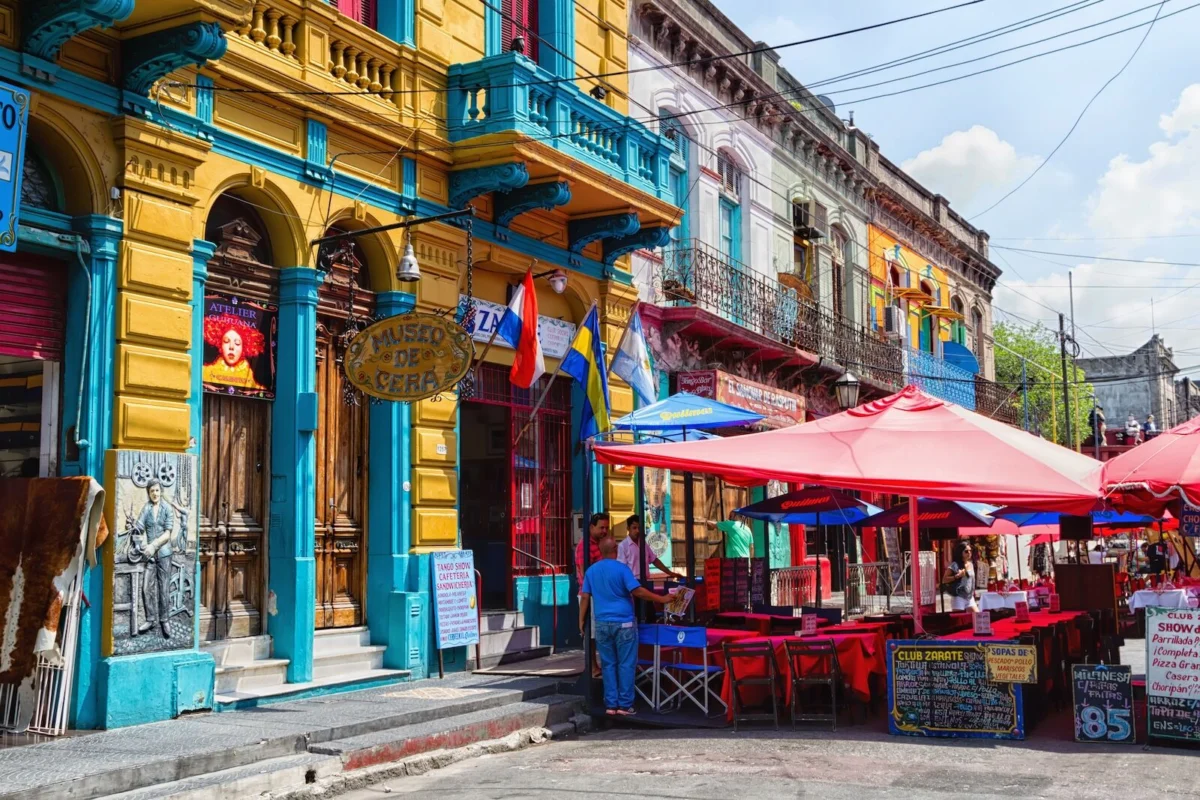
In an era where travel inflation often dominates the headlines, the dream of exploring the globe can feel increasingly out of reach. However, a closer look at global economic trends reveals that world-class culture, history, and culinary experiences remain surprisingly accessible for the savvy traveler. From the bustling street markets of Southeast Asia to the historic plazas of South America and the vibrant medinas of North Africa, budget-conscious voyagers can still traverse the globe without exhausting their savings.
This report examines ten cities that offer the best value for money, based on average daily costs for accommodation, sustenance, and entertainment.
Main Facts: The Economics of Affordable Travel
The fundamental principle of budget travel is the ability to leverage local purchasing power. By targeting destinations where the cost of living is lower than the global average, travelers can trade premium pricing for authentic, localized experiences.
Our analysis of data from the Travel Cost Calculator indicates that the cost of an international getaway is highly dependent on regional infrastructure and local market dynamics. In cities like Delhi, Cairo, and Marrakech, a traveler can sustain a high-quality experience for under $40 per day. These destinations rely on a robust informal economy—street food vendors, public transport, and state-funded cultural institutions—that keeps costs low while maximizing cultural immersion.
Comparative Daily Cost Breakdown (USD)
| Destination | Daily Cost (Est.) | Primary Value Driver |
|---|---|---|
| Delhi, India | $38 | Affordable lodging & transit |
| Cairo, Egypt | $38 | Low cost of historical tourism |
| Bangkok, Thailand | $38 | Vibrant, low-cost street food culture |
| Marrakech, Morocco | $38 | Haggling-based market economy |
| Kuala Lumpur, Malaysia | $39 | High-value urban infrastructure |
| Istanbul, Turkey | $45 | Abundant free cultural landmarks |
| Buenos Aires, Argentina | $50 | High-quality, low-cost dining |
| Lima, Peru | $50 | Fresh, local agricultural abundance |
| Beijing, China | $78 | State-subsidized museum access |
| Warsaw, Poland | $78 | Affordable European nightlife |
Chronology of Market Shifts
Over the past two decades, the landscape of budget travel has shifted significantly. Following the 2008 global financial crisis, many of these cities—particularly in Southeast Asia and South America—invested heavily in tourism infrastructure to attract international capital.
- 2008–2012: Beijing underwent a massive transformation for the 2008 Olympics. While the city modernized, the subsequent legacy infrastructure—such as the Bird’s Nest stadium and Olympic Park—evolved into accessible, low-cost public spaces for visitors.
- 2015–2019: Kuala Lumpur established itself as a "Singapore on a budget," focusing on urban forest reserves and free public art galleries to distinguish itself from its more expensive neighbors.
- 2020–2023: Post-pandemic, destinations like Lima and Buenos Aires saw currency fluctuations that made them even more attractive to international travelers holding stronger currencies. Simultaneously, Istanbul leaned into its historical heritage, opening more free museums to sustain its tourism sector despite economic volatility.
Supporting Data: Regional Highlights
The Asian Corridor: From Street Food to Skyscrapers
In Kuala Lumpur, the modern cityscape belies the affordability of daily life. With hotels averaging $32 and street food costing roughly $11, the city provides a sophisticated urban experience at a fraction of the cost of Tokyo or Singapore. Similarly, Bangkok remains a cornerstone of budget travel. Despite its reputation as a party hub, the city offers an immense wealth of historical and cultural value, including the Corrections Museum and numerous free-to-enter temples.
The Middle Eastern and African Experience
Istanbul represents a rare bridge between the East and the West. With lodging as low as $22 a night, travelers are afforded the luxury of splurging on traditional Turkish baths, which remain highly affordable at roughly $15 for entry. In Marrakech, the "free" nature of the experience—wandering the medina, visiting mosques, and exploring the souks—is the primary draw. The economy here is built on the art of the haggle, turning the act of purchasing souvenirs into a cost-saving endeavor.
The Americas: Culinary Capitals
Buenos Aires and Lima serve as the premier destinations for gastronomic tourists on a budget. In Buenos Aires, the legendary steak dinner, paired with wine, often costs less than a standard meal in North America. Lima, conversely, leverages its coastal location to offer world-class ceviche in local bodegas, proving that high-end culinary experiences do not always require high-end price tags.
Official Responses and Tourism Strategy
Governments in these regions have recognized that "affordability" is a primary competitive advantage.
The Warsaw Tourism Office has explicitly marketed the city’s affordability to European travelers by highlighting free museum days. By offering free access to the Warsaw Rising Museum on Sundays and the National Museum on Tuesdays, the city encourages longer stays, which in turn benefits local hospitality businesses.
In Beijing, the government has maintained a policy of free admission to many of its most significant cultural sites, including Tiananmen Square and the National Museum. This strategy serves a dual purpose: it encourages domestic tourism while simultaneously keeping the city competitive on the global stage.
In Cairo, the management of the Giza Pyramids illustrates a nuanced approach. While the main site requires a fee, the government has invested in public transport connectivity, allowing budget travelers to view these wonders from the exterior for the price of a bus ticket, ensuring that the country’s primary heritage remains accessible to all economic demographics.
Implications: The Future of Budget Travel
The data suggests that the "cheapest" cities are not necessarily those with the least to offer. On the contrary, these ten cities are often characterized by a high density of free, state-funded, or community-driven attractions.
Sustainability and Local Impact
Budget travel does not have to be extractive. By choosing to eat at local street markets, visiting public parks, and utilizing public transit, travelers often contribute more directly to the local economy than those who remain sequestered in all-inclusive, multinational-owned resorts.
The "Value-First" Traveler
The emergence of "value-first" travel is a direct response to the rising costs of traditional tourism. As travelers become more adept at using digital tools—such as the Travel Cost Calculator—to plan their expenses, we can expect a continued shift in tourism traffic toward these affordable urban hubs.
Final Considerations
For the prospective traveler, the secret to maintaining a $40–$80 daily budget lies in the intentional selection of activities. Whether it is enjoying a $2 beer in a Warsaw pub, taking a free tango lesson in Buenos Aires, or exploring the Batu Caves in Malaysia, the ability to find value is a skill in itself.
The global economy may continue to fluctuate, but the allure of these ten destinations remains constant. They provide proof that one does not need to compromise on quality or cultural enrichment to see the world. By planning ahead, embracing local customs, and prioritizing free access to history and art, the modern traveler can ensure that their wanderlust is matched only by their fiscal responsibility.
Note: All hotel prices are estimated per person based on double occupancy. Costs are subject to seasonal fluctuation and market volatility. Travelers are encouraged to check current exchange rates and local safety guidelines prior to departure.
 Sagoh
Sagoh  Reynand Wu
  Iffa Jayyana