

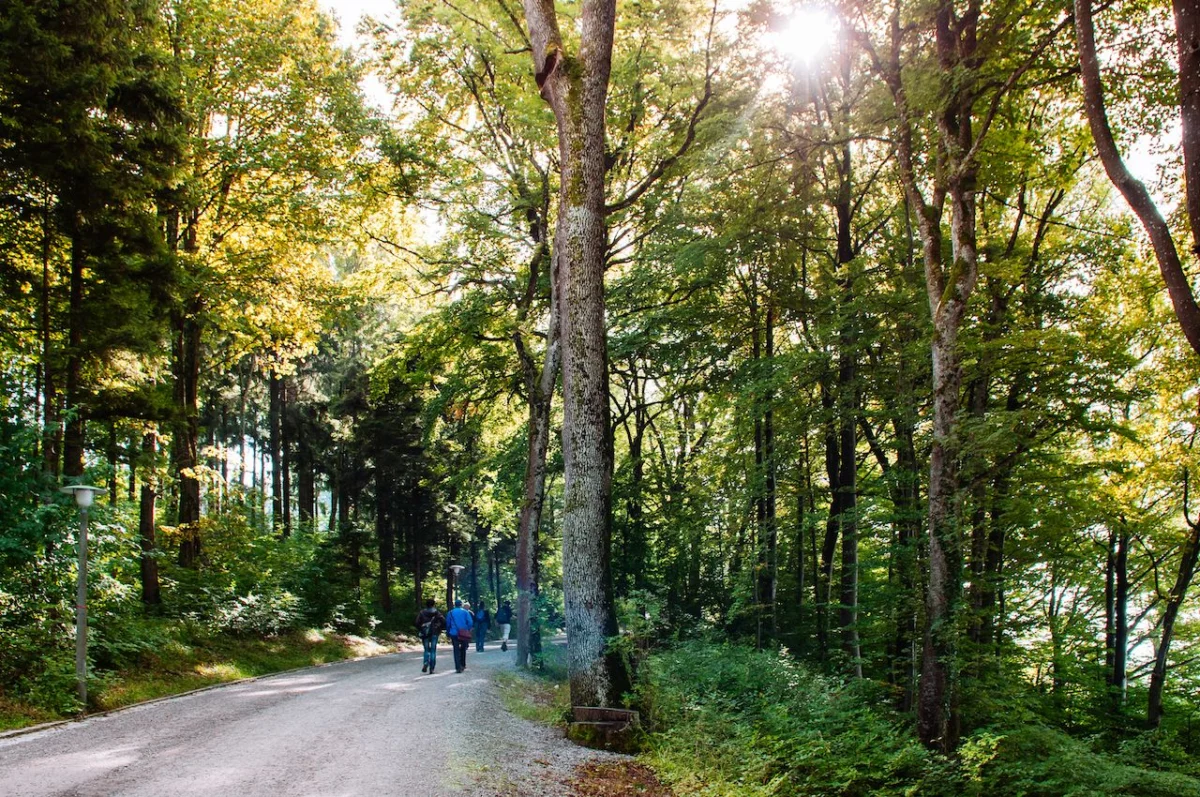
For many city dwellers, the concept of a "wilderness escape" usually involves hours of highway driving, stressful logistics, and significant planning. However, across Europe, a different narrative is taking hold. From the fjords of Norway to the sun-drenched hills of Greece, major metropolitan areas are increasingly defined not just by their architecture, but by their immediate proximity to rugged, accessible trail networks. These routes offer a vital psychological and physical reset for urbanites, proving that you don’t need to leave the continent’s cultural capitals to find the serenity of the wild.
Main Facts: The Intersection of Urbanity and Wilderness
The allure of these trails lies in their accessibility. In cities like Stockholm, Zurich, and Innsbruck, the transition from metropolitan hustle to alpine silence is measured in minutes, not hours.
The Topography of Proximity
- Stockholm, Sweden (Sörmlandsleden): A massive network beginning at the Björkhagen metro station, offering over 600 miles of terrain that transitions from suburban forest to coastal beauty.
- Zurich, Switzerland (Planet Trail): A unique, educational, and family-friendly two-hour traverse between Uetliberg and Felsenegg.
- Edinburgh, Scotland (Arthur’s Seat): An extinct volcano rising directly from the city’s heart, offering a steep 823-foot ascent with panoramic views of medieval and neoclassical architecture.
- Athens, Greece (Mount Parnitha): A legendary range just 30 minutes from the city, home to diverse ecosystems, ancient ruins, and high-altitude refuges.
- Dublin, Ireland (Dublin Mountains Way): A 25-mile long-distance trail reachable via a 40-minute bus ride, showcasing the valleys and forests south of the city.
- Zagreb, Croatia (Medvednica): A nature park accessible via public transport, offering a diverse array of caves, mines, and mountain lodges.
- Oslo, Norway (Barlindåsen Ridge): A 3.5-mile loop providing an "unbeatable payoff" of mountain views and pristine nature just 30 minutes from the city center.
- Innsbruck, Austria (Goetheweg): Perhaps the most dramatic entry, utilizing a cable car to access 7,000-foot peaks, followed by a scenic descent back into the Old Town.
- Lisbon, Portugal (Peninha/Sintra): A lush, fairy-tale landscape of palaces and coastal views located just 40 minutes from the capital by train.
Chronology: From Ancient Paths to Modern Recreation
The history of these trails is as varied as the landscapes they traverse. Many of these routes began as vital arteries—trade paths, pilgrimage routes, or defensive perimeters—long before they were repurposed for weekend leisure.
In Edinburgh, the history of Arthur’s Seat stretches back millennia. The hill fort atop the summit is estimated to be over 2,000 years old, serving as a defensive lookout for ancient tribes long before the city of Edinburgh was founded. Similarly, the Mount Parnitha range in Greece carries the weight of mythology, cited as the dwelling place of the god Pan. For centuries, these paths were utilized by locals for hunting, foraging, and spiritual pilgrimages, only transitioning to formal "hiking trails" in the mid-20th century as the mountaineering movement gained global traction.
In the late 20th and early 21st centuries, urban planning began to prioritize "green corridors." The Dublin Mountains Way is a prime example of a modern initiative designed to reconnect urban residents with their natural hinterland. By creating standardized signage and linking existing footpaths, cities like Dublin, Stockholm, and Zurich have successfully codified these routes, ensuring that the next generation of urban residents maintains a connection to the geography surrounding their concrete environments.
Supporting Data: Why Accessibility Drives Usage
The success of these trails is not merely anecdotal; it is supported by logistical data and user metrics.
- Public Transit Integration: A key success factor for all nine highlighted trails is their "transit-to-trail" ratio. In Innsbruck, the integration of the Nordkettenbahn cable car creates a seamless transition from urban center to alpine terrain in under 20 minutes. This eliminates the "barrier to entry" often cited by casual hikers.
- Sectional Modularization: The Sörmland Trail in Sweden is effectively managed by being broken into segments ranging from one to 13 miles. This data-driven approach to trail management allows for varying skill levels—from the casual morning walker to the seasoned backpacker looking for an overnight experience.
- Environmental Impact: While increased foot traffic poses risks to biodiversity, managed nature parks like Medvednica in Croatia use trail maintenance and designated lodge stops to keep hikers on paths, minimizing erosion and protecting sensitive karst cave ecosystems.
Official Responses: Managing the Urban-Nature Interface
Urban planners and conservationists have had to navigate the tension between increasing tourist demand and environmental stewardship.
In Lisbon, the Sintra-Cascais Natural Park faces the challenge of protecting its fragile "fairy-tale" environment while managing thousands of daily visitors. Local authorities have implemented strict signage and reinforced trail boundaries to prevent tourists from wandering into protected palace grounds or damaging the delicate vegetation of the coastline.
Conversely, the management of Mount Parnitha has focused on infrastructure. By maintaining the Bafi and Flambouri refuges, the Athenian authorities encourage hikers to stay longer and disperse across the network, preventing the overcrowding of lower trails. These refuges serve as both an amenity and a management tool, providing shelter and sustenance while keeping human impact localized to defined areas.
In Innsbruck, the city promotes "responsible descent." Because the Goetheweg trail involves a 5,000-foot descent, local officials and mountain associations provide clear warnings about the physical toll on knees, recommending hiking poles. This proactive communication is part of a broader European trend of "safety-first" tourism management.
Implications: The Future of the "Green City"
The proliferation of these accessible trails suggests a shift in the definition of a "livable city." As urban density increases, the availability of high-quality, nearby natural escapes is becoming a key indicator of a city’s quality of life.
The Psychological Benefit
The psychological implications are significant. Studies in environmental psychology suggest that even short durations in "green space" significantly reduce cortisol levels. For the office worker in Stockholm or the student in Dublin, these trails are not just recreational; they are a necessary component of mental health infrastructure.
The Economic Impact
These trails also provide a substantial economic boost. In cities like Innsbruck and Lisbon, the "hiker-tourist" demographic contributes to local economies through the support of mountain huts, transit services, and small-town hospitality. The lodges of Medvednica and the cafes of the Dublin Mountains are prime examples of how nature-based tourism can revitalize suburban areas and provide a steady income for rural entrepreneurs.
Environmental Stewardship
Finally, these trails serve as an educational bridge. By putting thousands of city dwellers in direct contact with protected ecosystems—such as the karst caves of Greece or the blueberry patches of Norway—these trails foster a sense of stewardship. When citizens feel a personal connection to the forests and ridges surrounding their cities, they are far more likely to support policies that protect those environments from industrial encroachment.
As we look toward the future of European urbanism, the integration of the city and the wild will likely deepen. The trails listed here are not merely paths through the woods; they are essential veins connecting the heart of the city to the lungs of the continent. Whether it is the educational journey of the Zurich Planet Trail or the steep, historic climb of Arthur’s Seat, these routes prove that the best adventures are often just a metro ride away.
 Sagoh
Sagoh  Reynand Wu
  Lina Hope