

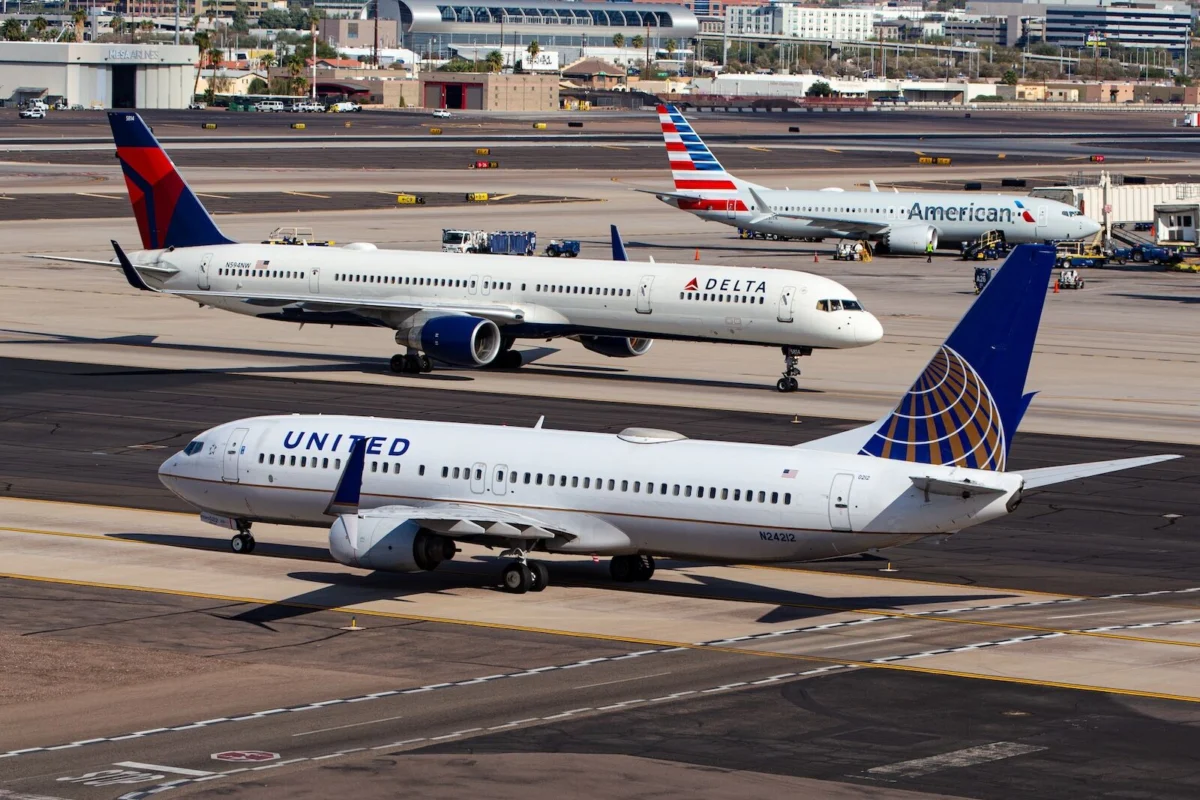
For millions of American travelers, the experience of domestic air travel is defined by a narrow set of choices: United, Delta, American, or Southwest. While these carriers provide essential connectivity across the United States, they operate within a remarkably sheltered ecosystem. If you have ever wondered why a world-class carrier like Emirates can fly you from Dubai to New York but is legally barred from taking you on the final leg to Los Angeles, you have encountered one of the most significant, yet least understood, regulations in global transportation: cabotage.
Cabotage—a term derived from the French caboter, meaning "to sail along the coast"—is a protectionist legal principle that prevents foreign companies from operating domestic transport services within another country’s borders. In the aviation sector, this means that while foreign airlines are granted the "fifth freedom" to land and drop off passengers from their home country, they are strictly prohibited from picking up passengers in one U.S. city and dropping them off in another.
This legislative firewall effectively eliminates international competition from the U.S. domestic market, creating a domestic monopoly for American carriers. While supporters argue this is essential for national security and economic stability, a growing chorus of critics argues that this policy is the primary culprit behind the high fares and lackluster service that define the modern American flying experience.
A History of Protectionism: From Coastal Trade to Modern Skies
The concept of cabotage is not new, nor is it exclusive to aviation. Its origins trace back to 16th-century French maritime law, which sought to secure domestic shipping routes for French vessels. This protectionist spirit was eventually codified into international transportation standards, including shipping, trucking, and rail.
In the United States, the aviation-specific restrictions trace their roots to the Air Commerce Act of 1926. Signed into law in May of that year, the act was designed to foster the nascent U.S. aviation industry by explicitly stating that "no foreign aircraft shall engage in interstate or intrastate air commerce."
Following the devastation of World War II, the international community sought to create a standardized framework for global flight. In 1944, representatives from 54 nations gathered in Chicago to sign the "Convention on International Civil Aviation," commonly known as the Chicago Convention. This landmark treaty established the rules for airspace, air registration, and safety. Crucially, it provided a legal framework for countries to exercise sovereignty over their own domestic air routes.
The U.S. fully embraced this authority with the Federal Aviation Act of 1958, which solidified the ban on foreign carriers operating domestic U.S. legs. Today, this practice remains standard among major nations, including Canada, Australia, China, and Brazil. Even the European Union enforces a version of this policy, though it functions as a single bloc; while a German airline can fly domestic routes within France, a U.S. carrier cannot.
The Case for Cabotage: Security and Labor Stability
Proponents of the current cabotage laws argue that commercial aviation is too critical to a nation’s strategic interests to be left entirely to the whims of foreign market forces. The primary argument for maintaining these restrictions centers on the Civil Reserve Air Fleet (CRAF) program.
Under the CRAF, the Department of Defense maintains agreements with major U.S. commercial carriers to utilize their aircraft and crews during national emergencies or military mobilizations. By ensuring that the U.S. airline industry remains profitable and domestically owned, the government guarantees a reliable supply of transport capacity that can be mobilized when military assets are insufficient. In exchange, these carriers receive preference for government contracts.
Furthermore, labor unions and industry lobbyists argue that repealing cabotage would lead to "social dumping." If foreign airlines with lower labor costs, different safety regulatory structures, or substantial foreign government subsidies were allowed to compete on domestic routes, U.S. carriers would struggle to maintain their payrolls. As of July 2026, the U.S. Department of Transportation reported that commercial airlines employ over 555,000 Americans. Supporters argue that the influx of foreign competition would jeopardize these high-paying, middle-class jobs, potentially forcing a "race to the bottom" in terms of wages and working conditions.
The Concentration of Power: The "Big Four" Monopoly
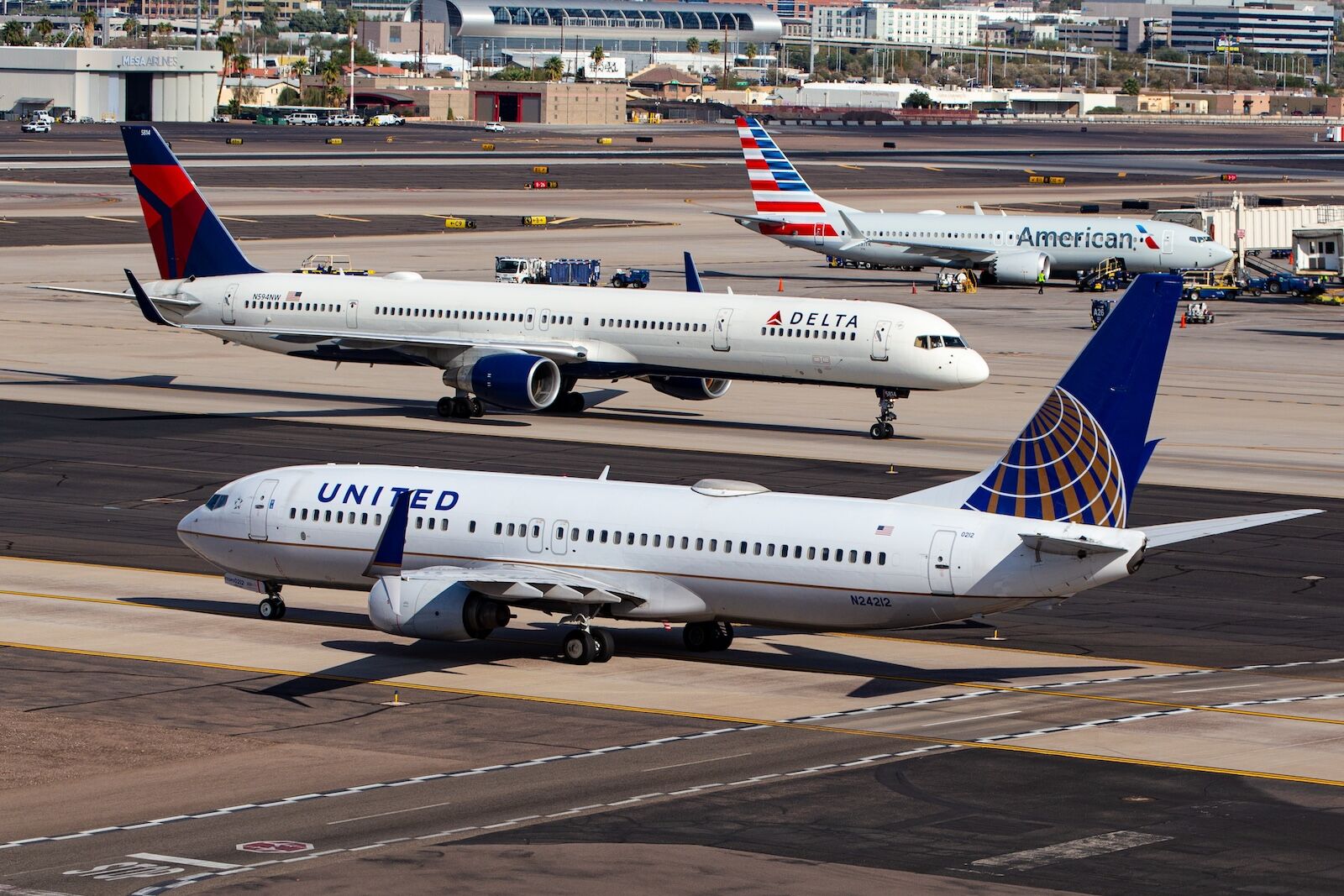
Critics of the current system point to the high degree of market concentration as evidence that the system is broken. The U.S. aviation market did not arrive at its current state by accident. A series of aggressive mergers between 2008 and 2013—consolidating dozens of regional and major airlines into the current "Big Four" (United, Delta, American, and Southwest)—has resulted in these companies controlling more than 75 percent of the domestic market.
According to a 2026 report from the non-partisan Government Accountability Office (GAO), this lack of competition has had tangible consequences for the consumer. The report noted that in markets where competition has been reduced, passengers consistently face higher fares and a marked decline in service quality.
The GAO findings highlighted a disturbing trend: when a route sees the number of competing airlines drop from three to two, average flight delays increase by 25 percent, and cancellation rates climb by 7 percent. These statistics provide empirical weight to the argument that competition is the strongest driver of operational efficiency. When airlines face little threat of losing passengers to a competitor, the incentive to invest in passenger comfort or on-time performance diminishes.
The Global Comparison: Why U.S. Airlines Fall Short
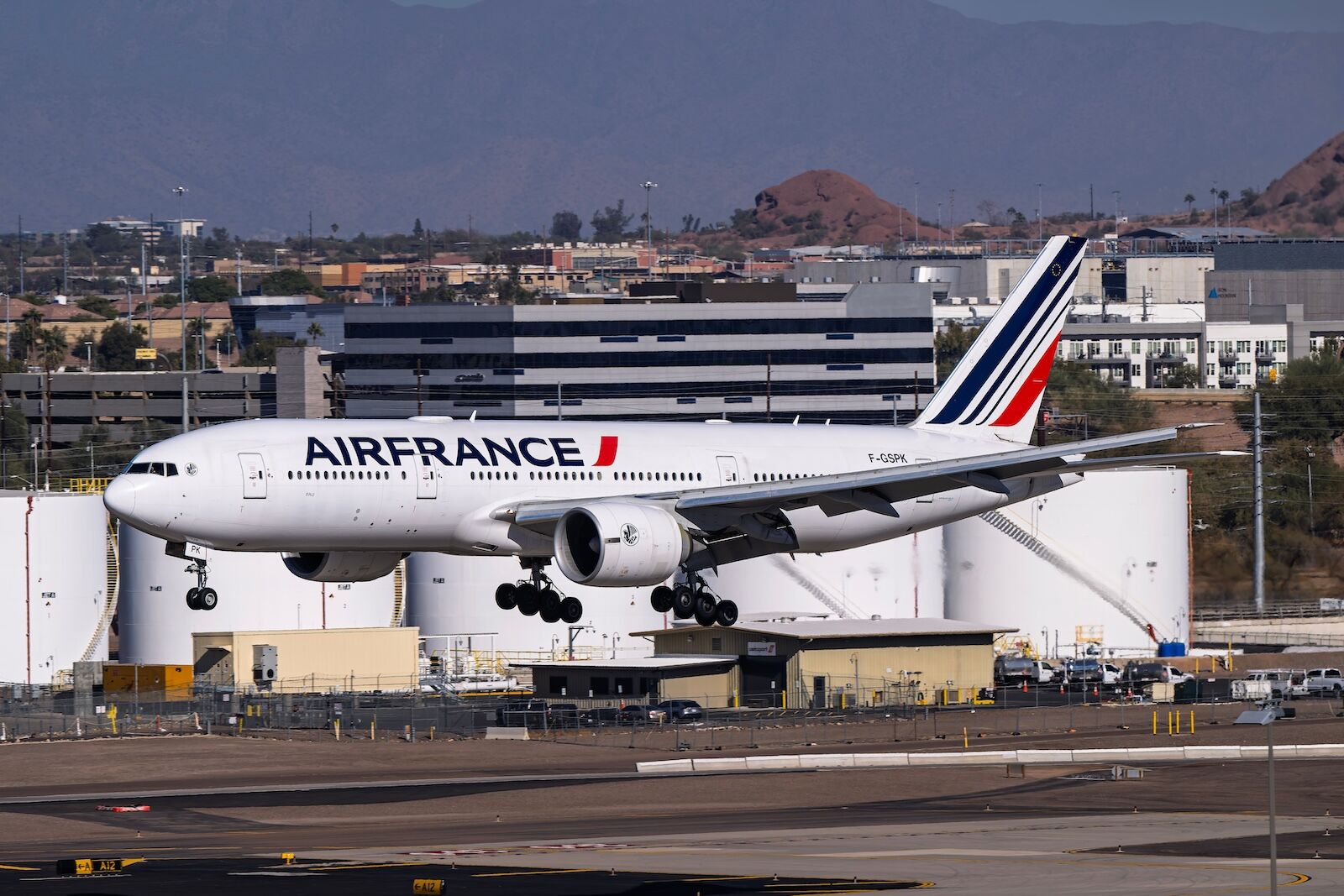
The disparity between U.S. carriers and their international counterparts is perhaps most visible in global satisfaction surveys. In the 2025 Skytrax World Airline Awards—a comprehensive survey of passengers across more than 100 countries—not a single U.S.-based carrier managed to crack the top 20.
The top-tier rankings were dominated by airlines such as Qatar Airways, Singapore Airlines, Emirates, and Turkish Airlines. A key difference, critics note, is that the hubs for these airlines operate in highly competitive environments. For instance, Istanbul Airport is served by 116 airlines, and Dubai International Airport hosts over 100. By contrast, the busiest airport in the world—Hartsfield-Jackson Atlanta International—is served by only 28 carriers.
This lack of diversity in airline presence at major U.S. hubs contributes to a "domestic echo chamber." Without the constant threat of a foreign carrier offering a better product or a more reliable schedule on the same route, U.S. airlines have little pressure to innovate. The result is a consumer experience that many travelers describe as stagnant, characterized by aging cabin interiors, high prices, and frequent service failures.
Implications: Is Change on the Horizon?
Could shifting the current cabotage laws improve the experience for the American traveler? While there is no definitive study proving that foreign competition would lower prices overnight, economic theory and historical precedent suggest that competition is a powerful catalyst for improvement. Research by economist Daniel Greenfield of the Federal Trade Commission’s Bureau of Economics has consistently shown that increased competition improves on-time performance and elevates service quality.
Even the possibility of market entry can force incumbent firms to improve their offerings. Currently, U.S. airlines enjoy a "protected status" that removes that threat entirely.
However, the path to reform is fraught with political obstacles. Any move to open domestic skies would face fierce opposition from powerful airline lobbying groups, labor unions, and national security hawks who view the domestic airline industry as a vital extension of the nation’s defense infrastructure.
For the average passenger, the impact of cabotage remains largely invisible. It is hidden in the final price of a ticket and the frequency of flight cancellations. Yet, as the gap between the world’s best airlines and American carriers continues to widen, the conversation regarding these antiquated laws is becoming increasingly relevant. Whether the U.S. will prioritize the protection of domestic industry or the potential for a more competitive, passenger-focused market remains one of the most significant debates in modern transportation policy. Until that balance shifts, travelers will continue to find themselves confined to a limited selection of carriers, governed by regulations that were drafted in an era when the skies were much quieter than they are today.
 Sagoh
Sagoh  Reynand Wu
  Lina Hope