

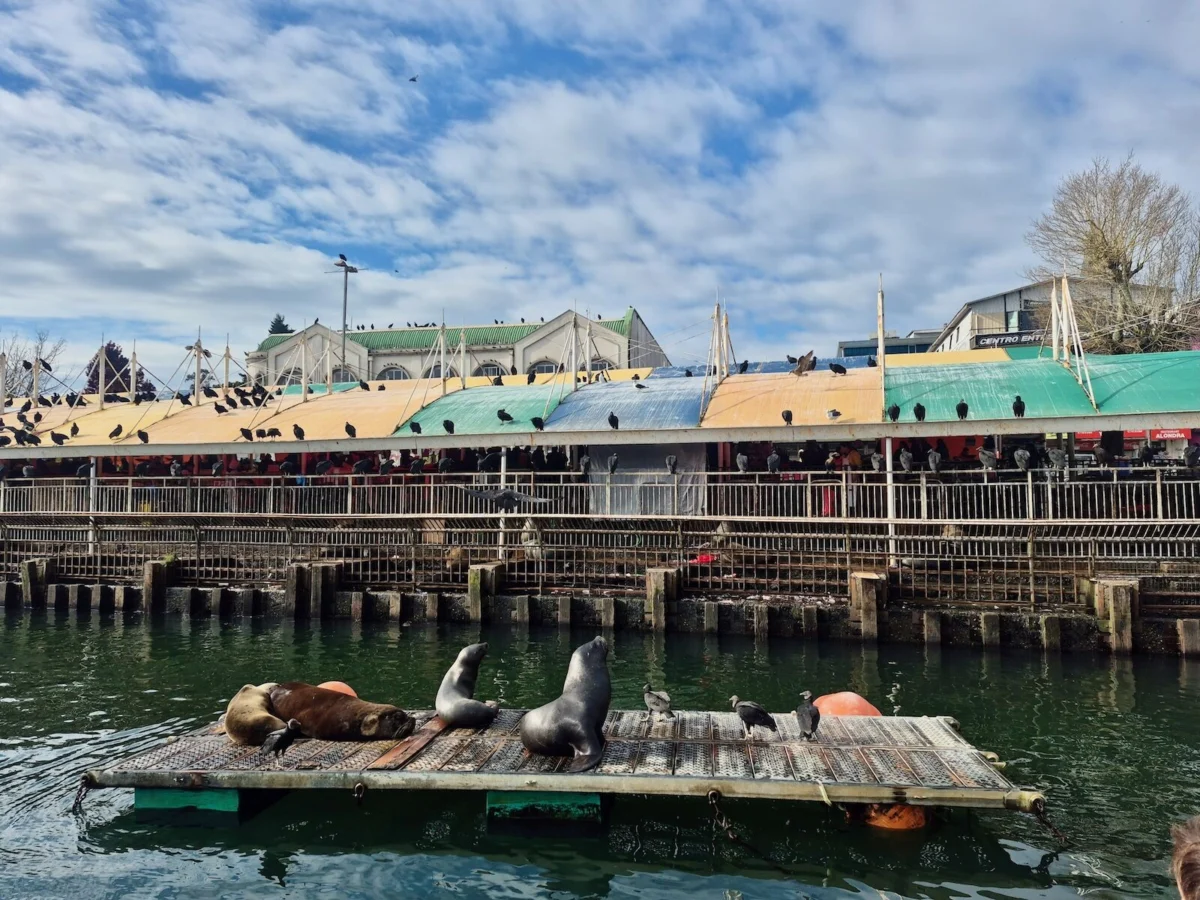
Nestled in the lush, rain-kissed heart of southern Chile, Valdivia is a city defined by its fluid geography. Known as the "City of Rivers," it is a place where history, seismic transformation, and a deep-seated Germanic brewing tradition converge. From its 19th-century colonial roots to its modern status as a craft beer powerhouse and a hub for ecological tourism, Valdivia offers a narrative of resilience that is as intoxicating as the amber ales poured in its bustling taverns.
Main Facts: A Convergence of Culture and Geography
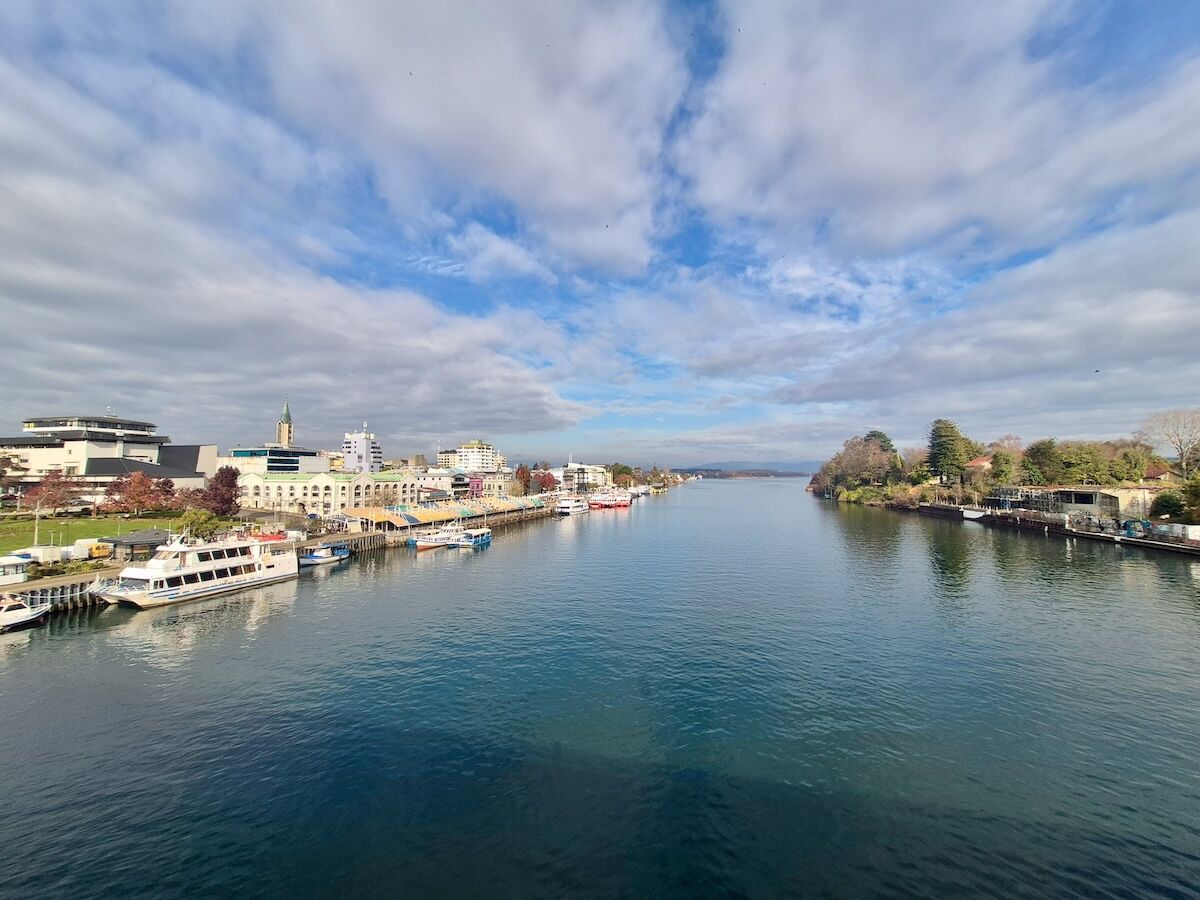
Valdivia, the capital of the Los Ríos Region, is uniquely positioned at the confluence of the Valdivia, Calle-Calle, and Cau-Cau rivers. Its identity is inextricably linked to the German immigration wave of the mid-1800s, which fundamentally reshaped the region’s economy, architecture, and culinary landscape.
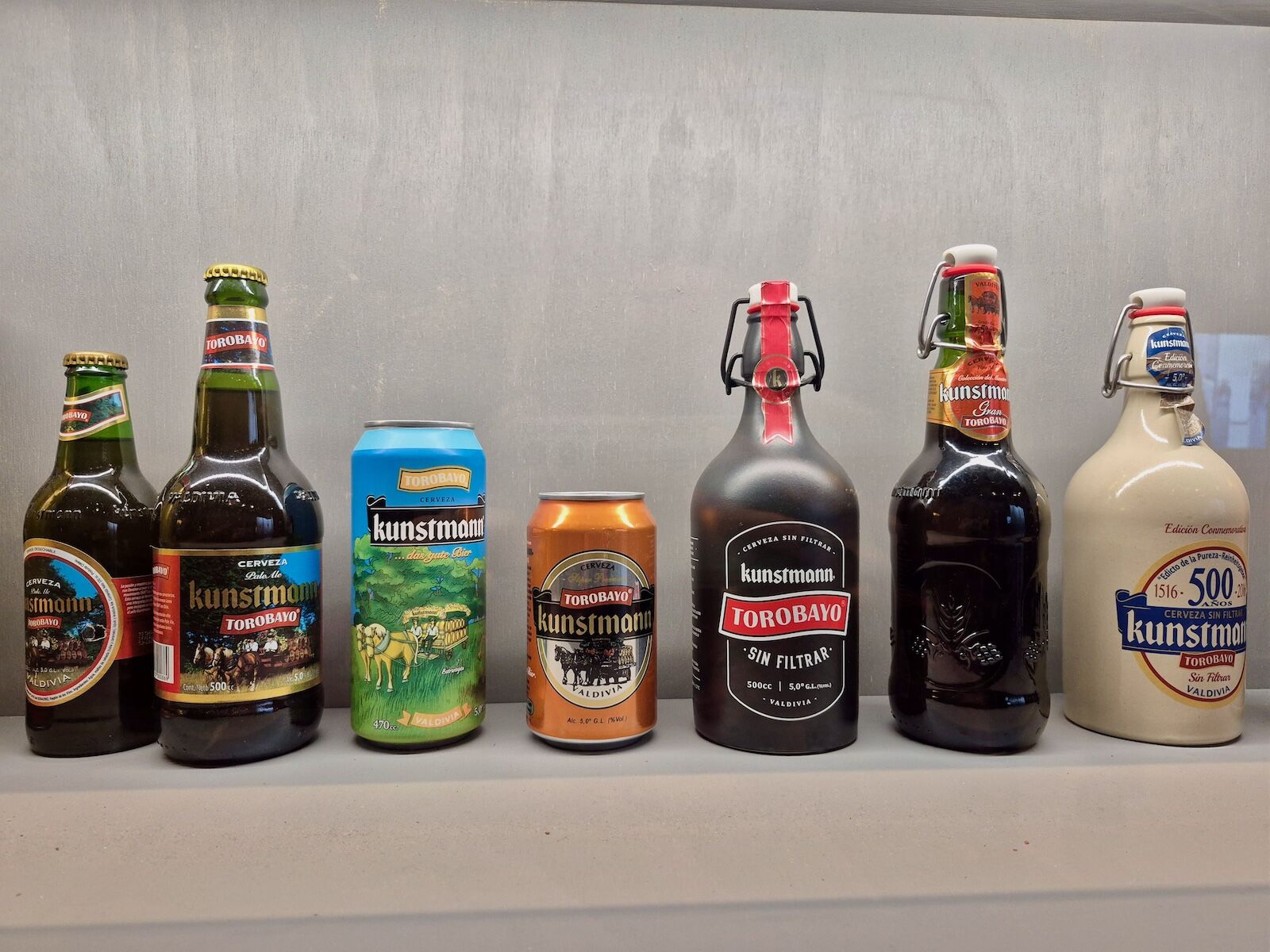
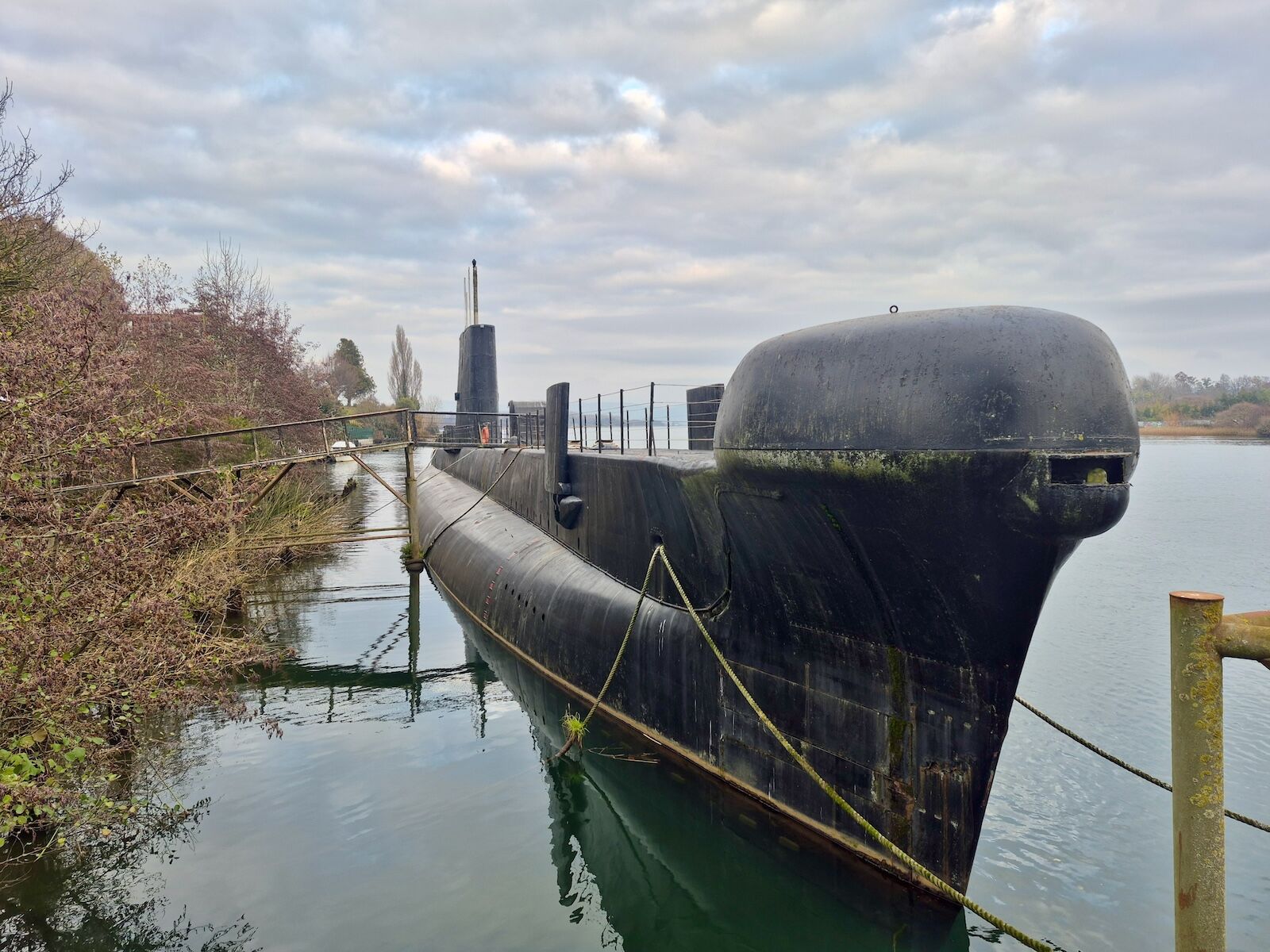
Today, the city serves as a living museum. It is home to the O’Brien, a decommissioned Oberon-class submarine that offers a rare, subterranean glimpse into naval engineering, and it is guarded by the remnants of the Castillo de Niebla, a Spanish fortress that once stood as a sentry against colonial incursions. Beyond its historical weight, Valdivia is the undisputed beer capital of Chile, where tradition—represented by the legendary Cervecería Kunstmann—coexists with a burgeoning wave of independent craft brewpubs that lean into Belgian and North American styles.
Chronology: From Colonial Ambitions to Modern Craft
1851: The Genesis of Brewing
The story of Valdivia’s beer culture begins with the Chilean government’s mid-19th-century initiative to encourage European immigration to the southern frontier. Among the arrivals was Carlos Anwandter, a visionary who established one of the nation’s first commercial breweries. While his original residence on Isla Teja—a survivor of the colonial era—remains a historic landmark, the original brewery was lost to time and tremors.
1960: The Great Transformation
The Valdivia earthquake of 1960 remains the most powerful seismic event ever recorded. The massive 9.5-magnitude earthquake and the subsequent 82-foot-high tsunami forced a radical geographic shift. The land subsided by up to six-and-a-half feet, transforming dry plains into the vast, biodiverse wetlands that characterize the landscape today.
1990s: The Kunstmann Revival
Armin Kunstmann reignited the dormant spirit of German brewing in the 1990s. By founding Cervecería Kunstmann, he did not just create a business; he established a cultural institution that honors the legacy of Anwandter while modernizing production for a global palate.
2007: Regional Autonomy
The formation of the Los Ríos administrative region in 2007 marked a turning point for local governance, allowing Valdivia to cultivate its own tourism and industrial policies, further solidifying its identity as a distinct entity separate from the wider Los Lagos region.
Supporting Data: The Economics of the Pint and the Port
The success of the Valdivian beer industry is not merely a matter of taste; it is a calculated marriage of environment and expertise.
- Hydrological Advantage: Brewers consistently credit the region’s unique water profile—sourced from the pristine Valdivian rainforest and the Estancilla wetland—for the quality of their lagers and ales.
- The Kunstmann Footprint: As the most famous brewery in the country, Cervecería Kunstmann draws tens of thousands of visitors annually. Their facility serves as an educational hub, featuring guided tours that explain the chemical relationship between local water and mash profiles.
- The Submarine Economy: The O’Brien submarine attraction, managed by the local government, provides a steady stream of tourism revenue. A standard 40-minute tour costs roughly 4,000 pesos (approx. $4 USD), attracting school groups and international travelers alike.
- Public Transit Metrics: The "number 20" bus line acts as a critical artery, connecting the city center to the coastal hamlet of Niebla for less than 1,000 pesos, proving that the city’s tourism infrastructure is built on accessibility rather than luxury exclusivity.
Official Responses and Industry Perspectives
Local brewers and historians alike emphasize that Valdivia is a "city of transitions." Joel Driver, an Oregon-born brewer who founded the popular El Growler on Isla Teja, notes that the local scene is constantly shifting.
"We aren’t just copying German recipes anymore," says a local industry representative. "While we pay homage to the Reinheitsgebot (the German Beer Purity Law), the current generation of brewers is experimenting with American-style IPAs and Belgian fermentation techniques. The city has become a laboratory for craft innovation."
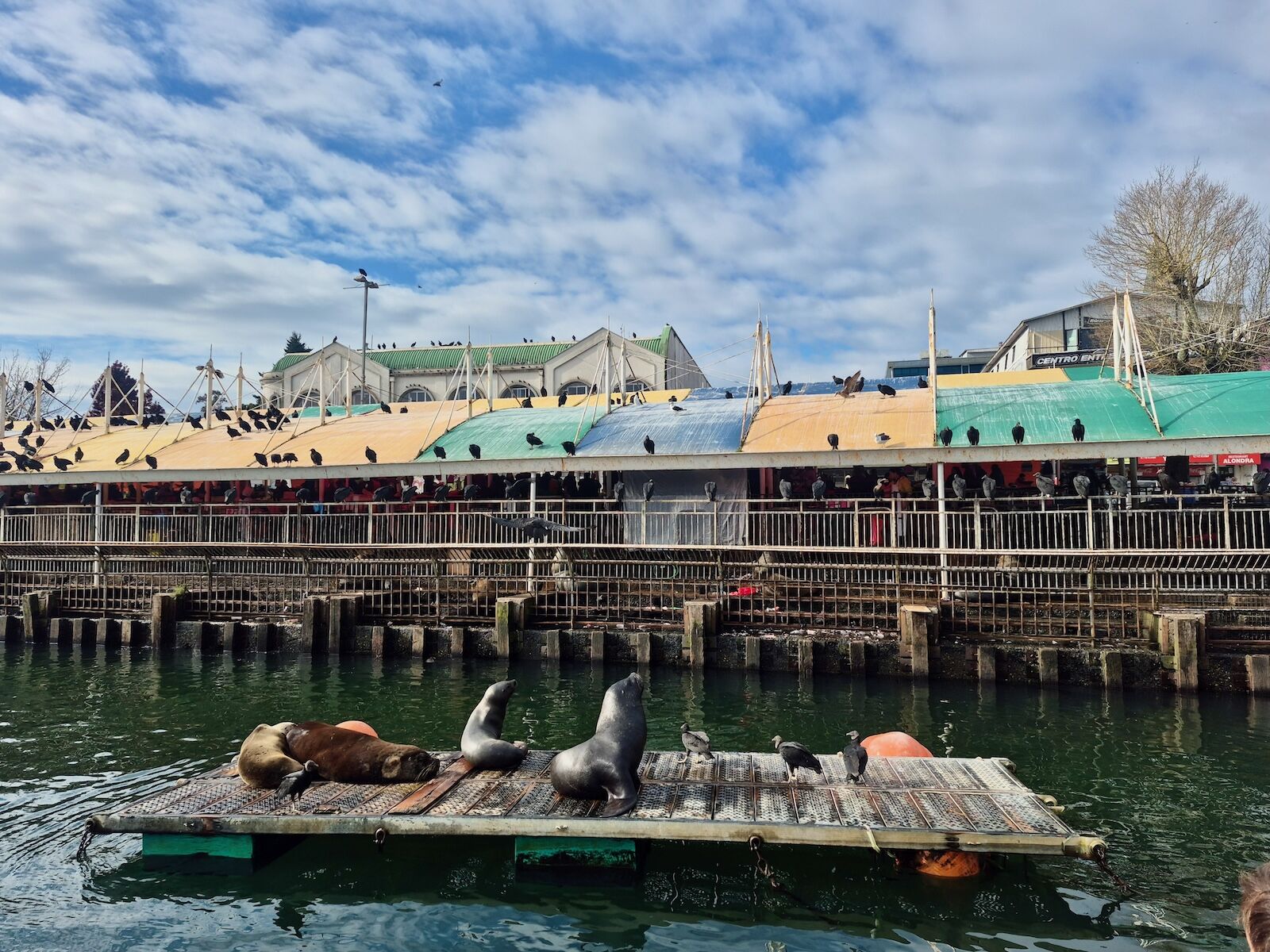
Regarding the environmental impact, local tour operators like Kimeltu Los Rios emphasize that the tourism sector is now the primary guardian of the wetlands created by the 1960 earthquake. Their guided river cruises serve a dual purpose: educating visitors on the tragic history of the earthquake while monitoring the health of the lobos marinos (South American sea lions) that inhabit the riverbanks.
Implications: The Future of the River City
The success of Valdivia as a tourist destination has profound implications for the rest of Chile’s southern corridor.
Preservation vs. Progress
As the city continues to grow, there is a delicate tension between preserving the colonial architecture of Isla Teja and the expansion of modern industrial-chic hospitality venues. The rise of beer-centric tourism has revitalized areas that were once considered industrial, such as the riverfront districts, turning them into vibrant social hubs.
Environmental Stewardship
The reliance on the Valdivian wetlands for both beer production and eco-tourism creates a strong economic incentive for conservation. If the water quality of the Valdivia, Calle-Calle, and Cau-Cau rivers were to decline, the very essence of the city’s brand would vanish. Consequently, Valdivia has become a focal point for environmental activism in Chile, with local businesses frequently leading the charge in water-protection initiatives.
The Connectivity of the South
Valdivia is no longer a remote outpost. With improved bus links from Santiago and Valparaíso via companies like FlixBus and Turbus, and its position as a gateway to the Carretera Austral, the city is effectively the "base camp" for Southern Chilean exploration.
A Model for Adaptive Reuse
The transformation of the O’Brien submarine from a cold-war military asset into a civilian museum serves as a blueprint for how other Chilean cities might repurpose decommissioned infrastructure. By inviting the public into spaces once reserved for the military, Valdivia has successfully democratized its history.
Conclusion: A Toast to the Future
Valdivia is a city that defies simple categorization. It is a place where one can spend the morning crawling through the engine room of a submarine, the afternoon observing sea lions basking in the sun, and the evening sipping a malty amber ale in an industrial-chic beer garden on the banks of a river that exists today only because of a cataclysmic earthquake.
For the traveler, Valdivia offers more than just a scenic detour; it offers an immersion into a culture that has learned to thrive on the intersection of the man-made and the natural. Whether you are there for the crudos and the Torobayo, the history of the Spanish fortifications, or the quiet mystery of the wetlands, Valdivia remains a testament to the fact that when a city embraces its past, it is better equipped to pour a pint for the future.
 Sagoh
Sagoh  Reynand Wu
  Lina Hope