

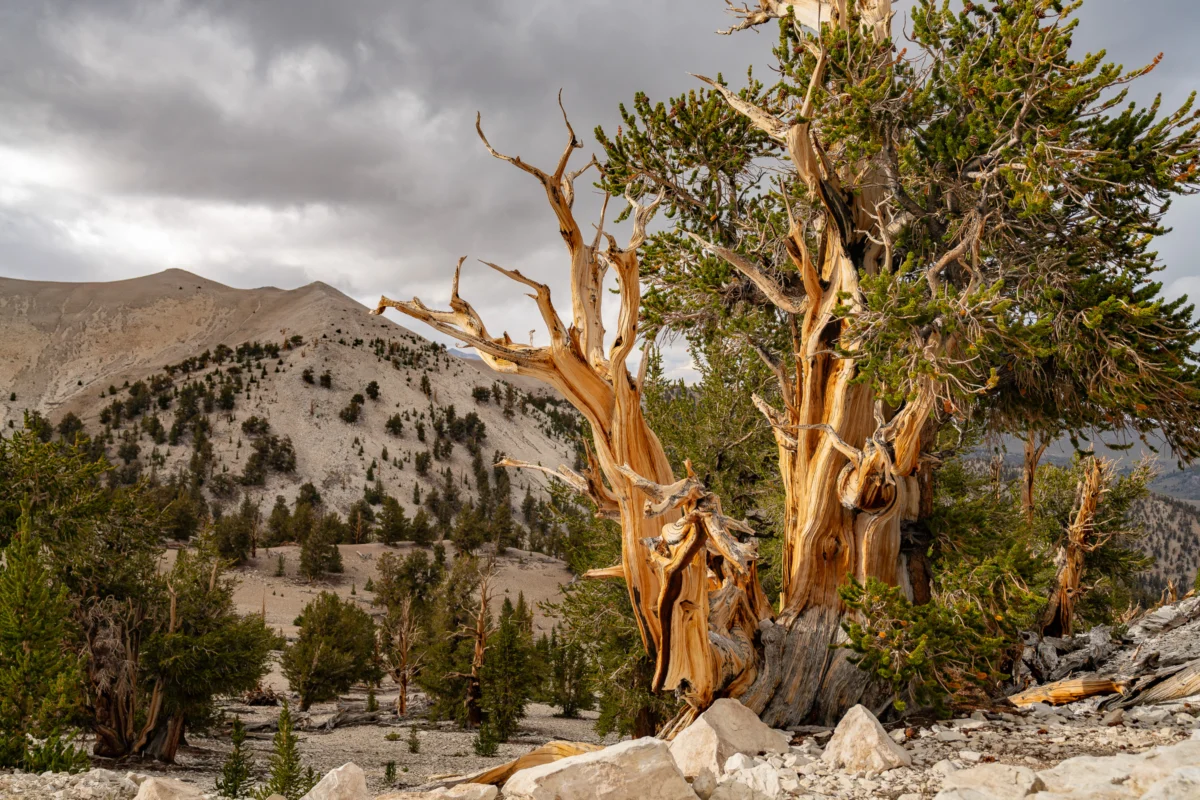
In an era defined by digital abstraction and the rapid pace of urban existence, a quiet revolution is taking place on the fringes of our society. From the wind-battered coastline of Washington State to the ancient, towering cathedrals of the California redwoods and the expansive wilderness of America’s public lands, a unique cohort of individuals is working to bridge the widening chasm between humanity and the natural world.
Featured in AJ 42, these figures—John Anderson, Jane Kim, and the Pattiz brothers—are not merely observers of the environment; they are curators, translators, and defenders. By transforming how we interact with physical objects, biological history, and protected landscapes, they are recalibrating our collective consciousness.
I. John Anderson: The Curator of the Pacific’s Memory
The Beachcomber’s Philosophy
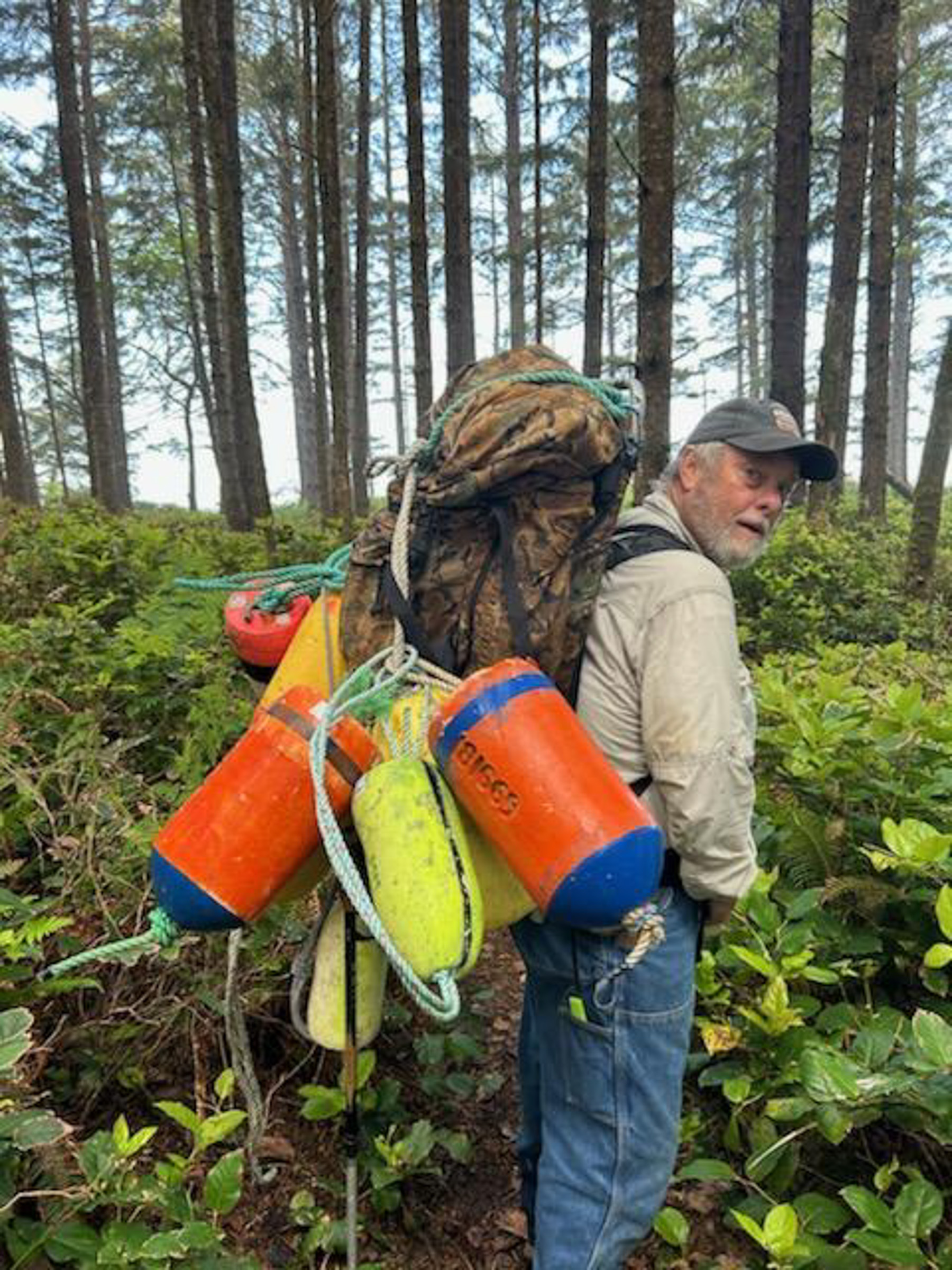
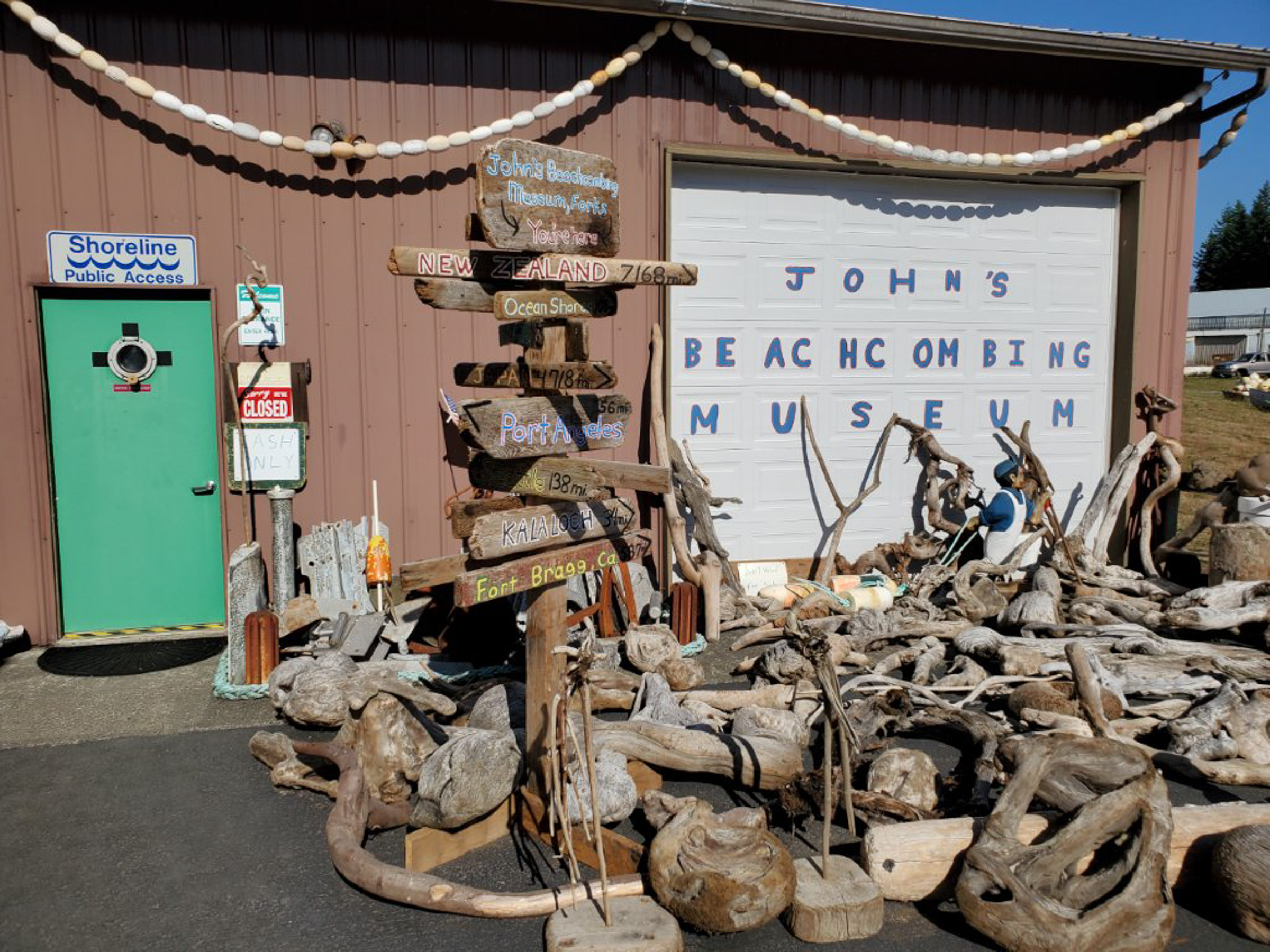
John Anderson’s life is governed by the erratic, indifferent rhythm of the tide. A former plumber turned proprietor of the nation’s first Beachcombing Museum on the Olympic Peninsula, Anderson has spent half a century interpreting the detritus of global commerce.
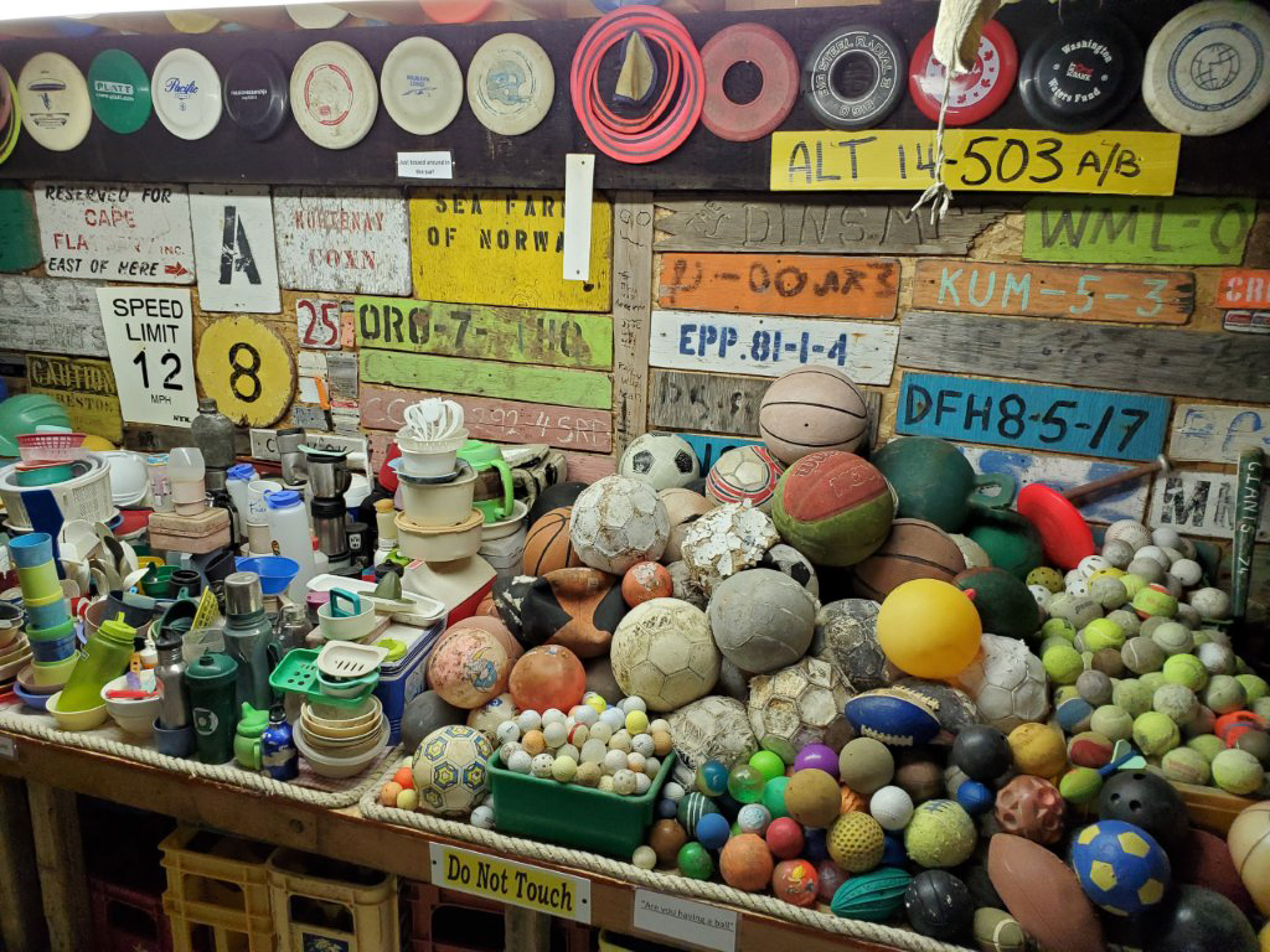
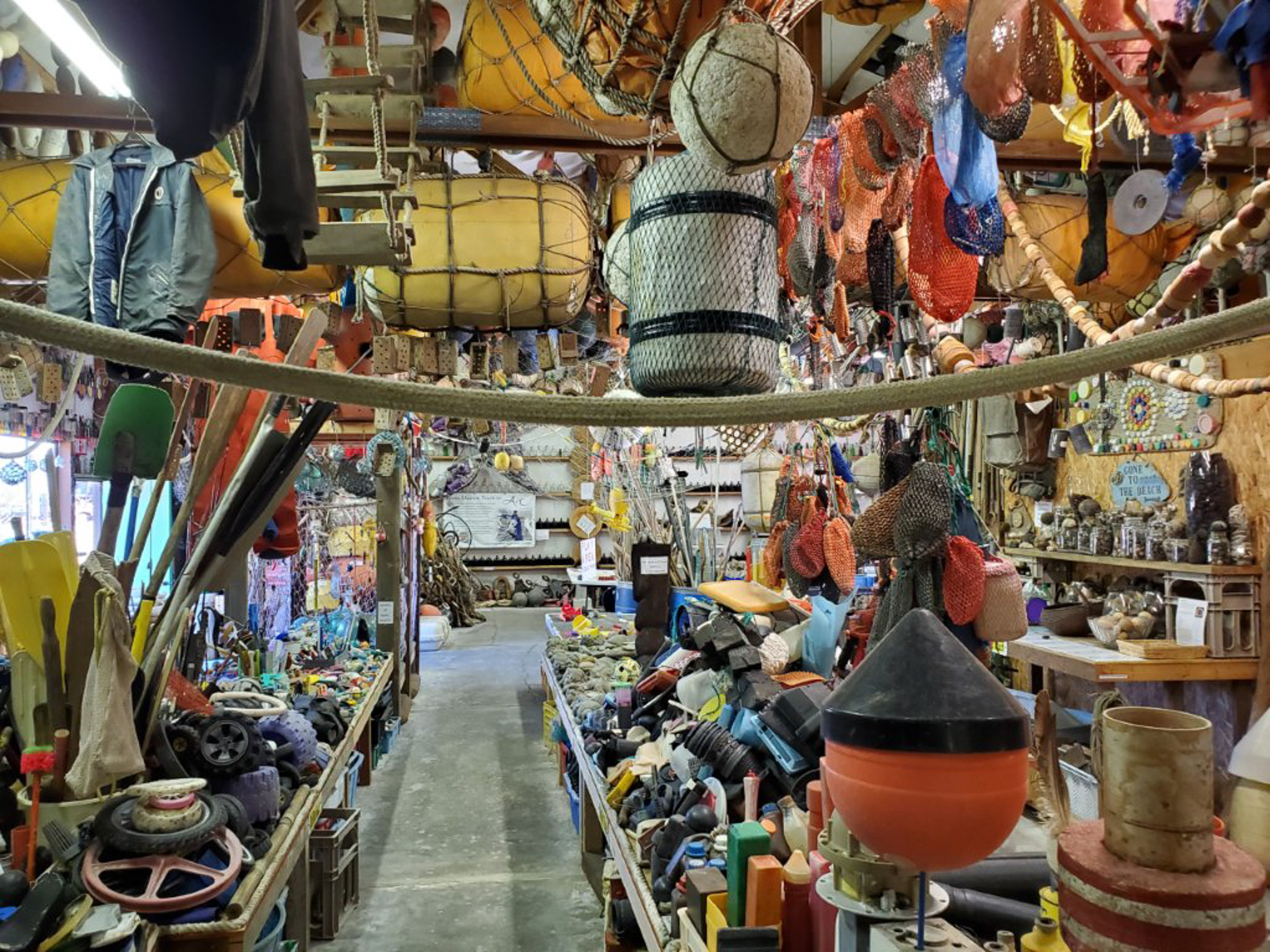
His museum is a chaotic, beautiful taxonomy of the Anthropocene. Within its walls, one finds the mundane—weathered sneakers and tangled fishing nets—juxtaposed against the profound: a Boeing 727 engine spinner cone, remnants of Tsunami-ravaged homes, and thousands of handwritten notes salvaged from glass bottles.
The Methodology of "Extreme Beachcombing"
Anderson’s work transcends casual collecting. He practices what he calls "extreme beachcombing," a rigorous, often dangerous pursuit of flotsam. His expeditions involve solo treks through dense, trackless forests and multi-day hikes along volatile shorelines. His record, a grueling 62-hour walk fueled by the promise of discovery, highlights the obsessive commitment required to archive the stories the ocean chooses to discard.
For Anderson, every object is a narrative bridge. When he recovers a note from a bottle, his first instinct is not to hoard it, but to reconnect it with its origin. By attempting to contact the senders, he transforms his museum from a passive collection of junk into an active, living archive of human connection.
II. Jane Kim: Painting the Biological Blueprint
The "Cookie" as a Time Capsule
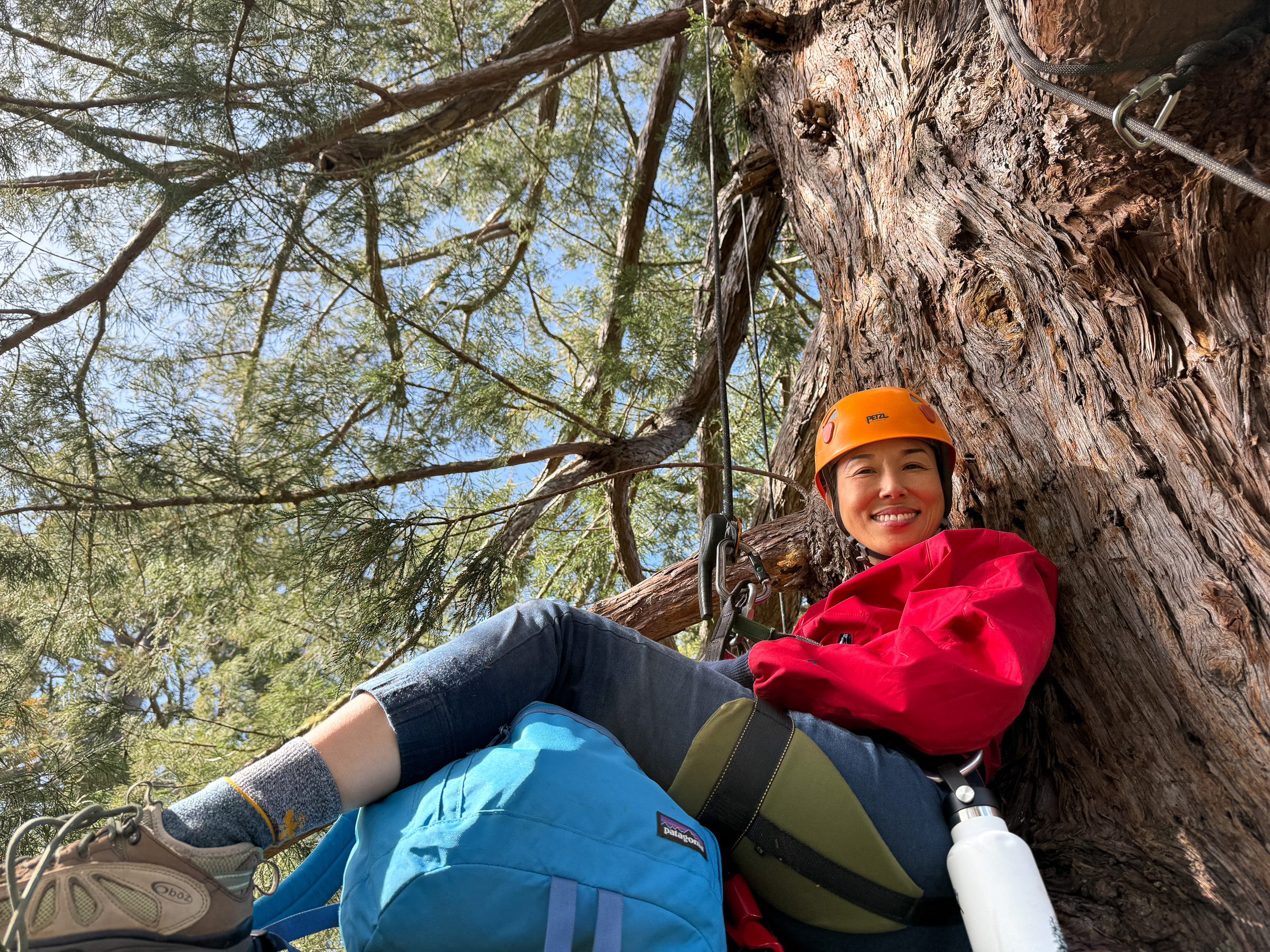
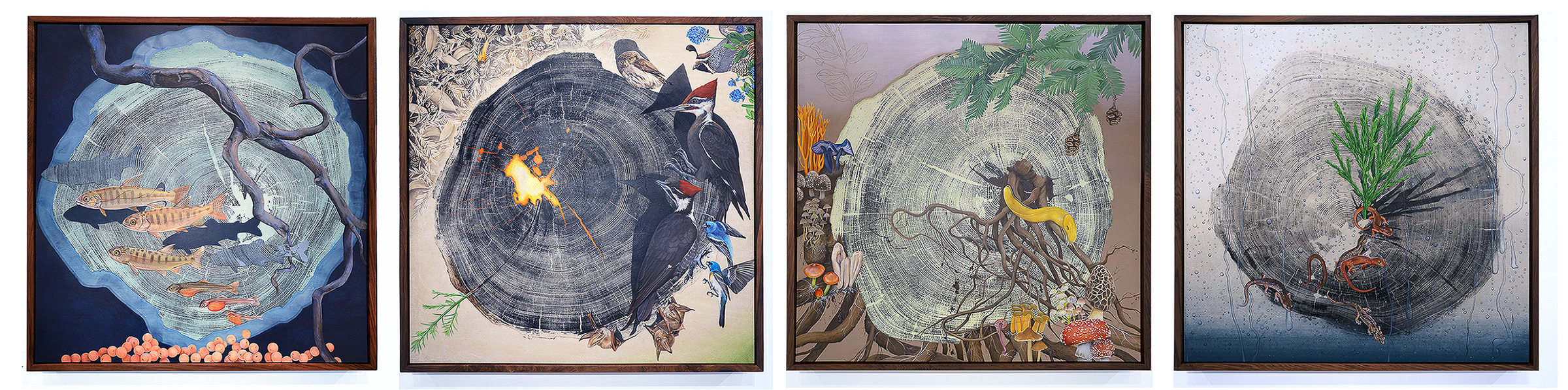
Artist Jane Kim’s recent fellowship with the Sempervirens Fund has resulted in a radical exploration of redwood ecology. Central to her work is the "cookie"—a cross-section of an ancient, old-growth redwood. By working alongside foresters to cut these massive, heavy discs, Kim gains access to the "biographic" data stored within the tree’s rings.
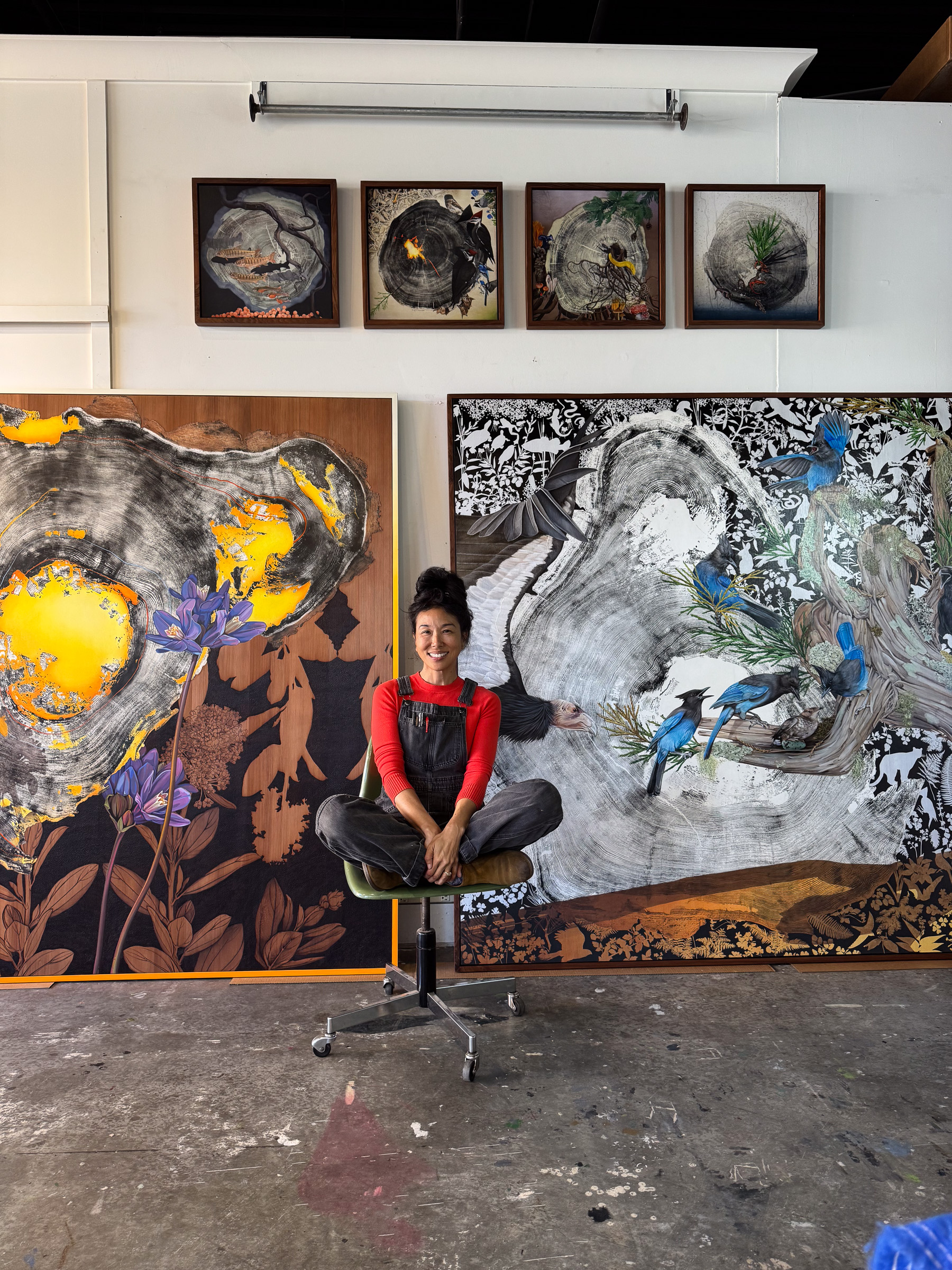
Each ring is a historical document, recording droughts, fire cycles, and periods of rapid growth. Kim’s artistic process involves transcribing these data points into monumental paintings, transforming the hidden biological history of the forest into a visual language accessible to the public.
The Migrating Mural and Beyond
Kim’s career has long focused on the intersection of art and conservation. Her Migrating Mural series, which features massive, hyper-realistic portraits of native animals—including a 50-foot monarch butterfly in San Francisco—was designed to break the "gallery barrier." By placing art in urban environments, she forces a confrontation between the concrete city and the wild, migratory pulse of nature.
Her current work, Sempervirens in Elementis, captures the "beautiful strangeness" of the redwood ecosystem: the fog-drinking biology, the subterranean fungal networks, and the vital role of fire in fostering new life. Kim’s art suggests that we are not separate from the environment; we are part of a vast, interconnected network that demands our reverence.
III. The Pattiz Brothers: From Cinematic Love Letters to Advocacy
The Genesis of "More Than Just Parks"
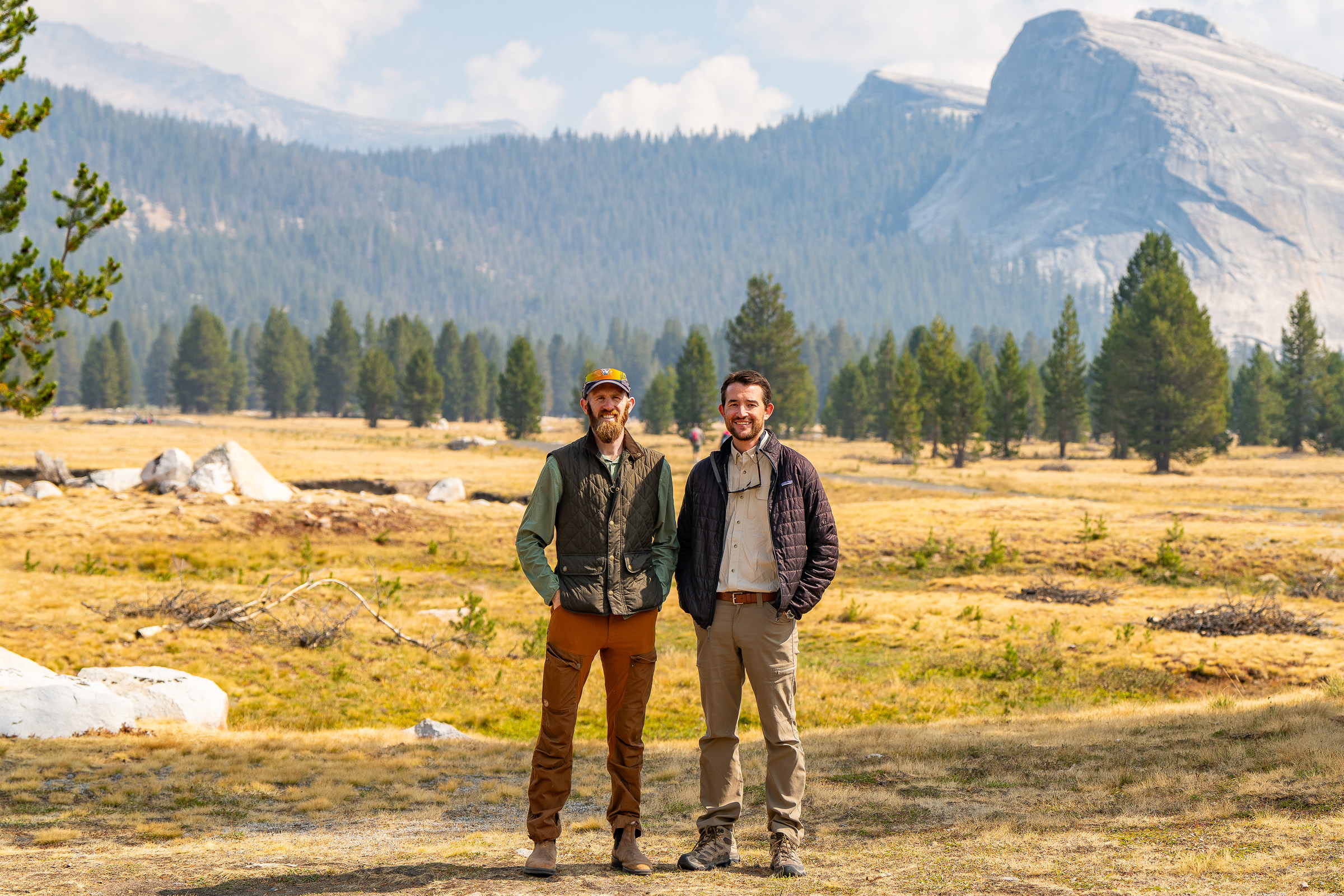
Ten years ago, brothers Jim and Will Pattiz set out from Georgia in their grandmother’s borrowed Prius with a simple, ambitious goal: to show Americans the beauty of their own public lands. What began as a series of short, high-production-value films titled More Than Just Parks has evolved into a powerhouse of digital advocacy.
The brothers’ early work was defined by trial and error—sleeping in rain-soaked tents, dodging black bears in the Tetons, and learning the delicate art of backcountry cinematography. Their films did more than showcase landscapes; they sparked an emotional visceral reaction in millions of viewers, proving that high-quality visual storytelling is a potent tool for environmental engagement.
The Shift to Institutional Defense
The Pattiz brothers have successfully transitioned from videographers to policy analysts. Today, More Than Just Parks functions as a multi-faceted advocacy organization. They have moved beyond the "celebration" phase of their project into the "defense" phase.
By creating investigative tools—such as congressional scorecards for public lands and interactive maps of threatened wilderness areas—the brothers are ensuring that the beauty they film is backed by political accountability. They argue that the appreciation of these lands is a prerequisite for their protection, and they have built a robust action network to mobilize that appreciation when the policies of the land are at stake.
IV. Chronology of Environmental Advocacy
- 1970s–Present: John Anderson begins his lifelong commitment to the Olympic Peninsula, collecting and archiving beach debris.
- 2010s: Jane Kim establishes her career with the Migrating Mural series, emphasizing the importance of public art in nature conservation.
- 2014: The Pattiz brothers launch More Than Just Parks, initiating a new era of digital storytelling regarding American public lands.
- 2023–2024: Jane Kim accepts the Forest Fellowship, deepening her research into redwood ecology and producing Sempervirens in Elementis.
- 2025–2026: All three parties see a surge in public interest, as their work becomes increasingly cited in environmental education and policy advocacy circles.
V. Supporting Data: The Impact of Narrative Conservation
The effectiveness of these three projects lies in their ability to translate complex ecological and historical data into human-centric stories.
| Contributor | Focus Area | Primary Medium | Societal Contribution |
|---|---|---|---|
| John Anderson | Marine Detritus | Physical Museum | Preserving human history via ocean-washed artifacts. |
| Jane Kim | Redwood Ecology | Large-scale Painting | Visualizing hidden biological cycles and climate history. |
| Pattiz Brothers | Public Lands | Cinematography/Policy | Digital advocacy and political defense of protected areas. |
While traditional environmental advocacy often relies on dry statistics, these figures utilize emotional resonance. Studies have shown that "narrative transportation"—the phenomenon where individuals become immersed in a story—leads to a higher likelihood of adopting the values presented in that story. By presenting the redwoods as a "living network" or a beach as a "repository of memory," these artists and advocates are effectively increasing the public’s psychological proximity to environmental issues.
VI. Implications for the Future of Conservation
The work of Anderson, Kim, and the Pattiz brothers suggests a paradigm shift in how we approach environmentalism. We are moving away from a model of "preservation through distance"—where nature is seen as something to be walled off and left alone—toward a model of "preservation through engagement."
Implications:
- Democratization of Ecology: By bringing the forest to the city (Kim) and the wilderness to the screen (Pattiz), these figures make conservation a democratic right rather than an elite interest.
- The Archivist’s Role: Anderson’s museum reminds us that we have a responsibility to witness the global footprint of our consumption. If we see what washes up on our shores, we may be more inclined to change the systems that put it there.
- Cross-Disciplinary Advocacy: The transition of the Pattiz brothers from filmmakers to policy analysts proves that cultural influence can, and should, be leveraged for political change.
In conclusion, the stories of these individuals highlight a vital truth: the natural world does not need us to save it in a vacuum. It needs us to understand it, to witness it, and to recognize our own stories within its cycles. Whether through a piece of drift plastic, the rings of a five-hundred-year-old tree, or a cinematic sunrise over a national monument, these visionaries are ensuring that the wild world remains not just a destination, but a fundamental part of the human experience.
 Nana Muazin
  Azzam Bilal Chamdy
  Siti Muinah