

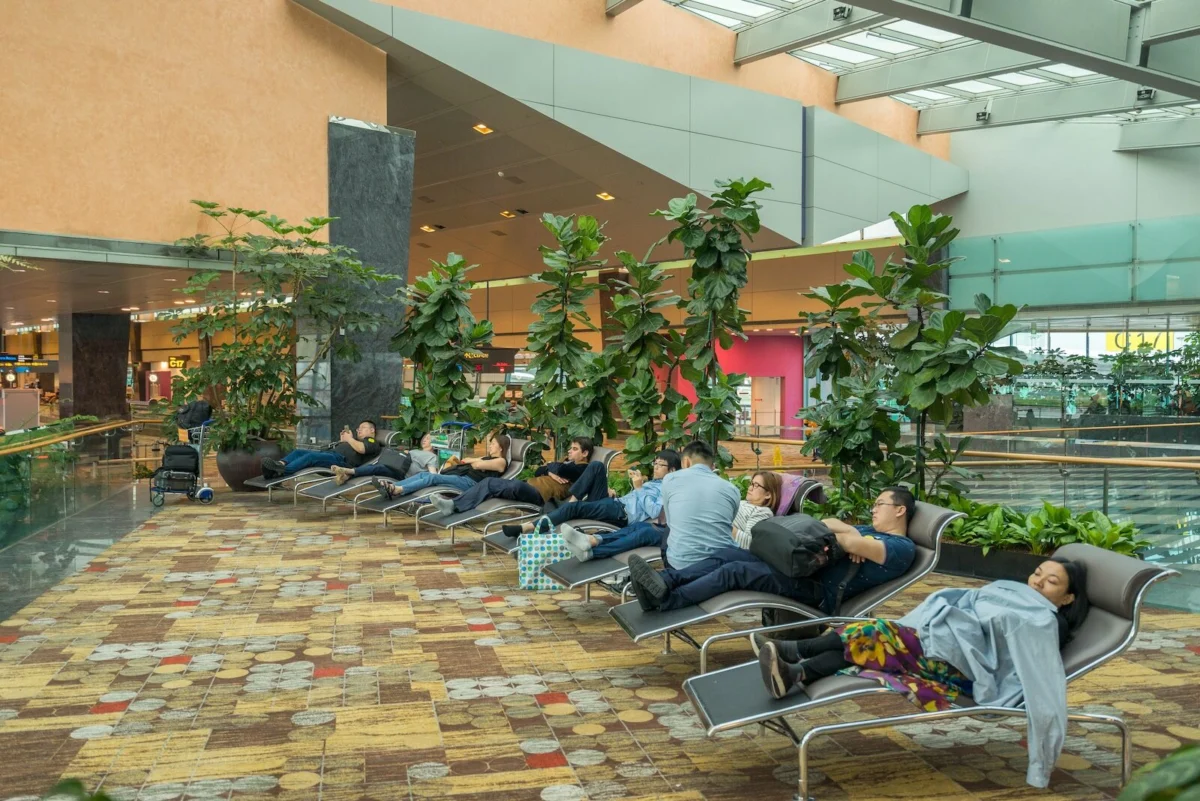
For the weary traveler navigating a multi-leg journey, the prospect of an overnight layover can transform an airport from a transit hub into a temporary home. Whether due to flight cancellations, long-haul scheduling, or budget constraints, thousands of travelers find themselves asking the same question: Is it actually legal to sleep in an airport terminal?
The short answer is yes, but with critical caveats. While there is no global "anti-sleeping" statute that mandates jail time for a slumbering passenger, the reality of the experience is governed by airport policy, local security protocols, and the physical infrastructure of the terminal itself.
The Legal Landscape of Terminal Slumber
Contrary to popular belief, there is no universal prohibition against sleeping in an airport. “I have never heard of someone getting a ticket or taken to jail for sleeping overnight in an airport,” says industry expert and frequent traveler consultant, McSherry. However, travelers must distinguish between "legal" and "allowed."
Many international airports operate on a 24-hour cycle, but others have strict nightly curfews. In airports that close for the night, security officials will often perform a sweep, requiring all non-passengers and those without confirmed onward tickets to vacate the premises. In such instances, travelers may find themselves redirected to the curb, bus shelters, or public sidewalks, regardless of the time of year or weather conditions. This is why seasoned travelers emphasize the necessity of a "Plan B"—a backup reservation at a nearby hotel or a pre-arranged transport option—to avoid being left stranded in the cold.
If you plan to stay, be prepared to prove your status. Airport security and police frequently patrol overnight areas to ensure terminal security. Travelers should always have their boarding pass or a confirmed digital ticket ready to present. Officials often verify that you are a legitimate passenger awaiting a morning flight rather than a loiterer, as this distinction is vital for maintaining the security of the sterile area.
A Chronology of the Overnight Experience
To navigate an overnight stay successfully, one must understand the rhythm of an airport.
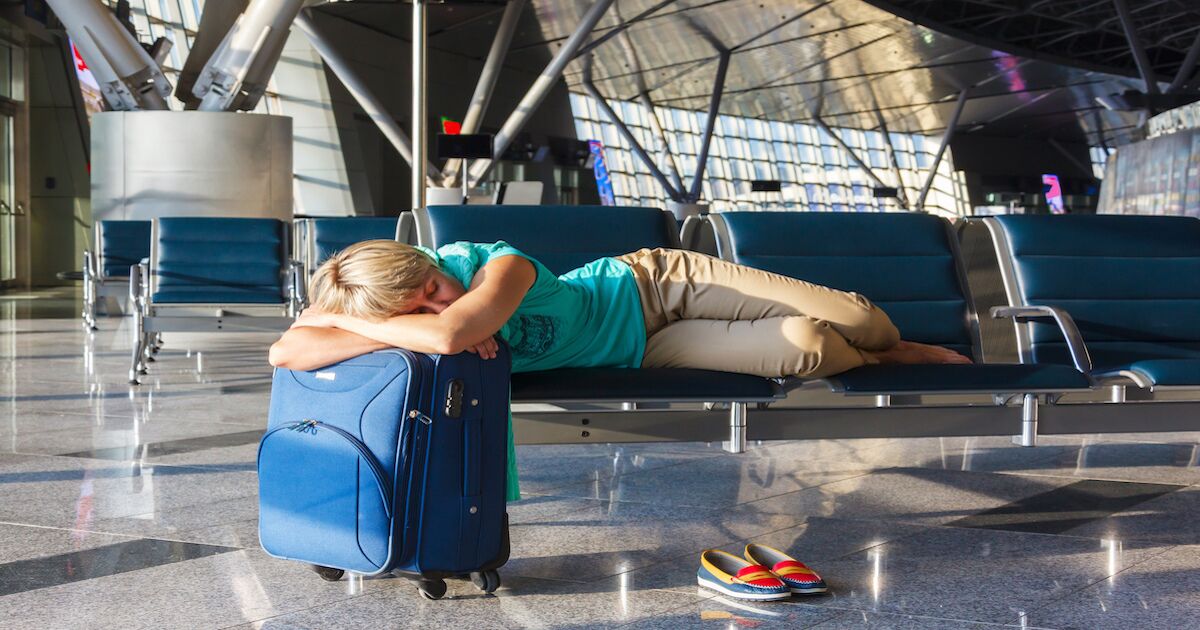
- The Wind-Down (10:00 PM – 12:00 AM): As the last flights of the day depart, the terminal begins to quiet. This is your window to scout locations. Identify areas with lower foot traffic, better security visibility, and proximity to charging stations.
- The Security Sweep (12:00 AM – 2:00 AM): If the airport operates a nightly closure or restricted zone policy, this is when authorities will check credentials. Having your ticket readily available minimizes friction during this phase.
- The "Dead" Hours (2:00 AM – 4:30 AM): This is the period of lowest activity. In major hubs, this is when custodial crews perform deep cleans. You may be asked to move to a different gate area.
- The Morning Surge (5:00 AM – 7:00 AM): The terminal reawakens. The sound of baggage handlers, the smell of coffee, and the arrival of the first wave of morning passengers signal that your tenure as an "airport resident" has concluded.
Supporting Data: The "Sleepability" Index
Not all terminals are built for comfort. In 2019, a comprehensive survey conducted by SleepinginAirports.com evaluated global transit hubs based on "sleepability," factoring in chair design, lighting, noise levels, and amenity access.
Global Leaders in Airport Comfort
- Singapore Changi Airport (SIN): Long considered the gold standard, Changi offers dedicated "Snooze Lounges" with reclining chairs and free movie theaters. Its expansive layout allows for quiet, secluded corners even during peak hours.
- Seoul Incheon (ICN): Renowned for its hospitality, Incheon provides rest zones with free padded lounges. The prevalence of armrest-free seating—the "holy grail" for airport sleepers—makes it a top-tier destination for layovers.
- Tokyo Narita (NRT): The facility features overnight rest areas equipped with footrests and padded benches, acknowledging the reality of the international transit traveler.
- Denver International (DEN): In the United States, Denver stands out for its Concourse A "rest and recharge" area, which provides free, non-time-limited space for weary travelers.
Professional Strategies for Quality Rest
If you are determined to catch some sleep, you must transition from a passive traveler to an active "airport camper."
The Pro-Sleeper’s Toolkit
- Sensory Deprivation: Terminal lighting is rarely designed for sleep. A high-quality contoured eye mask is essential. Pair this with noise-canceling headphones or high-decibel foam earplugs to dull the sound of floor buffers and automated announcements.
- The Physical Barrier: Use your carry-on luggage as a pillow or a footrest. A small, packable travel blanket is a game-changer, as terminals are notoriously over-air-conditioned.
- Strategic Seating: Avoid the gate areas where people congregate to charge phones or wait for boarding. Instead, look for arrival lounges or gates that have been decommissioned for the night. If you find armrest-free benches, you have hit the jackpot; if not, look for lounges that offer "day-use" or hourly rates.
The Rise of the "Minute Suite"
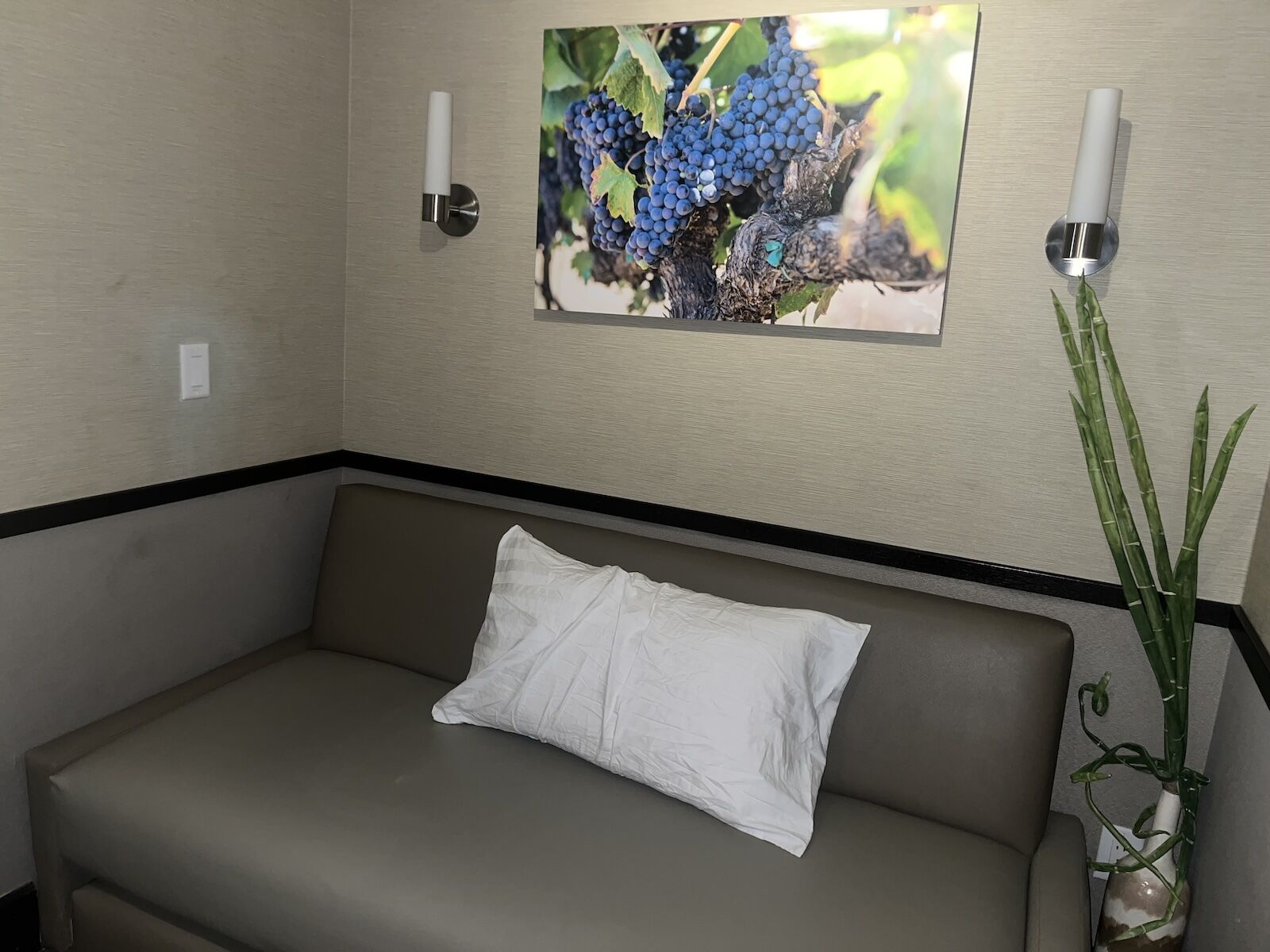
For those with the budget, the evolution of airport amenities has been a godsend. Facilities like Minute Suites offer private, sound-isolated rooms. These are not just chairs; they are micro-hotels equipped with desks, daybeds, and climate control. While rates often start around $65 per hour, travelers with Priority Pass memberships can often access these for free for a limited time, providing a quiet, safe, and secure sanctuary during long layovers.
Official Responses and Security Implications
Airport authorities generally tolerate overnight stays to a point, provided that the traveler does not impede operations. However, security remains the primary concern. In recent years, many airports have increased the number of CCTV cameras and security patrols in public-side areas.
“The goal is balance,” notes an anonymous airport operations manager. “We recognize that flight delays, weather events, and missed connections are part of air travel. We want to be accommodating, but the safety of the terminal and the integrity of the secure zone are paramount.”
In instances of mass cancellations due to extreme weather, the airport’s responsibility shifts. Most major hubs are equipped to provide emergency kits—cots, blankets, toiletries, and food vouchers—to stranded passengers. These services are typically managed by the airlines themselves in coordination with airport management. It is important to note that these resources are reserved for victims of systemic delays, not for travelers looking to avoid the cost of a hotel.
Implications: The "Exit" Strategy
Perhaps the most important rule of sleeping in an airport is acknowledging when to leave. If you are stressed, uncomfortable, or simply unable to sleep, remember that the airport is not a prison.
Most major international airports are located within a 30-to-40-minute commute of the city center. If you have a layover exceeding eight hours, consider booking a budget hotel or hostel in the city. Websites like SleepinginAirports.com provide detailed guides on public transit connections, allowing you to turn a potentially miserable night of floor-sleeping into an impromptu city tour.
Final Considerations for the Traveler
Before committing to an overnight stay, ask yourself these three questions:
- Is my flight departing early enough to justify the discomfort? If you have a 10:00 AM flight, a hotel is likely the better choice.
- Does the airport have a curfew? Check the airport’s official website or Twitter (X) feed to see if they restrict access to the public side at night.
- Do I have the necessary gear? If you are relying on your jacket as a pillow, you are likely to wake up with a stiff neck and a foul mood.
Ultimately, sleeping in an airport is a test of resilience. While the infrastructure is becoming more accommodating, the responsibility remains with the traveler to plan ahead, stay informed, and prioritize personal security. Whether you find yourself in a state-of-the-art pod at Changi or a standard gate bench in a mid-sized hub, a successful night of sleep is simply a matter of preparation.
 Sagoh
Sagoh  Reynand Wu
  Lina Hope