

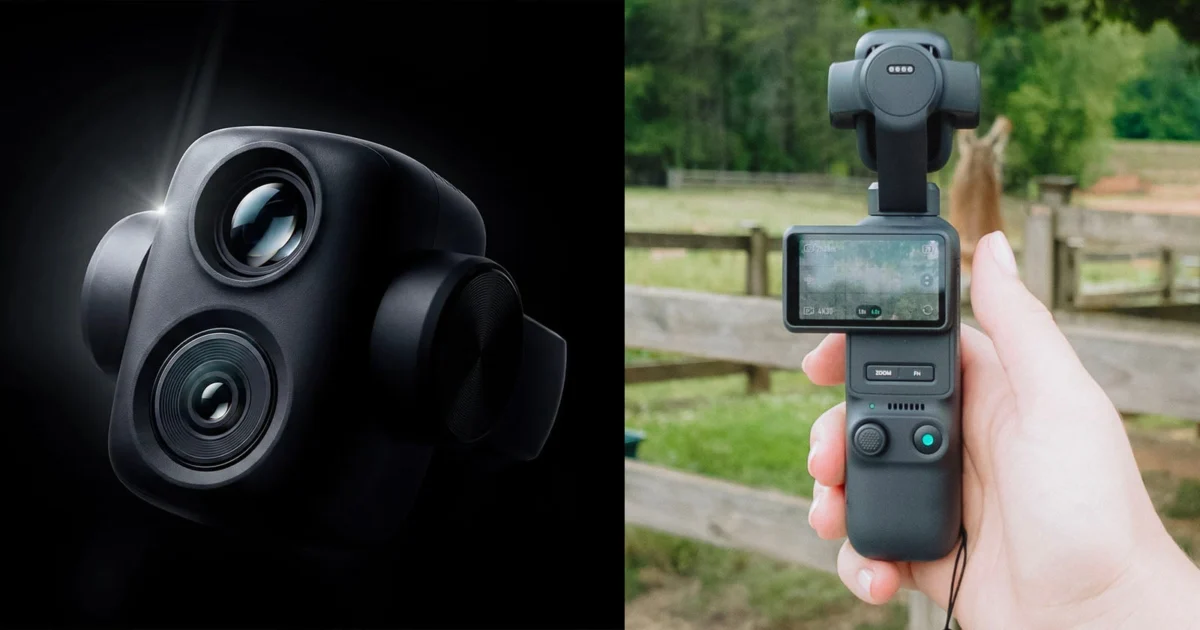
The landscape for affordable gimbal cameras in the United States has shifted dramatically this week. In a move that signals the end of a controversial era for hardware importers, the company known as Xtra has abruptly pulled its highly anticipated Muse 2 Pro from the market. This decision, which includes the immediate cessation of preorders and the issuance of refunds to early-bird backers, comes on the heels of an aggressive regulatory offensive launched by the Federal Communications Commission (FCC) targeting entities suspected of circumventing trade restrictions on Chinese drone and imaging giant, DJI.
For months, Xtra had positioned itself as a clever alternative for American photographers seeking the form factor and functionality of the elusive DJI Osmo Pocket 4. By offering hardware that looked, felt, and functioned like the restricted DJI flagship, Xtra had successfully tapped into a niche market. However, as the FCC tightens its grip on "front companies" and unauthorized technology imports, the viability of these clone products has effectively evaporated.
A Chronology of Regulatory Escalation
The downfall of the Muse 2 Pro was not an overnight occurrence but rather the culmination of a months-long cat-and-mouse game between regulators and shadow importers.
- Early 2026: While DJI faced persistent regulatory hurdles preventing the official U.S. launch of the Osmo Pocket 4, a vacuum emerged in the market. Companies like Xtra began surfacing, marketing devices that bore a striking, near-identical resemblance to the restricted DJI hardware.
- October 2025: Initial reports surfaced noting that Xtra’s product lineup appeared to be utilizing internal components or design architectures suspiciously similar to DJI’s, allowing them to bypass the tariffs and import bans levied against the parent company.
- July 10, 2026: The FCC escalated its posture, issuing formal fines to multiple companies it identified as "fronts" for DJI technology. The Commission’s stance was clear: these companies were failing to provide transparent supply chain disclosures, a move regulators interpreted as a deliberate effort to obscure the origin of restricted technology.
- July 21, 2026: The FCC explicitly placed Xtra and its affiliates in its crosshairs, signaling a broader, more targeted investigation into the distribution of unauthorized imaging hardware.
- Late July 2026: Recognizing the tightening regulatory noose, Xtra removed the Muse 2 Pro from its digital storefront. The company issued a statement to customers, including photographer Francis Alvarez, confirming that the "Early Bird" program was being shuttered due to an inability to guarantee a launch timeline.
The Anatomy of the “Clone” Strategy
At the heart of the controversy is the nature of the Muse 2 and Muse 2 Pro. Industry experts and analysts have long noted that these devices are not mere "inspired" designs; they are, for all practical purposes, rebranded or slightly modified iterations of the Osmo Pocket 4.
The "clone" model relies on a specific loophole: if a company can source components from a restricted manufacturer and reassemble them under a new brand name, they can theoretically bypass the country-of-origin restrictions that prevent the original manufacturer from selling in the U.S. market. For a time, this strategy proved remarkably successful. Xtra was able to offer a sub-$700 price point, undercutting the perceived value of the gray-market DJI products while providing a seamless user experience that felt familiar to those already embedded in the DJI ecosystem.
However, the FCC’s recent crackdown has shifted the burden of proof. By requiring companies to account for the provenance of their internal components—specifically microprocessors, image sensors, and stabilizing firmware—the FCC has made it nearly impossible for these "white-label" importers to maintain their operations without disclosing the very links they have spent months trying to hide.
Official Responses and Corporate Silence
The collapse of the Muse 2 Pro launch has been met with a combination of bureaucratic language and corporate avoidance. Xtra’s official communication to its customer base was brief and devoid of specific details regarding the FCC investigation.
"We are unable to confirm a reliable launch timeline at this stage," the company stated in an email to pre-order customers. "We have not announced a new product launch timeline at this time. Further information will be shared separately once the relevant plans are confirmed."
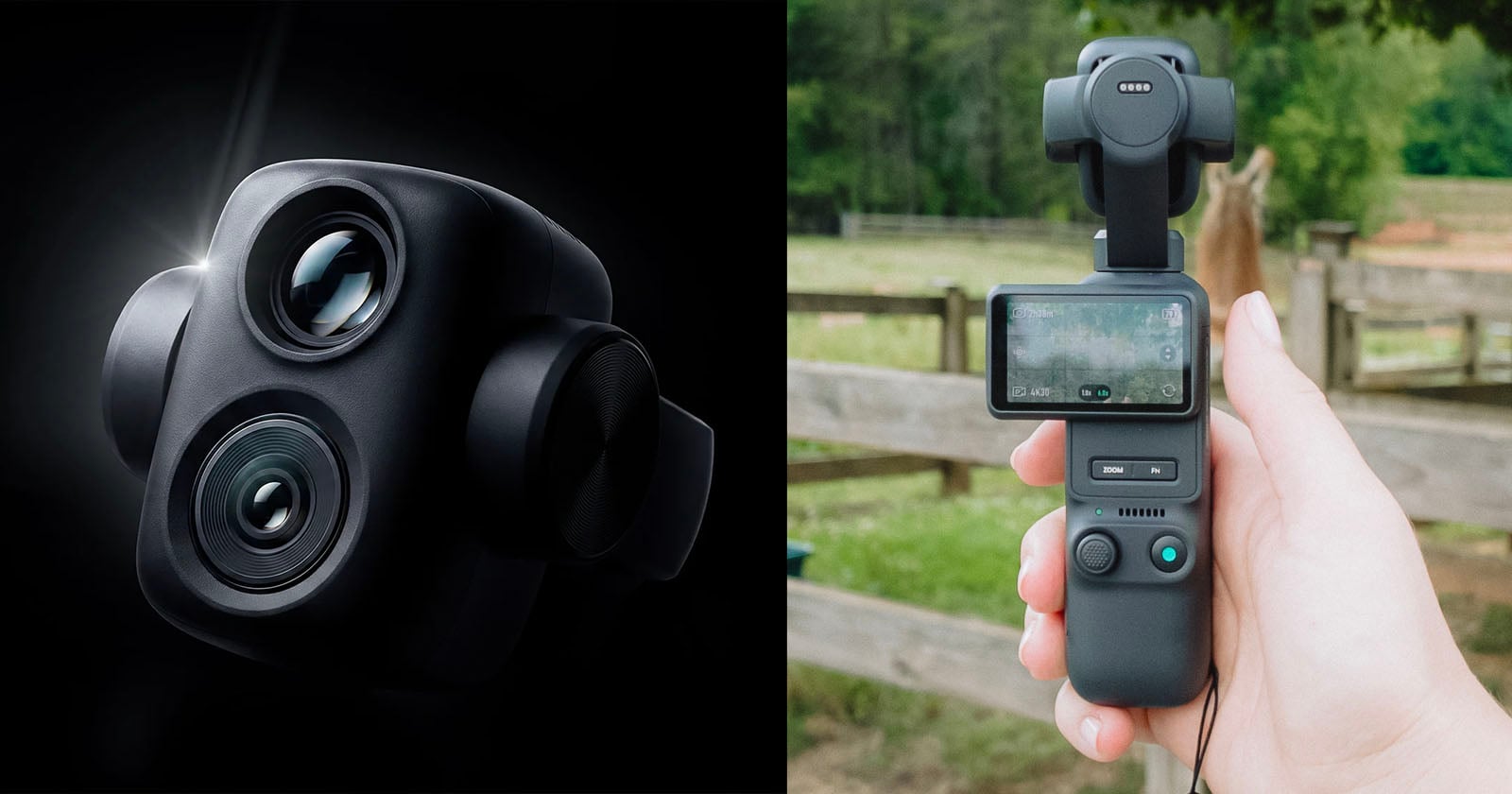
The company’s decision to issue full refunds suggests a desire to avoid legal liability and consumer protection litigation. However, this pivot has not extended to transparency with the press. Xtra has ceased all responses to media inquiries, including multiple requests for comment from PetaPixel regarding the specific nature of their supply chain and their interactions with the FCC. This silence speaks volumes, suggesting that the company is currently in a defensive posture, prioritizing the mitigation of legal exposure over public relations.
The Broader Implications for the Photography Market
The situation surrounding Xtra and the Muse 2 Pro serves as a microcosm for a much larger issue in the global electronics supply chain. As governments move toward stricter technological sovereignty and national security-based trade barriers, the era of the "unregulated clone" is coming to a close.
1. The Death of the "Gray" Supply Chain
For years, the camera industry operated in a gray area where parts from high-end manufacturers could be sourced and repurposed by smaller, agile firms. The FCC’s recent actions have effectively put a price tag on this ambiguity. If an importer cannot verify the origin of its components, it can no longer operate in the U.S. market.
2. Consumer Trust and Risk
This incident serves as a stark warning to photographers and videographers who turn to third-party marketplaces for high-tech gear. Customers who purchased the Muse 2 Pro were essentially buying into a business model that was built on regulatory instability. While the promise of a "cheaper DJI" was enticing, the lack of long-term support, firmware updates, and warranty security—all predicated on the company’s ability to remain in business—creates significant risk for the end-user.
3. The Future of DJI Alternatives
With companies like Xtra effectively sidelined, the U.S. market for compact, gimbal-stabilized cameras may face a period of reduced competition. Until legitimate competitors can develop independent, patent-cleared, and compliant hardware, users may be forced to choose between premium, authorized products or nothing at all. The barrier to entry for high-quality, stabilized imaging is now higher than ever, requiring not just engineering prowess, but a clean bill of health from federal regulators.
Conclusion: A Precarious Future
There is currently no indication that the FCC will ease its stance on the import of restricted DJI-affiliated technology. For Xtra and companies operating under similar business models, the future is bleak. The regulatory environment has evolved from one of loose oversight to one of active enforcement.
As the 30-day public comment period on the latest FCC bans proceeds, it is highly likely that the "Xtra" brand will fade into obscurity, joining a long list of companies that attempted to navigate the shifting sands of global trade policy. For the photography community, the Muse 2 Pro saga is a reminder that in the modern digital age, the most important specification of a piece of gear is not its sensor resolution or its frame rate, but its legal right to exist in the hands of the consumer.
For now, those who backed the Muse 2 Pro will see their money returned, but the incident leaves a permanent mark on the industry—a clear signal that the days of the DJI clone are effectively over.
 Reynand Wu
  Suro Senen