

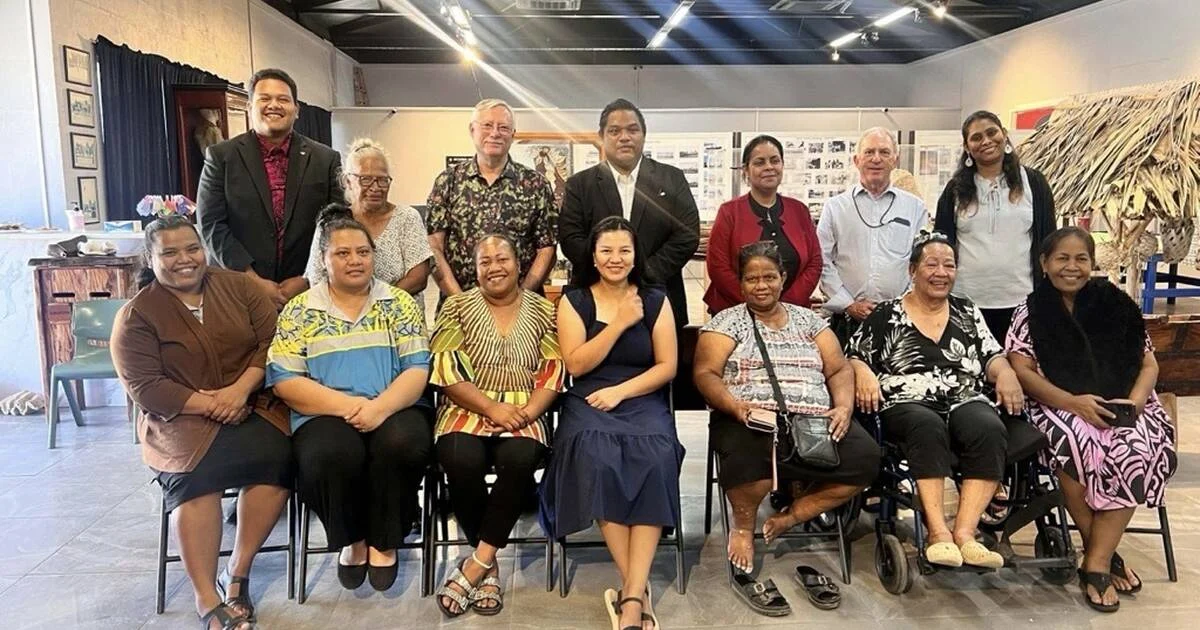
Introduction: A New Chapter for Nauru’s Heritage
In a landmark development for the Pacific region, the Republic of Nauru has successfully concluded its inaugural International Assistance project under the UNESCO World Heritage Convention. This achievement, finalized in early 2026, represents a transformative moment for the small island nation, signaling its formal integration into the global framework for cultural and natural preservation.
Since acceding to the World Heritage Convention in July 2024 as the 196th State Party, Nauru has moved with remarkable speed to transition from a signatory nation to an active participant in heritage management. With the collaborative support of the UNESCO World Heritage Centre and the UNESCO Regional Office for the Pacific States in Apia, Nauru has not only assessed its most precious sites but has also laid the legislative and operational groundwork to ensure these treasures endure for generations to come.
Chronology of Progress: From Accession to Action
The journey toward this milestone has been deliberate and strategically executed, reflecting a commitment to international standards and local community values.
The Foundation (July 2024)
Nauru officially became the 196th State Party to the World Heritage Convention in July 2024. This accession was the culmination of years of diplomatic dialogue, marking Nauru’s intent to protect its unique cultural landscape—a landscape shaped by both its ancient traditions and its complex modern history.
The Catalyst (February 2025)
Following its accession, Nauru submitted its first International Assistance request to the World Heritage Fund. The approval of this request in February 2025 provided the essential financial and technical resources required to launch a national capacity-building program.
The Inaugural Consultation (May 2025)
In May 2025, Nauru hosted its first national consultation meeting. This pivotal event served as the bridge between theory and practice, introducing government stakeholders, civil society leaders, and the public to the mechanisms of the Convention. It was during this phase that the foundational roadmap for implementation was established.
The Field Mission and Expert Review (February 2026)
The project’s operational zenith occurred in February 2026, when a team of international experts—in partnership with the Naoero Museum and the Department of National Heritage—conducted an intensive seven-day field mission. The team performed on-site inspections of potential cultural and natural heritage sites, held inter-agency workshops, and conducted a comprehensive review of the existing National Heritage Act.
Strengthening the Framework: Key Deliverables
The project was not merely an administrative exercise; it produced tangible outcomes designed to steer Nauru’s conservation policy for the next half-decade.
The Five-Year Strategic Workplan
At the heart of the project’s success is a draft five-year workplan. This document serves as a practical, actionable roadmap. Its primary objectives include:
- Systematic Documentation: Creating a centralized, digital registry of Nauru’s cultural and natural heritage sites.
- Institutional Governance: The formal establishment of a National Heritage Committee to oversee conservation efforts and provide policy advice to the government.
- Legislative Reform: Providing specific recommendations to strengthen the national legislative framework, ensuring that current laws align with international World Heritage standards.
- Educational Integration: Embedding heritage appreciation into the national school curriculum to foster a sense of stewardship among Nauru’s youth.
- Public Awareness: Launching interpretation initiatives that highlight the significance of heritage sites to both residents and potential international visitors.
Site Assessments and Nomination Potential
The February 2026 mission enabled experts to conduct an objective evaluation of Nauru’s landscape. By assessing the island’s unique topography and historical sites, the project team identified priority areas that show potential for future nomination as World Heritage sites. This diagnostic process is crucial, as it allows the government to focus its limited resources on sites with the highest "Outstanding Universal Value."
The Role of Strategic Partnerships
The success of this project underscores the vital importance of international technical cooperation. The Naoero Museum, operating under the Department of National Heritage, served as the primary implementing agency. However, their efforts were amplified by the UNESCO World Heritage Centre and the Regional Office in Apia.
This collaborative model ensured that Nauru did not have to "reinvent the wheel." Instead, they were able to adapt global best practices to the specific socio-geographic context of a Pacific Small Island Developing State (SIDS). The inclusion of international experts brought a global perspective to local challenges, such as environmental vulnerability and the need for sustainable community-led tourism.
Implications for Nauru and the Pacific Region
The completion of this project has far-reaching implications, extending beyond the borders of Nauru.
Empowering the Pacific SIDS
Pacific SIDS often face unique pressures—from the existential threat of climate change to the pressures of rapid modernization. By successfully navigating the International Assistance process, Nauru has provided a blueprint for other nations in the region. It demonstrates that with the right partnership and political will, even small nations can participate meaningfully in the global discourse on heritage.
A Catalyst for Sustainable Development
Heritage conservation in Nauru is intrinsically linked to sustainable development. By protecting natural landscapes and cultural sites, Nauru is enhancing its resilience. The integration of heritage into the national curriculum and the emphasis on community partnerships suggest that the government views heritage not as a static relic, but as a living component of the nation’s future economy and identity.
Building Resilience
The project’s focus on the National Heritage Act is particularly significant. By modernizing legislation, Nauru is creating a "shield" for its heritage, making it easier to defend sites against unauthorized development or environmental degradation. This is a crucial step for a nation whose land area is limited and whose history is layered with significant global events.
Official Perspectives: A Commitment to the Future
While the technical aspects of the project were led by the Department of National Heritage, the political backing has been unanimous. Government officials have emphasized that this is only the beginning.
"The completion of this project is a milestone, but it is not the finish line," noted a spokesperson from the Naoero Museum. "The workplan we have developed is a living document. We are committed to fostering a culture of conservation that involves every citizen—from our elders who hold the oral histories to the students who will inherit these sites."
UNESCO representatives have echoed this sentiment, reiterating that the organization remains a steadfast partner. UNESCO’s commitment to Nauru extends beyond the conclusion of this project, focusing on long-term capacity building and the technical training of local staff to ensure that the momentum generated in early 2026 does not dissipate.
Challenges and Opportunities Ahead
As Nauru moves forward, it faces the reality of its unique position. The island’s environmental challenges, including the reclamation of land and the management of its natural resources, are significant. However, the project has reframed these challenges as opportunities for innovation.
For instance, the proposed "public awareness and interpretation initiatives" are designed to turn the island’s history—including its challenging eras—into educational assets. By interpreting these sites correctly, Nauru can control its own narrative, ensuring that its history is told through the lens of its own people.
Furthermore, the emphasis on "greater community engagement" is perhaps the most vital aspect of the roadmap. In a nation with deep traditional ties, the success of any conservation effort relies on the support of landowners and local communities. By involving these stakeholders early in the process, the government has ensured that the "National Heritage Committee" will be a representative body rather than a distant bureaucratic entity.
Conclusion: A Legacy in the Making
Nauru’s first International Assistance project is a testament to the power of international collaboration and the resilience of national identity. In less than two years, the nation has gone from acceding to the World Heritage Convention to creating a comprehensive, five-year framework for its implementation.
This is more than just an administrative success; it is a profound declaration of intent. Nauru is signaling to the world that it values its history, its culture, and its natural environment. As it moves toward the implementation phase of its workplan, the Republic of Nauru stands as a beacon for other Pacific nations, proving that the preservation of the past is the most essential foundation for building a sustainable, proud, and resilient future.
The journey from 2024 to 2026 has been marked by professional rigor, inclusive dialogue, and a shared vision. As the National Heritage Committee begins its work and the new legislative framework is debated, the people of Nauru can take pride in the fact that they are taking active, informed, and globally supported steps to ensure their heritage will never be forgotten.
 Asep Darmawan
  Jia Lissa
  Neng Nana